General General 5 min read

SUGAR RUSH!

These 10 American Candies Make Our Lives Sweeter!

Image: Jamie Albright

Got a sweet tooth? You are not alone. From the hundreds of brightly colored wrappers filling Halloween baskets to that delicious chocolate bar that makes a morning commute more pleasant, candy tends to play an essential role in the lives of most Americans. We have selected ten of the most iconic American candies that sweeten the days of both children and adults alike. Take a trip down this sugary road and enjoy!

1
Snickers

Image: Joshua Fernandez

We’ll start this article with an absolute classic. In the 1930s, Mars came up with a now-iconic candy bar packed with peanuts and covered in delicious chocolate. When it came the time to name it, inspiration came from an unlikely source: Snickers are named after the Mars family's favorite horse.

Snickers quickly became a global icon, becoming available in grocery stores and supermarkets worldwide. Nowadays, they come in a huge variety of flavors, including white and milk chocolate, as well as in different products like ice cream.

2
Hershey’s chocolate bar

Image: Janne Simoes

Known as "The Great American Chocolate Bar" , the Hershey’s bar is truly an American tradition. It was first sold in 1900, making it one of the oldest chocolate bars in the United States. However, they continue to be a delicious treat long past their one-hundredth anniversary.

This chocolate bar’s origin is rather interesting. In 1893, Milton Hershey visited the Chicago World’s Fair, where he was impressed with the chocolate manufacturing machinery displayed by the German delegation. The following year, he founded the Hershey Chocolate Company, which developed its own kind of chocolate products.

3
Twizzlers

Image: Filip Mroz

Let’s step away from the chocolatey goodness of our previous entries (don’t worry, there’s a lot more chocolate to go on), and focus on the delightful "Twist You Can't Resist". Twizzlers are one of the most unique candies out there: Their distinctive flavor and fun shape truly set them apart from other products in the market.

You might be surprised to learn that Twizzlers are made by one of the oldest confectioneries in the country: Young and Smylie, the company behind their creation, was founded as far back as 1845. Another fun fact is that, while only their black flavor contains ingredients from the licorice plants, Twizzlers as a whole are considered licorice-type candy.

4
M&Ms

Image: Christopher Ott

Many surveys state that M&Ms are the most popular candy in America. And, to be honest, anyone who has tried these brightly colored pieces of chocolate confectionary probably agrees. With their classic slogan "the milk chocolate that melts in your mouth, not in your hand", M&Ms have been a beloved part of American life since 1941.

Just as cherished as M&Ms themselves are their iconic mascots, which are anthropomorphized pieces of candy. These colorful "spokescandies" have been the company’s representatives since the ‘90s, and have grown to be considered icons of American pop culture.

5
Jelly Belly

Image: Patrick Fore

Choosing a single brand of jelly beans to include in this article was no easy task, but we ultimately decided to give Jelly Belly this spot. After all, they were famously the most beloved snack of Ronald Reagan, and share a long and fun history with our 40th President.

This love story began in the 1960s when Reagan decided to quit smoking and turned to jelly beans as a replacement. By the time he reached the White House, Jelly Belly had become the de-facto presidential snack: A jar filled with jelly beans was regularly seen on the president’s desk.

6
Baby Ruth

Image: Ric Matkowski

No one can deny that Baby Ruth is a popular product: This delicious nougat-filled candy bar has been around since 1920. However, did you know that they were originally called "Kandy Kakes"? Not only that, there’s a small controversy related to the current name we know and love.

According to the Curtiss Candy Company, the name "Baby Ruth" was inspired by Ruth Cleveland , daughter of President Grover Cleveland. However, it doesn’t take a keen observer to realize that this is particularly similar to the name of baseball legend Babe Ruth, whose fame was skyrocketing in the 1920s. "The Sultan of Swat" even sued the candy company for using his name, but ultimately lost the case.

7
Candy corn

Image: Debby Hudson

This is perhaps the most polarizing piece of candy on this list. With its distinctive shape and bright colors, Candy Corn is either beloved or hated. In any case, it is one of the most popular candies during Halloween, becoming synonymous with this festivity.

Candy Corn is also one of the oldest candies in America, having been produced since the 1880s by the Wunderle Candy Company. It was originally known as " Chicken Feed " because of its resemblance to corn kernels used to feed poultry.

8
Sour Patch Kids

Image: Vinicius Amano

We’ve been mostly focusing on sweet products so far, so let’s take a small jump in the opposite direction. Sour Patch Kids, known for their slogan "Sour Then Sweet" , are famous for their initial tart and sharp taste that gradually gives way to a sweeter flavor. The contrast of both sensations is what makes this soft candy so iconic, which has been standing strong for almost 40 years.

Created in the 1970s, Sour Patch Kids were originally named "Mars Men". However, by 1985 the product was rebranded to the name we now know, possibly to capitalize on the popularity of the Cabbage Patch Kids, an extremely popular toy at the time.

9
Reese’s Peanut Butter Cups

Image: Heather Barnes

We would like to take a moment to honor the innovator who realized that peanut butter and chocolate are a match made in heaven : Whoever you are, good sir or madam, we salute you. And while we can’t celebrate this anonymous hero, we can thank the man who brought us the quintessential pairing of these ingredients: H. B. Reese, creator of Reese's Peanut Butter Cups.

In 1928, the H.B. Reese Candy Company started selling their peanut butter cups, at the time known as " Penny Cups " since they were sold for one cent. Reese, who formerly worked at a Hershey dairy farm, used Hershey chocolate in all his products. By the 1960s, the company merged with the Hershey Chocolate Corporation, which continues to produce these delicious cups.

10
Milk duds

Image: Moritz Kindler

Milk Duds are truly living proof that mistakes can lead to wonderful opportunities. These delicious pieces of chocolate candy are known for their irregular shape , which is a direct result of a lucky accident.

In 1928, Hoffman and Company of Chicago attempted to create a perfectly spherical chocolate-covered candy but failed in every attempt to achieve this shape. These failed attempts were called "duds", which is a term used to describe a device or equipment that failed to work as intended. Over time, these duds inspired the name of this product and eventually evolved to become our beloved Milk Duds.
Geography Geography 5 min read

Stories carved by the Colorado River

The missing pieces of the Grand Canyon: 10 incredible facts

Image: jesus esteban

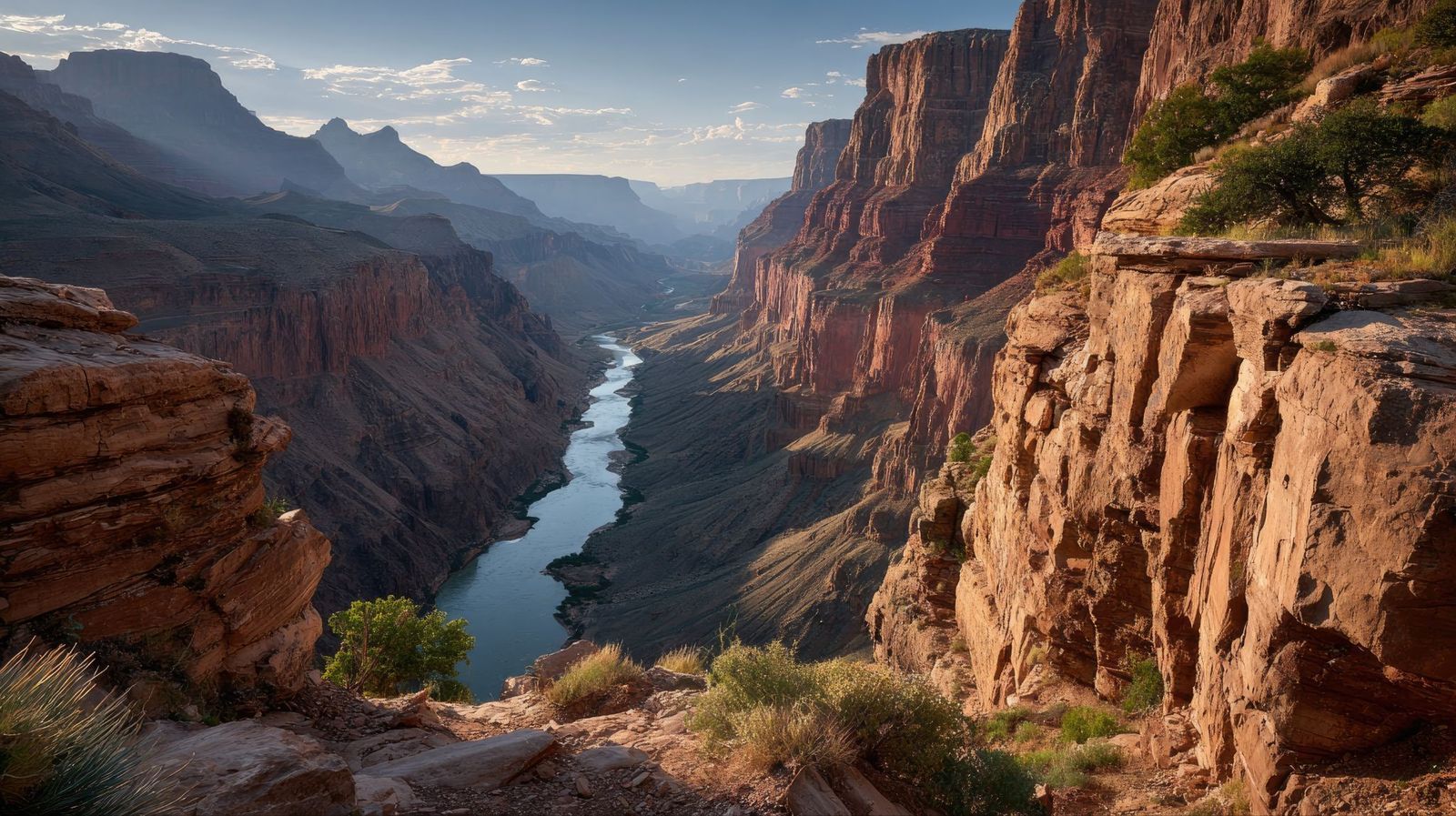
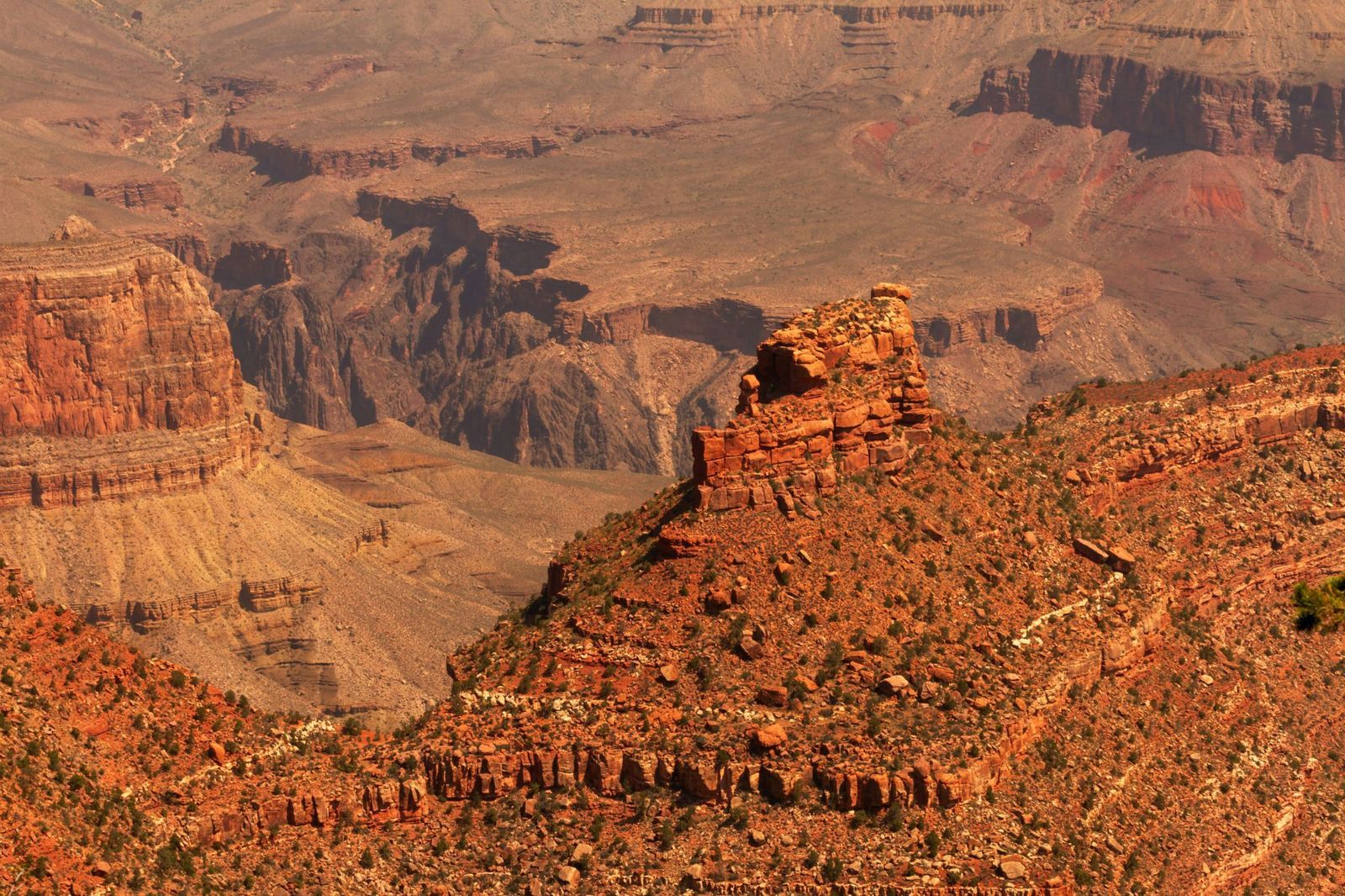
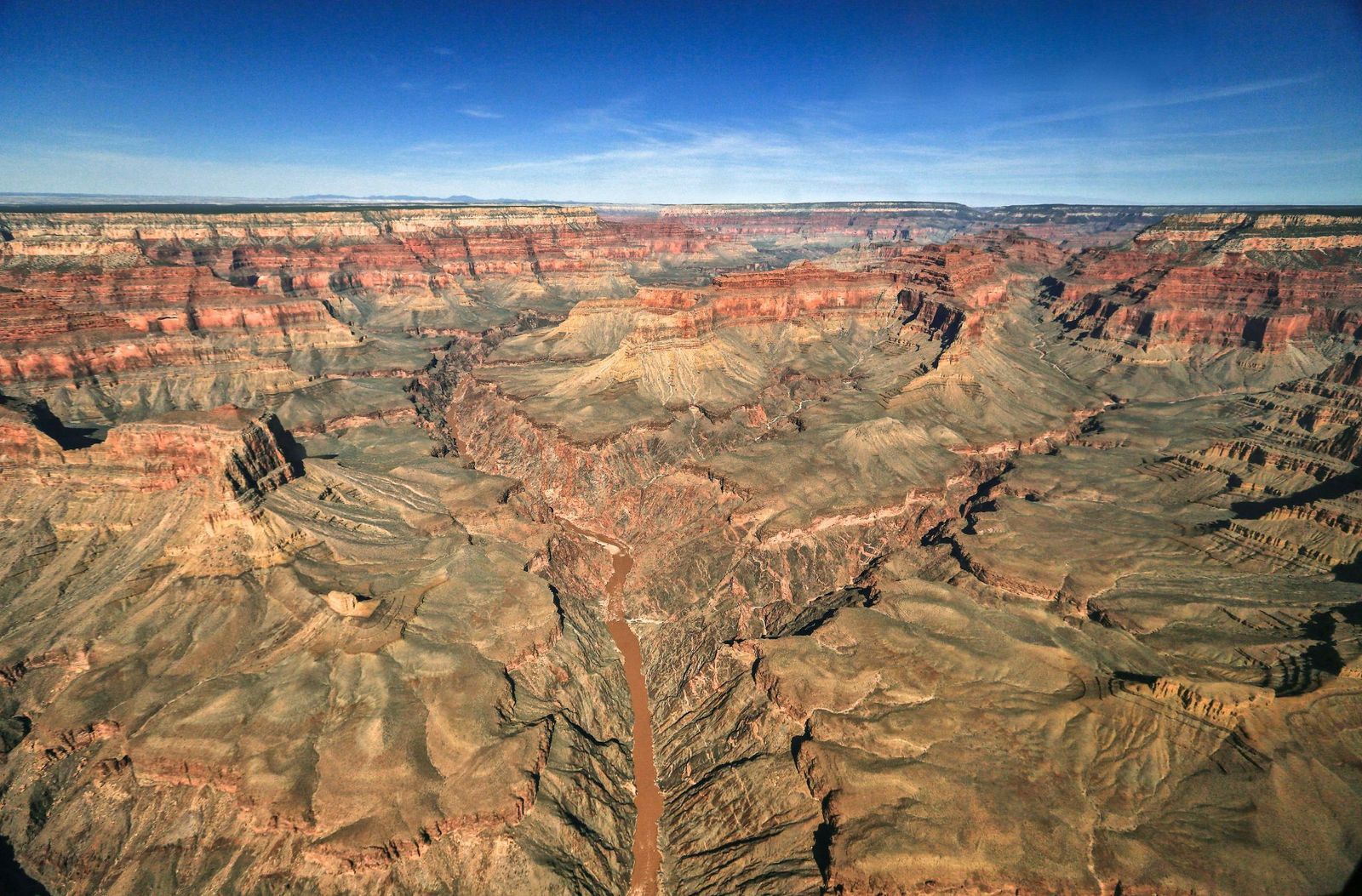
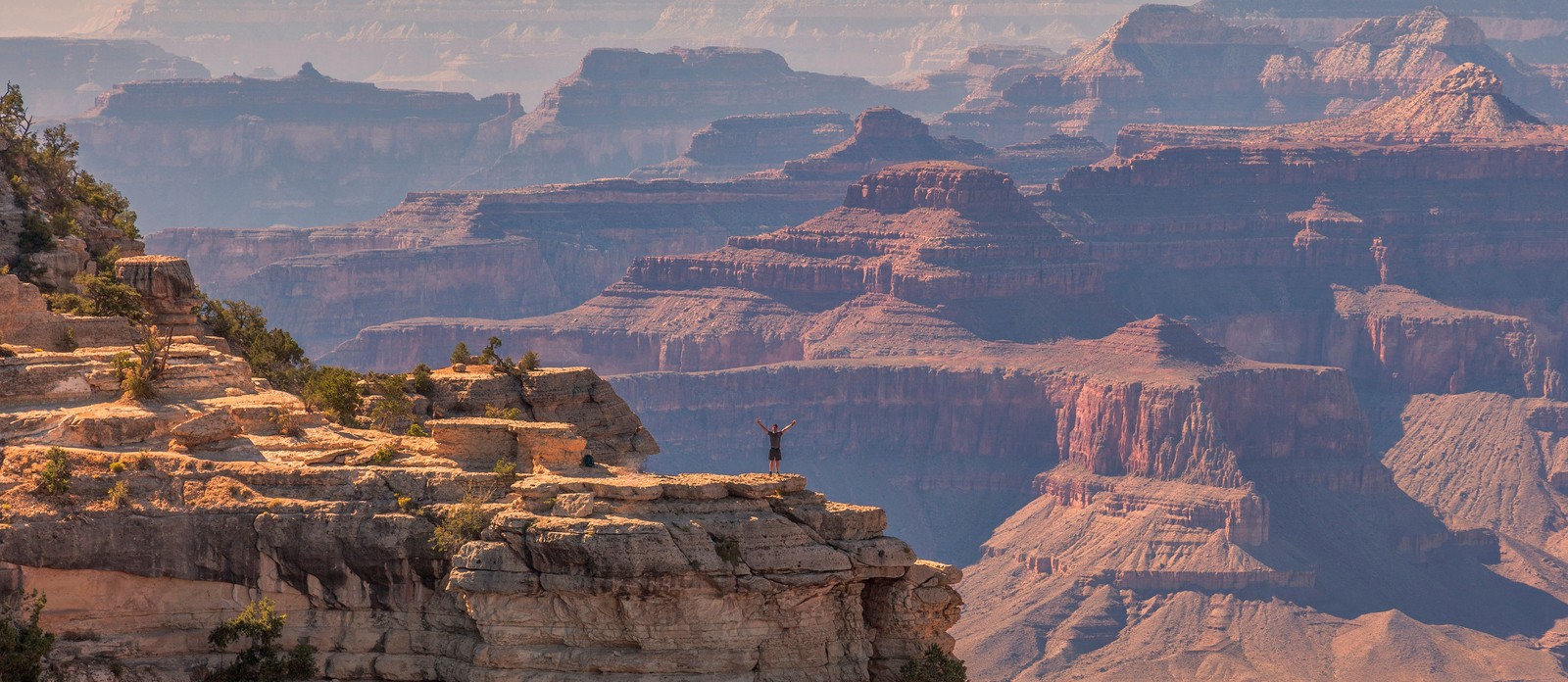
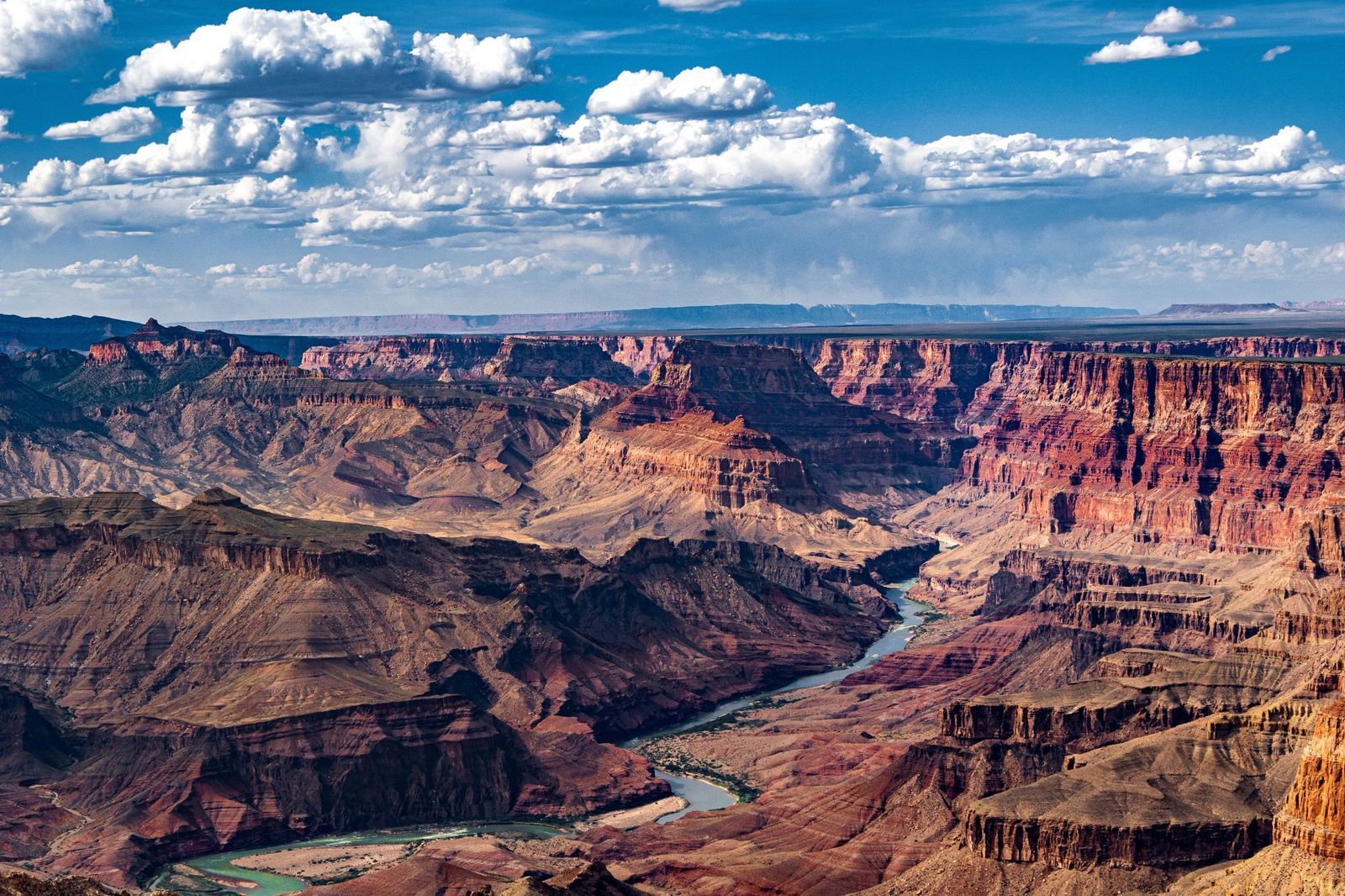
The Grand Canyon is bigger than Rhode Island. It's deeper than four Empire State Buildings stacked end to end. Its rocks are older than dinosaurs. But those stats alone don’t quite capture its immensity — and are hardly the most shocking. There are nuclear shelters, hidden villages, and billion-year mysteries involved. Read on to learn 10 lesser-known facts about the Grand Canyon.

1
There's an unexplained billion-year gap

Image: John Graybosch

Look closely at the canyon walls, and you'll notice something strange: a clean, sharp line where ancient rock simply stops, and a much younger layer begins directly above it.

This geological puzzle is called the "Great Unconformity," and it represents over a billion years of rock layers that are simply absent , as though that stretch of time never happened. In some spots, rock dated 1.8 billion years old sits directly beneath rock that is only 520 million years old. Where did the missing billion years go?

The leading theory involves the violent breakup of an ancient supercontinent, but scientists are still piecing it together.

2
During the Cold War, it hid a nuclear fallout shelter

Image: Lauri Väin from Tallinn, Estonia, CC BY 2.0, via Wikimedia Commons

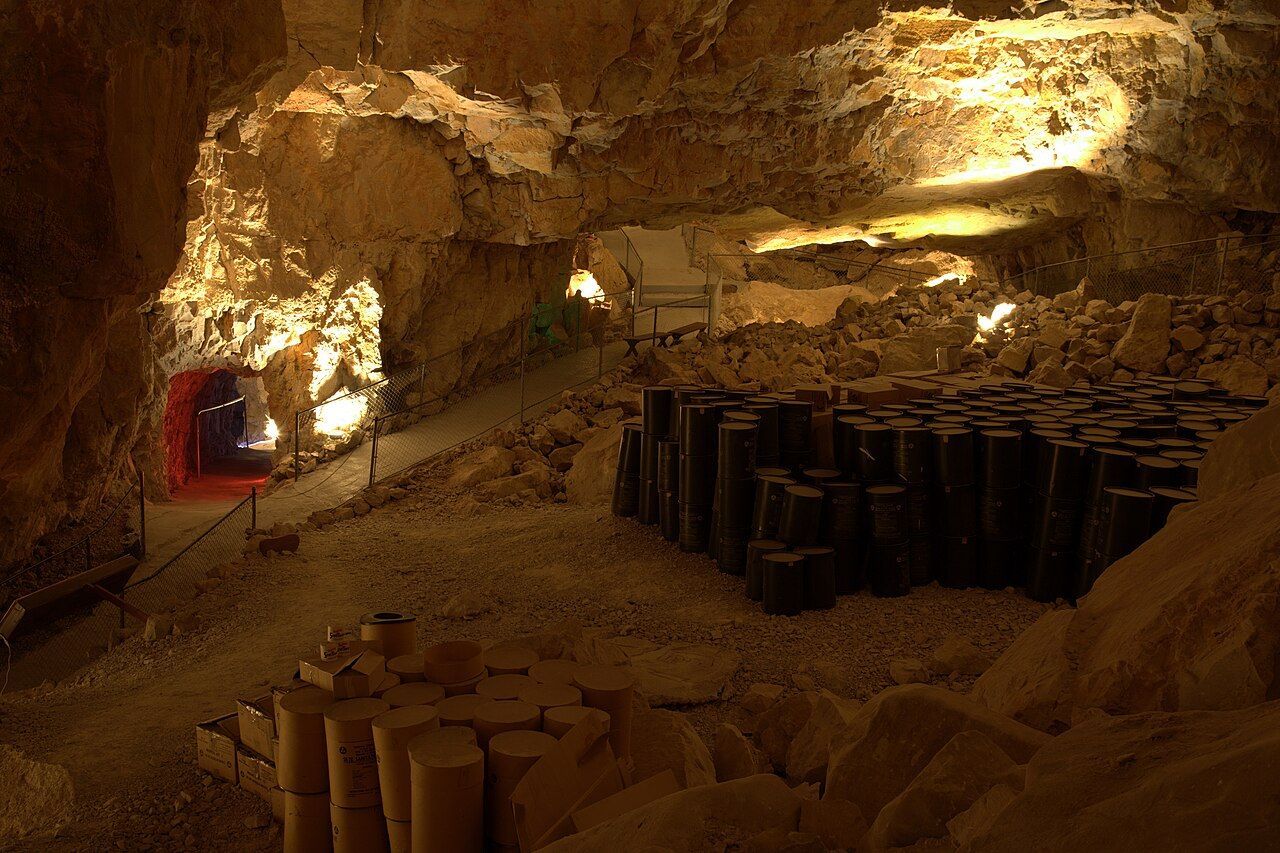
During the Cuban Missile Crisis in 1962, the U.S. government converted part of the Grand Canyon Caverns into a fallout shelter. This dry cave system, more than 200 feet underground, was stocked with enough food and water to sustain 2,000 people. Naturally, it was never occupied, and the supplies were never used.

The caverns have since been transformed into a tourist attraction, with organized tours winding through the same underground chambers that were once intended as a refuge from nuclear war. You can even book a night's stay there.

3
The Federal Aviation Administration was founded after a crash over the canyon

Image: Alexandre Henry Alves

In 1956, two commercial passenger planes collided in midair over the eastern Grand Canyon, killing all 128 people on board both crafts. Rescue teams struggled to reach the wreckage deep inside the canyon, and the extreme heat of the crash had caused the planes' aluminum to fuse with the bedrock. There were no survivors.

The disaster exposed a terrifying truth: the U.S. air traffic control system was dangerously outdated, relying on pilots' visual estimates and rough guesswork from controllers , with no way to separate fast-moving aircraft from slow ones, or instrument-flying planes from those navigating by sight. Congress responded by passing legislation that created both the Federal Aviation Administration (FAA) and the National Transportation Safety Board.

4
A hoax suggested that an Egyptian civilization had lived there

Image: abdurrohman dzar

In 1909, the Arizona Gazette reported that an explorer named G. E. Kinkaid had discovered a vast underground citadel inside the canyon, filled with artifacts linked to ancient Egyptian civilization. He even claimed the expedition had been funded by the Smithsonian.

This story described hieroglyphics on the walls, mummies in the chambers, and relics pointing to a direct connection with the Egypt of the pharaohs. It was incredibly detailed, and it was, of course, a hoax. No evidence for any of Kinkaid's claims ever surfaced.

5
Fewer than 100 people have ever hiked its full length

Image: Abhishek Navlakha

Among the few people who have completed the through-hike of the Grand Canyon is Jen Hogan, the first woman to accomplish it, finishing her journey in 2021–2022.

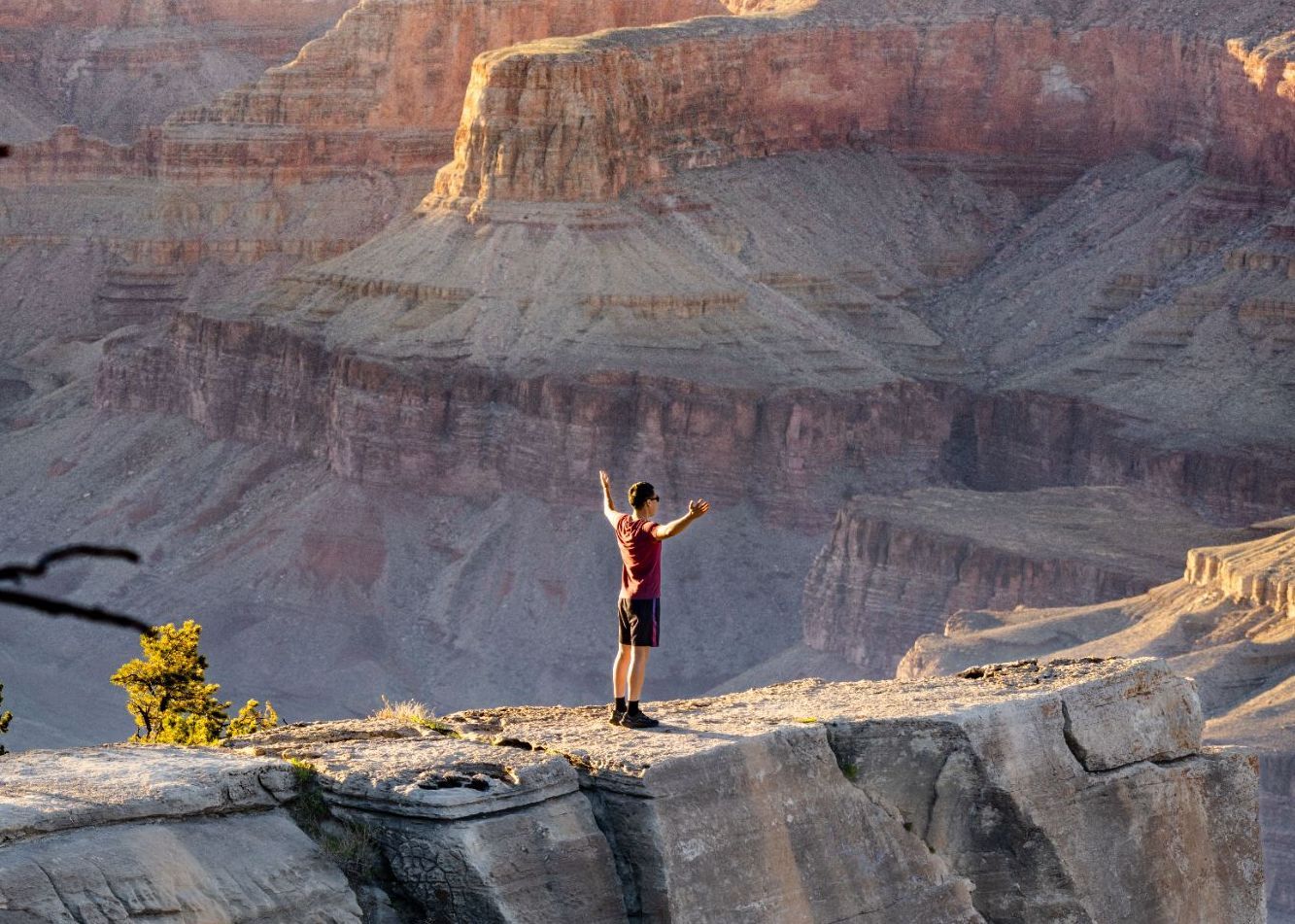
It’s a full 800-mile length below the rim. The route involves extreme heat, flash floods, near-impassable areas, and stretches with no water or trail whatsoever. Around 60 or 70 people have reportedly accomplished it. This makes it one of the most exclusive feats on Earth.

6
The Grand Canyon's rocks predate dinosaurs entirely

Image: MARIOLA GROBELSKA

Visitors scanning the canyon walls for fossils are often surprised to learn they won't find any dinosaur bones here. The rock layers of the Grand Canyon are simply older than dinosaurs. This fact alone can be shocking: staring at its walls means staring at marine fossils from as far back as 1.2 billion years ago. Some of its caves hold the remains of ancient mammals. The canyon is a window into a world that existed long before the dinosaurs, when the land that is now Arizona lay beneath a shallow sea.

7
The park is bigger than Rhode Island

Image: AussieActive

Numbers alone rarely capture the Grand Canyon's scale, so here's a different approach. Rhode Island covers about 1,214 square miles, and the Grand Canyon National Park spans 1,904 square miles.

The canyon's depth exceeds four Empire State Buildings (which is 1,454 feet) stacked on top of one another. That’s 6,093 feet at its deepest point.

8
But it's not the deepest canyon on Earth

Image: Naeemphotographer2

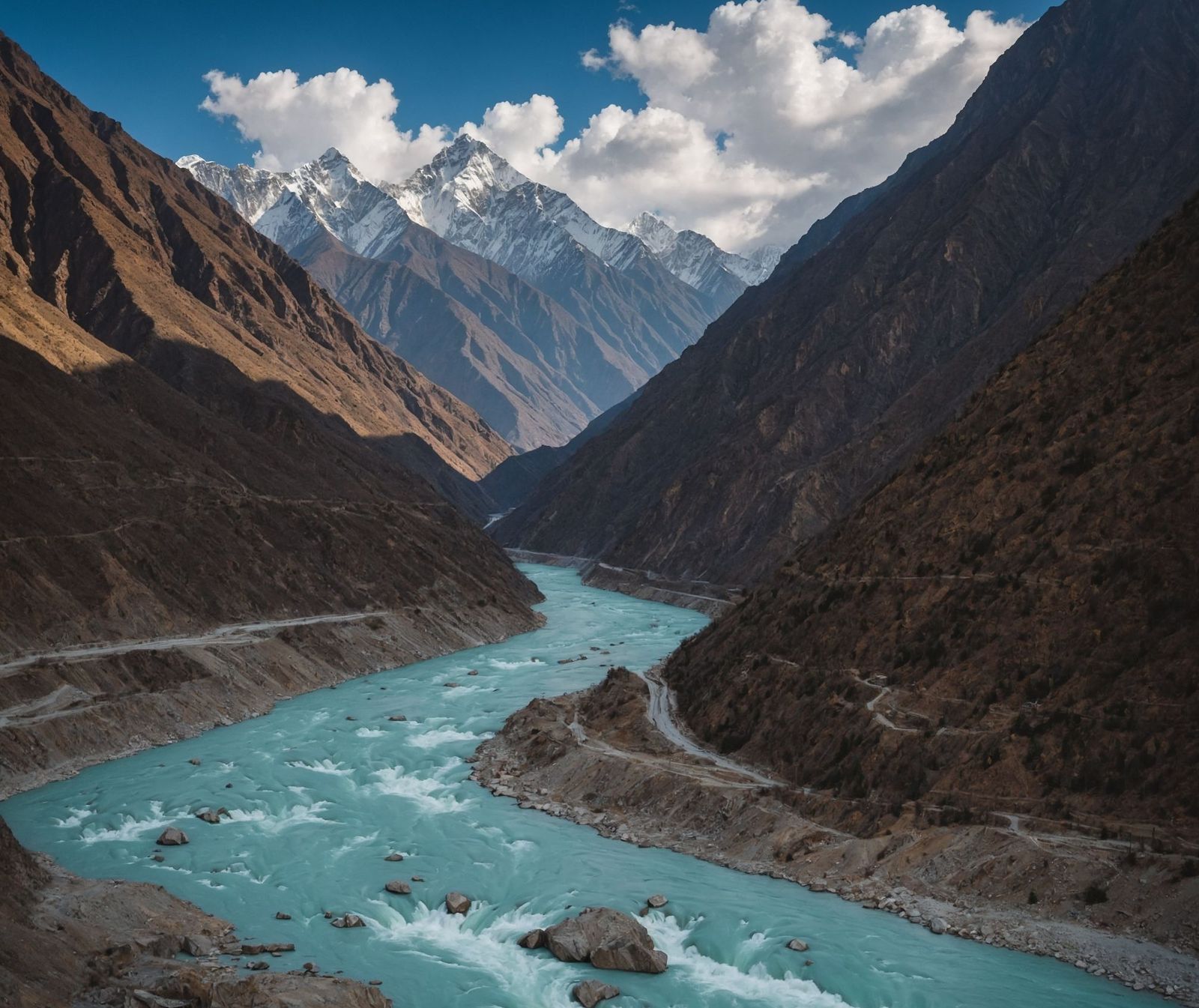
For all its grandeur, the Grand Canyon does not hold the depth record. Pictured above, the Yarlung Tsangpo Grand Canyon in Tibet, China, plunges to 17,567 feet, which is nearly three times deeper. Carved by the Yarlung Tsangpo River as it cuts through the eastern Himalayas, that canyon is so remote and extreme that it remained largely uncharted until the late 20th century.

9
It is home to a pink rattlesnake found nowhere else on Earth

Image: Alexander Wong

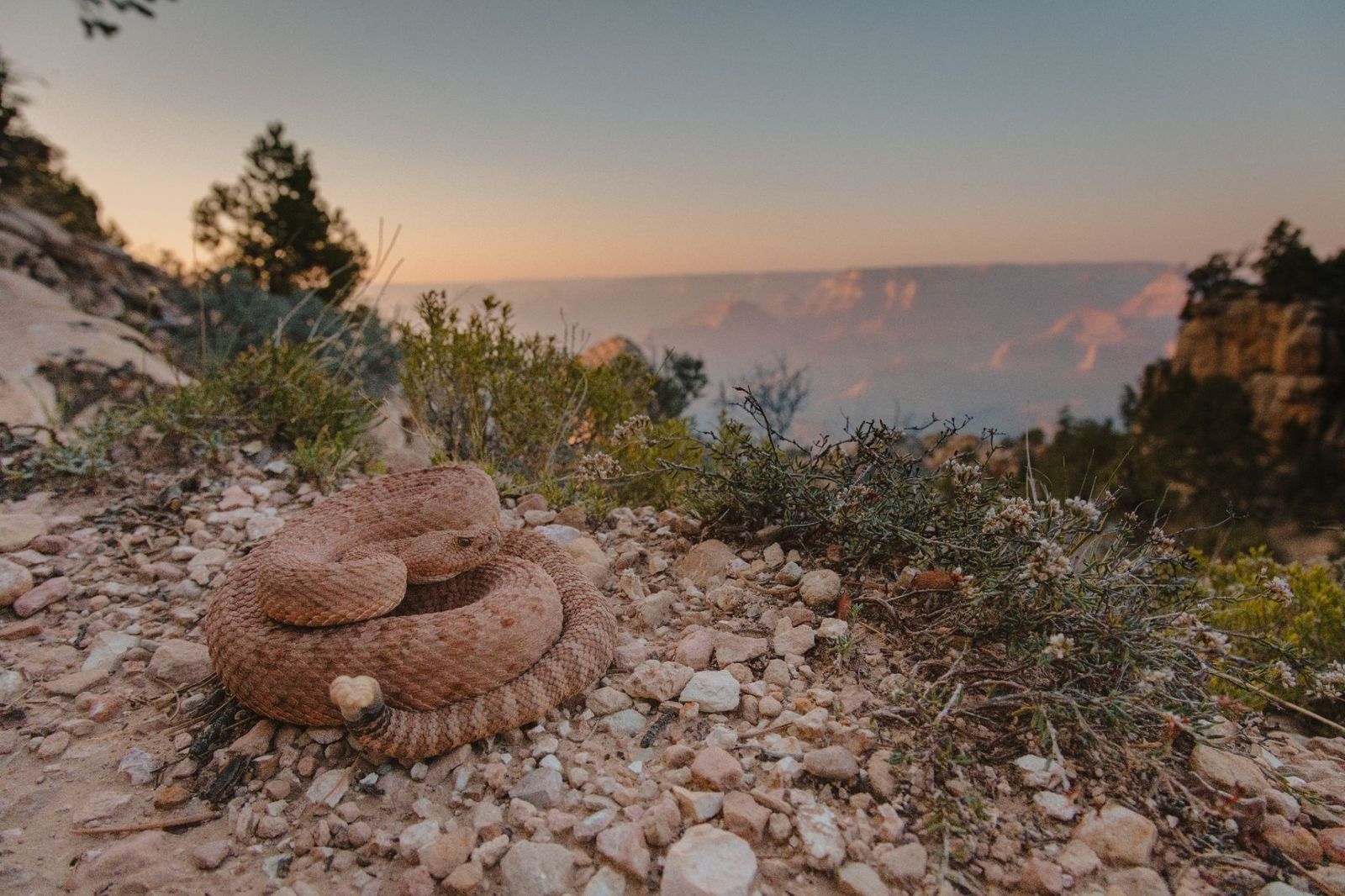
The Grand Canyon Pink Rattlesnake has a pinkish-red coloring that matches the canyon's own distinctive rock walls so closely that it's nearly invisible. It is found nowhere else in the world. Officially classified as Crotalus oreganus abyssus , it has darker diamond-shaped markings along its back that deepen the camouflage further.

10
There's a village at the bottom: Supai Village

Image: joojoob27

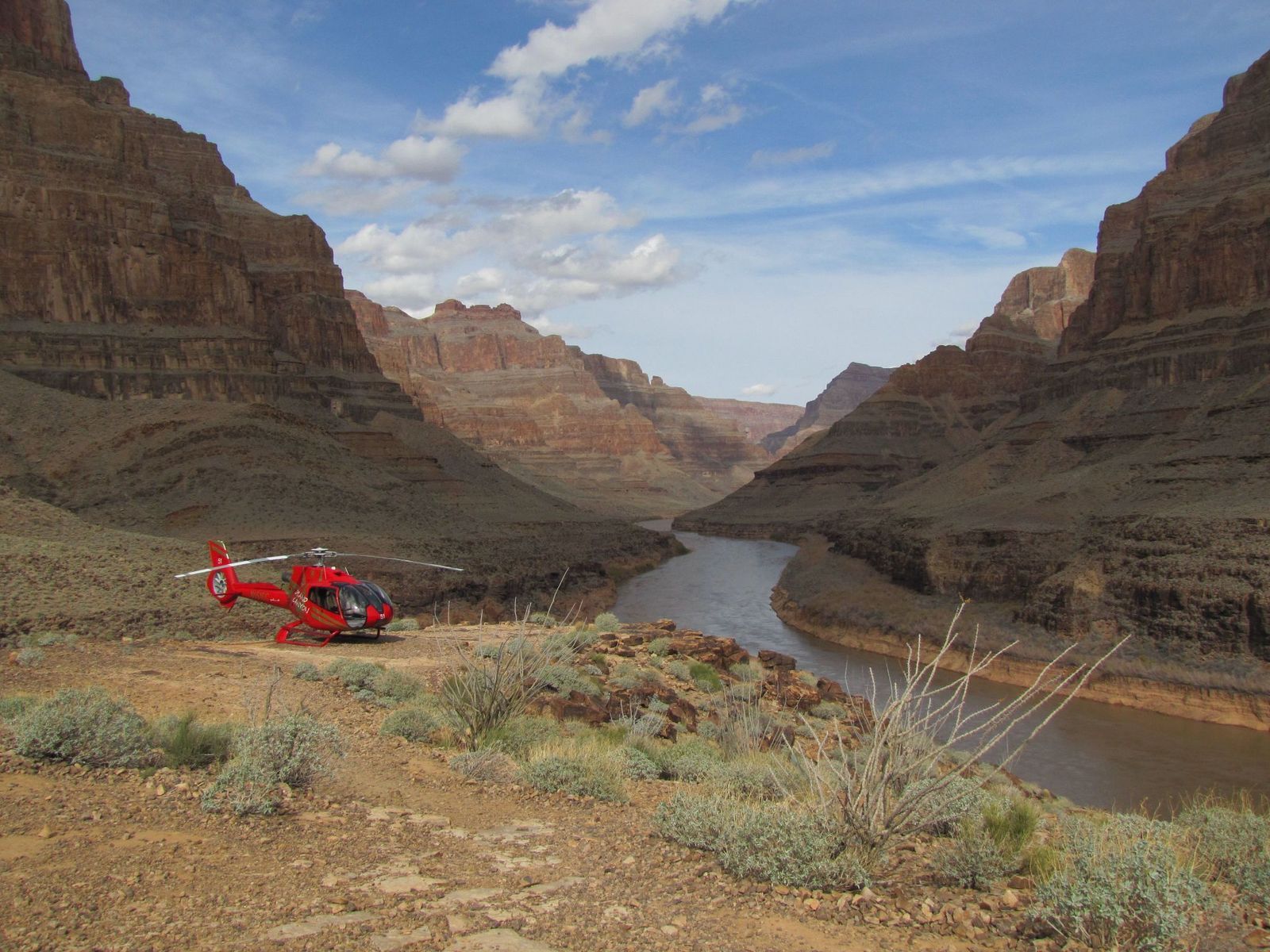
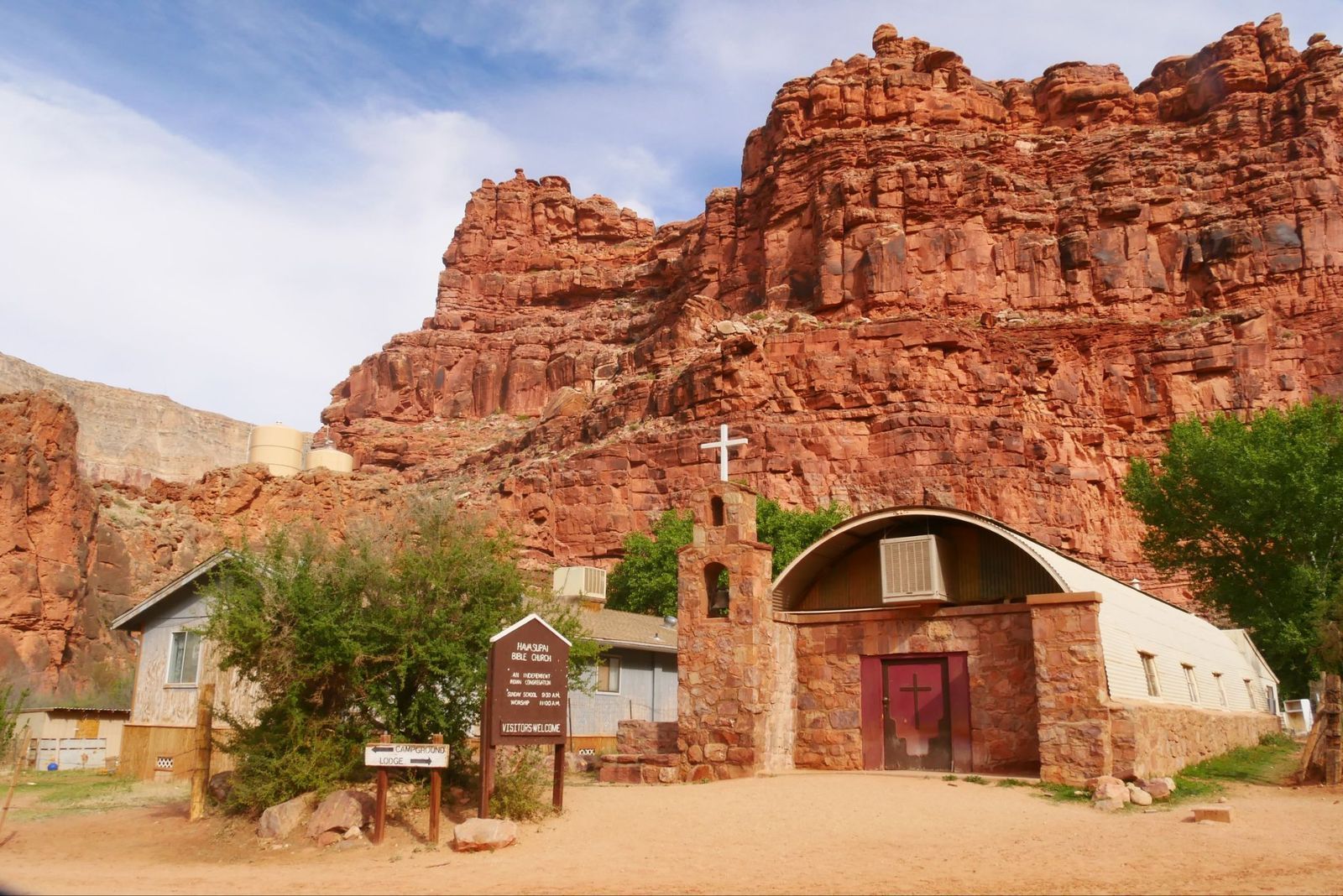
For over 1,000 years, the remote village of Supai has been home to the Havasupai Tribe, the People of the Blue-Green Waters. It is located an eight-mile hike from the rim, but sits roughly 3,000 feet deep inside the Grand Canyon.

The U.S. Department of Agriculture has called it the most remote community in the contiguous United States, and it has no automobiles and no road access. The only ways in are on foot, by mule, or by helicopter. It is also the only place in the United States where the postal service still delivers mail by mule train.

History History 3 min read

Lesser-known tales

California's Grizzly is extinct? 10 stories behind American symbols

Image: Fr. Daniel Ciucci

It’s one thing to be acquainted with American symbols, but it’s another to learn—years later—the unexpected, hidden stories behind them! Did you know that California’s subspecies of grizzly bear (yes, the one on the flag) has been extinct for over a hundred years ? Or that Texas’s state dish was allegedly invented by prisoners? Maybe you know some of the facts listed here—but we’re sure you don’t know them all!

1
California’s state animal is extinct

Image: Levi Meir Clancy

The California grizzly bear adorns the state flag, but you won’t find one in the wild anymore. Once abundant throughout the region, this was a subspecies of Grizzly also known as "California golden bear."

By the 1920s, this majestic animal had disappeared from the wild, but it has remained a powerful symbol of the state, featured on the flag since the Bear Flag Republic’s short-lived attempt to break from Mexico in 1846.

2
The American flag was (probably) designed by a teenager

Image: Sharefaith

In 1958, around the time Alaska and Hawaii were being added to the Union, an Ohio high schooler named Robert Heft stitched a 50-star flag for a class project . His teacher gave it a B–, scoffing that the brand-new design "lacked imagination."

However, not long after, Heft’s design was selected from thousands of submissions sent to President Eisenhower to determine the official flag. That teacher later changed the grade to an A.

3
Texas’s state dish may have been invented by prisoners

Image: Zak Chapman

Chili con carne is the Lone Star State’s official dish. While its exact origins are uncertain, some say that Texan prisoners in the 1800s were the minds who concocted the dish. According to this version, the stew—made with beans, thin strips of beef, and chili peppers—was the local equivalent of bread and water: a kind of Texan gruel .

4
Alabama's state nut was once a life-saver

Image: Antoni Shkraba

Pecans aren’t just Alabama’s official nut—they’re also symbols of resilience from the Depression era. When cotton crops failed in the 1930s, families turned to harvesting pecans to survive. The nuts became a form of currency , traded for goods, and even used to make mortgage payments. Today, Alabama produces over 30 million pounds annually.

5
The Star-Spangled Banner was once a drinking song

Image: JosephHershMedia

You may know that America’s anthem has a boozy British past. The melody originated as "To Anacreon in Heaven," a raucous 18th-century tavern tune sung by a London gentlemen’s club. A relative of Francis Scott Key noticed that his poem fit perfectly with the melody—and thus, the anthem as we know it was born.

6
The Great Seal almost had a turkey

Image: Roman Manshin

Can you imagine if the Great Seal of the United States featured not a mighty eagle, but a turkey? It was none other than Benjamin Franklin who proposed the turkey as America’s symbol, calling it " a bird of courage ."

Instead, he dismissed the bald eagle as "a lazy scavenger." Congress ultimately overruled him, but Franklin did have a point: turkeys are known to be fiercely protective.

7
The flag’s colors weren’t meant to mean anything—at first

Image: Jon Tyson

Red, white, and blue may seem deeply symbolic today, but in 1775, the Continental Navy chose them simply to match the British flag’s palette. A rebellious decision, if you think about it. The "valor, purity, justice" meanings were tacked on later by poets and politicians.

8
Is South Carolina’s flag really what it seems?

Image: Jaden Dessureault

South Carolina’s flag features a blue background with a palmetto tree and what appears to be a crescent moon. But there are stories that sustain that the silver symbol isn’t a moon at all —it’s a gorget, the curved neck armor worn by 18th-century soldiers. Historians have searched for records to back this theory, but no nods to gorgets have officially been found.

9
Colorado’s flag was once a confusing disaster

Image: Olga Kovalski

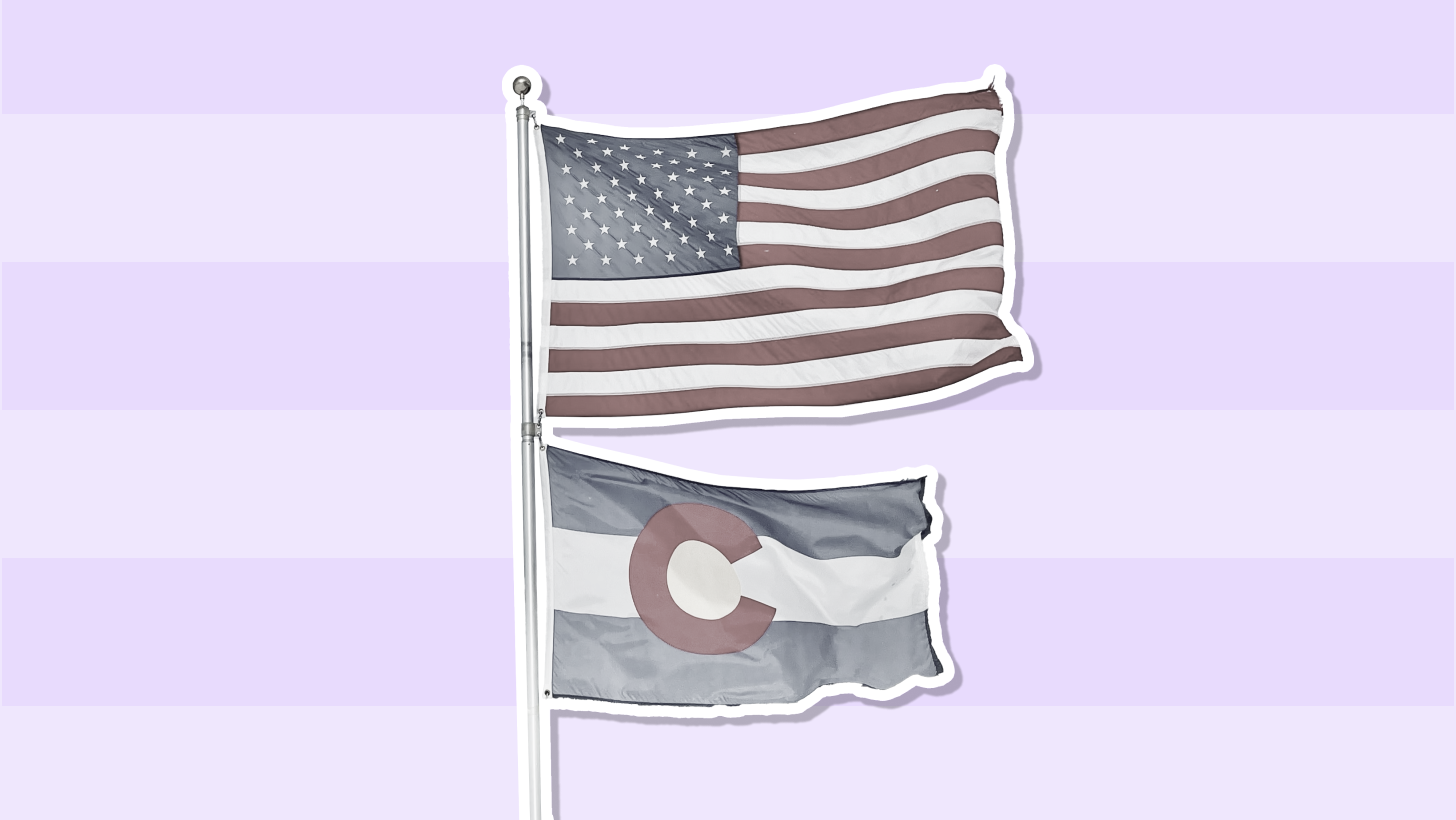
When Colorado unveiled its bold "C" design in 1911, it forgot one crucial detail: specifying which shade of blue to use for the background. For 26 chaotic years, flags fluttered in everything from pale sky blue to deep navy—until officials finally standardized the hue in 1937.

10
One of Illinois’ state symbols was chosen by… kids

Image: Peter Schad

Illinois’ state snack was chosen by the most powerful lobbyists of all: children. When a group of fourth graders learned their state produced a large portion of America’s popcorn , they launched a 2003 campaign so persuasive that lawmakers had no choice but to make it official.

Explore more American facts

Choose your favorite category!

General
General

As American as apple pie—the very best America has to offer!

Culture
Culture

Delve into the astounding richness of American lore.

Geography
Geography

Hop in and explore vast and diverse American landscapes.

History
History

Discover the key moments that shaped the United States.