Geography Geography 6 min read

Lights, cameras, cities!

Cities as movie characters: have you seen these 10 great examples?

Image: Teitur Hansen / Andrew Adams

Our country produces countless quality movies every year, drawing inspiration from a vast range of places, people, and events. One of the most classic sources of inspiration is the array of wonderful cities scattered across the nation. For example, Gone With the Wind wouldn’t be the same if set anywhere other than Atlanta, and the same goes for movies like Rocky , set in Philadelphia, or Casino , in Las Vegas. These movies take us on journeys through cities that are as much characters as the actors themselves. Let’s take a look at 10 films that are closely tied to the cities that inspired them.

1
Atlanta - "Gone with the Wind"

Image: Brad Huchteman

We can’t think of a film that captures the South quite like Gone with the Wind , can you?

In this sweeping epic that tells the story of love, war, and survival during the Civil War, Atlanta plays a crucial role as the backdrop for Scarlett O’Hara’s turbulent life and relationships, especially with Rhett Butler, played by the great Clark Gable.

The brilliance of the film and Scarlett’s story, iconically portrayed by Vivien Leigh, mirrors the history and transformation of Atlanta itself, a city that goes from bustling to ravaging due to war.

If you’re from Atlanta, cheer proudly—your city made it to the top of this list!

2
St. Louis - "Meet me in St. Louis"

Image: Chris Hardy

Some movies make us wonder: Which came first—the city’s popularity or the movie’s? In any case, we can’t deny that some movies and cities share equal popularity, regardless of which one started it. That is the case of Meet Me in St. Louis a charming, feel-good musical that transports us to turn-of-the-century St. Louis.

The film follows the Smith family as they experience love, heartbreak, and the excitement of the 1904 World’s Fair. The one and only Judy Garland stars as Esther, and her unforgettable performance of "Have Yourself a Merry Little Christmas" makes this film a holiday favorite. St. Louis shines as the backdrop, from the family’s cozy home to the city’s festive atmosphere, giving the story an old-fashioned warmth.

3
New York City - "12 Angry Men"

Image: Jason Briscoe

Movies that were inspired by The City that Never Sleeps? Well, that could be an article in itself. From The Godfather to Taxi Driver to Do the Right Thing , the list is truly endless. But for the sake of this article, we’ve committed to only one and that’s 12 Angry Men .

This classic courtroom drama follows twelve jurors as they decide the fate of a young man accused of murder. Set in the heart of New York City, 12 Angry Men contrasts the pressure and intensity of city life, against the claustrophobic jury room, where tempers flare. The cast is led by Henry Fonda, who plays a calm and reasoned juror who slowly persuades the others to see the case in a different light.

Much like living in this city, watching the film makes you feel every emotion possible!

4
Washington, D.C. - "All The President’s Men"

Image: Harold Mendoza

Washington, D.C., is the capital of our country, and when you think of it, you think of politics, prominent figures, and government matters. Combine that with the Watergate scandal—an event that shook America’s political class to its core—and you have the foundation for a compelling movie.

Based on a true story, All the President’s Men follows Washington Post journalists Bob Woodward and Carl Bernstein as they investigate political corruption at the highest level. Washington, D.C., serves as the backdrop to a story that offers a front-row seat to the unraveling of a presidency. Robert Redford and Dustin Hoffman deliver standout performances as the determined reporters who refuse to give up.

Washington, D.C., is the perfect setting for this high-stakes thriller.

5
Philadelphia - "Rocky"

Image: Jonathan Gong

"Every champion was once a contender who refused to give up," said Rocky, and with that, Philadelphia became forever associated with persistence, resilience, and, of course, boxing.

Philadelphia is inseparable from Rocky , the story of a down-and-out boxer who gets the chance of a lifetime. Sylvester Stallone stars as Rocky Balboa, whose iconic run up the steps of the Philadelphia Museum of Art is as legendary as the movie itself. The city’s blue-collar spirit is on full display, making it the perfect backdrop for Rocky’s fight for respect and glory. Philly becomes a symbol of perseverance, where dreams are chased, and grit is rewarded.

Honorable mentions: The Wrestler (2008), The Sixth Sense (1999), and Blow Out (1981) also showcase Philly’s diverse storytelling.

6
Miami - "Scarface"

Image: aurora.kreativ

What do you think of when you think of Miami? For us, it’s not just the beaches or the Everglades—it’s Tony Montana. And not because Miami is exactly dangerous, but because Scarface and its unforgettable anti-hero have been living rent-free in our minds ever since it premiered.

If you’ve seen it, you know it: this film takes us on a wild ride through the rise and fall of Tony Montana , played by Al Pacino in one of his most iconic roles.

As for the city, Miami—with its sunny beaches and drug-fueled underworld—serves as the perfect backdrop for Tony’s relentless climb to power. The city itself becomes a symbol of both opportunity and excess, where fast cars, palm trees, and glowing lights mask a darker reality. While we don’t think this is an accurate representation of this beautiful city, we can’t deny it was a supreme one!

7
Chicago - "Home Alone"

Image: Fineas Anton

Chicago has seen some incredible productions, from the namesake musical to _The Untouchables_—each capturing the spirit of this dynamic city in its own way. But since we’ve already discussed crime-related films, let’s dive into comedy. And if we combine Chicago and the comedy category , nothing beats Home Alone .

In the movie, we follow Kevin, a kid left behind in the city while his family heads off on a holiday trip. Alone and loving it, Kevin, played by Macaulay Culkin, soon has to defend his home from two not-so-bright burglars, portrayed by Joe Pesci and Daniel Stern.

The cozy suburban setting is perfectly snowy and festive, making it feel like the ultimate holiday getaway. Well, that is if you can ignore the burglars!

8
Detroit - "True Romance"

Image: Alex Brisbey

Movies that mention Elvis Presley? Yes, please! This movie has action, an Elvis fan, and a great city—Detroit—and we have Quentin Tarantino to thank for it.

True Romance takes viewers on a wild ride through Detroit, following Clarence, played by Christian Slater, and Alabama, played by Patricia Arquette, as they try to outrun the mob.

The streets of Detroit and the industrial vibe of the city perfectly match the film’s fast-paced, chaotic energy. It’s a Tarantino film, one is expecting this kind of rhythm.

It’s a love story wrapped in a crime drama, with a dash of dark humor and a lot of action. The Motor City isn’t just a backdrop, we can consider it a character that adds to the rawness of the film.

9
San Francisco - "Mrs. Doubtfire"

Image: Josh Hild

10

San Francisco has that heartwarming spirit, and the story of a father who would do anything for his kids perfectly matches that vibe—it’s highly relatable, don’t you think?

In Mrs. Doubtfire , we follow Robin Williams although he’s not in his usual clothes. He dresses up as an elderly British woman, Mrs. Doubtfire, to work as a nanny and stay close to his kids.

The hilly streets of the City make it a perfect background for all the shenanigans going on in the family. From the classic foggy mornings to the iconic scene on the Golden Gate Bridge, the movie takes us around San Francisco with a perfectly matched playful spirit.

11
Las Vegas - "Casino"

Image: David Lusvardi

Quite appropriate, don’t you think? When you think of Vegas, you think of card games, gambling, a nice drink in your hand, and a comfortable hotel to return to.

In the movie Casino, we are taken into the neon lights and dark underbelly of Las Vegas, where the lives of casino operators and the mob intertwine . Directed by Martin Scorsese, the film stars Robert De Niro, Sharon Stone, and Joe Pesci in a dazzling, dangerous story about power, money, and, of course, betrayal.

Las Vegas, with its unique and vibrant spirit, is the perfect setting for this story in which stakes are high and risks even higher. Have you watched it?
General General 4 min read

Not all fun and games

Who were the least-liked presidents in the history of the US?

Image: Sora Shimazaki

Becoming President of the United States is a tremendous honor, but it's not always a bed of roses. For one reason or another, quite a few who made it to the Oval Office weren't exactly well-liked or left office with reputations that are, at best, debatable. Historians haven’t overlooked Herbert Hoover’s inaction during the Great Depression, just as the public hasn't forgotten Nixon's role in the Watergate scandal. Join us as we take a look at 10 presidents often considered among the least popular in American history!

1
Richard Nixon (1969–1974)

Image: History in HD

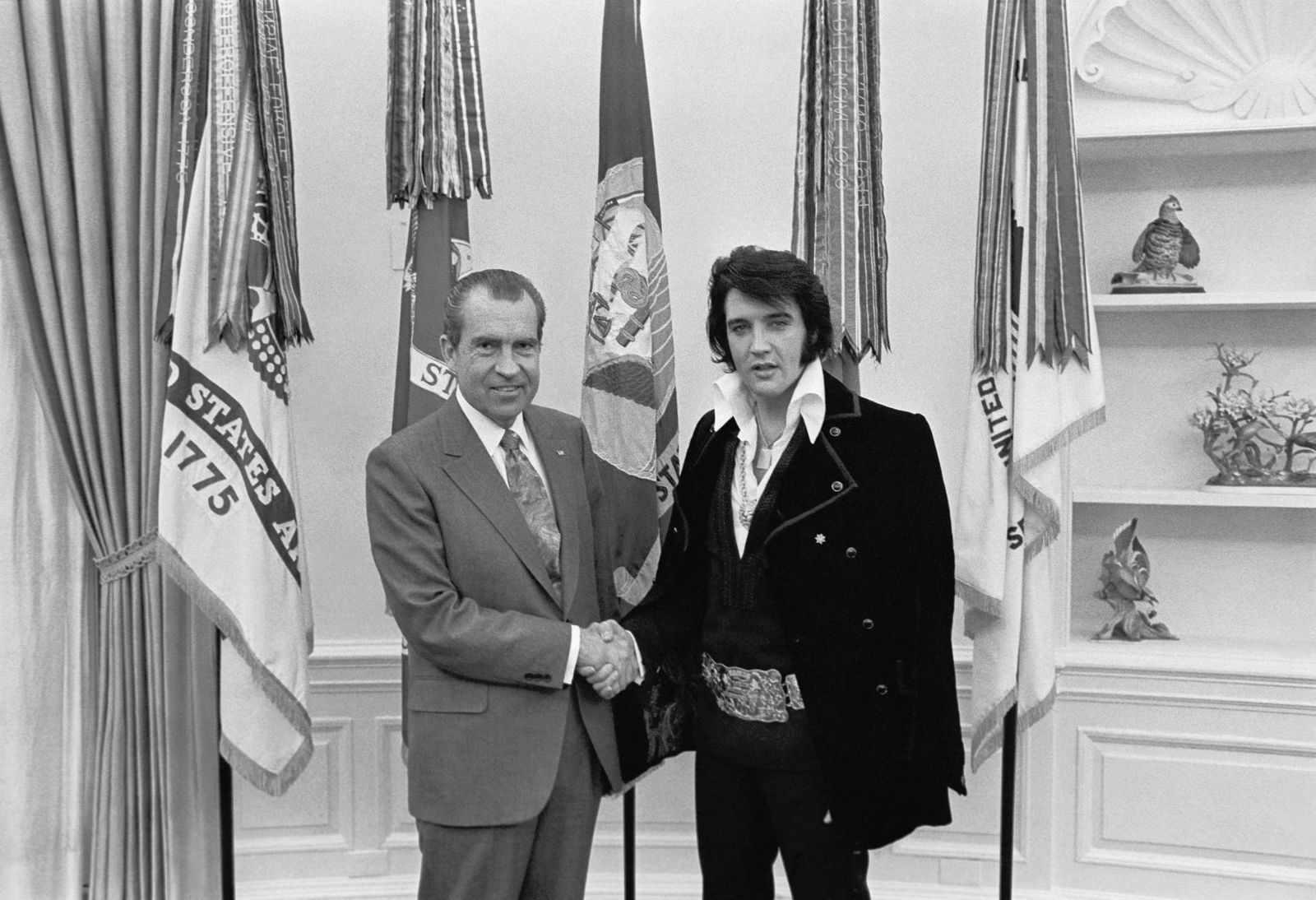
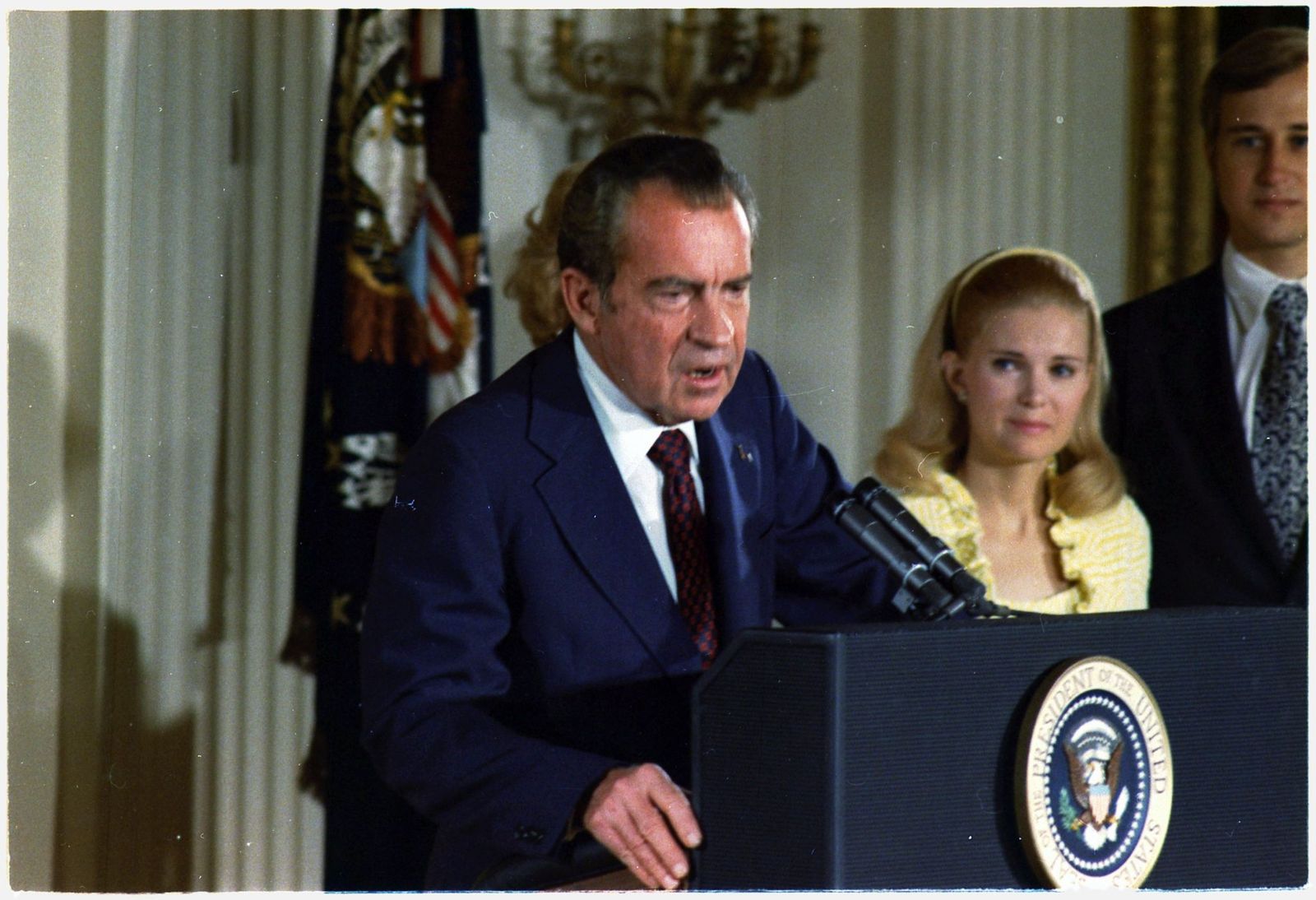
One of the most controversial presidents in US history, Richard Nixon, led the country from 1969 to 1974. Although it's true that Nixon was indeed popular for his foreign policy achievements before the Watergate scandal, his involvement in that unforgettable episode forced him to resign, making him the first and only US president to step down from office.

2
Herbert Hoover (1929–1933)

Image: Tomasz Zielonka

Judging a president goes beyond assessing their decisions: a lack of empathy for the people they serve can be just as damaging. Herbert Hoover was president when the Great Depression began, following the stock market crash of October 1929. He maintained a largely hands-off approach that was harshly criticized as inadequate and led many to see the president as out of touch with the suffering of Americans.

3
Ulysses S. Grant (1869–1877)

Image: Library of Congress

Ulysses S. Grant, the 18th US President, was a polarizing figure. As a Union general, he played a crucial role in securing victory during the Civil War. However, during his presidency, there were several scandals related to corruption that affected his image negatively, both during his time in office and for many years afterward.

4
Andrew Johnson (1865-1869)

Image: Library of Congress

After Abraham Lincoln's assassination, Andrew Johnson served as the US president from 1865 to 1869, just six weeks after becoming Lincoln's vice president. It was a critical period in American history, and he is remembered for opposing many Reconstruction efforts . He even vetoed several key congressional initiatives, including the Civil Rights Act of 1866, though Congress overrode many of his vetoes. In 1868, Johnson became the first US president to be impeached.

5
James Buchanan (1857-1861)

Image: Library of Congress

Often ranked among the least popular presidents, James Buchanan led the nation during a period of deep internal division, just before Abraham Lincoln took office. Despite the growing tensions, he chose to stay out of the conflict. He's most often criticized for his inaction as Southern states began seceding from the Union and making only minimal efforts to prevent the Civil War.

6
Chester A. Arthur (1881–1885)

Image: Library of Congress

Some presidents aren't necessarily considered unpopular because of any specific scandal or failure, but rather they simply went unnoticed. One such figure is Chester A. Arthur, who served as president from 1881 to 1885 after the assassination of James A. Garfield. Although many historians view him as a capable and reform-minded leader, Arthur remains one of the most overlooked presidents in US history.

7
Warren G. Harding (1921–1923)

Image: Library of Congress

Warren G. Harding, the 29th President of the United States, is often regarded by historians as an ineffective leader. Although Harding himself wasn't directly involved, corruption scandals implicating members of his administration along with his inaction in response to them–did the most damage to his reputation and legacy.

8
Millard Fillmore (1850–1853)

Image: Pixabay

Millard Fillmore, who served as US president from 1850 to 1853, is widely criticized for decisions that deepened national divisions , most notably his signing of the Fugitive Slave Act. The law inflamed tensions in an already fractured nation, pushing the country even closer to civil conflict.

9
John Tyler (1841–1845)

Image: Joanna Kosinska

In 1841, John Tyler became the first vice president to assume the presidency following the death of a sitting president. His assumption of office was unexpected even for himself–and his frequent clashes with Whig Party leaders didn't help his image among voters. In fact, he was expelled from the party while still in office. To make matters worse, years after his presidency, Tyler sided with the Confederacy during the Civil War.

10
Zachary Taylor (1849–1850)

Image: Library of Congress

Zachary Taylor became the 12th President of the United States in 1849, but his sudden death in July 1850 meant his time in office lasted only 16 months. While he isn't necessarily disliked, he's less remembered, partly because of his short time in office.

General General 3 min read

Iconic façades

Can you recognize these architectural styles that were used in America?

Image: Eugene Kucheruk

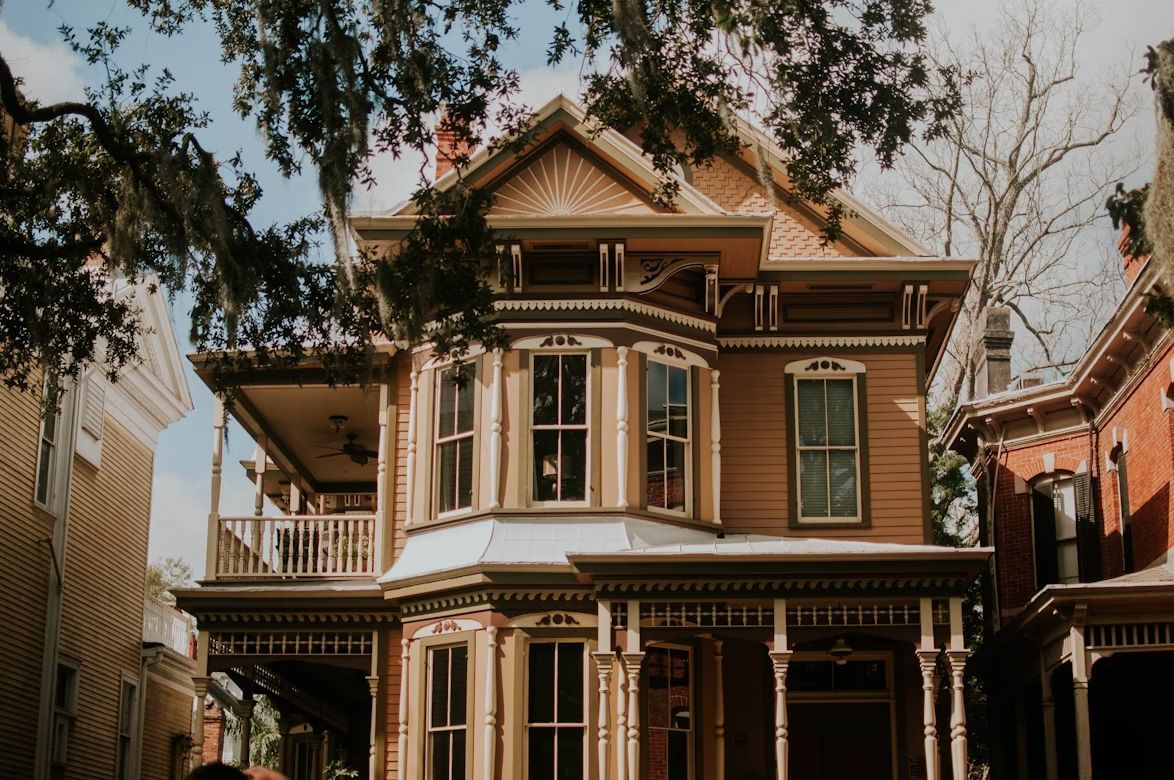
When you picture America’s most famous buildings , you’re also looking at a time in history. Taste, identity, and ambition all became written in stone, wood, and steel. Many eras in America left their mark in distinctive styles, from classical Greek Revival to playful Art Deco. Let’s look at famous façades from around the US and what they say about the times that built them!

1
Federal Style

Image: Khay Edwards

It emerged after the American Revolution. The Federal style gave the young nation its first distinctly American architectural voice. You can recognize it for its symmetry, fanlights above doors, delicate columns, and Palladian windows.

Famous examples include the Massachusetts State House in Boston and early townhouses in Washington, D.C.

2
Greek Revival

Image: Wilmer Olano

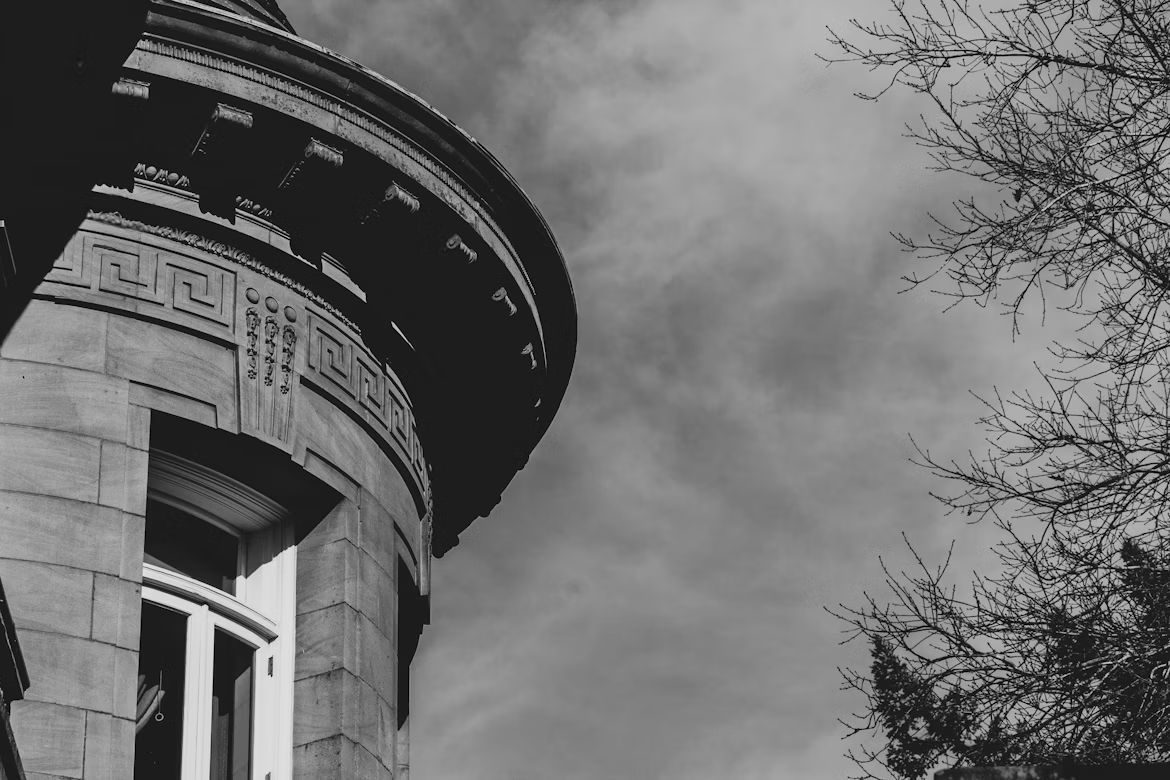
The U.S. Capitol is a hallmark example of the Greek Revival style. In the early 19th century, Americans embraced this design as a symbolic nod to democracy , borrowing the grandeur of ancient temples.

Tall Doric or Ionic columns, triangular pediments, and white-painted façades became common in courthouses and banks.

3
Gothic Revival

Image: Joseph Barrientos

Pointed arches, steep gables, and intricate wooden trim turned homes and churches into miniature medieval castles. The Gothic Revival style brought a romantic, storybook quality to American landscapes in the mid-1800s.

New York’s Trinity Church is a famous example of this style’s grandeur.

4
Italianate

Image: Nikhil Mistry

By the mid-1800s, Italianate houses became a staple in American cities, drawing from the romantic look of Italian villas. They feature low-pitched or flat roofs, wide eaves with ornate brackets, and tall arched windows.

San Francisco’s "Painted Ladies" rowhouses are iconic examples. This style was rooted in European design, but it flourished in the U.S. as an urban favorite for middle-class families.

5
American Craftsman

Image: Sieuwert Otterloo

Born from the Arts and Crafts movement, the Craftsman style celebrated simplicity , natural materials, and honest workmanship. Low-pitched gabled roofs, exposed beams, wide porches, and built-in furniture became trademarks.

Pasadena’s Gamble House is one of the best-known examples.

6
American Foursquare

Image: Praswin Prakashan

Practical and no-nonsense, the American Foursquare dominated neighborhoods from the 1890s through the 1930s. Its hallmark was a simple boxy shape with four rooms per floor, a wide front porch, and a hipped roof with a central dormer.

Chicago and Midwestern towns saw countless examples rise quickly thanks to mail-order kits from Sears. It became the quintessential "everyman’s house."

7
Prairie School

Image: WOKANDAPIX

Frank Lloyd Wright and his contemporaries pioneered the Prairie School, reshaping American architecture at the turn of the 20th century. Its designs emphasized horizontal lines, low-pitched roofs, open interiors, and harmony with the landscape.

Wright’s Robie House in Chicago is a textbook example. The style was deeply tied to the Midwest, reflecting its wide, flat horizons.

8
Mission Revival

Image: Jim Witkowski

Inspired by California’s Spanish missions , Mission Revival emerged in the late 19th century with stucco walls, red tile roofs, arches, and bell towers. Iconic examples include the Mission Inn in Riverside, California, and numerous railway hotels in the Southwest.

It became especially popular in California and the Southwest for homes and public buildings.

9
Art Deco

Image: William Wachter

Though the Art Deco style was born in France, some of the world’s most famous representative buildings stand in America. The details of New York’s Chrysler Building are a clear example, with sleek, geometric forms, vertical emphasis, and stylized ornamentation.

The Empire State Building and the Miami Art Deco District are other remarkable examples.

10
Ranch

Image: Brian Wangenheim

The Ranch style spread across postwar suburbs, focused on casual, single-story living with long, low profiles and open floor plans. Large windows and sliding glass doors connected indoor spaces to backyards.

Classic examples appear throughout California, such as Eichler homes in the Bay Area.

Explore more American facts

Choose your favorite category!

General
General

As American as apple pie—the very best America has to offer!

Culture
Culture

Delve into the astounding richness of American lore.

Geography
Geography

Hop in and explore vast and diverse American landscapes.

History
History

Discover the key moments that shaped the United States.