General General 4 min read

Which tradition is your favorite?

From Groundhog Day to roadkill cookoff: 12 weird traditions in America
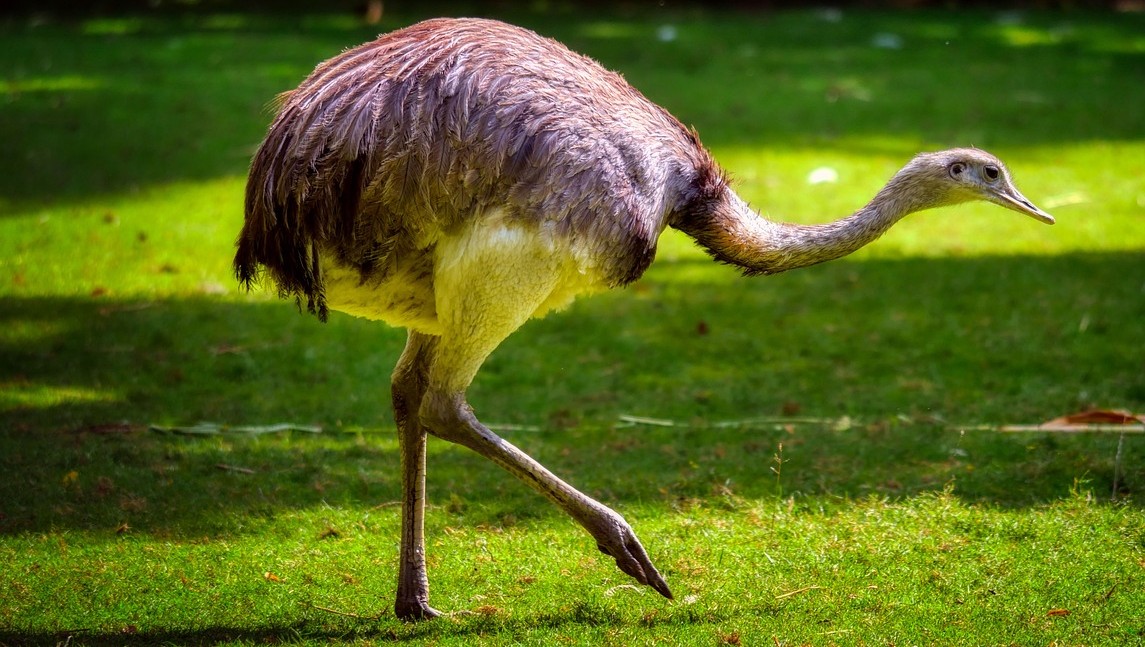
Image: fietzfotos

America is known for its bold personality, and that spirit shows up in some quirky traditions. From competitive eating contests to cherry pit spitting, and those perfectly posed (and sometimes hilariously awkward) holiday family cards, there's no shortage of ways people across the country celebrate and have fun. Do you participate in any of these 13 traditions?

1
Competitive eating
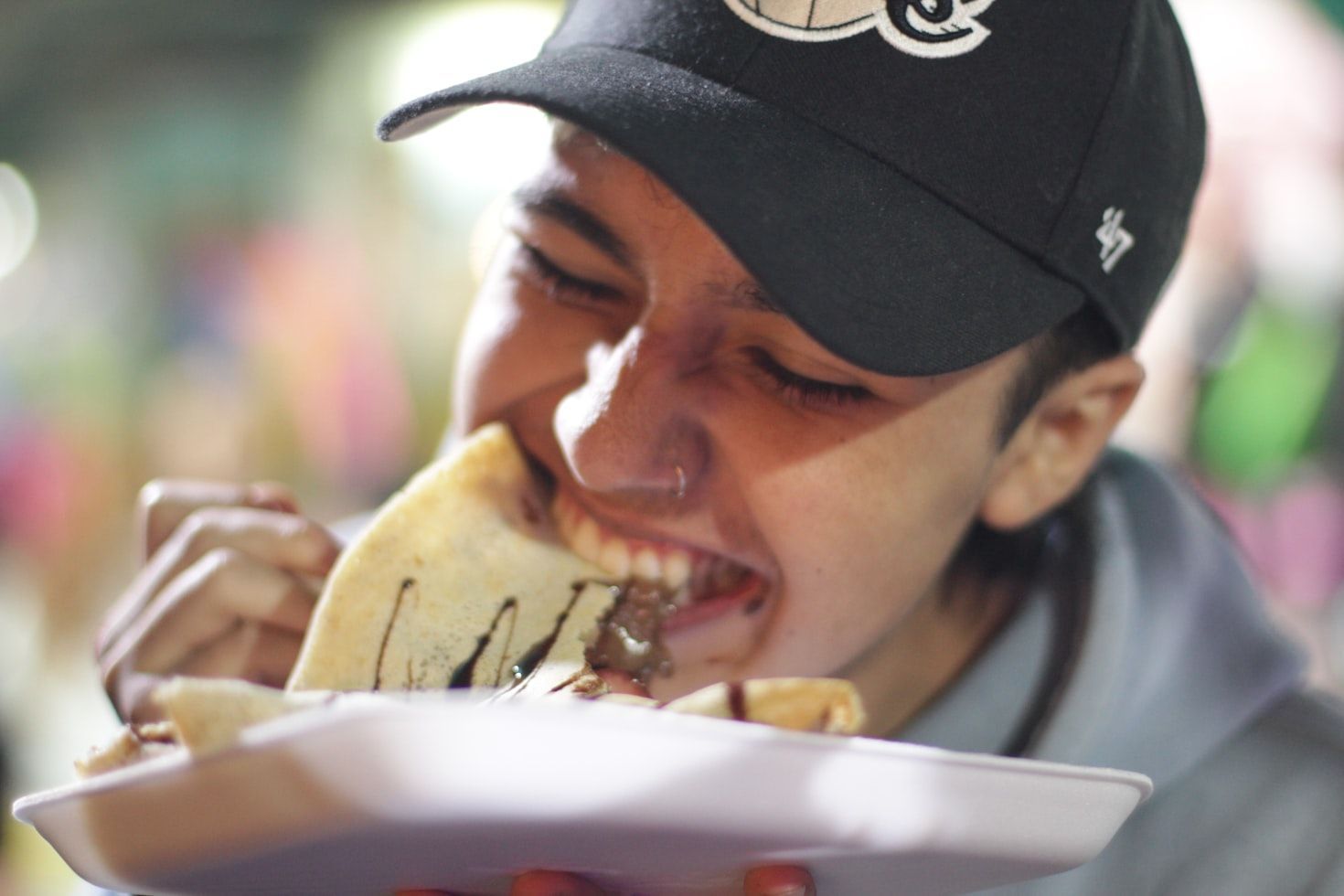
Image: Gigi

Nathan’s Famous claims to have hosted its first Fourth of July hot dog-eating contest in 1916 at Coney Island. According to legend, four immigrants took part to prove who was the most patriotic . The winner, an Irishman, downed 13 hot dogs to claim the title.

Though this origin story was likely an invention for publicity, this quirky event has grown into the beginnings of what would become a long-standing American tradition.

2
Turkey pardoning
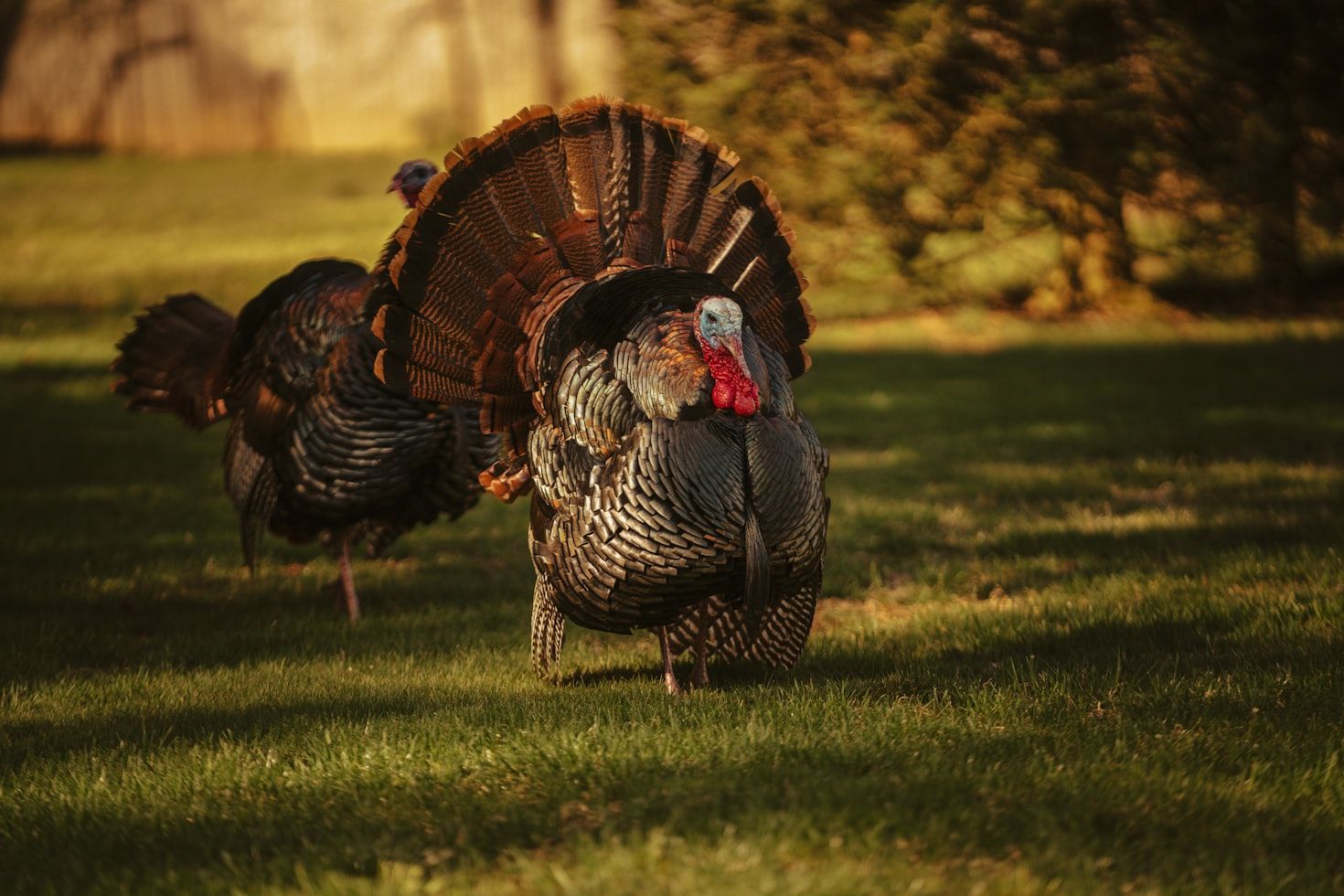
Image: Tyler Donaghy

The tradition of pardoning a turkey dates back to 1863, when President Abraham Lincoln reportedly spared a bird after his son Tad begged for its life . Originally meant for Christmas dinner, the turkey was saved thanks to Tad’s compassion.

While a few later presidents, including Harry Truman and John F. Kennedy, also chose to spare turkeys, it wasn’t until 1989 that President George H.W. Bush made the turkey pardon an official White House tradition.

3
Groundhog Day
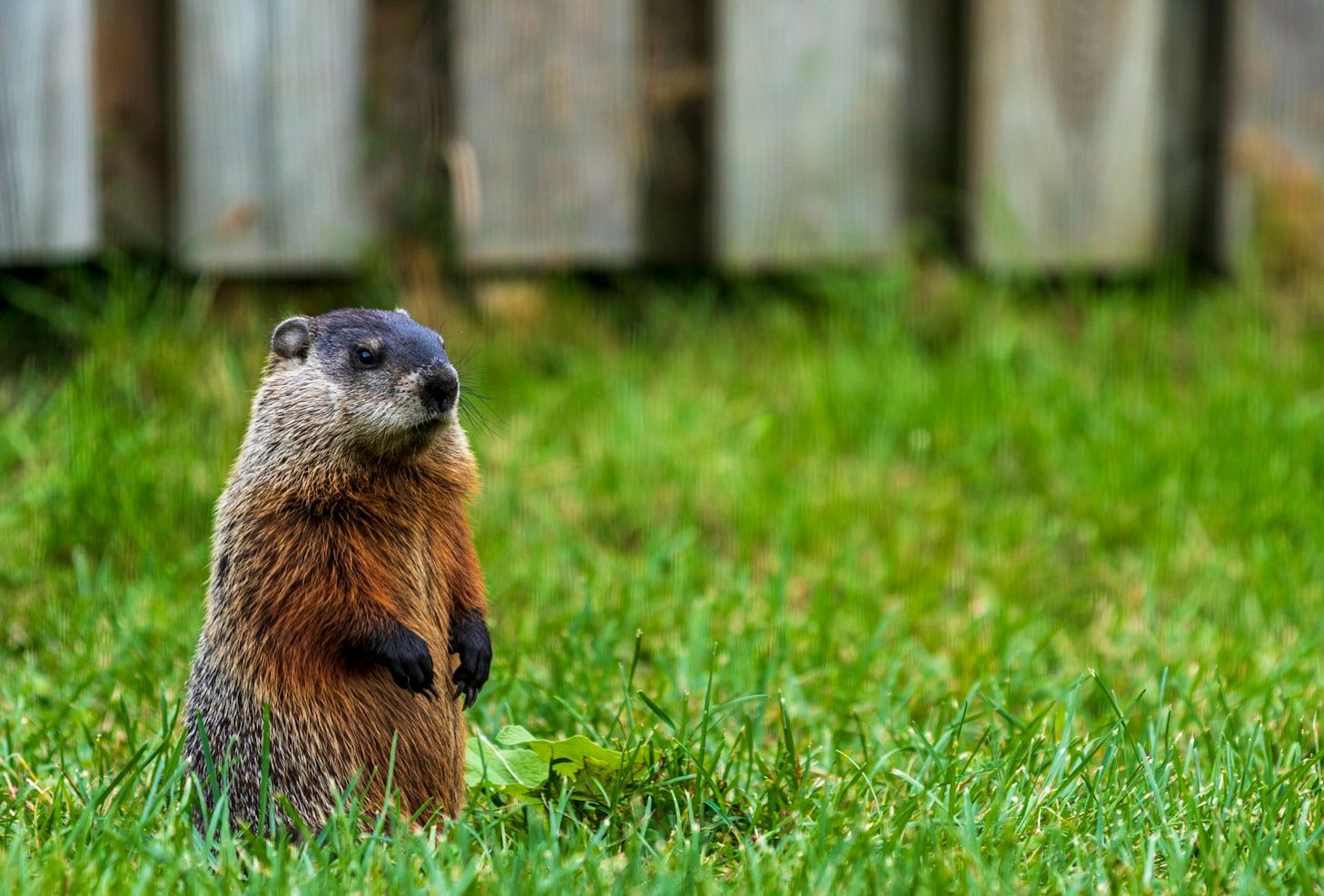
Image: Camerauthor Photos

Groundhog Day centers around a groundhog named Punxsutawney Phil , who is said to predict the weather each February 2nd . If Phil sees his shadow, it signals six more weeks of winter; if not, spring is supposedly on its way.

The tradition began when newspaper editor Clymer Freas pitched the idea to the Punxsutawney Groundhog Club in the late 1800s. Despite its popularity, Phil’s weather predictions have only been accurate about 39% of the time, according to the National Climatic Data Center.

4
Pickle-shaped ornaments on Christmas trees
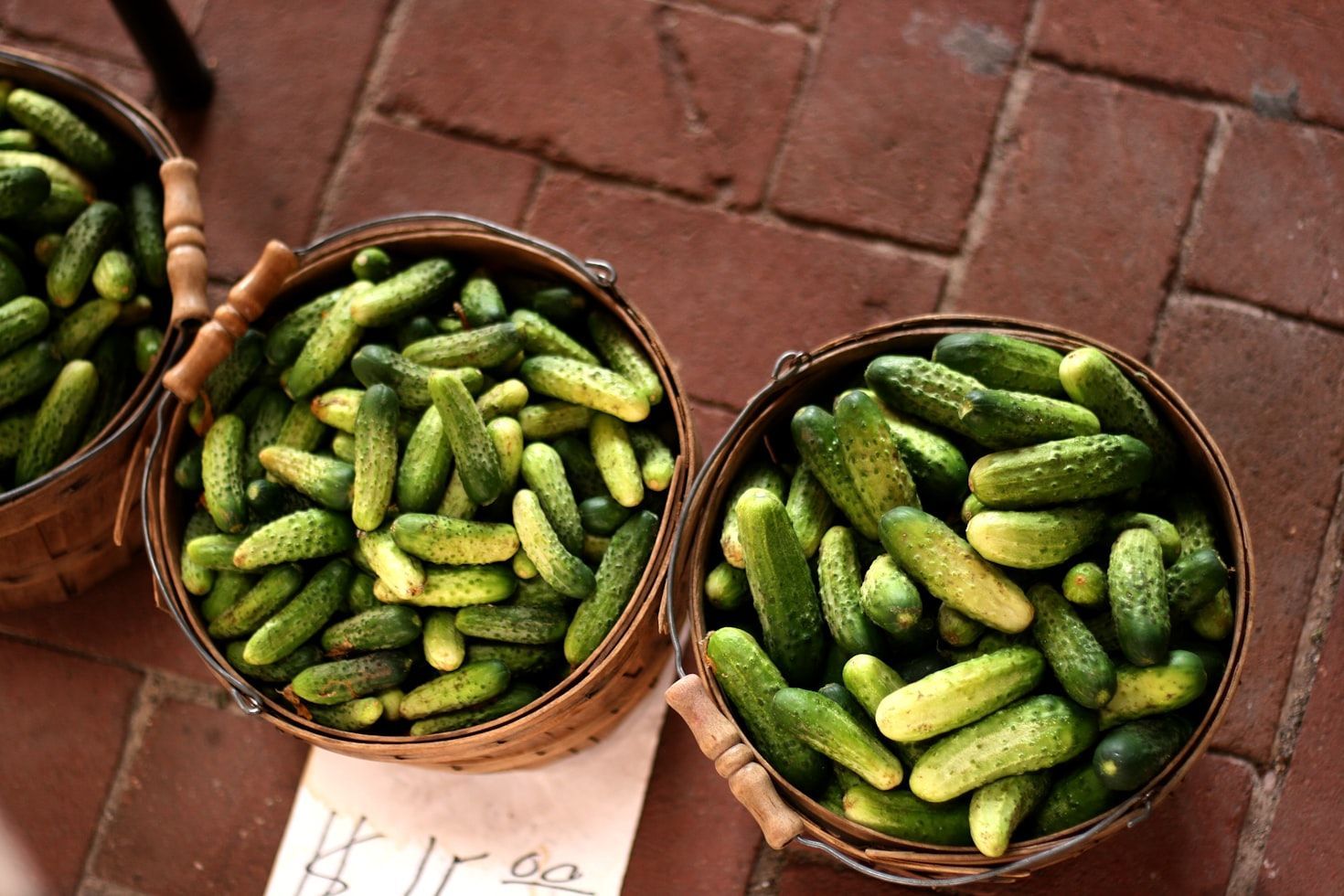
Image: Drew Geraets

The Christmas pickle tradition is believed to have started as a clever marketing move by Woolworths. After receiving a large stock of pickle-shaped ornaments , the store invented a festive game to help sell them.

They encouraged families to hide the pickle in their Christmas tree, with a small prize going to whoever found it first. What began as a sales tactic eventually became a quirky holiday tradition in many American homes.

5
Alaska's Nenana Ice Classic

Image: Ariane Frei

The tradition began in 1917, when a group of railroad engineers placed bets on when the ice on Alaska’s Nenana River would break . They wagered a total of $800, trying to predict the exact date, hour, and minute of the thaw.

What started as a friendly bet turned into an annual event known as the Nenana Ice Classic. Today, it’s a major Alaskan tradition that draws thousands of participants each year—and offers a jackpot that can exceed $300,000.

6
Cherry pit spitting
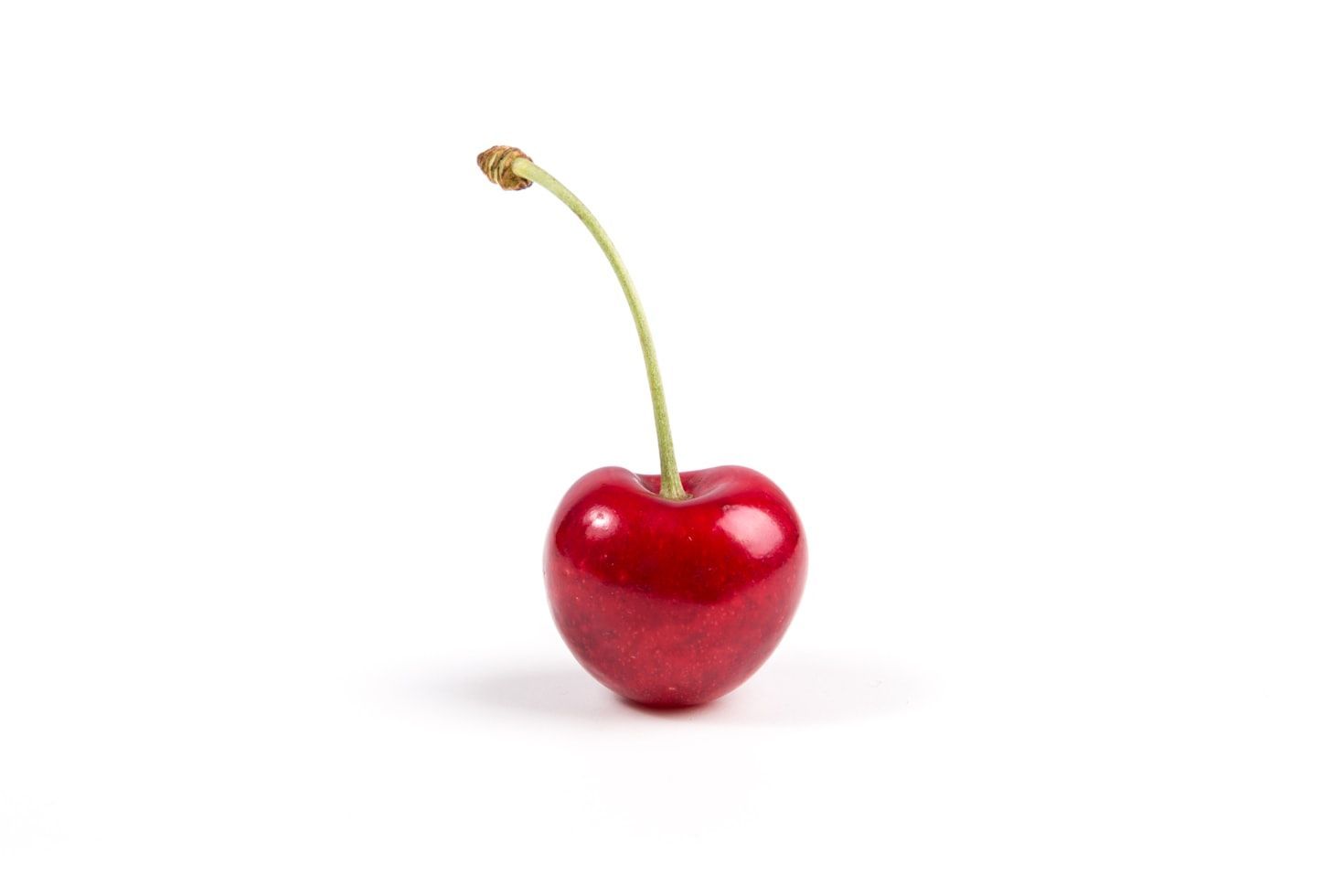
Image: Quaritsch Photography

During cherry season, cherry pit spitting contests pop up across the U.S., inviting participants to launch pits as far as they can —or even try to hit specific targets. These contests are famously held at events like the International Cherry Pit Spitting Championship in Eau Claire, Michigan, which began in 1974.

It’s a lighthearted test of skill that draws crowds in search of classic summer fun.

7
Tailgate parties
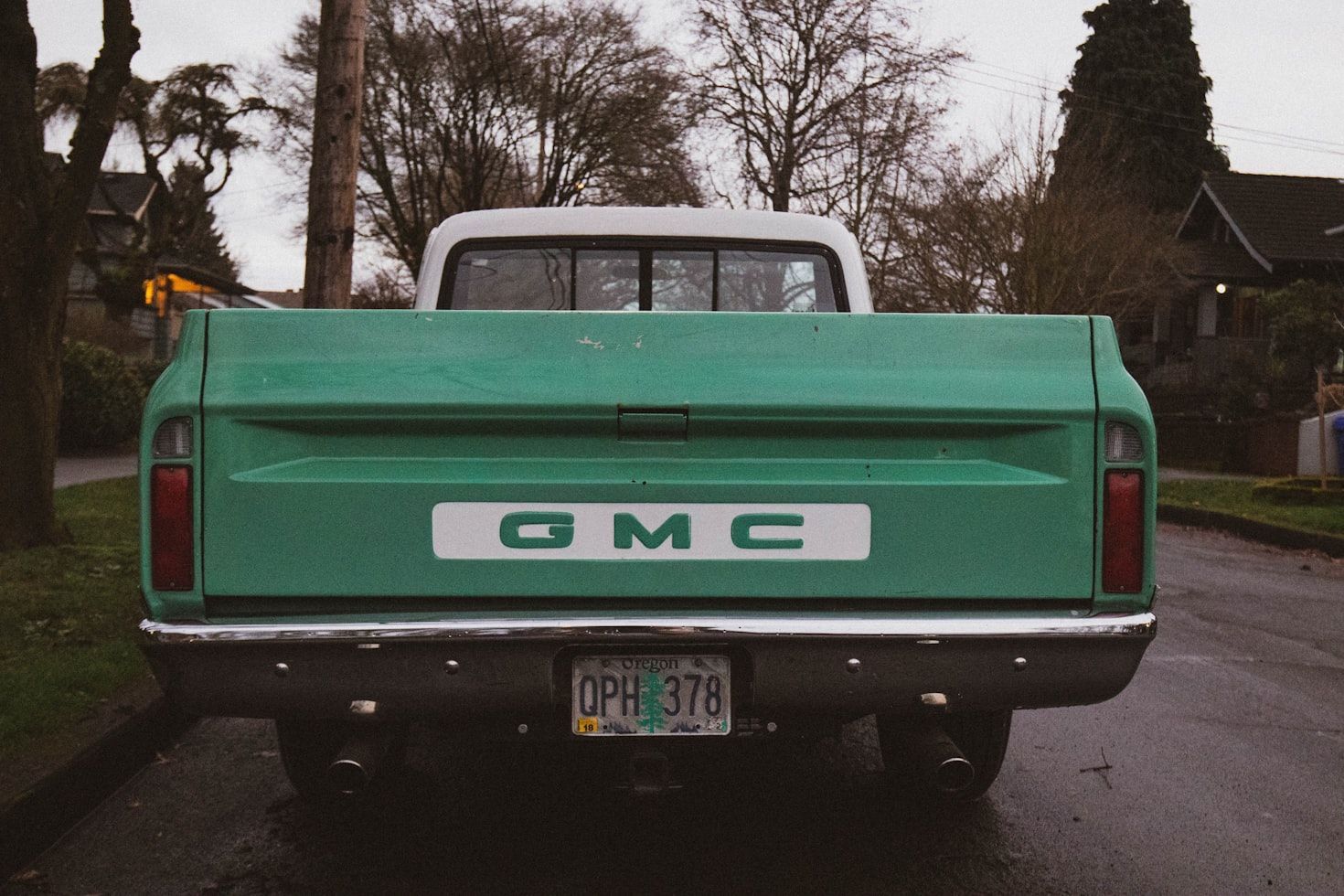
Image: Zachary Keimig

For many American sports fans—especially at football games—just attending isn’t enough. Hours before kickoff, parking lots fill with fans decked out in team colors , grilling food , and enjoying drinks as part of the pregame ritual known as tailgating.

Some tailgaters go all out, bringing TVs, sound systems, and even satellite dishes to create the ultimate game-day setup.

8
Black Friday shopping spree

Image: Erik Mclean

Just hours after Thanksgiving feasts wrap up, millions of Americans shift into shopping mode for Black Friday. This massive retail event kicks off a weekend spree that also includes Small Business Saturday and Cyber Monday—newer traditions that have quickly gained traction.

9
Holiday family cards
Image: Community Archives of Belleville and Hastings County

One beloved holiday tradition in the U.S. is sending and receiving festive family photo cards . These often feature coordinated outfits and include a short update on the family’s highlights from the past year—even from people you may barely remember.

10
Ostrich racing
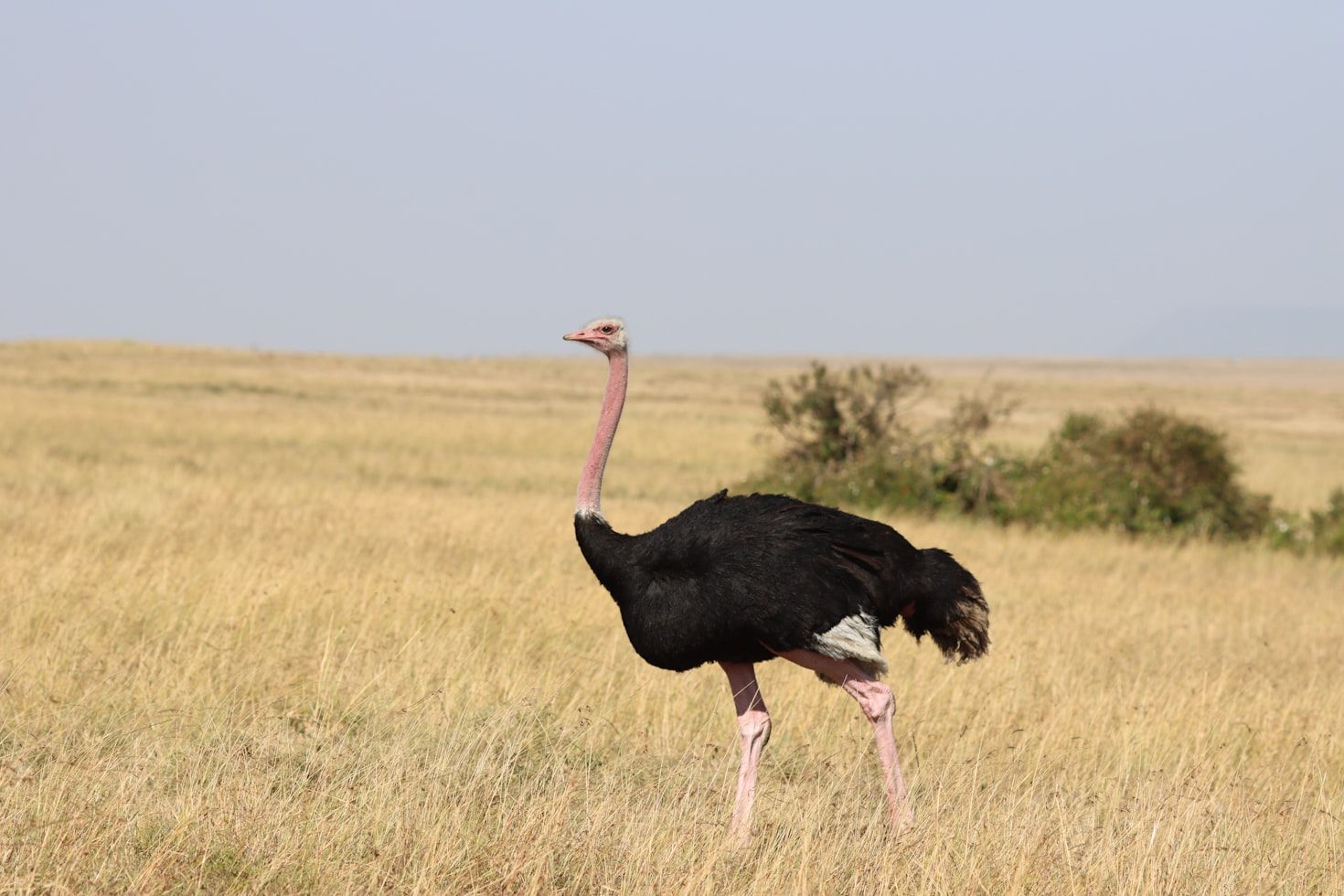
Image: Dominic Yegon

Ostriches were introduced to the U.S. in the 1880s, and it didn’t take long for people to start racing them. These unusual competitions sprang up in several states and quickly gained attention for their novelty.

Today, the most well-known event is the Chandler Ostrich Festival in Arizona , which has been running for decades. As of 2024, it marked its 36th year, continuing the quirky tradition with a modern twist.

11
Roadkill cook-off
Image: Christoph Wick

With abundant wildlife and countless vehicles on American roads, animal collisions are an unfortunate reality. But in Marlinton, West Virginia, locals have found a unique way to turn that misfortune into a celebration.

Every September, the town hosts the Roadkill Cook-off, where adventurous eaters can sample dishes like squirrel gravy on biscuits, teriyaki bear, or deer sausage —all made from animals legally collected after road accidents.

12
Pumpkin chucking
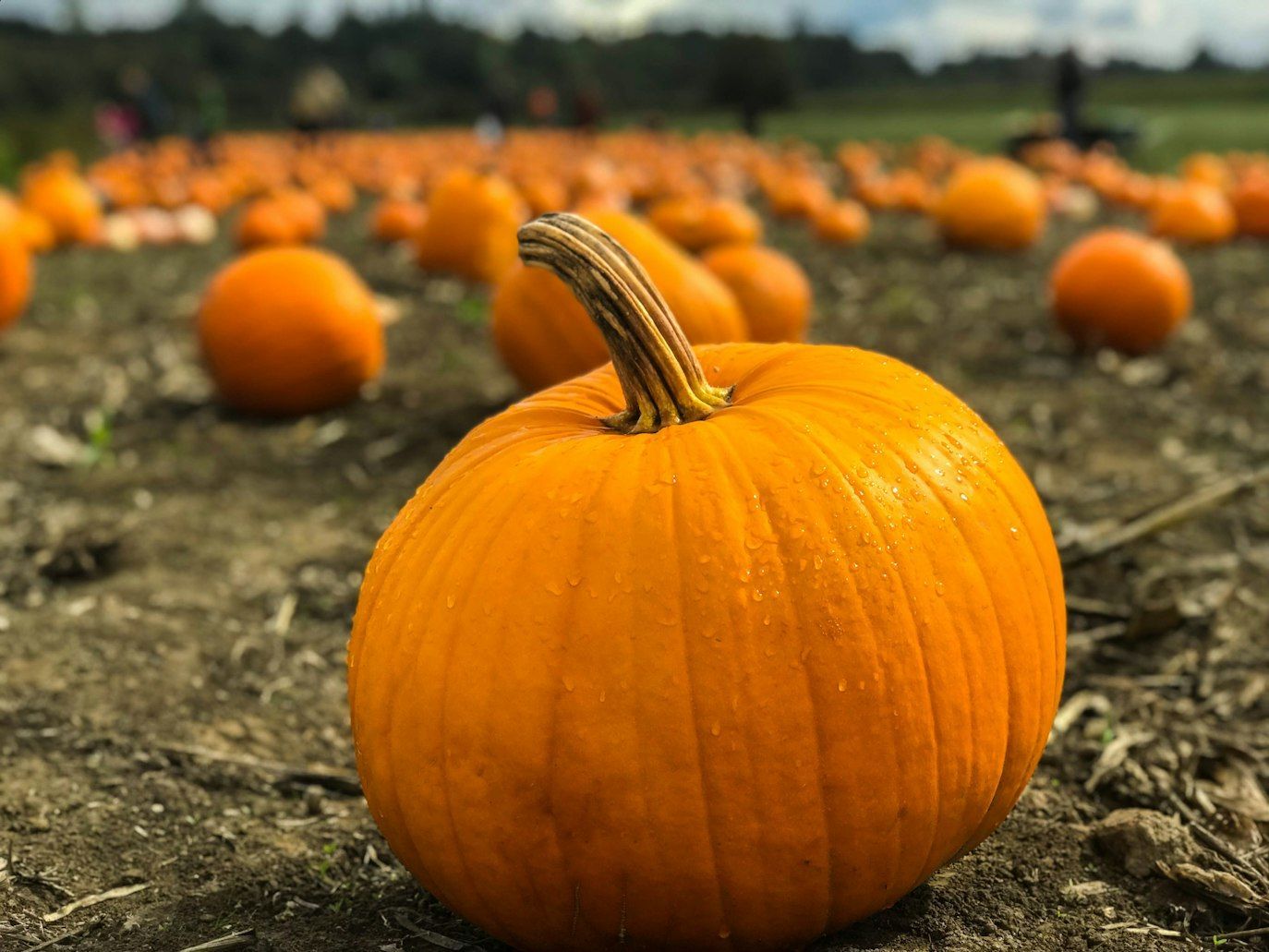
Image: Marius Ciocirlan

In America, pumpkins aren’t just for pies and lattes—they’re also launched through the air in a tradition known as pumpkin chucking.

The largest and original event, Punkin Chunkin, originated in Delaware, where teams use contraptions like trebuchets, catapults, and air cannons to hurl pumpkins as far as possible .

General General 5 min read

HAUNTED CELEBRATION

Unmasking Halloween: the origins behind our spookiest traditions!

Image: Łukasz Nieścioruk

It’s that time of the year when all things spooky reunite to provide everyone with a fair dose of fun and jump-scares. Halloween in the U.S. is full of quirky traditions—from trick-or-treating to carving pumpkins and stuffing ourselves with candy. Above all, it’s a magical time of the year. But do you know where these traditions come from? Why do we use black and orange? Or why do children dress up? Join us as we go through 10 Halloween traditions and their origins. Are you ready?

1
Choose a villain

Image: Paige Cody

If reason were to govern our thoughts on the matter, no one could deny that seeing people of all ages dressed up as their favorite villains is a weird thing. We’ll discuss the treating part later, but let’s get into the costumes first.

This tradition has deep roots, and it goes all the way back to the Middle Ages and the ancient festival of Samhain. Now what was the purpose of the costumes? People used to believe that spirits roamed the earth on this particular night so, dressing up in costumes was the way to ward off these phantoms. Quite original, don’t you think?

2
Apple bobbing

Image: Nathan Dumlao

Among the spooky traditions, there is also one that relates to romance and love: bobbing for apples, and we’ve got Great Britain to thank for it.

In this game, an apple represented a potential husband, and, faith for young women who wished to marry was settled by how many attempts it took her to retrieve an apple. One bite meant jolly matrimony. Two bites, a not-so-long-lasting courtship. And three… Well, that relationship was doomed altogether.

Samhain was celebrated at the end of the harvest, and when Irish immigrants brought their costumes to America, this game fit fall festivities to perfection becoming a beloved Halloween game.

3
Jack-o’-lanterns

Image: Szabó János

Who is Jack, and why was he immortalized in a Halloween lantern? Well, it is all, of course, part of a curious legend. As the story goes, Jack tricked the devil twice. The first time, he tricked the Devil into becoming a coin and then, by making him promise not to claim his soul. However, all these tricks only brought nasty consequences—neither hell nor heaven wanted him.

So what happened? He was left to wander the earth with only a burning coal inspiring a carved-out turnip to light his way.

Turnips were just the start for the Scottish and Irish, soon they turned to beets and potatoes, and the tradition took the shape of pumpkins for Americans.

4
Trick or treat yourself!

Image: Nick Fewings

We’ve discussed the costumes, so let’s dive into the sweets. What’s the origin of knocking on doors and asking for candy?

When the Catholic Church established All Souls’ Day, in the Middle Ages, the costume tradition remained and a new one was added: knocking on doors and offering prayers for the dead in exchange for food. This was a practice called "souling."

But souling also suffered some changes and, in modern times, it evolved into what we know as "trick-or-treating," an activity in which children go door-to-door promising mischief if they don’t receive candy. Now you know this, we bet you’ll always give treats away!

5
Black cats, good or bad?

Image: Adél Grőber

In some cultures, spotting a black cat is a one-way ticket to destruction. In others, a black cat is a good luck omen, a sign that you’ll even find love. However, in America, black cats are part of the first group and have become a key symbol in Halloween celebrations and decorations.

Why is that? Because, in the Middle Ages, these poor animals were associated with witches and witchcraft. They were believed to have powers and to be connected to the evil spirits roaming the earth. True or not, they certainly add to the eerie atmosphere of Halloween, don’t you think?

6
Black and orange

Image: Bee Felten-Leidel

Have you ever wondered why we use these particular colors during the Halloween season? Well, the choice was not random at all, it has to do with the meaning behind orange and black.

For one, orange is related to the autumn season, and the end of the harvest (the original time of the Celtic celebration).

Black, on the other hand, brings in the spookiness and the mystery that we all love about Halloween night. It represents the color of the night sky, the shadows, and all things that add to the eerie atmosphere of the evening.

7
Haunted houses

Image: Bee Felten-Leidel

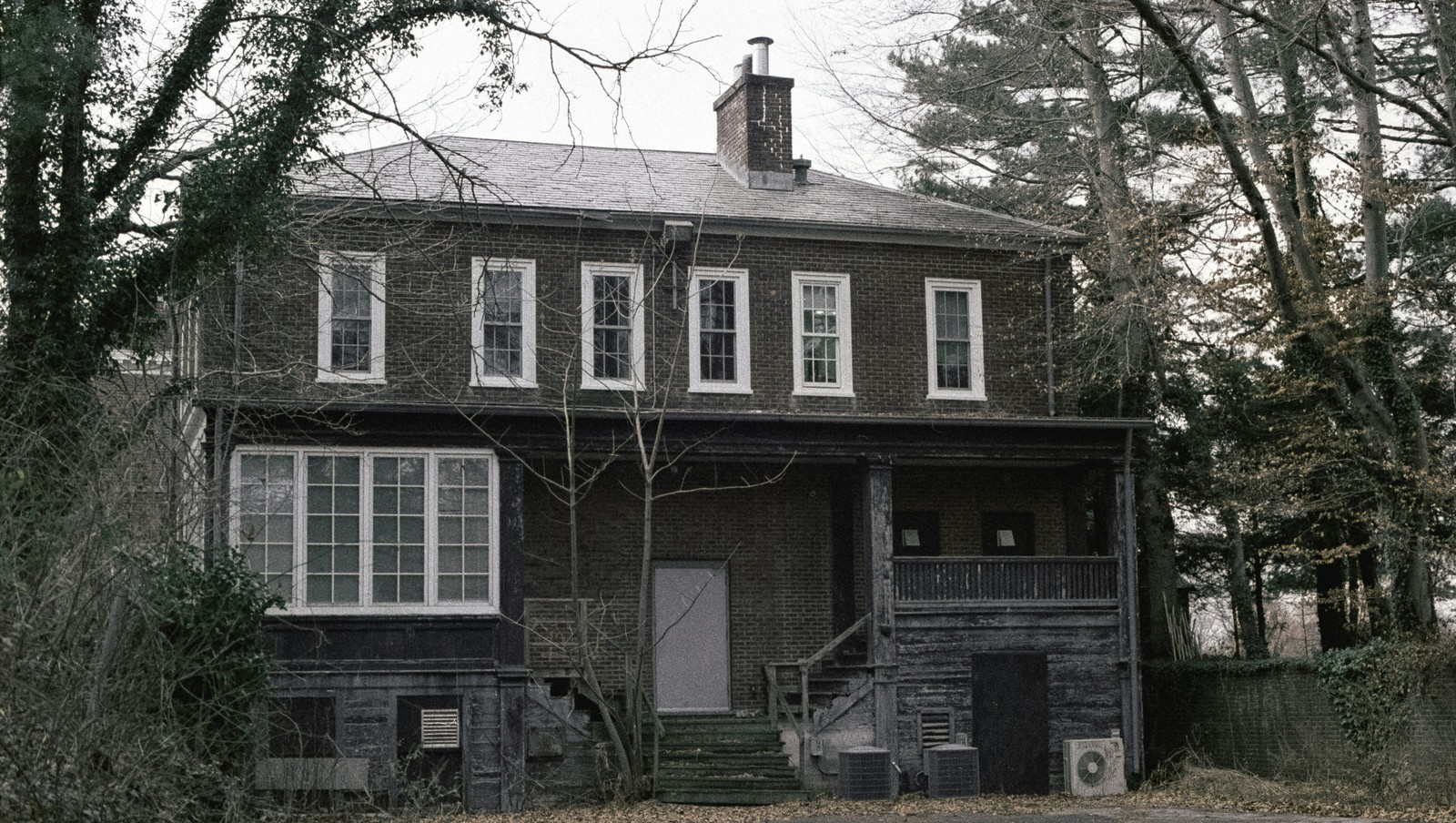
This tradition reveals the true essence of the Halloween spirit: to get as many scares as one can in a single night. All across America, on October 31st, families get their houses ready to invite people over for a thrilling experience.

Haunted houses aim to evoke tension and fear through ghostly figures, spooky decorations, dimmed lights, and chilling sounds with special effects. Have you ever visited one?

8
Bonfires

Image: henry perks

Bonfires, another tradition inherited from the Celtic celebration, are less common but they are still a Halloween tradition. As you can imagine, the original intention of the bonfires was to ward off evil spirits and to honor the Gods.

In the more modern Irish and Scottish traditions, the bonfires were part of a protective and communal custom that later made its way to America. In turn, this tradition has only remained to add warmth and a sense of togetherness to the holiday.

9
Candy Frenzy

Image: Mary Jane Duford

If you ask any child, candy is the best reason to celebrate Halloween. And we can’t blame them— they get to dress up, knock on doors, and get dozens of candies they will later exchange and eat in the company of their loved ones.

In our country, it’s not just the children or the houses who get ready for Halloween—the Marketing industry does too! Every year, countless candy brands (any brand really) adapt their products to make them Halloween-themed. The season kicks off when your local supermarket hangs those spiderwebs up and you start spotting black and orange packaging all over!

10
Scary stories

Image: Nika Benedictova

After collecting all the candies that were rightfully theirs for dressing up, children and young adults all over the country get together to end the night devouring their treats and immersing themselves one last time in the eerie atmosphere: It’s time for the spine-tingling tales.

No Halloween celebration is complete without a good dose of scary stories, fables of ancient times with mysterious characters and details that send shivers down the listeners’ spines. Why? For the sake of fear, after all, Halloween night is all about the supernatural!

Geography Geography 5 min read

Southern charm

Howdy y’all! 10 fascinating facts about the American South

Image: Blake Emge

It would be impossible to capture the essence of American culture without considering its Southern states. With a rich history and breathtaking landscapes, the South is a cornerstone of America’s identity , no matter where you call home. And, as the birthplace of some of the most influential trends in American music, as well as the setting for many historical milestones, few regions have contributed this much to our nation’s heritage. Join us on a fun road trip as we explore 10 intriguing facts about the American South —from blues music to rocket science!

1
Musical roots

Image: Ahmed Rizkhaan

The American South is the birthplace of some of the most influential music genres in history, including blues and jazz. The blues, which originated in the Mississippi Delta in the late 19th century, captured the deep emotional and social experiences of African Americans in the post-Reconstruction South.

As the blues spread throughout the country, its rhythms and melodies laid the groundwork for jazz, which emerged in the vibrant streets of New Orleans in the early 20th century. These new sounds created a new musical language that favored improvisation and complex rhythms. By the 1920s, jazz had become a defining feature of American culture, solidifying the South's role as a cradle of American music.

2
The Lone Star state

Image: Perry Merrity II

Before joining the United States, Texas was an independent nation known as the Republic of Texas. After winning its independence from Mexico in 1836, Texas existed as a sovereign state for nearly a decade, with its own president, currency, and military.

The Lone Star flag, first adopted during this period, symbolized Texas's independent spirit and remains a proud emblem of the state today. Although the Republic of Texas was short-lived, with Texas officially becoming the 28th state of the Union in 1845, its legacy endures in the fierce yet friendly spirit of its inhabitants.

3
First successful powered flight

Image: History in HD

Although the Wright brothers were native Ohioans, the first successful powered flight took place in North Carolina on December 17, 1903. The historic flight occurred in the sand dunes of Kitty Hawk, where the Wright brothers chose to test their aircraft due to the area's steady winds and soft landing surfaces.

The achievement marked a pivotal moment in aviation history, proving that controlled, powered flight was possible. The site of this groundbreaking event is now commemorated by the Wright Brothers National Memorial.

4
Southern hospitality

Image: Aleks Marinkovic

Southern hospitality is more than just a stereotype—it's a deeply rooted tradition that has shaped the culture of the American South for centuries. This ethos of politeness, generosity, and warmth towards guests can be traced back to the region’s agrarian past, where communities were often isolated and people relied on one another for support.

This tradition was further reinforced over time by particular social customs, such as the importance of entertaining visitors with elaborate meals and ensuring that guests feel like part of the family. Southern hospitality is so integral to the region's identity that it’s become a hallmark of the South.

5
Mississippi River

Image: Mathew Benoit

Spanning over 2,300 miles, the Mississippi River is the second-longest river in the United States and plays a critical role in the nation’s geography and economy. Flowing from its source in Minnesota to the Gulf of Mexico, it traverses ten states, including several Southern states like Louisiana, Mississippi, and Arkansas.

A vital artery for transportation and commerce since the early days of American history, the Mississippi also played a crucial role during the Civil War, with control of the river being a strategic priority for both Union and Confederate forces. To this day, the river continues to be a key waterway, supporting local industries and remaining a central part of the cultural and ecological identity of the region.

6
Oldest city in America

Image: Michael J. Vega

St. Augustine, Florida, holds the title of the oldest continuously occupied city of European origin in the United States. Founded in 1565 by Spanish explorer Pedro Menéndez de Avilés, St. Augustine predates the founding of Jamestown and Plymouth by several decades.

As a strategic outpost for the Spanish Empire, the city played a crucial role in defending Spain’s claims to the New World, particularly against British and French incursions. The Castillo de San Marcos, a massive stone fortress completed in 1695, still stands as a testament to the region's rich history.

7
Southern delights

Image: Alex Haney

Southern cuisine, known for dishes like fried chicken, barbecue, and biscuits, is considered a cornerstone of American food culture. In fact, the popularity of Southern food has spread nationwide, with restaurants and festivals celebrating these flavors from coast to coast.

A true melting pot of cultures, the region’s beloved cuisine has a rich history with roots that can be traced back to Native American, African, and European influences. The ingredients reflect the region’s agricultural history, with many recipes using corn or corn-derived products. Southern cuisine also includes iconic dishes like jambalaya and gumbo from Louisiana, which highlight the region’s French and Creole influences.

8
Space pioneers

Image: Brian McGowan

NASA’s southern centers have been pivotal in shaping the U.S. space program. The Marshall Space Flight Center in Huntsville, Alabama, was crucial in developing the Saturn V rocket that made the moon landing possible. The Johnson Space Center in Houston, Texas, is the hub for astronaut training and mission control, and the Kennedy Space Center in Florida has been the launch site for every manned mission since 1968.

To this day, the South’s importance in space and scientific endeavors remains uncontested: NASA centers in the region lead astronaut training and are essential for rocket launches, maintaining their status as pioneers of space exploration.

9
Bourbon & Moonshine

Image: Jeff Frank

Bourbon, often considered America's native spirit, has deep roots in the South, particularly in Kentucky, where it is produced under stringent guidelines. To be classified as bourbon, the whiskey must be made from a mash bill of at least 51% corn and aged in new charred oak barrels. This specific process, along with Kentucky’s unique limestone water, gives bourbon its distinctive flavor and character.

But the tradition extends way beyond just bourbon. The craft of homebrewing various types of alcoholic beverages has long been a vital part of the region’s cultural heritage. For example, during Prohibition, the South became notorious for its moonshine —illegally brewed, high-proof spirits (essentially clear, unaged whiskey)—which were smuggled across the country.

10
Southern Drawl

Image: Joe Lavigne

The Southern accent, often referred to as the "Southern drawl," is one of the most recognizable in the United States. This unique dialect evolved from a mix of British, Irish, and African influences during the early settlement of the region.

The drawl's elongated vowels and slow cadence might even reflect the South's agricultural origins, where life moved at a more leisurely pace. The accent has evolved over centuries and is now recognized as a defining feature of Southern identity, often evoking a sense of charm and regional pride.

Explore more American facts

Choose your favorite category!

General
General

As American as apple pie—the very best America has to offer!

Culture
Culture

Delve into the astounding richness of American lore.

Geography
Geography

Hop in and explore vast and diverse American landscapes.

History
History

Discover the key moments that shaped the United States.