History History 6 min read

Would you live in any of these?

Do you know what a spite house is? 12 odd architectural jewels in America
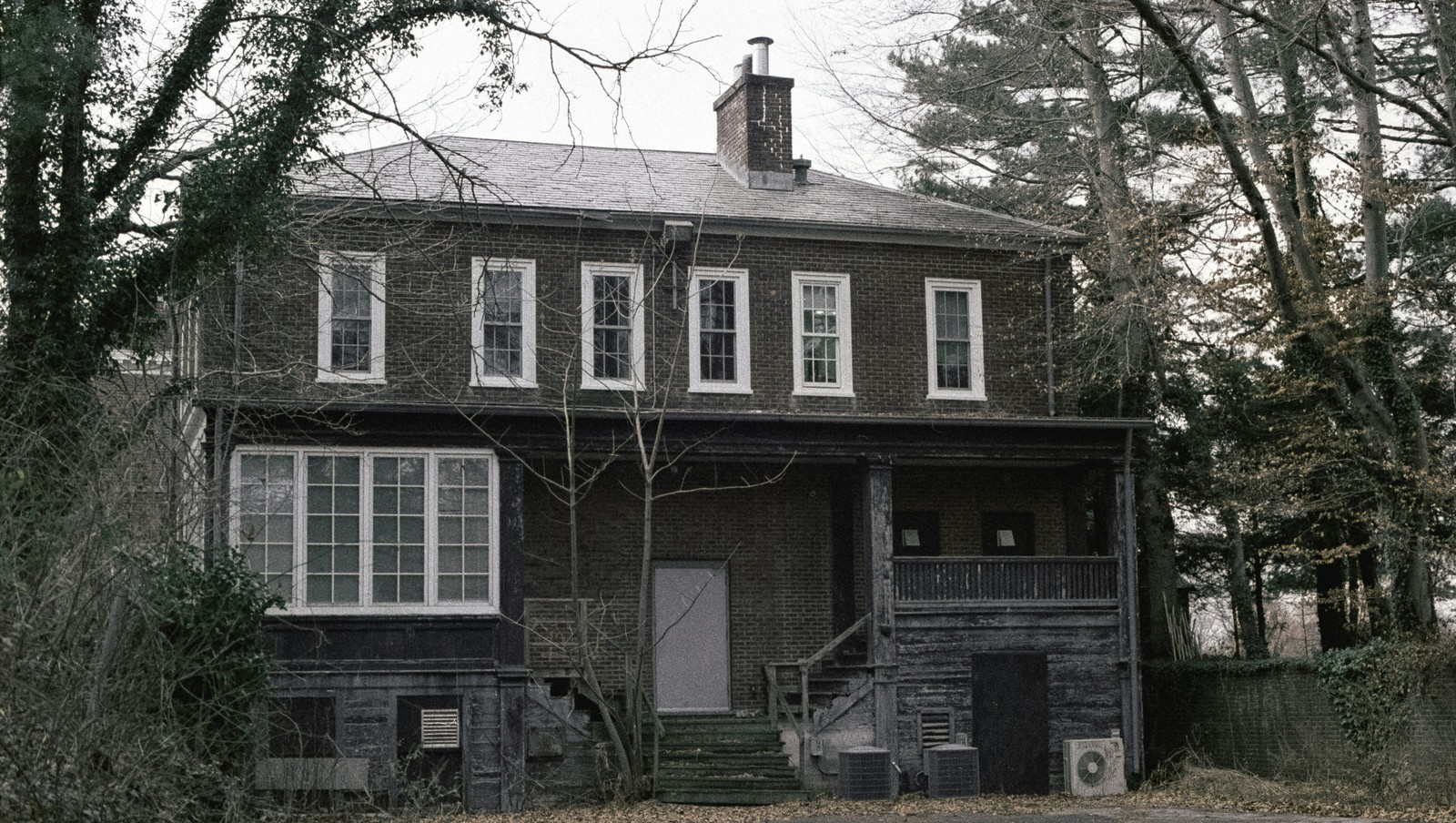
Image: Adrian Hernandez

Not all of the U.S.’s historic homes are created equal; some of them are downright weird, with strange origins, one-of-a-kind features, and supposed spirits lurking on the premises. From labyrinths built for ghosts to"revenge houses", these places mix architecture with folk tales, tragedy, and much more. Here are 12 truly bizarre examples.

1
Winchester House (San Jose, California)
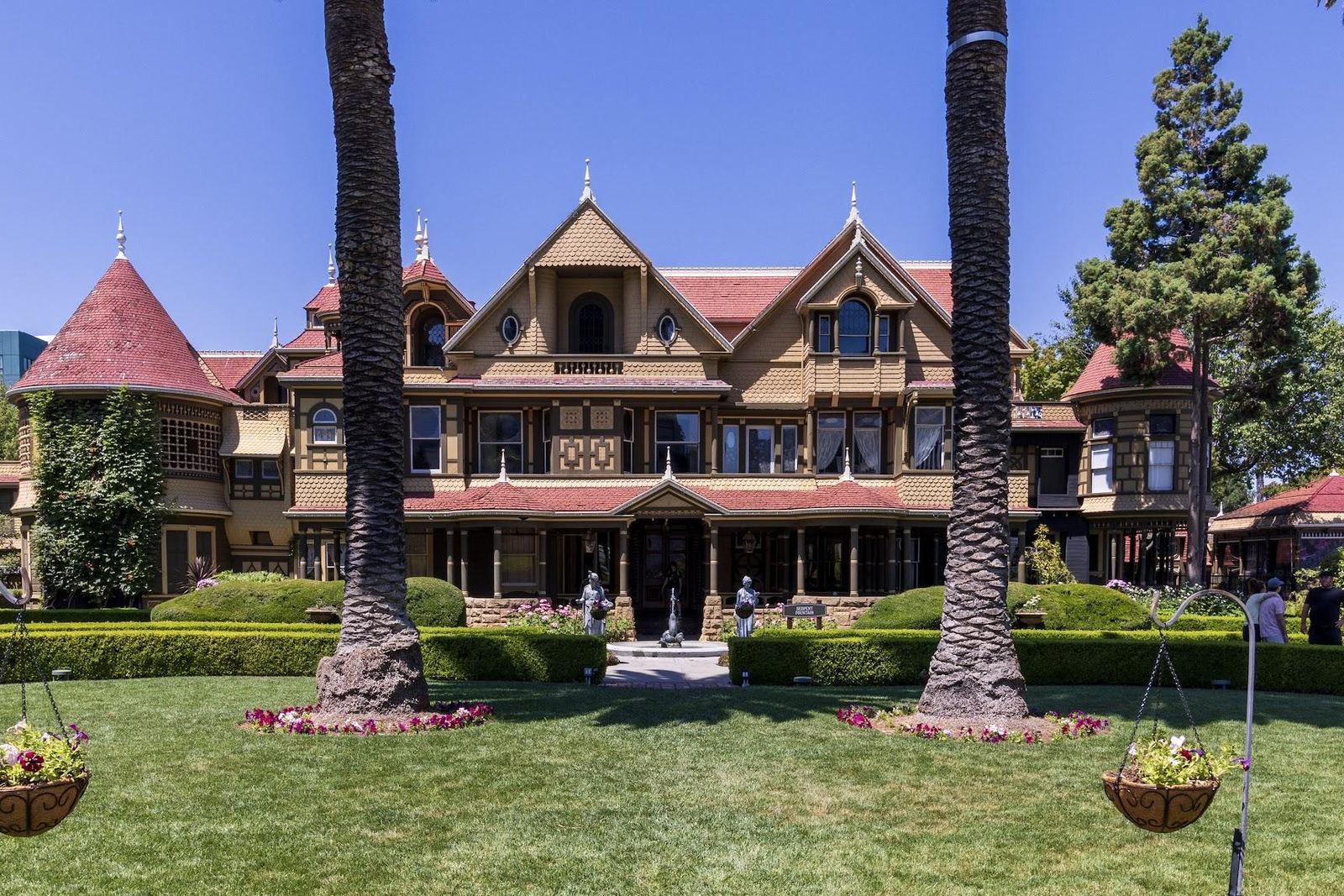
Image: The wub, CC BY-SA 4.0, via Wikimedia Commons

Starting in 1884, Sarah Winchester, the heir to the rifle fortune, spent almost four decades expanding her Victorian mansion into a behemoth 160-room maze of doors to nowhere, staircases into ceilings, and windows facing walls .

Haunted (perhaps in more ways than one) by the deaths of those killed by Winchester rifles, it is said that she had the structure built nonstop day and night to thwart the spirits of those victims. Today, the house is a popular tourist attraction, with tours through secret passages included.

2
Whaley House (San Diego, California)
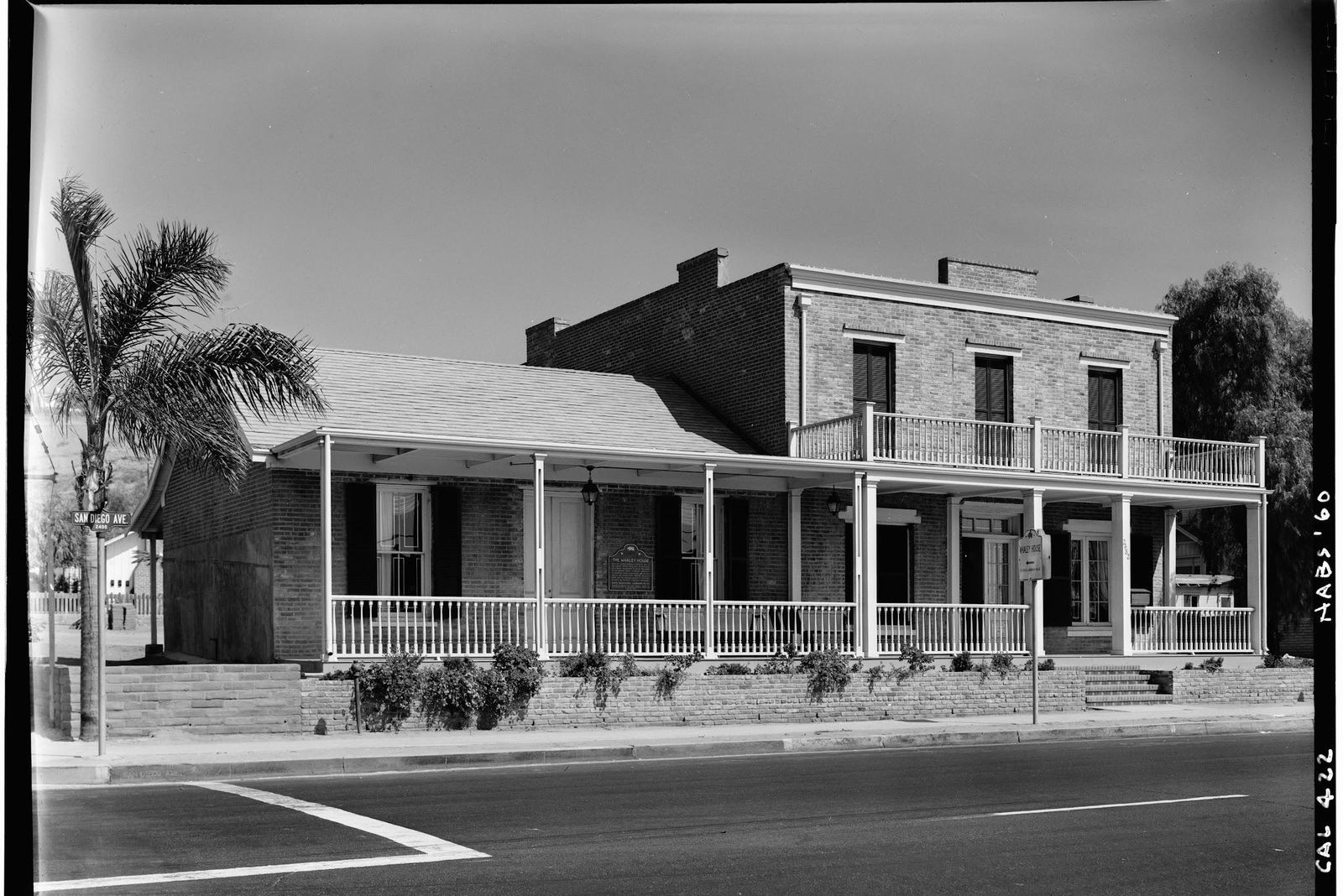
Image: Jack Boucher, Public domain, via Wikimedia Commons

Built in 1857 on the site of San Diego’s old gallows, the Whaley House blended a family home, a store, and a courthouse under one roof. Soon after moving in, the Whaleys reported h eavy footsteps they believed belonged to James "Yankee Jim" Robinson, a tall outlaw hanged on the property years earlier .

Over time, the house became a museum and one of America´s most haunted homes, complete with official recognition as a historic site.

3
Amityville House (Amityville, New York)
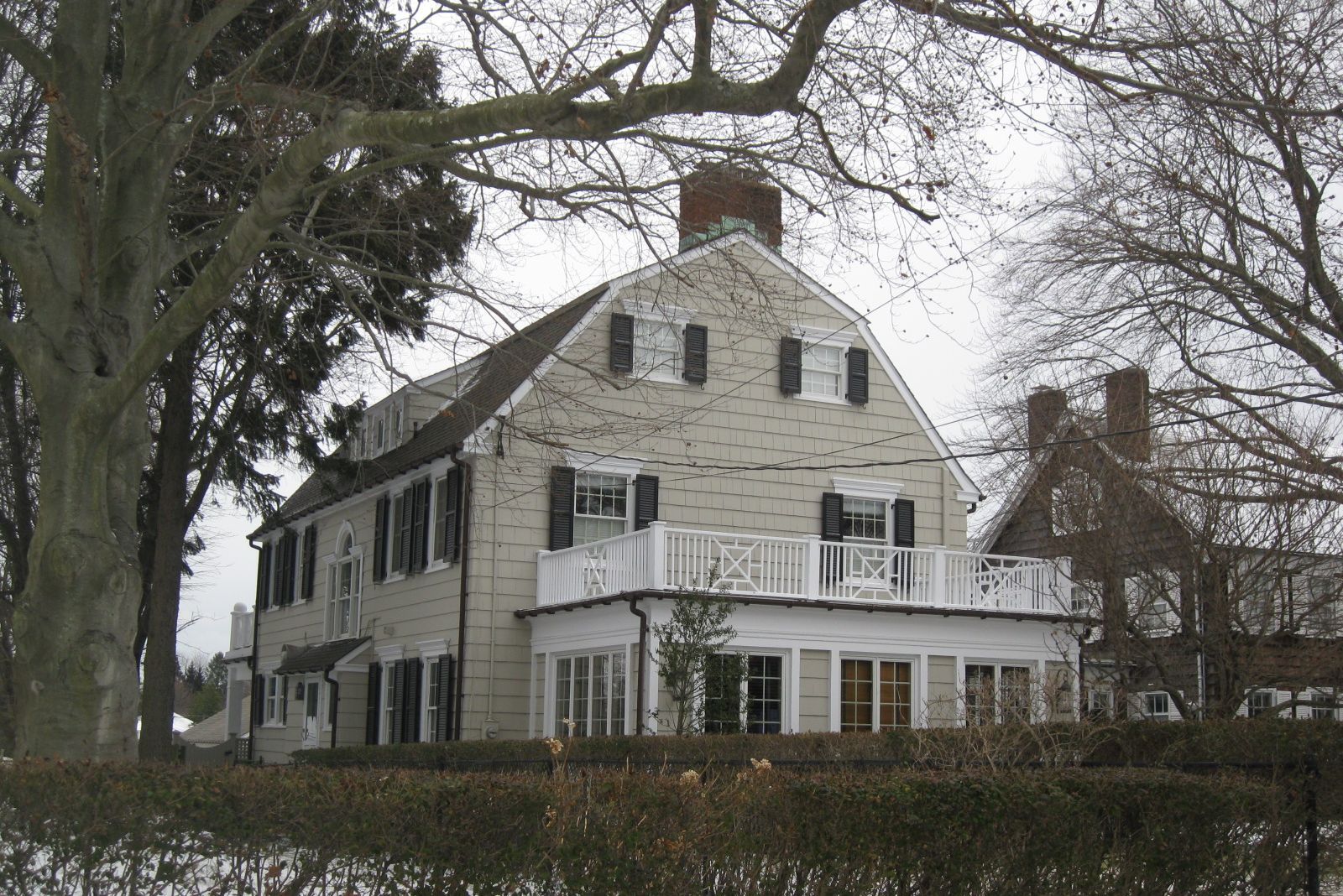
Image: Doug Kerr, CC BY-SA 2.0, via Wikimedia Commons

This quiet Long Island house became infamous after a 1974 murder case in which the DeFeo family was killed by one of their own. A year later, new owners George and Kathy Lutz claimed they were driven out by violent paranormal activity , which, in turn, inspired the book The Amityville Horror and a popular movie that spawned a franchise.

Over time, lawyers and witnesses have called parts of the haunting story a hoax, and later, residents reported no supernatural trouble at all. But the fame of the house lives on.

4
Bissel Mansion (St. Louis, Missouri)
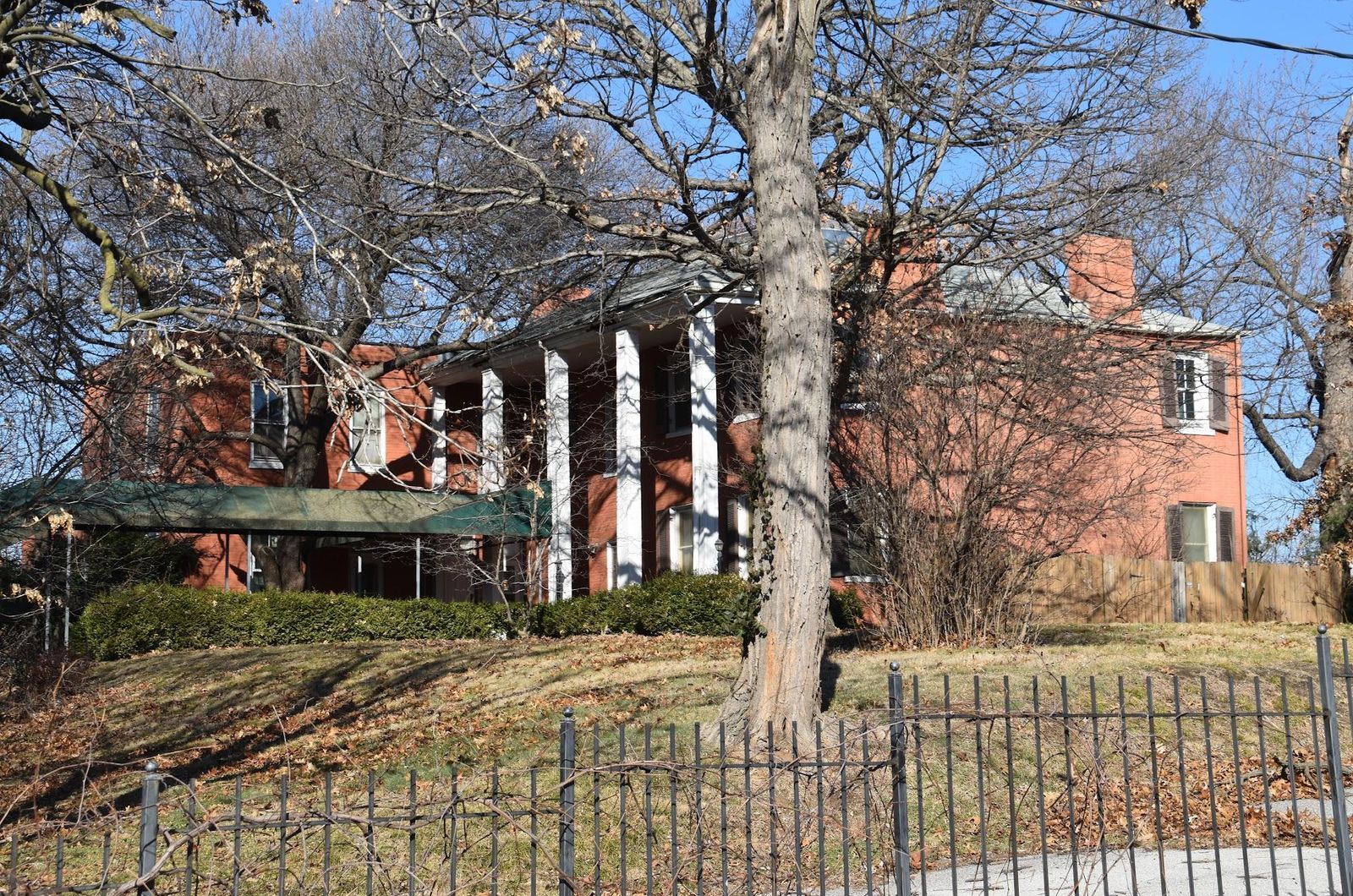
Image: RoiSTL, CC BY-SA 4.0, via Wikimedia Commons

Built in the 1820s for Captain Lewis Bissel, this is believed to be the oldest brick house in St. Louis. Over the years, it has been a family home, a restaurant, and a murder-mystery dinner theater.

An episode of HGTV’s Scariest House in America highlighted its bricked-up cave entrance, which was once said to be a secret escape route, and its long history of odd happenings , such as ghostly children, a woman in white on the stairs, and items moving on their own.

5
William Westerfeld House (San Francisco, California)
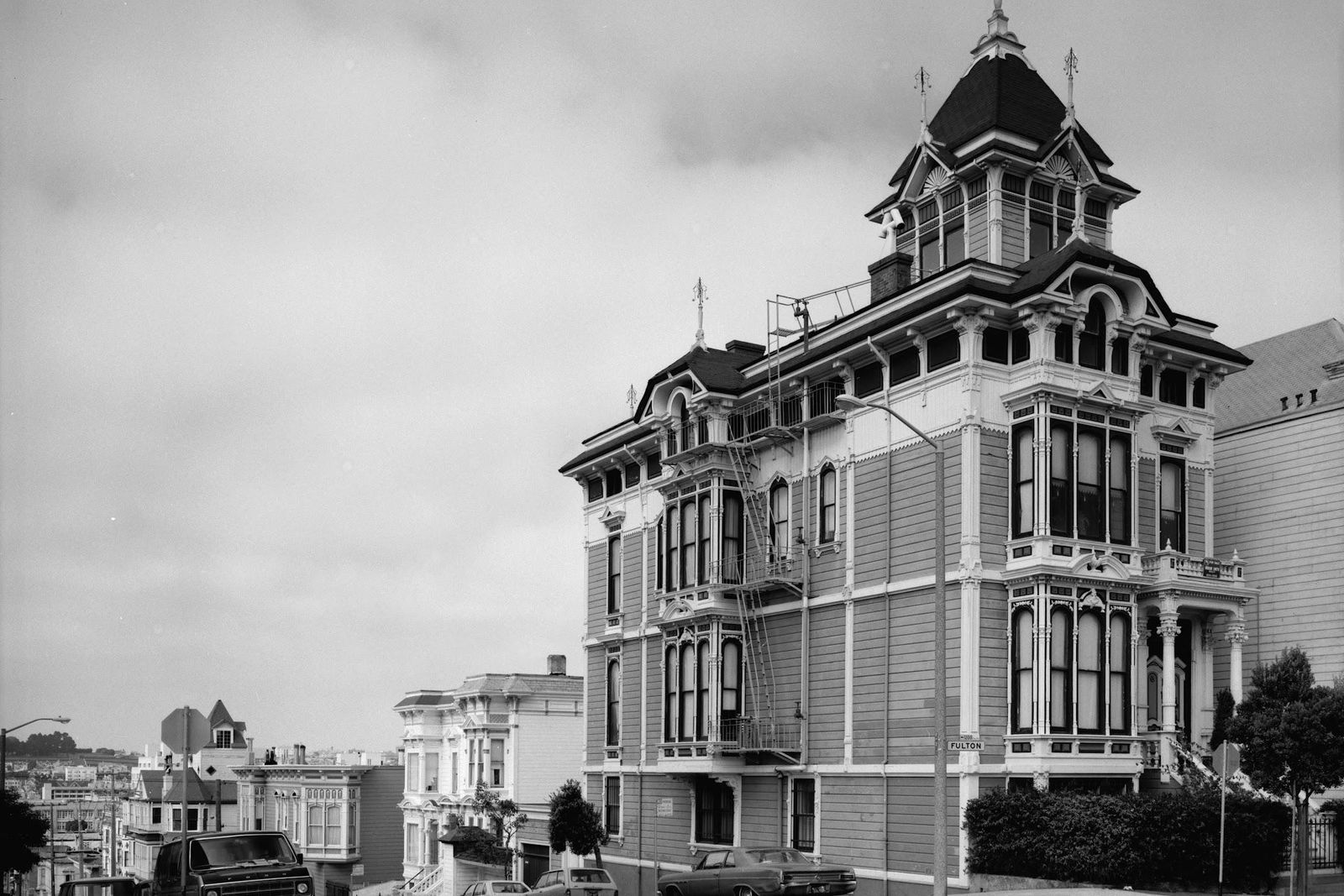
Image: Jet Lowe, Public domain, via Wikimedia Commons

Another Victorian building in our list, this house was built for a wealthy German baker in 1889. Over the years, it served as a Russian immigrant social club and brothel nicknamed "The Russian Embassy," a jazz-era boarding house, a 1960s hippie commune , and a rumored hub for occult-themed film shoots and rituals.

Today, this 28-room mansion is privately owned but remains a popular landmark, with a reputation as a haunted time capsule, surrounded by a mix of verified history and neighborhood lore about ghosts, secret rooms, and wild parties.

6
House of the Seven Gables (Salem, Massachusetts)
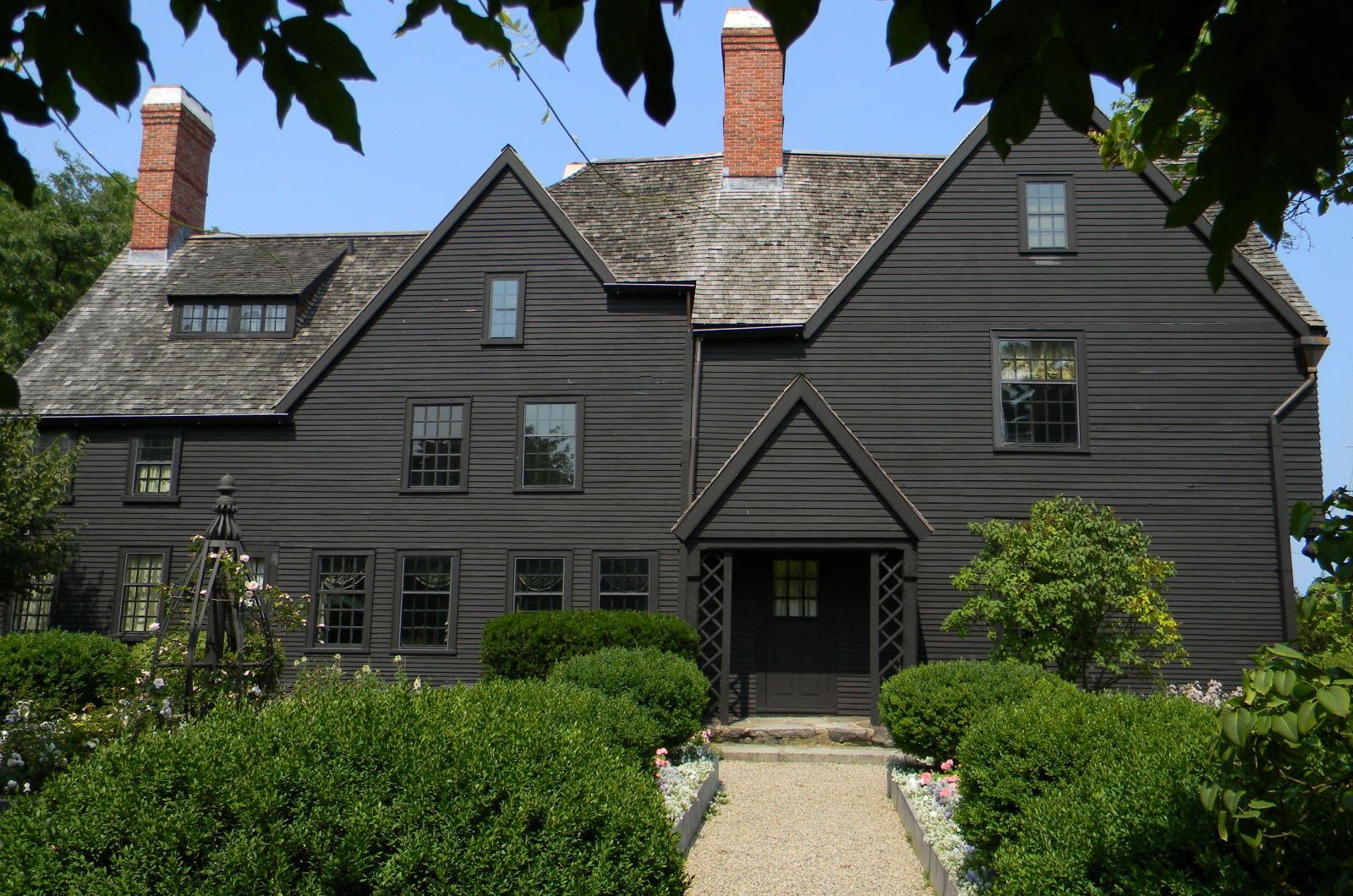
Image: Upstateherd, CC BY-SA 4.0, via Wikimedia Commons

Captain John Turner built this waterfront house in 1668, and it was later owned by Susanna Ingersol, who welcomed her cousin Nathaniel Hawthorne. The legendary writer penned his famous novel, The House of the Seven Gables, inspired by the mansion .

In the early 1900s, the house was restored and reshaped as a museum, even adding a secret staircase to match the haunting mood of Hawthorne’s novel.

7
Biltmore Estate (Asheville, North Carolina)
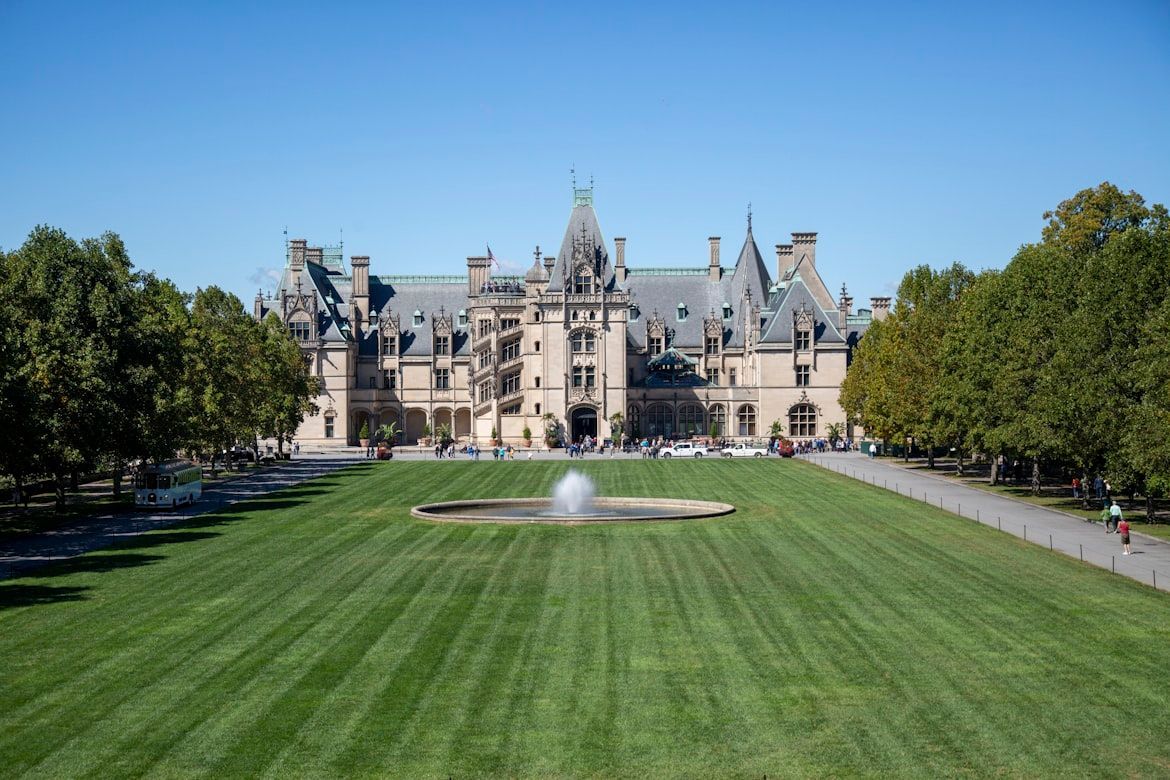
Image: William Recinos

Built between the years 1895 and 1898, George Vanderbilt’s Biltmore House is America’s largest private home, but its grand halls hide multiple secret doors and passageways. Concealed panels in the library and breakfast room allowed servants and guests to slip between rooms unseen .

Visitors on modern tours sometimes miss these disguised doors unless guides point them out. The effect is not unlike one of those mystery mansions where someone presses a bookshelf and a secret door opens.

8
Lizzie Borden House (Fall River, Massachusetts)
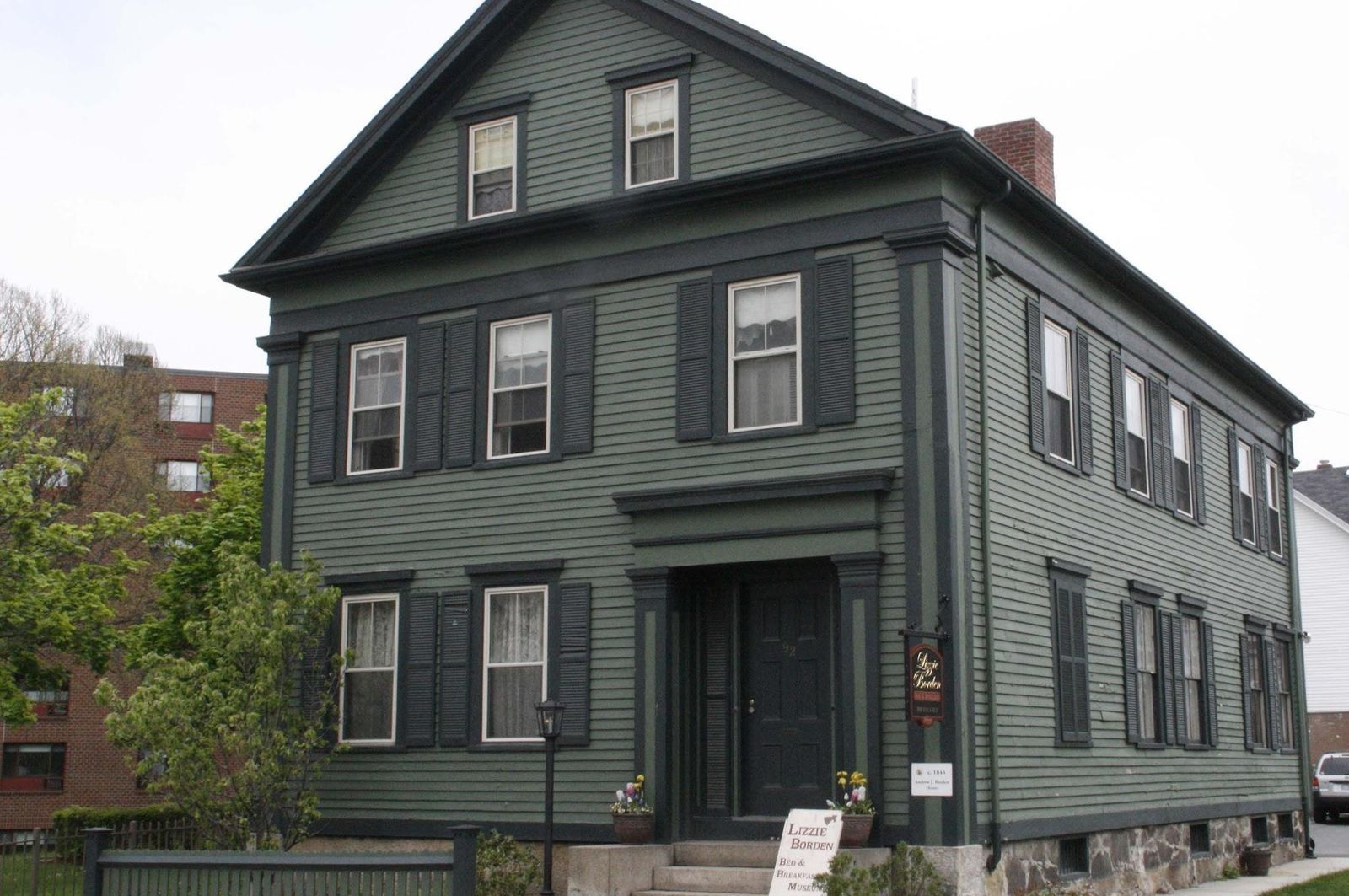
Image: dbking from Washington, DC, CC BY 2.0, via Wikimedia Commons

This modest home was the scene of a 1892 double murder in which Andrew and Abby Borden were killed with an axe. Their daughter Lizzie was tried and acquitted, but her notorious reputation lived on .

The house now functions as a museum and an overnight destination with carefully restored rooms and guides who walk tourists through evidence, theories, and reported ghost activity.

9
Octagon House (Washington, DC)
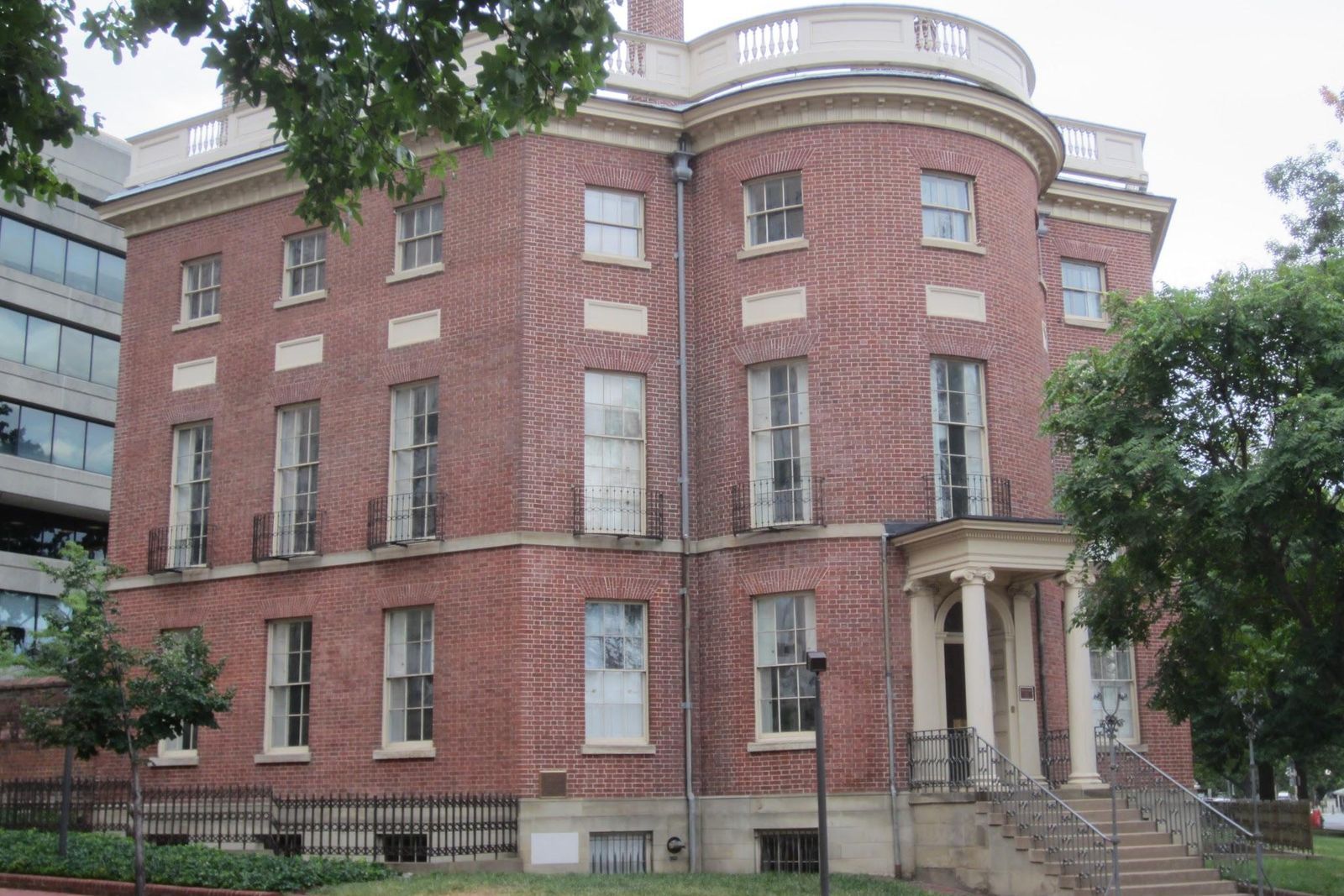
Image: Another Believer, Public domain, via Wikimedia Commons

Despite its name, this mansion is not a perfect octagon, but its story is particularly unusual, to say the least. As it turns out, President James Madison and his wife briefly lived in it after the British burned down the White House in 1814.

Later, stories emerged of mysterious bells ringing long after the servant-call wires were cut, and ghostly figures appearing on the spiral staircase . The most famous legend claims that two girls died on those stairs, though there is no evidence that this actually happened.

10
Villa Montezuma (San Diego, California)
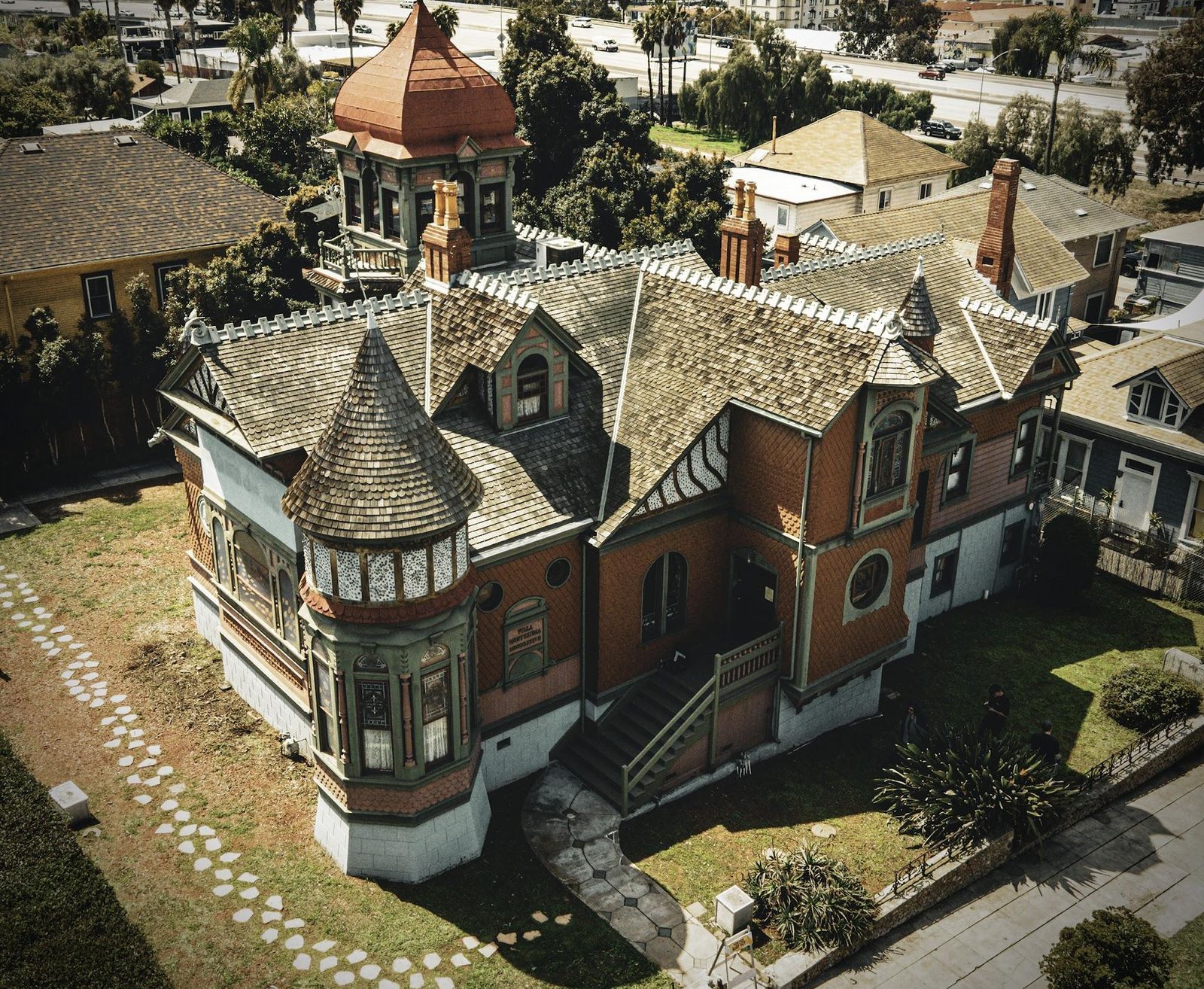
Image: Redideo, CC BY 4.0, via Wikimedia Commons

In 1887, spiritualist, pianist, and author Jesse Shepard moved into this mansion, filled with art glass, elaborate woodwork, and a music room specially designed for his dramatic concerts.

Over time, stories began to be told about Shepard’s performances, summoning more than just applause. The presence of ghosts in the towers and odd sounds in empty room s became common talk among the visitors. These days, the mansion can be visited, and the mysterious house can be explored by the curious and the fearless.

11
Montlake Spite House (Seattle, Washington)
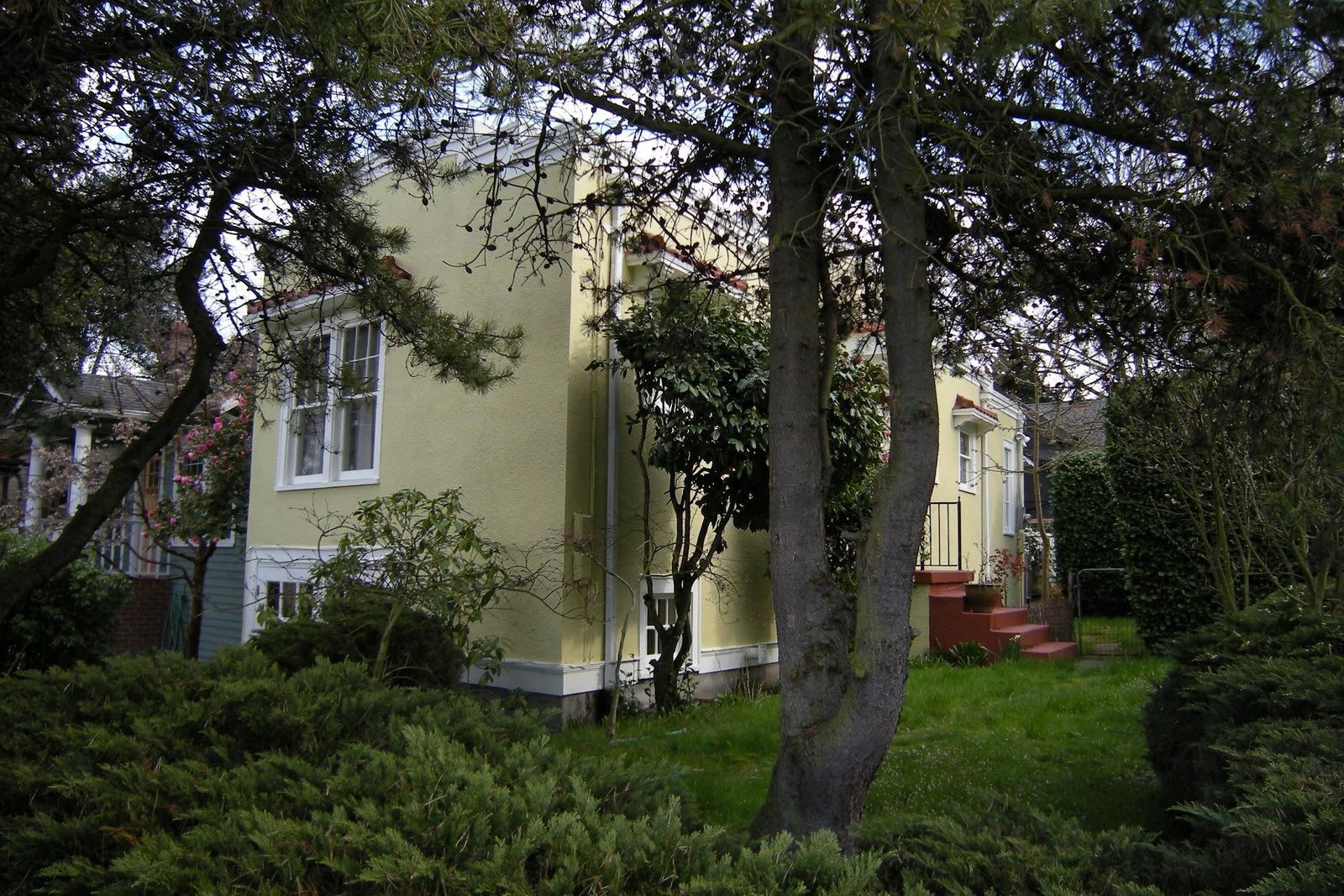
Image: Joe Mabel, CC BY-SA 3.0, via Wikimedia Commons

So, "What is a spite house?" you might very reasonably ask. Wedged into Seattle’s Montlake neighborhood, this 1925 Spanish Revival cottage is about 15 feet wide at one end and just 55 inches at the other. The architectural equivalent of a wedge of cheese .

Local legend says that it was built by a scorned ex-wife who received a skinny strip of land in a divorce and used it to block her ex-husband’s view.

12
Alameda Spite House (Alameda, California)
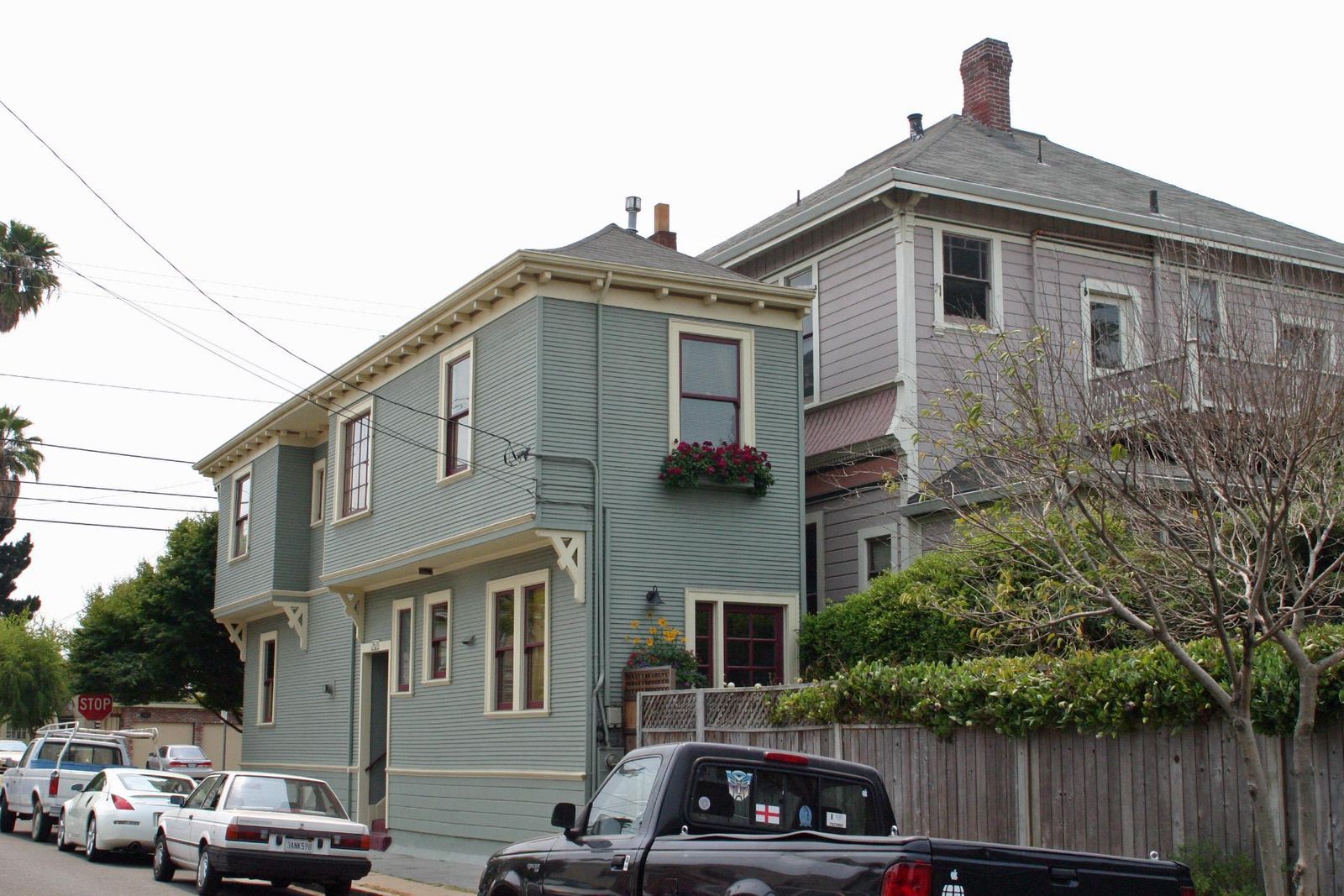
Image: Elf, CC BY-SA 3.0, via Wikimedia Commons

Yes, another spite house. Around 1908, Charles Froling planned his dream home in Alameda, until the city used eminent domain to slice off most of his lot for a street, leaving a sliver of land .

Annoyed with both the city and an unhelpful neighbor, Charles responded by building a two-story house, only about 10 feet deep but 54 feet long along the remaining strip . The narrow revenge house still stands at Broadway and Crist, and its peculiar proportions can be viewed by anyone passing by.
General General 5 min read

14 NBA players who had their jersey numbers retired by multiple teams

Image: albertoadan

Having your jersey permanently displayed in the rafters is a huge honor that only a select number of NBA players have earned. But imagine having your number retired not by just one team, but by two—or even three! For a rare few, that distinction stretches beyond a single city, as their talent and impact left lasting impressions from one arena to another. From coast to coast, the numbers of these legendary players rest in the rafters, each banner telling its own story of loyalty, triumph, and unforgettable nights on the hardwood. Can you guess who made the list?

1
Nate Thurmond

Image: Salah Regouane

In the 1960s and early ’70s, Nate Thurmond anchored the middle for the Golden State Warriors, outmuscling giants and grabbing rebounds as if the ball belonged only to him. Later, with the Cleveland Cavaliers, he became the kind of veteran every young team needs—steady, selfless, and always doing the dirty work that doesn’t make the headlines but wins the crowd’s respect. Both franchises retired his No. 42, a fitting tribute to a blue-collar superstar.

2
Pete Maravich

Image: daschorsch

Playing in the 1970s, Pete "Pistol Pete" Maravich starred for the Atlanta Hawks and later the New Orleans Jazz. His ball-handling and creativity—whirling passes, deep jumpers—looked like magic tricks that made crowds gasp. After a 10-year professional career and being named an All-Star five times, Atlanta retired his No. 44, and both the Utah Jazz and the New Orleans Pelicans hung his No. 7 jersey.

3
Moses Malone

Image: Abhay siby Mathew

Moses Malone was a rebounding machine, plain and simple. He dominated the boards for the Houston Rockets and then the Philadelphia 76ers, where he helped deliver a championship after famously predicting "Fo’, fo’, fo’." Both franchises honored him by retiring his No. 24 (Rockets) and No. 2 (76ers), a fitting salute to one of the game’s toughest, hardest-working big men.

4
Bob Lanier

Image: Batu Gezer

Bob Lanier, known both for his silky post moves and those legendary size-22 shoes, was a true powerhouse of the 1970s. With the Detroit Pistons, he combined strength and finesse, scoring with a soft touch and rebounding like a man on a mission. Later, in Milwaukee, he brought the same fire and leadership to a younger Bucks team, proving that experience could be just as valuable as raw talent. It’s no wonder both Detroit and Milwaukee raised his No. 16 to the rafters, honoring a giant whose big shoes came with an even bigger heart.

5
Charles Barkley

Image: Abhay siby Mathew

Charles Barkley was never the tallest guy on the court—just 6 ft 6 in—but with roughly 252 pounds of muscle, grit, and pure attitude, he played like a bulldozer on wheels. Known as "The Round Mound of Rebound," he crashed the boards with fearless energy. In Philadelphia, he became a fan favorite for his fiery play and quick wit; in Phoenix, he shone even brighter, winning MVP and taking the Suns all the way to the Finals. Both franchises hung up his No. 34 as a salute to a player who made hard work look heroic.

6
Earl Monroe

Image: Chaojie Ni

Earl "The Pearl" Monroe brought poetry to the hardwood. In the 1960s and ’70s, his smooth, stop-and-go style made defenders freeze, and fans fall in love. Starting in Baltimore (now the Washington Wizards ), he turned the Bullets’ offense into a show: spin moves, crossovers, and jump shots that seemed to hang in the air. Then came his move to New York, where he teamed up with Walt Frazier to create one of the most graceful backcourts the NBA has ever seen. Both the Knicks and Wizards retired his No. 15 and No. 10: Monroe’s creativity made basketball feel like jazz.

7
Clyde Drexler

Image: Markus Spiske

In Portland, Clyde "The Glide" Drexler soared with effortless grace, gliding past defenders and making the rim look weightless. His mix of speed, style, and quiet confidence made him the heartbeat of the Trail Blazers through the 1980s and early ’90s. When he returned home to Houston in the mid-’90s, he helped secure a championship ring for the Rockets . Today, his No. 22 jersey hangs in the rafters in both Portland and Houston—a lasting tribute to a man who truly lived up to his nickname.

8
Oscar Robertson

Image: Abhay siby Mathew

What if you averaged a triple-double before anyone thought it was possible? Oscar Robertson did just that in the 1960s, stuffing the stat sheet for the Cincinnati Royals (now Sacramento Kings ) and later winning a title for the Milwaukee Bucks, cementing his legacy as one of the game’s all-time greats. Both franchises retired his numbers 1 and 14, honoring the "Big O," one of the greatest players in NBA history.

9
Julius Erving

Image: Abhay siby Mathew

Long before modern dunks, Julius "Dr. J" Erving was taking flight, turning layups into art and slam dunks into poetry. He first captivated fans with the Nets in the ABA before becoming a true icon in Philadelphia . Both teams honored his brilliance: the Nets retired his No. 32 , and the 76ers lifted his No. 6 into the rafters. When you change the game, you don’t just earn a banner—you earn two.

10
Wilt Chamberlain

Image: Tim Hart

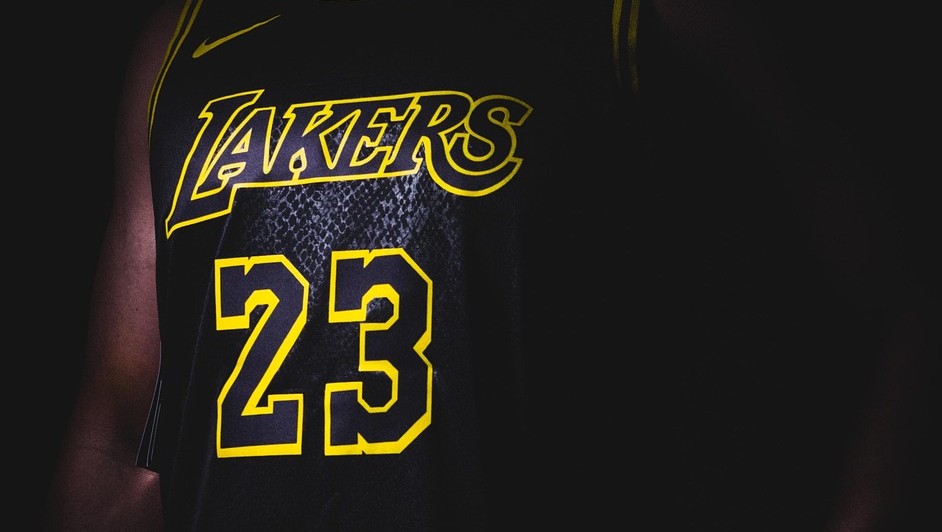
Not many players inspire stories that sound too wild to be true, so if basketball had tall tales, Wilt Chamberlain would star in all of them. A 7-foot-1 force of nature, a giant with legendary scoring numbers—including a 100-point game—Wilt’s dominance stretched across the Golden State Warriors, Philadelphia 76ers, and Los Angeles Lakers. All three teams retired his No. 13.

11
Shaquille O’Neal

Image: Luis Montejo

A 7-foot-1, 325-pound tower of strength, Shaq shook backboards, rims, and entire defenses. After playing college basketball, O'Neal was drafted by the Orlando Magic, where he played for four years. Later, he starred with the Lakers, winning three consecutive titles, then helped the Miami Heat capture its first championship. All three franchises retired his No. 32 and No. 34 jerseys, because when Shaq arrived, the fun—and the winning—followed.

12
Kareem Abdul-Jabbar

Image: Alex Haney

With his skyhook reaching somewhere near the clouds, Kareem Abdul-Jabbar scored more points than anyone in NBA history for decades. He led the Milwaukee Bucks to a title, then added five more with the Lakers. Both franchises retired his iconic No. 33, honoring a player who blended grace and dominance like no one else.

13
Dikembe Mutombo

Image: Finnian HaDiep

One of the best shot-blockers and defensive players of all time, Dikembe Mutombo protected the paint like a personal fortress. He blocked shots, grabbed rebounds, and smiled through it all. The Denver Nuggets loved him. The Atlanta Hawks loved him. Both retired his No. 55. And yes, fans still remember that famous wagging finger after a big block.

14
Michael Jordan

Image: Abhay siby Mathew

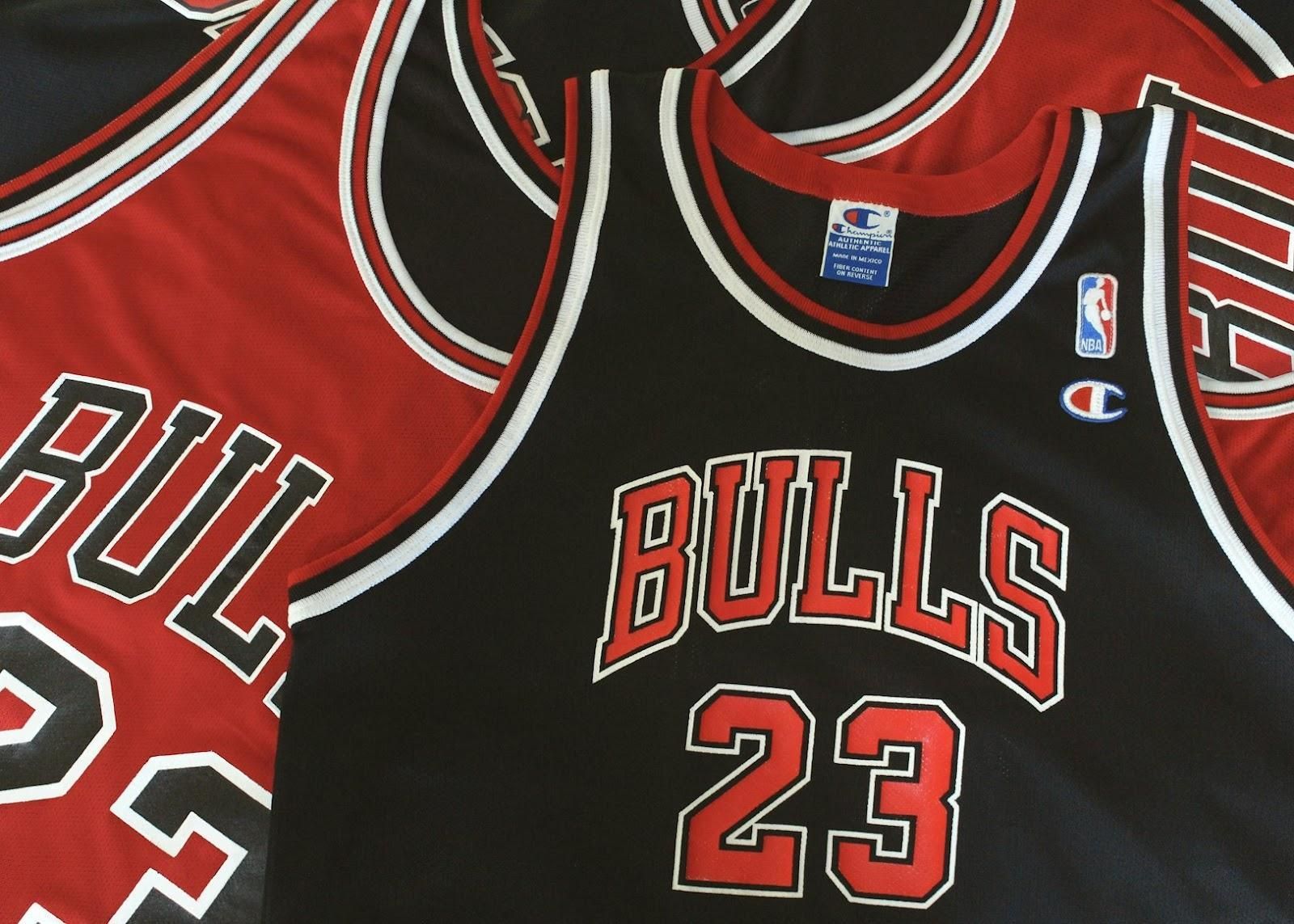
Of course, "His Airness" would be on this list! Michael Jordan’s No. 23 isn’t just a jersey—it’s an icon. In Chicago, it hangs high as a symbol of six championships, clutch shots, and a golden era that fans still replay in their minds like a favorite movie. But there’s more: the Miami Heat have honored his number too, even though Jordan never suited up for them. Call it courtesy, call it class, but wherever you go, No. 23 still means one thing: Michael Jordan was here.

Culture Culture 6 min read

An American legend

“Chairman of the Board”: How much do you know about Frank Sinatra?

Image: Alesan Aboafash

Frank Sinatra truly needs no introduction: from "The Sultan of Swoon" to "Ol’ Blue Eyes," we could fill this entire introduction only with all the iconic nicknames Sinatra collected throughout his life. This singer and actor’s amazing talent and magnetic personality have truly cemented him as one of America’s most iconic artists. While his remarkable career is definitively too extensive to cover in this article, we have selected 10 moments in Sinatra’s life to celebrate the legacy of this groundbreaking American. Enjoy!

1
Early life

Image: Laith Abuabdu

Let’s start with the very beginning, in a small tenement in Hoboken, New Jersey. It’s no secret that Frank is one of the Garden State’s favorite sons, and we like to believe that the feeling was mutual. According to biographers, Sinatra developed his love of music at an early age, becoming interested in big band jazz and singers like Gene Austin and Bing Crosby.

By the time he was a teenager, Frank began singing professionally with a group called "the 3 Flashes," which renamed itself "the Hoboken Four" after Sinatra joined. A few years later, he became the lead singer of the band, which was conducted by Tommy Dorsey, one of the most influential figures in Sinatra’s early career.

2
Time to go solo

Image: Dushawn Jovic

In 1942, Sinatra convinced Dorsey to allow him to record a few solo songs ; these included some of his first hits, like "Night and Day" and "The Song is You." Impressed by the way these recordings sounded, Frank decided it was time to go solo. This was easier said than done, since his contract stipulated that he had to give Dorsey 43% of his lifetime earnings.

After a lengthy legal battle, Frank was able to become a solo artist , although his relationship with Dorsey never recovered. Part of their dispute included the fact that Sinatra offered Dorsey’s conductor, Axel Stordahl, five times his salary to sign with him and become his personal arranger.

3
"Sinatramania"

Image: Ethan Rougon

By the start of the 1940s, Frank’s popularity was soaring, and the whole country seemed to be enraptured by a wave of "Sinatramania." He topped the male singers' polls and was the quintessential idol of "Bobby Soxers," a subculture of teenage girls characterized for their fondness of popular music.

Perhaps this following anecdote can encapsulate how hard the "Sinatramania" had hit America: In 1944, Sinatra returned to the Paramount Theatre in New York after two amazing performances a few years earlier. The audience that gathered for that show was so massive that only 250 people were allowed to enter the theatre, while the remaining 35,000 protested outside. They were so determined to see "the Sultan of Swoon" that their rejection caused a riot known as the "Columbus Day Riot."

4
World War II

Image: Museums Victoria

Sinatra’s birth was a difficult one, and his eardrum was perforated during delivery. This condition made him ineligible for military service during the onset of World War II. However, he did serve his country by raising morale, traveling through Europe, and entertaining the troops towards the end of the war.

Frank performed in several USO tours alongside comedian Phil Silvers. Not only that, many of his radio performances with the "Andrews Sisters" harmony group were broadcast to the soldiers through the American Forces Radio service.

5
Acting career

Image: Los Angeles Times, CC BY 4.0

Sinatra’s acting chops are sometimes overshadowed by his singing career, which is an absolute shame. While he had small singing roles and cameos in 1940 films like Las Vegas Nights and Reveille with Beverly , his breakthrough came with the 1945 musical Anchors Aweigh , in which he starred alongside Gene Kelly and Kathryn Grayson. The film’s success and Academy Award nominations ensured a series of movies with Gene Kelly, including the now iconic On the Town in which Sinatra plays a sailor.

However, Frank’s acting credits are not limited to musicals that showcased his amazing voice; he starred in groundbreaking films like The Manchurian Candidate , High Society, and The First Deadly Sin . Not only that, he was the first choice to play the legendary Detective Harry Calahan in Dirty Harry , but he had to turn down the role. Picture this: There’s an alternate universe in which "The Voice" is the one that utters the film’s famous line, "Do you feel lucky, punk?"

6
The Rat Pack

Image: Los Angeles Times, CC BY 4.0

What’s life without a few friends? The term "rat pack" is an old New Yorker slang name used to describe a group of friends. However, today we use it to refer to a distinct group of actors and singers, the quintessential "Rat Pack" of which Frank Sinatra was one of the shiniest stars.

Alongside Frank, the Rat Pack included iconic singers like Dean Martin, Sammy Davis Jr., Judy Garland, Mickey Rooney, and Nat King Cole. According to legend, the group received its name from Humphrey Bogart and Lauren Bacall after they were seen returning from a night in Las Vegas. Many remember the original iteration of the classic heist film Ocean’s Eleven, which starred five members of the Rat Pack.

7
The Capitol years

Image: Dane Deaner

The 1950s were truly a Renaissance time for Sinatra. While interest in his music had slowly waned over the years, Frank saw the success of the 1953 film From Here to Eternity as an opportunity to revitalize his career. In that sense, that same year, the singer made a move that would prove to be essential in this revival: his signing with Capitol Records .

SInatra’s seven-year contract with Capitol produced some of this singer’s most beloved albums , including "Where Are You?" and "Come Fly with Me." One of the strongest elements behind these albums was arranger Nelson Riddle, who was wonderfully adept at matching Sinatra’s perfectionism.

8
Family life

Image: Jorge Moncayo

Let’s step away from the spotlight for just a moment and focus on Sinatra’s family life . Frank’s four marriages were highly publicized; some of them included Ava Gardner and Mia Farrow, two of the biggest actresses of their time. However, we have decided to instead highlight the most important things that came from his relationships: his children.

Frank had three children with his first wife, Nancy Barbato: Nancy, Frank Jr., and Christina, known as "Tina." Most biographers agree that, while his relationships may have been tumultuous, Frank was by all accounts a devoted father. Two of his children, Nancy and Frank Jr., went on to follow in their father’s footsteps and became singers themselves, with Nancy turning out to be one of the most prominent artists of the ‘60s and ‘70s.

9
Retirement

Image: Los Angeles Times, CC BY 4.0

As the saying goes, "All good things must come to an end," and in 1970, Sinatra announced he would be retiring from recording and performing. However, it should come as no surprise that his retirement was definitively short-lived or, at the very least, as packed with excitement as his career had been.

By the 1970s, Sinatra’s voice had grown coarsened after years of demanding use. However, this only added a new layer of depth to Frank’s singing; audiences loved the deeper and rougher tones he added to his performances. Not only that, in 1980, Sinatra starred in his final film The First Deadly Sin , an extraordinary goodbye to his acting career.

10
Legacy

Image: IrishFireside, CC BY 2.0

On May 14, 1998, Frank Sinatra bid farewell to the world. While he is surely missed, his outstanding legacy still lives on, so we thought dedicating this final entry to some of the many homages this American icon received would be a fitting tribute.

In 1995, to honor Frank’s 80th birthday, the Empire State Building was lit blue to show its appreciation for "Ol’ Blue Eyes." Ten years after his death, the United States Postal Service issued a postage stamp honoring Frank, and Congress passed a resolution declaring May 13 as "Frank Sinatra Day."

Explore more American facts

Choose your favorite category!

General
General

As American as apple pie—the very best America has to offer!

Culture
Culture

Delve into the astounding richness of American lore.

Geography
Geography

Hop in and explore vast and diverse American landscapes.

History
History

Discover the key moments that shaped the United States.