General General 4 min read

WHICH ONE WOULD YOU LIVE IN?

Which Are The 10 Most Popular Architectural Styles In America?

Image: Todd Kent

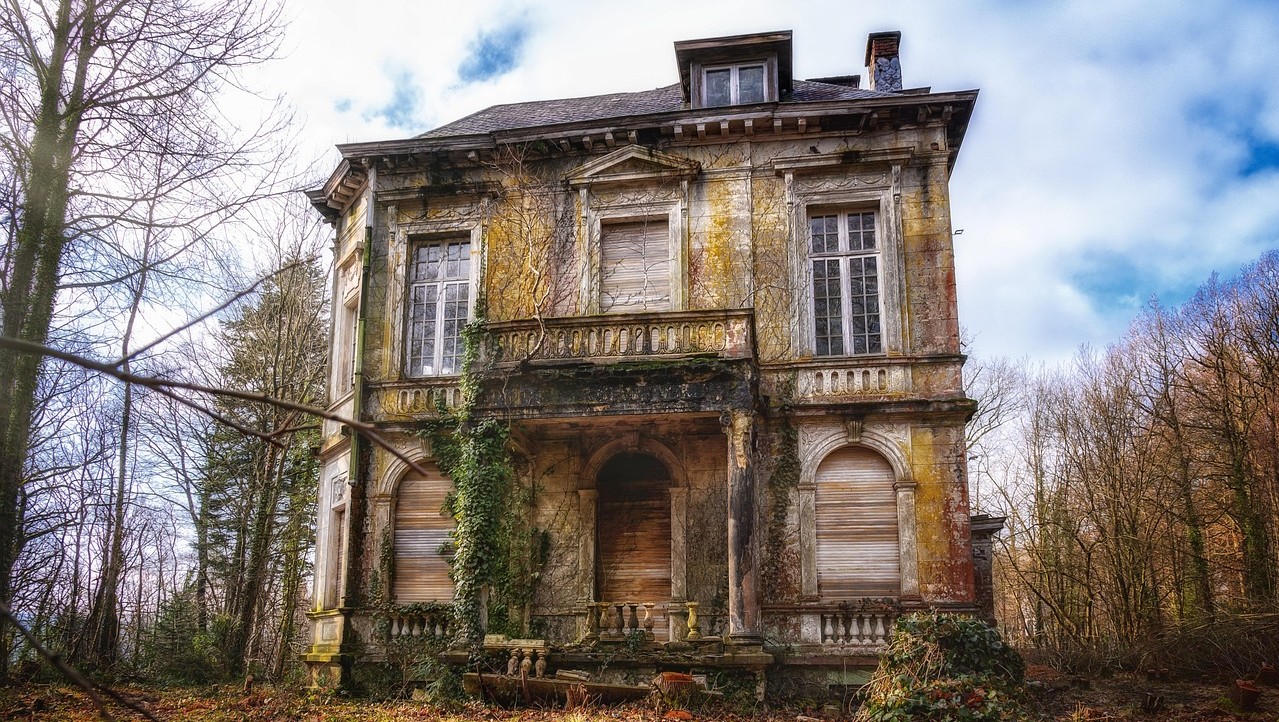
Land of the free, home of the brave, right? As far as architecture is concerned, that is very much true. As long as you can imagine it (and afford it, and get your blueprints approved), you can make it. America has many different styles of architecture , some more eccentric, some more unassuming. In this list, we have favored the latter and compiled ten of the most popular ones in the country because, as Tom Waits says, "What makes a house grand, ain't the roof or the doors. If there's love in a house, it's a palace for sure".

1
Townhouse

Image: Aman Kumar

Most commonly found in cities, townhouses have spacious layouts, more amenities than the condo styles, and lower maintenance than most residential homes. They’re typically two or three-story homes, usually sharing one or two walls with adjacent properties, and a rooftop deck to enjoy sprawling views.

While the most famous examples are the ones from New York or San Francisco, thanks to TV series and movies, these types of homes can be found all over the country.

2
Cape Cod

Image: Phil Hearing

Cape Cod houses bring to mind the classic American cottage style but with a weekend feel to them. This type of home design migrated from the UK to the United States, maintaining its symmetrical design and central chimney.

These houses feature a steep roof to keep snow from accumulating, dormer windows for added light, wood siding and shutters to keep the heat in, and hardwood floors for comfort and practicality.

3
Modern

Image: Avi Werde

Funny how the word "modern" is used to define things that happened 100 years ago, right? Emerging in the 1920s to embrace minimalism and reject the more ornate house styles, modern house styles include progressive elements such as asymmetrical exteriors, flat roofs, and integrated outdoor spaces.

Many modern interiors also feature minimal to zero molding and trim, neutral color palettes, and metal accents to accentuate the simplicity of its design.

4
Farmhouse

Image: Raychel Sanner

A house design that has been around for a long time, the farmhouse style was created back in the early 1700s, as housing for farmers and is all about practicality.

Modern farmhouses still showcase many of the same features from the original design such as large, wraparound front porches, clapboard siding, large fireplaces, wood floors, eat-in kitchens, and oversized kitchen sinks.

5
Craftsman

Image: Lernestorod

This style became increasingly popular in the 1900s and has remained a staple throughout the 21st century. Craftsman style adds charm to any neighborhood with its exterior features, including shingles, low-pitched roofs, and covered front porches.

These types of houses feature interior details such as thick trim, prominent ceiling beams, and built-in shelving and seating.

6
Contemporary

Image: James Kovin

A style often compared to modern style architecture, contemporary is very much a trend these days among house builders. These homes have simple forms without elaborate ornamentation or detail.

Showcasing geometric lines, large windows and doors to bring in light, and open floor plans, contemporary homes often incorporate sustainable and eco-friendly building materials, textures, and components, exposed roof beams, and flat or low-pitched roofs.

7
Cottage

Image: Czapp Botond

As the name implies, cottage houses of the 1920s and 30s were inspired by the cozy cottage-style houses of the English countryside, but with a more modern twist.

This style of house typically has a steep, thatched roof, arched doorways, and shuttered windows. They can be found in semi-rural areas, closed communities, and holiday spots, among other places.

8
Mid-Century Modern

Image: Lenalensen

A style that has been well represented in modern media, the mid-century modern style is part of the modernism movement and dates back to post-World War II, and remained popular throughout the 1970s.

This design is characterized by minimalism. Think of clean lines and floor-to-ceiling windows, open layouts, and a mix of natural and manufactured materials for the interior elements like wood, stone, steel, and plastic.

9
Colonial

Image: Mateus Campos Felipe

Another early style, colonial architecture has maintained its allure in many parts of the United States. These classic homes are known for their vintage charm, decorative doorways, and symmetrical window placement.

Many of these houses will be similar to the Cape Cod-style home because of their symmetry and side-gabled roofs but with two or three stories, fireplaces, and brick or wood exteriors.

10
Ranch

Image: Michal Průcha

A style that dates back to the 1930s, ranch homes grew in popularity during the 1950s and 1960s, and are still popular today. This architecture is known for its simple, single-story floor plan, low-to-the-ground look, often with an open layout and occasional basement.

With a smaller yard, attached garage, and a low-pitched roof, the ranch-style home often features large windows and sliding glass doors, encouraging an indoor-outdoor living style. A ranch can also be called a ‘rambler,’ depending on which region in the country it is located.
Geography Geography 4 min read

Behind tall faces

Mount Rushmore hides many secrets. Did you know all of these?

Image: Jake Leonard

What famous woman’s face almost became the fifth face on Mount Rushmore? Did the sculptor Gutzon Borglum really intend to just carve out the heads? Why is the mount named that, and not Borglum? The answers to these questions are some lesser-known facts about one of the most famous landmarks and sights in our country. Let’s dive into these stories!

1
The original plan included full-body figures

Image: Thomas Shockey

Mount Rushmore was supposed to be even more colossal than it already is. Sculptor Gutzon Borglum envisioned the four presidents carved from the waist up .

He even made plaster models showing Abraham Lincoln's coat folds and Teddy Roosevelt’s hand clutching his lapel. But as costs went up, Congress said: "heads only, please."

2
Charles Rushmore was just a curious New Yorker

Image: Maarten van den Heuvel

Back in 1925, when the mount was about to be carved into a monument, Charles Rushmore wrote a letter explaining why the peak bore his name. He recalled that in the 1880s he was a young New Yorker working in the area, and fell fond of that particular granite peak .

When he asked the locals about it, they informed him that it had no name, but that if he wished so, they would just start calling it Rushmore Peak, or Mount Rushmore, or the likes. Years later, that very name had been inscribed in the public domain to designate the peak.

3
Yes, there’s a hidden room behind Lincoln’s head

Image: Laura Nyhuis

Behind Abraham Lincoln’s hairline lies a hidden chamber, part of Borglum’s lofty idea for a "Hall of Records." This room was meant to house foundational American documents like the Constitution or the Declaration of Independence.

Instead of that, in 1998, a titanium box was placed inside, filled with copies of important documents and biographies, as a time capsule to preserve the treasure of knowledge for future generations.

4
Thomas Jefferson was moved

Image: Dave Baraloto

Jefferson was originally supposed to go to Washington’s right, but after 18 months of chiseling , the granite betrayed them. Cracks and flaws made the site unworkable.

Borglum made the painful decision to blast Jefferson’s half-formed face clean off and start anew on Washington’s left.

5
The mountain was almost a monument to western heroes

Image: Timberly Hawkins

Before presidents took over, the mountain was pitched as a giant tribute to the Wild West . South Dakota historian Doane Robinson wanted to see frontier legends like Lewis & Clark carved into the Black Hills.

But when Borglum came aboard, he had a grander (and more politically bankable) idea: four presidents to symbolize national unity and expansion.

6
A woman’s face was almost added

Image: Tom Fournier

In the 1930s, there was serious talk of honoring Susan B. Anthony alongside the Founding Fathers, as a nod to the women’s suffrage movement.

Borglum wasn’t opposed to the idea, but Congress quickly nixed it, stating that only U.S. presidents could be included.

7
The workers were mostly local miners and loggers

Image: Pixabay

They were neither sculptors nor artists. Most of the workforce came from nearby Keystone, South Dakota: miners, loggers, and hard-up laborers looking for work during the Great Depression.

Borglum trained them himself. There were no safety harnesses, and yet, remarkably, no one died on the job.

8
Dynamite did 90% of the work

Image: Alexander Paramonov

To carve the faces of Washington, Jefferson, Roosevelt, and Lincoln, workers used carefully timed dynamite blasts to remove over 450,000 tons of rock. They got so precise, they could blast within inches of where the final surface would be.

The last details, like wrinkles, pupils, or Roosevelt’s glasses, were done with jackhammers and chisels.

9
The noses are disproportionate

Image: Dudubangbang Travel

Standing in front of the mountain, the faces seem alright. But that’s a trick of perspective. Each presidential nose is a whopping 20 feet long .

If the sculptures had included full bodies as planned, each figure would have stood 465 feet tall. That’s taller than the Statue of Liberty and most downtown skyscrapers.

10
Teddy Roosevelt was the most controversial pick

Image: Dudubangbang Travel

Washington, of course. Jefferson, made sense. Lincoln, sure. And Teddy? Some critics raised their eyebrows at Borglum’s fourth choice. Roosevelt had only recently passed away in 1919, and many questioned whether he'd stood the test of time.

But Borglum defended the decision Roosevelt’s role in breaking up monopolies, conserving national parks, and engineering the Panama Canal. Plus, Borglum had met him personally and was a fan.

11
It was supposed to have inscriptions

Image: Dan Pick

Borglum had grander plans than just four giant heads. He wanted to carve a massive inscription next to them, a timeline of America’s most important milestones , chiseled straight into the mountain. In time, the idea was scrapped for practical and aesthetic reasons.

12
The visionary died before completion

Image: Lisa Reichenstein

Gutzon Borglum, the visionary behind it all, didn’t live to see his masterpiece finished. He died in March 1941, just as the construction was reaching its end. His son, Lincoln Borglum (yes, named after that Lincoln), took over the project.

Still, with WWII drawing resources elsewhere, funding was slashed, and Lincoln had to wrap things up quickly . Some features, like Lincoln’s ear, were never fully detailed.

General General 4 min read

Not as common as you think

Aren’t doggy bags and tipping not the norm when dining abroad?

Image: Diane Picchiottino

Dining in the U.S. comes with its own set of unwritten rules. Many of these customs feel perfectly normal to Americans, but can surprise visitors from other parts of the world. From how meals are served to how bills are paid, there are many differences that we only notice when we visit other countries. Take a look at 12 of these habits you probably take for granted, but that are uncommon outside of the U.S.

1
Tipping is expected, not optional

Image: Sam Dan Truong

In the U.S., leaving a tip is considered part of the cost of the meal, not a bonus . Diners typically add 15 to 20 percent to the bill, especially in full-service restaurants.

This practice exists because many servers earn lower base wages and depend on tips. In many other countries, service charges are already included in the bill, making the American system feel unusual or even confusing.

2
Free refills are the norm

Image: Roman Kraft

Many American restaurants offer unlimited refills on soft drinks, iced tea, and coffee . Once you order a beverage, it often keeps coming at no extra cost.

Elsewhere, each drink is typically billed separately, and refills are rarely free. For visitors to the U.S., this can feel surprisingly generous compared to their dining experiences at home.

3
Ice comes with everything

Image: Giorgio Trovato

In the U.S., drinks are often served filled with ice, whether it’s soda, water, or even juice . It’s considered a refreshing standard, especially in warmer climates.

In many other countries, ice is used sparingly or avoided altogether. Some people prefer drinks at room temperature, making the American preference for ice stand out immediately.

4
Portions are huge

Image: Sanjip Kadel

American restaurant portions are known for their size. Many meals are large enough to serve more than one person or to provide leftovers for later .

In contrast, other countries tend to serve smaller, more balanced portions. The American approach reflects a culture of abundance, but it can be unexpected for first-time visitors.

5
Taking leftovers home is typical

Image: Roberto Catarinicchia

Asking for a take-home container, also known as a "doggy bag," is a normal part of dining in the U.S. Restaurants are prepared for it, and many people expect to leave with leftovers.

In some countries, this practice is less common or even discouraged. The American "doggy bag" reflects both larger portion sizes and a practical approach to reducing food waste.

6
Waiters check in frequently

Image: Negley Stockman

In the U.S., servers often return to the table several times during a meal . They may ask how everything tastes, refill drinks, or check whether anything else is needed.

While meant to be attentive, this can feel intrusive to foreign visitors. In many other cultures, less interruption is preferred, and diners typically signal the server only when necessary.

7
Customizing your order is normal

Image: Artur Tumasjan

In the U.S., it's common to request changes to a dish, such as removing ingredients or adding extras . Restaurants are usually flexible and expect these requests.

In other parts of the world, altering a menu item may be frowned upon. The American habit reflects a strong emphasis on personal choice and individual preferences.

8
Tap water is served automatically

Image: Sugarman Joe

In American restaurants, a glass of tap water is often brought to the table without being requested . It is typically free and refilled throughout the meal.

In many other countries, bottled water is the default and must be ordered separately.

9
Meals tend to move quickly

Image: Louis Hansel

Dining in the U.S. often follows a faster pace. Food arrives quickly, and the bill may be brought shortly after the meal is finished .

In contrast, in many other cultures, meals are meant to be long, relaxed experiences. The American approach reflects efficiency and a faster daily rhythm.

10
Splitting the bill is common

Image: Vitaly Gariev

In the U.S., restaurants commonly allow separate checks , making it easy for each person to pay their share. This is especially helpful in group settings.

In many other countries, splitting the bill can be more complicated or is actively discouraged. The American system emphasizes convenience and individual responsibility at the table.

11
Sweet foods are common at breakfast

Image: Brian J. Tromp

Breakfast in the U.S. often includes sweet items such as pancakes, waffles, pastries, or cereal, alongside eggs, bacon, and toast. Syrup and sugar are common additions at the start of the day.

In many other countries, breakfasts tend to be exclusively savory, featuring foods like bread, cheese, or eggs. The American preference for sweetness can feel like a treat to visitors.

12
Dining is generally casual

Image: Dan Gold

While there are many exceptions at five-star, fine dining establishments, American dining culture is typically relaxed, with fewer formal rules about dress or behavior . People often eat out in casual clothing and informal settings.

In other countries, meals, especially dinner, can be more formal events. The American style reflects a focus on comfort rather than tradition.

Explore more American facts

Choose your favorite category!

General
General

As American as apple pie—the very best America has to offer!

Culture
Culture

Delve into the astounding richness of American lore.

Geography
Geography

Hop in and explore vast and diverse American landscapes.

History
History

Discover the key moments that shaped the United States.