General General 4 min read

Presidents and protocols

Why do presidents have to buy their own gifts? The reason behind
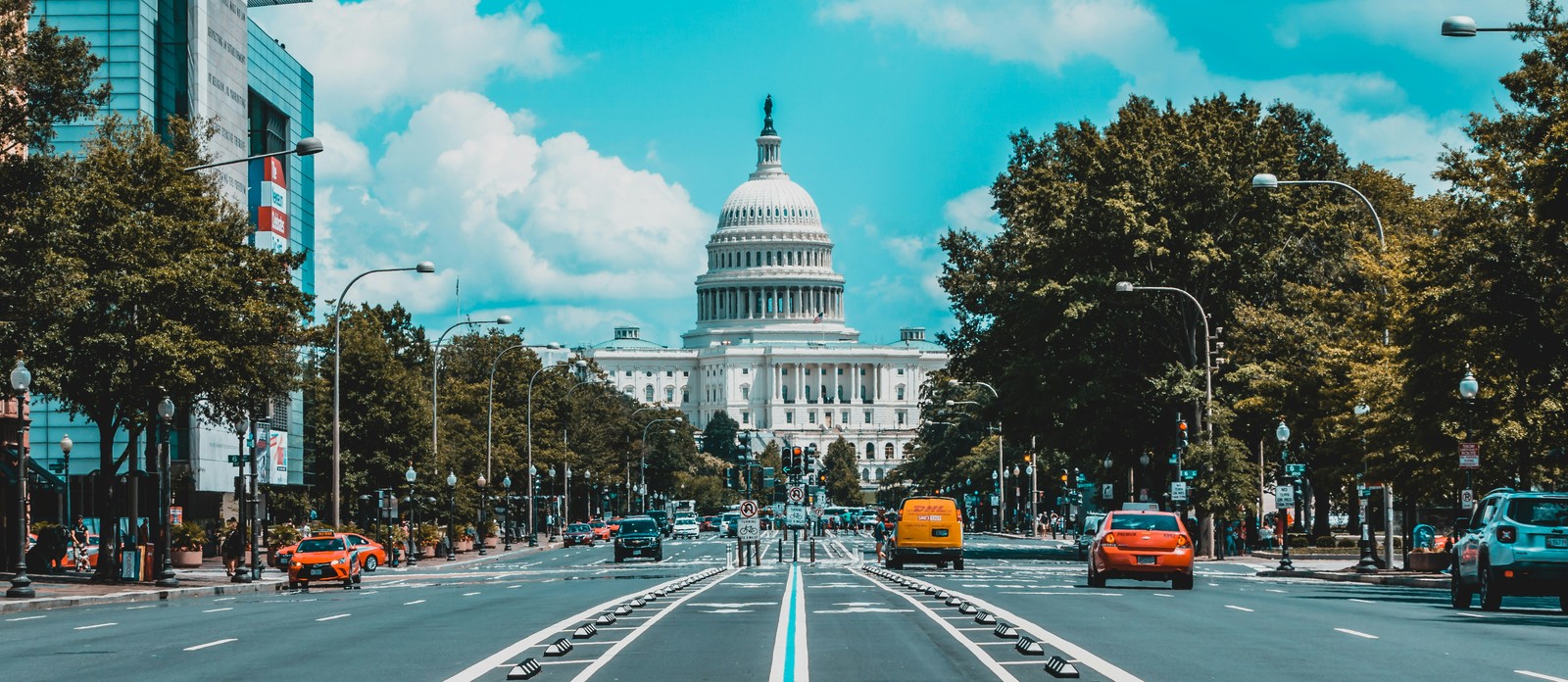
Image: Jorge Alcala

Once someone becomes president, even the simplest daily habits are no longer simple. Protocols start to overcome routines, wills, and even family responsibilities. Let’s find out what rules presidents in office must follow — and some notable exceptions.

1
Skip Air Force One
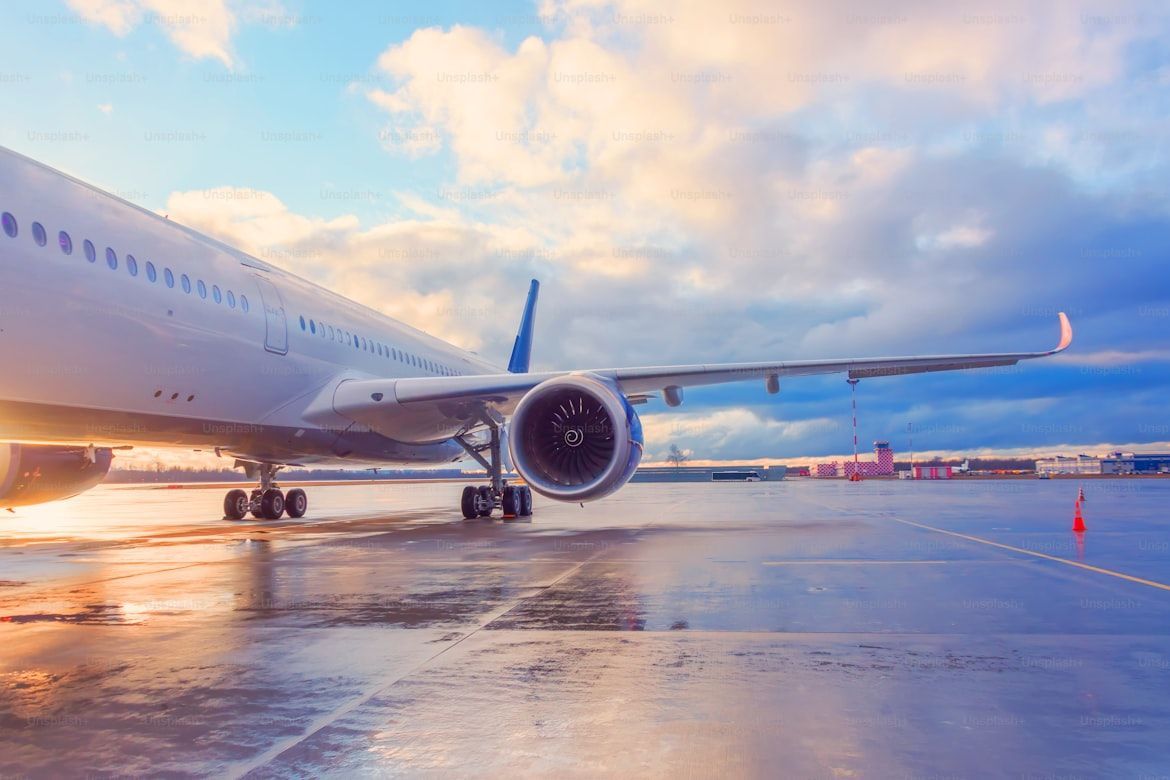
Image: Getty Images

Beyond the wishes of any president, flying on a commercial airline is completely forbidden under any circumstances. Due to security concerns, Air Force One is meant to be the only way a president can travel by air. But there is actually a historic exception in this matter. In 1973, during the oil crisis, Richard Nixon flew on a regular United Airlines flight to California . The trip was meant to show support for energy-saving efforts nationwide.

2
Break the two-term rule
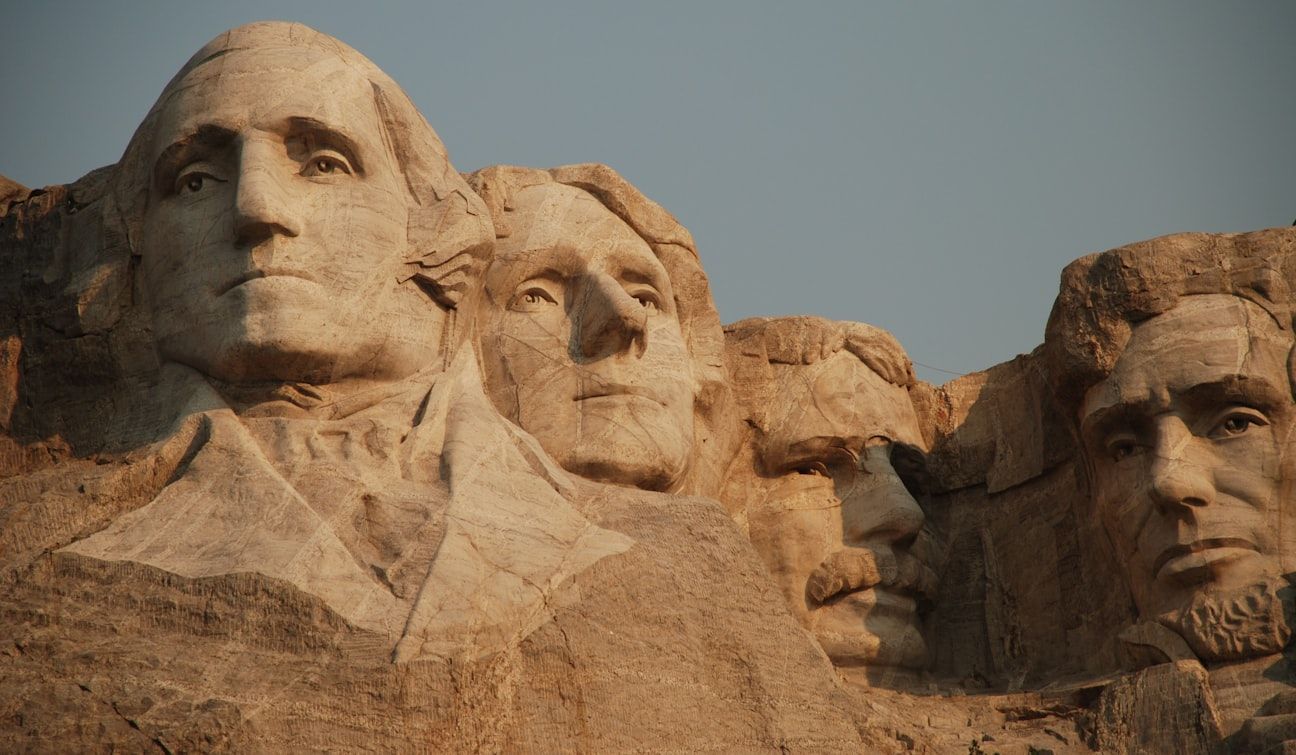
Image: Ronda Darby

Did you know that before Franklin D. Roosevelt, presidents were not limited to two terms? They mostly followed a tradition started by George Washington, the first US president in 1789, who decided to step down after his second term. It wasn’t until the 22nd Amendment in 1951 that two terms became the official legal limit to moderate the accumulation of power in one person.

Roosevelt, who was president from 1933 to 1945 , was the only president to break that tradition because of the country's exceptional situation: During the Great Depression and World War II, many Americans wanted solid leadership. He ended up winning four elections, but died of a stroke in 1945 during his fourth term.

3
Take diplomatic gifts home
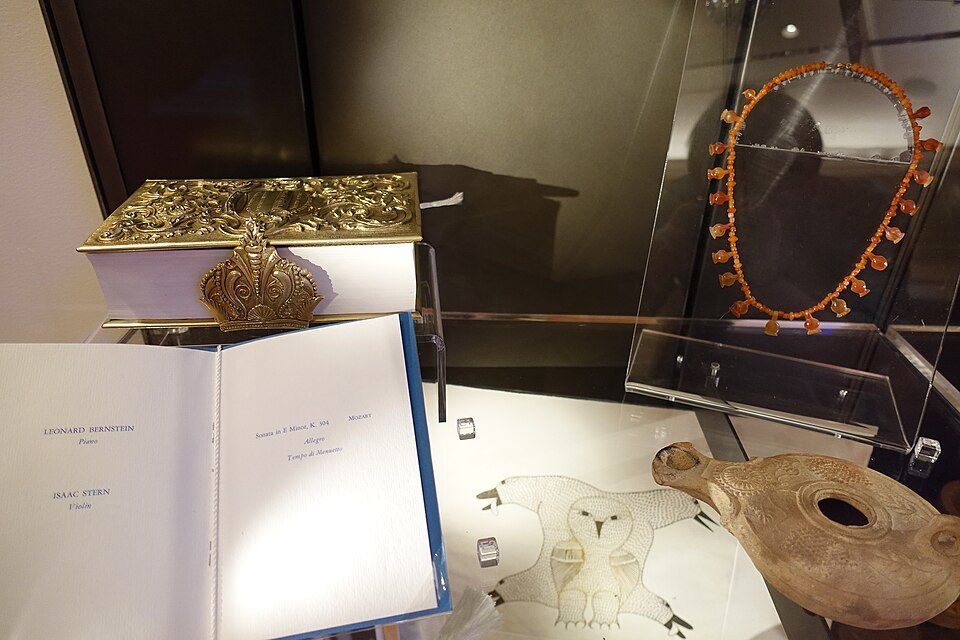
Image: Jeremy Thompson from Los Angeles, California

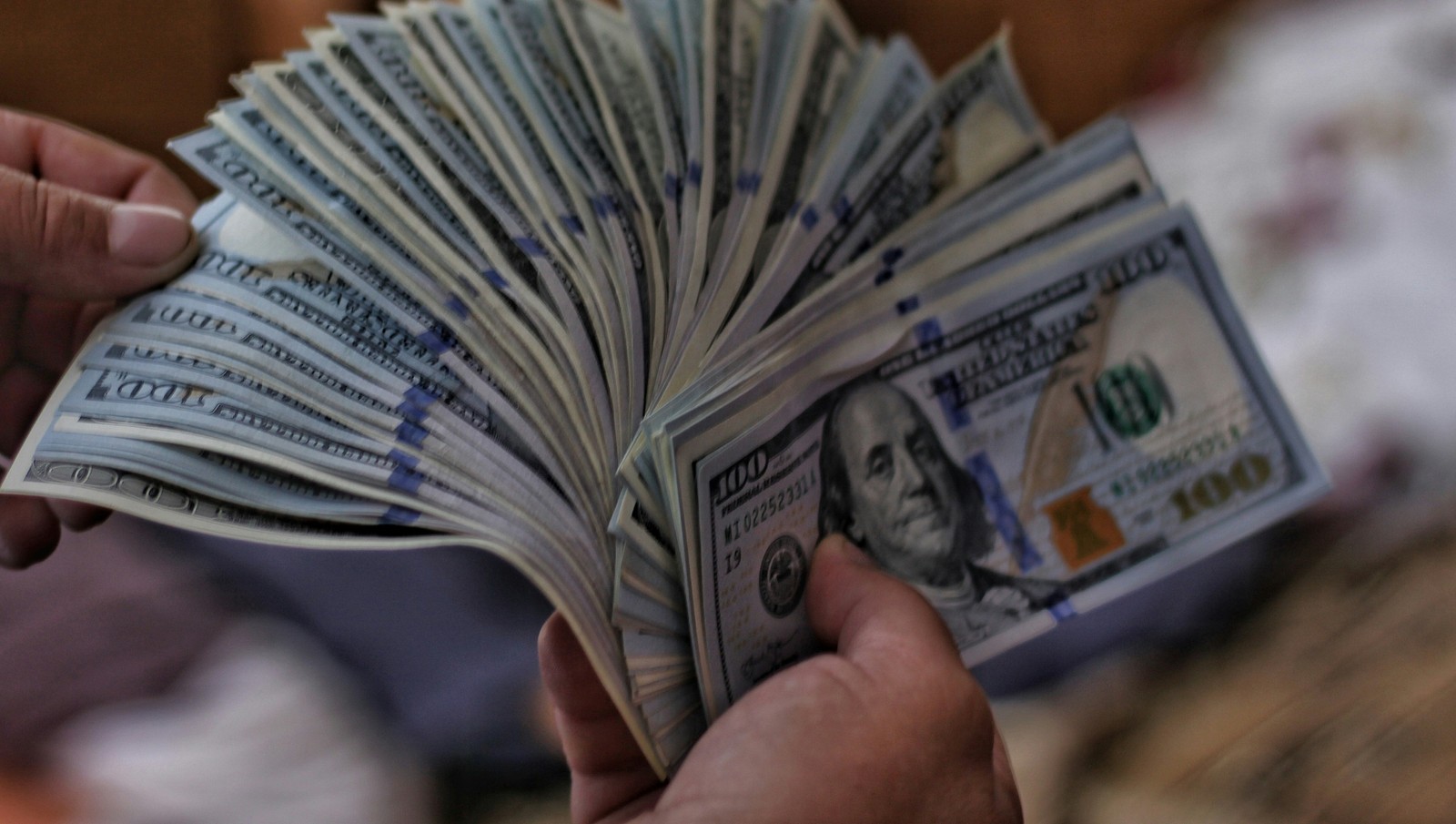
Presidents have to buy their own gifts? Truth is, they can receive gifts from foreign leaders, but they cannot always keep them as personal presents. If a gift is expensive enough to go over the government’s "minimal value" limit, it is treated as a gift to the American people. From there, the White House Gift Unit helps decide what happens to it. In fact, the president or First Lady can still keep the gift, but only if they buy it at fair market value. This rule exists so that a diplomatic gift does not appear to be a personal favor.

4
Own their official speeches
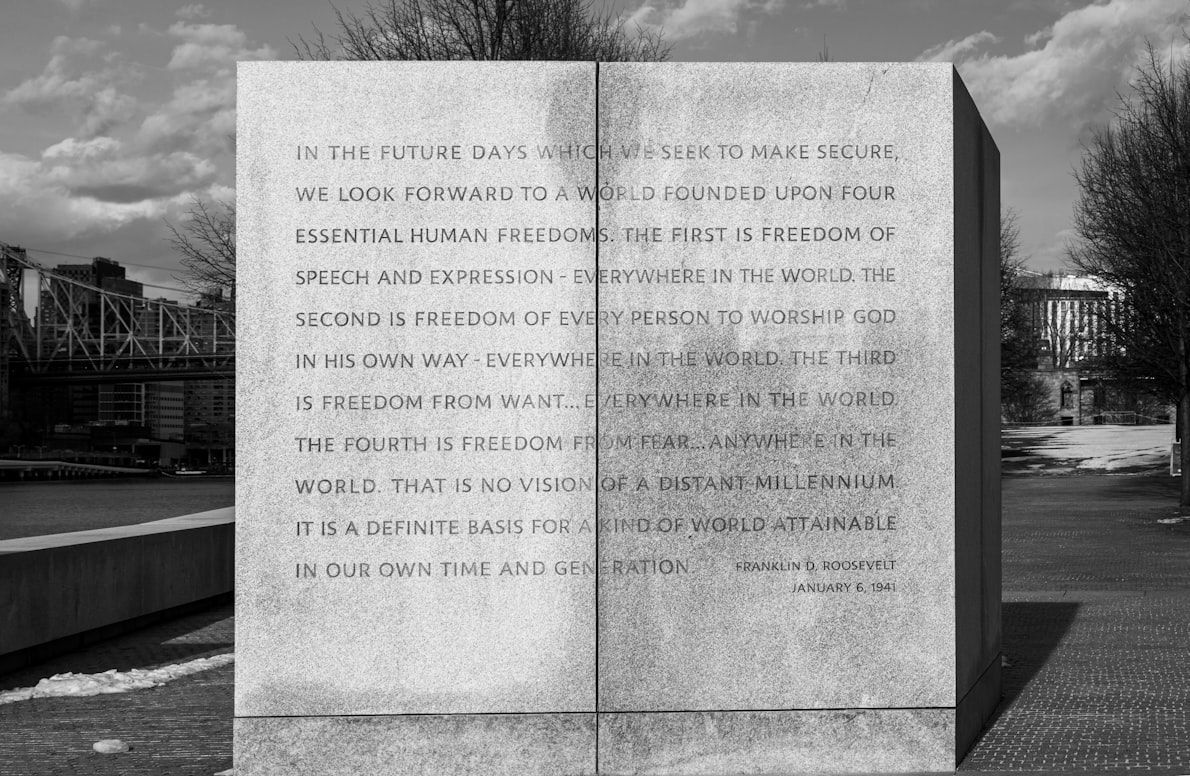
Image: Zoshua Colah

A president can stand at a podium and deliver a speech heard around the world, but that does not mean he is the private author of those words. Under U.S. copyright law, official presidential speeches are usually considered part of the public record because they are part of the job. That means people can quote them, share them, and reuse them more freely than a normal copyrighted text. You could say that the speech belongs less to the president and more to the country.

5
Enjoy a simple breeze
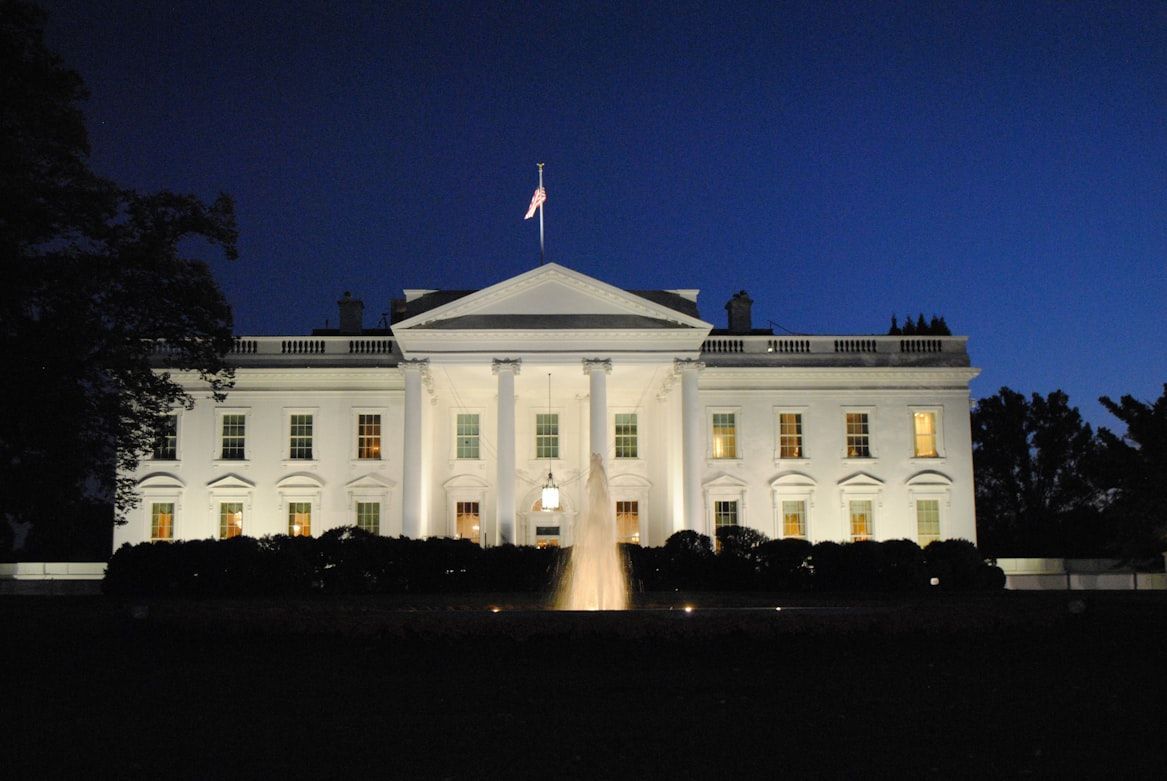
Image: Tabrez Syed

Picture the president’s reaction on his first day of office when he is advised that he is prohibited from opening windows. The White House and presidential vehicles keep their windows sealed to prevent the president from being attacked.

Michelle Obama once shared that there was one small break from those strict rules . During a short drive to Camp David, her Secret Service agent allowed her to open the car windows for a few minutes. She later described it as a feeling of normal people's luxury.

6
Block followers from official pages

Image: camilo jimenez

What about the president’s digital life? Technology advances quickly, and presidential security must keep up; presidents cannot simply use personal social media without being monitored. In 2018, a federal judge ruled that a president cannot block people from official social media spaces, because those accounts can be treated as public forums. So even online, presidents have some restrictions to follow.

7
Hit the road by themselves
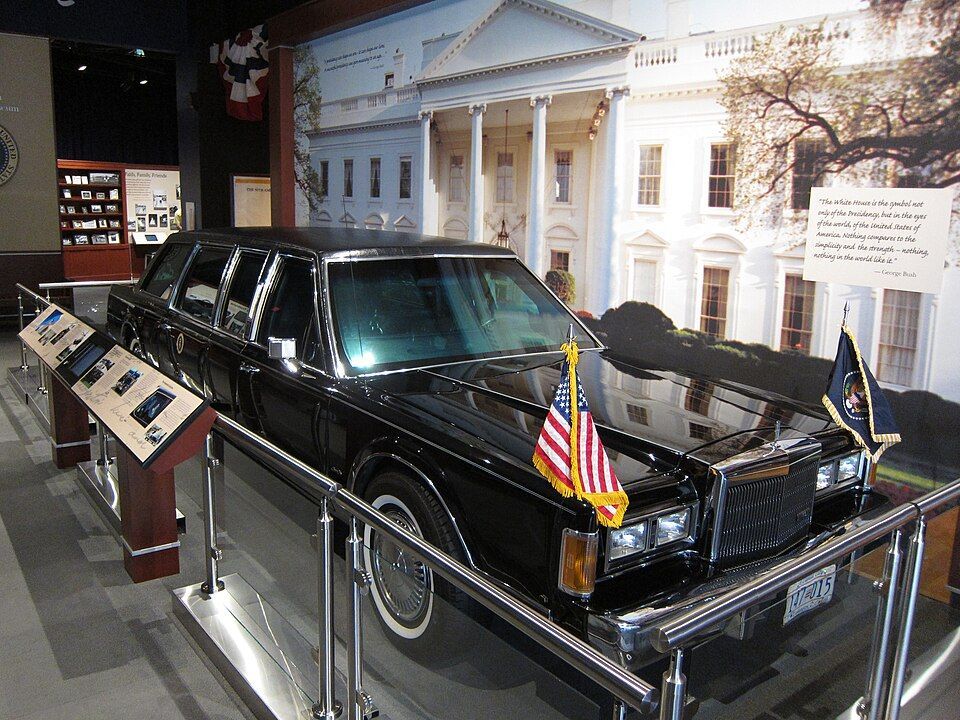
Image: edward stojakovic from chicago, United States

While in office, presidents and vice presidents are not allowed to drive on open roads. What’s more, the Secret Service must control their transportation in real time . There are some exceptions, though: inside personal properties, and in places like Camp David, they can drive, walk, and even ride a bike.

8
Throw away their own papers
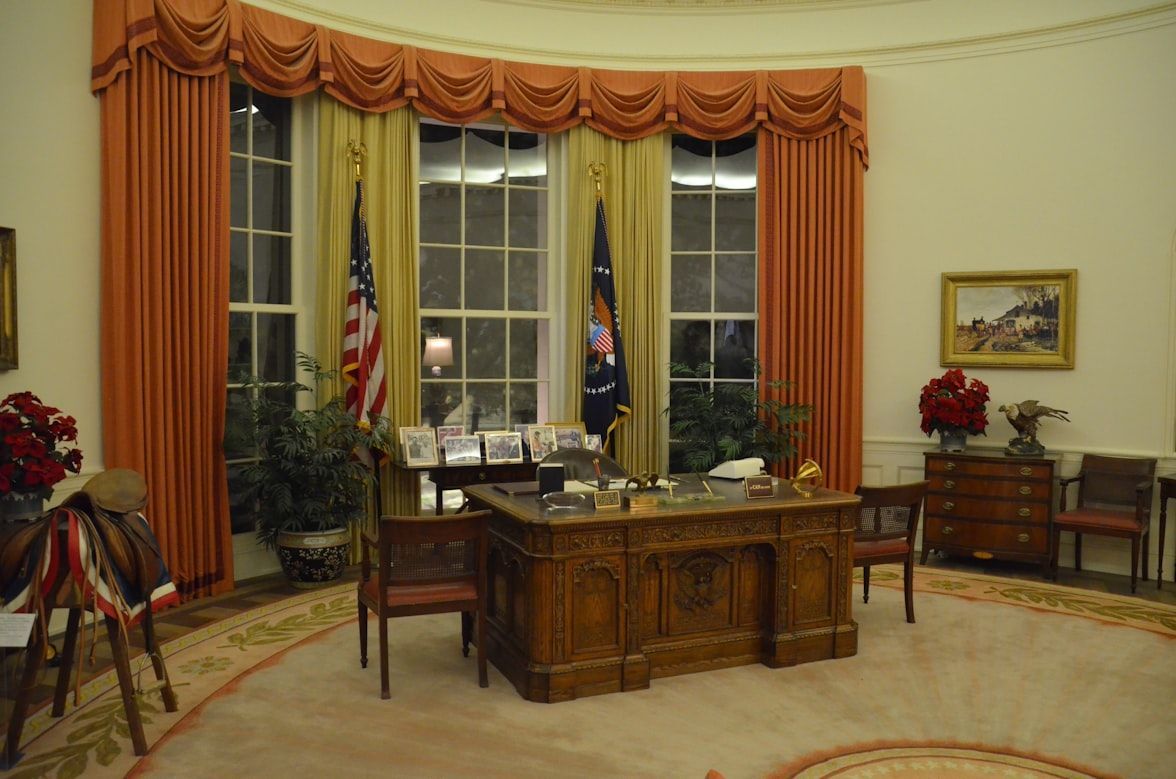
Image: Donghun Shin

Presidents also cannot treat their office like a normal workspace. Under the Presidential Records Act, letters, notes, and emails may count as official records. That means presidents are discouraged from simply cleaning up or throwing mail away on their own. Instead, White House staff must sort everything carefully first, so no important piece of history ends up in the trash by accident.

9
Join normal family outings
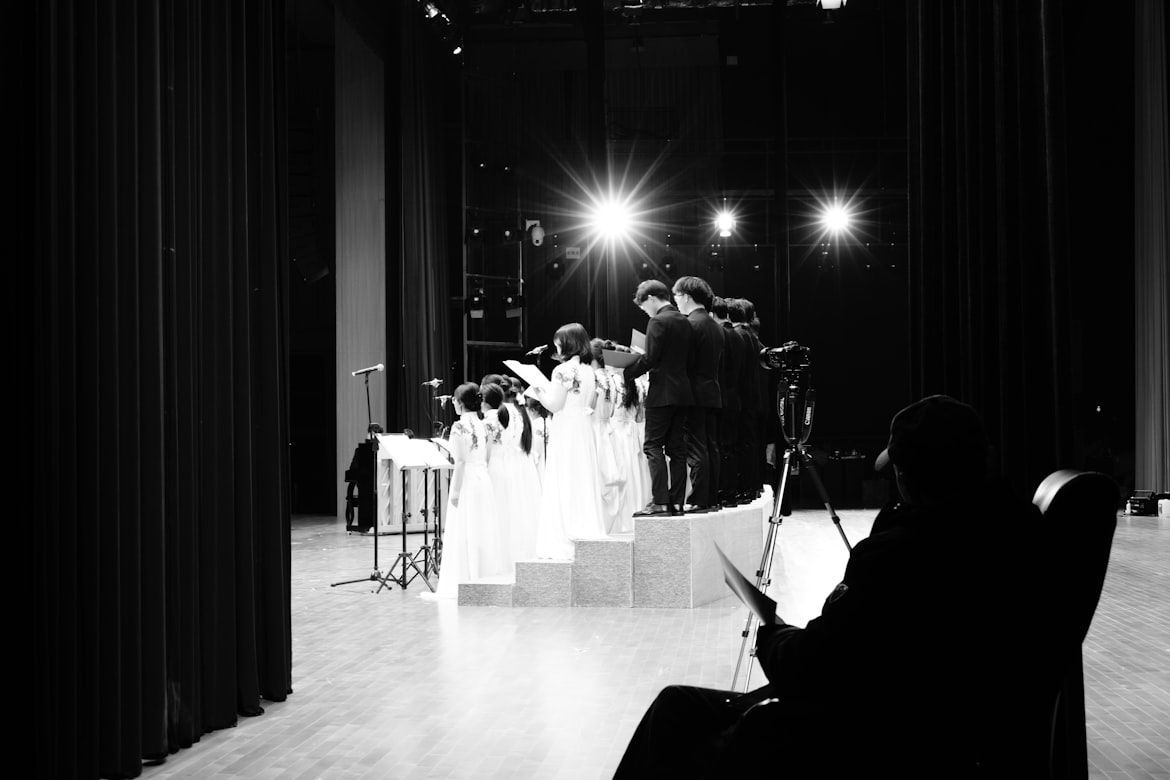
Image: YiChuan Li

Imagine the scene of the president casually arriving at his child’s school one morning. As we would assume, there are security restrictions that prevent presidents from attending a child or grandchild's concert or sporting event. These restrictions affect the entire First Family, but they also keep everyday situations from turning chaotic.

10
Scroll through a normal inbox
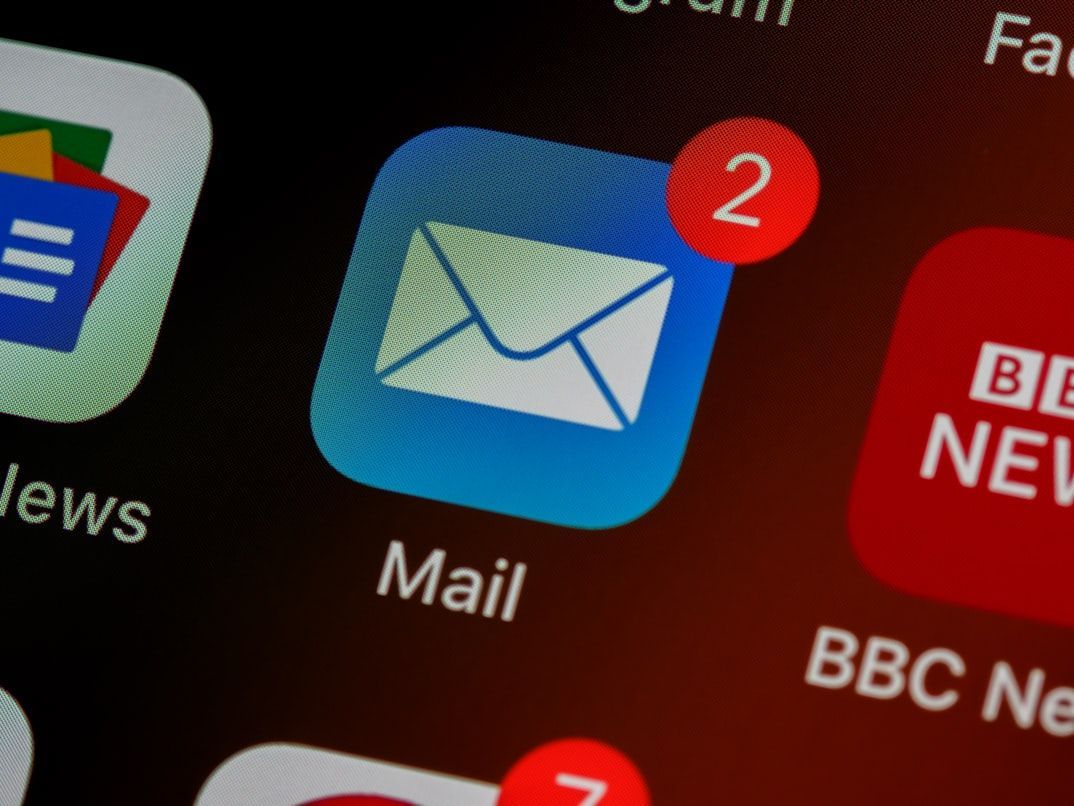
Image: Brett Jordan

Even the president’s inbox has personal security. People can send a message to the president online, but it does not go straight to a personal email account; it actually goes through the official White House contact form first. Then staff members read it, sort it, and decide where it should go. Since presidential emails can become part of the public record, they must be saved and handled carefully.
Geography Geography 3 min read

Don’t believe the movies

Debunking myths about the state of California

Image: zoe pappas

California inspires big dreams and even bigger expectations. Beaches that stretch forever, celebrities roaming freely, and the long-standing promise that anyone can "make it" there. But as much as the Golden State shines, it also carries a bushel of myths that don’t survive contact with reality. Ready for a myth-busting tour?

1
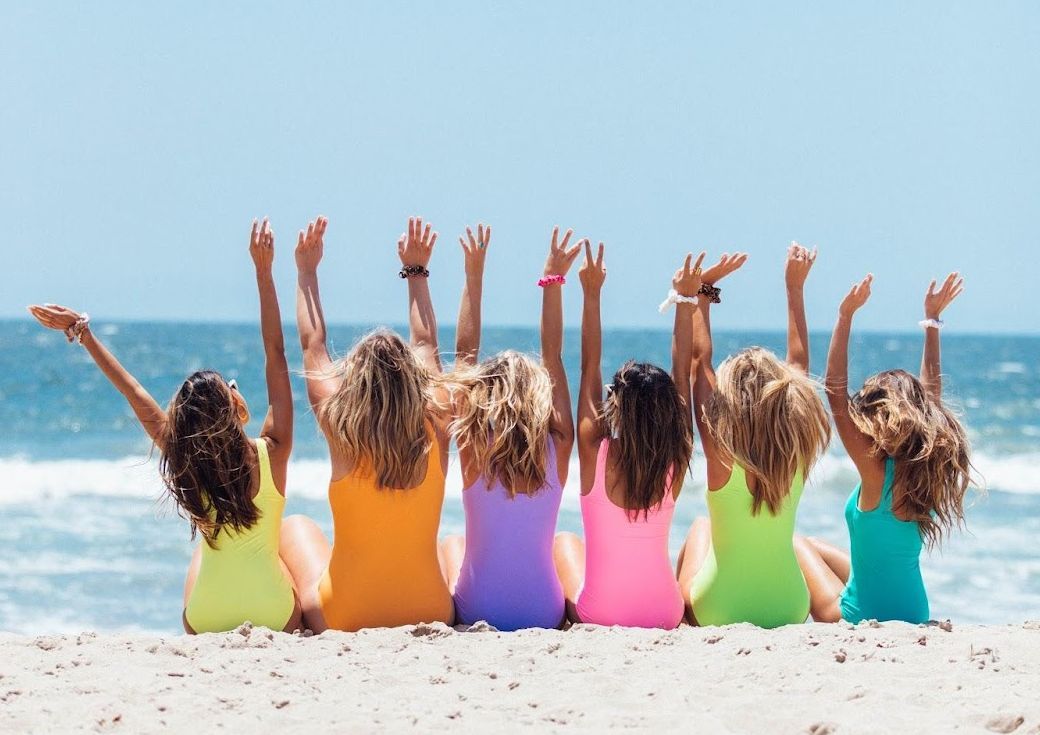
The entire coastline is made of glorious sandy beaches

Image: Jeremy Bishop

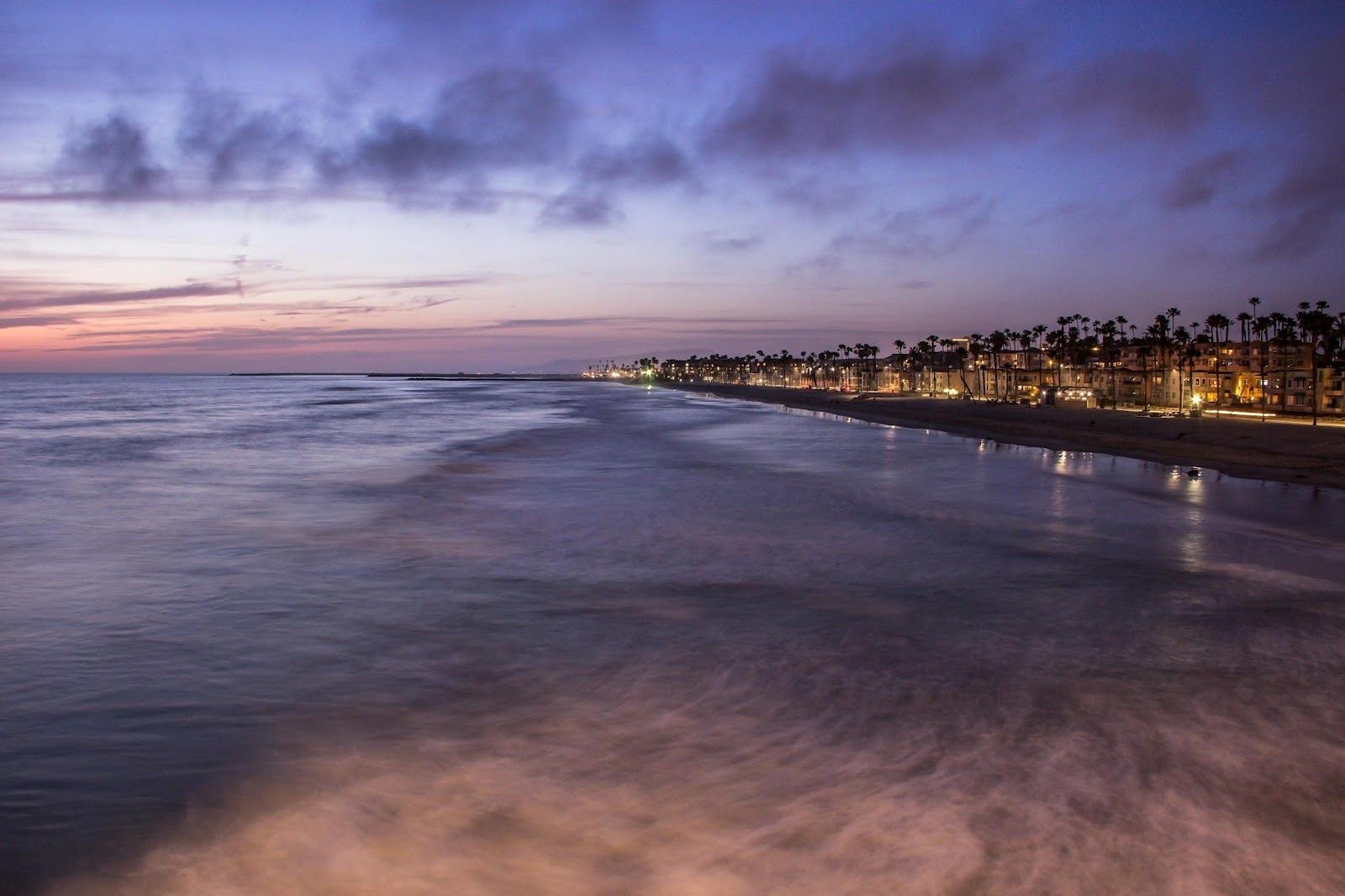
California’s coastline is long, gorgeous, and wildly varied. Much of it is dominated by cliffs, rocky shores, and chilly waters. Even many popular beaches require a wetsuit if you actually want to get in the water.

Yes, some stretches are ideal for volleyball and sunbathing, but others are better suited to photography.

2
Celebrities are everywhere and happy to mingle

Image: Bibi

It’s tempting to imagine Los Angeles as one giant red-carpet event, but daily life looks a lot more ordinary. Celebrities tend to live in gated communities, travel in private cars, and pick very discreet places to relax.

You might spot one, but you’re far more likely to meet tourists looking for celebrities than actual celebrities themselves.

3
Move to Hollywood and become a star overnight

Image: Edgar Colomba

Hollywood is full of dreamers, but most of them are hustling on the side, waiting tables, doing gig work, and going to audition after audition.

Fame is rarely instant. It’s more like a very long, very competitive marathon that most people don’t see unless they live there.

4
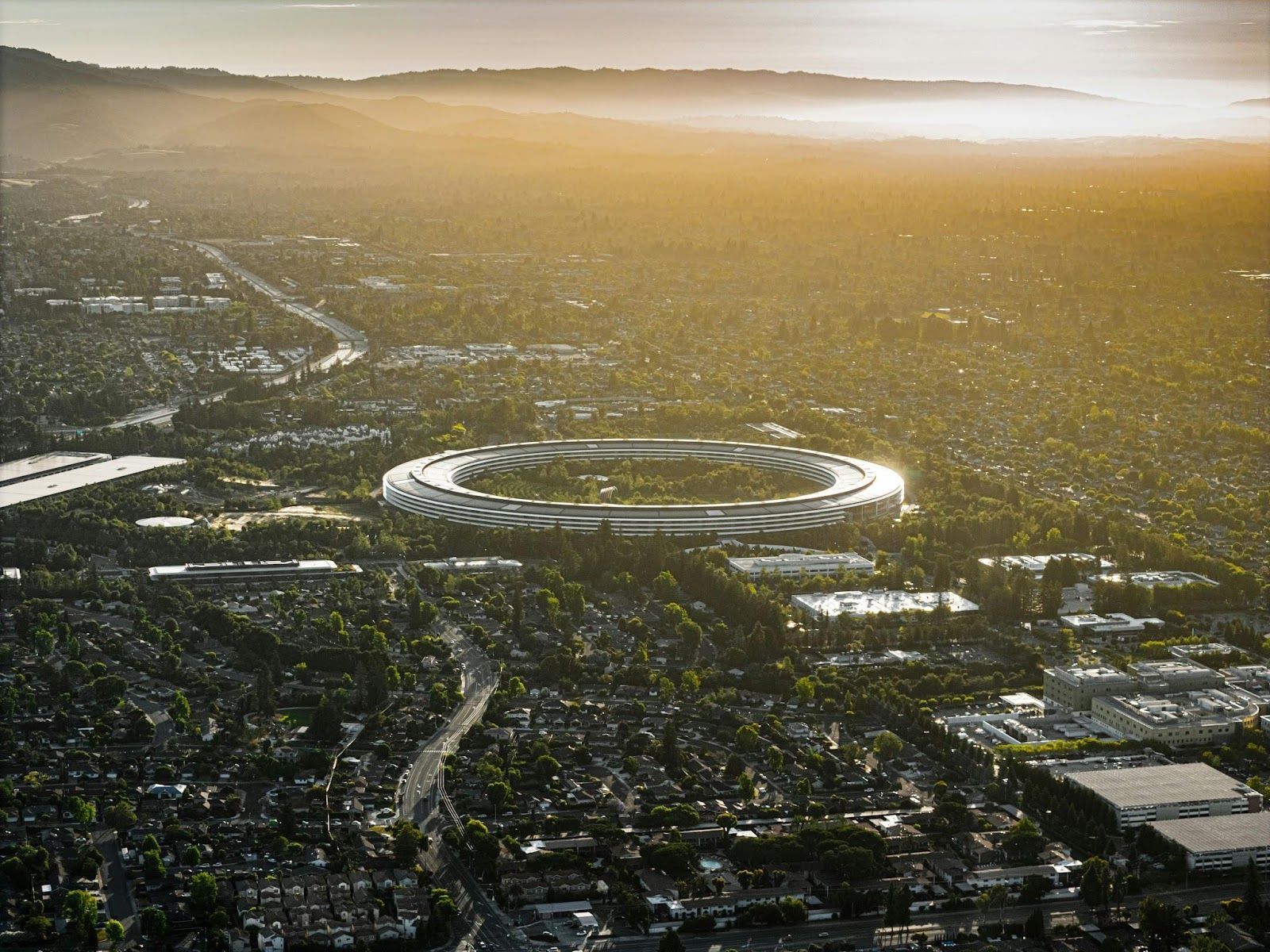
Move to Silicon Valley and become an overnight startup whiz

Image: Nils Huenerfuerst

It’s true that Silicon Valley is packed with entrepreneurs and investors. But it’s also full of failed startups, intense work schedules, and fierce competition.

Raising money is tough, building a product is tougher, and surviving long enough to succeed is almost heroic. The myth of "instant unicorn status" is just like the myth of instant movie stardom.

5
The weather is sunny and perfect year-round

Image: Roberto Nickson

California’s climate varies dramatically. Coastal fog in the Bay Area can last all day, winter rainstorms sweep through the north, inland valleys hit triple-digit heat, and wildfire season is a yearly threat.

6
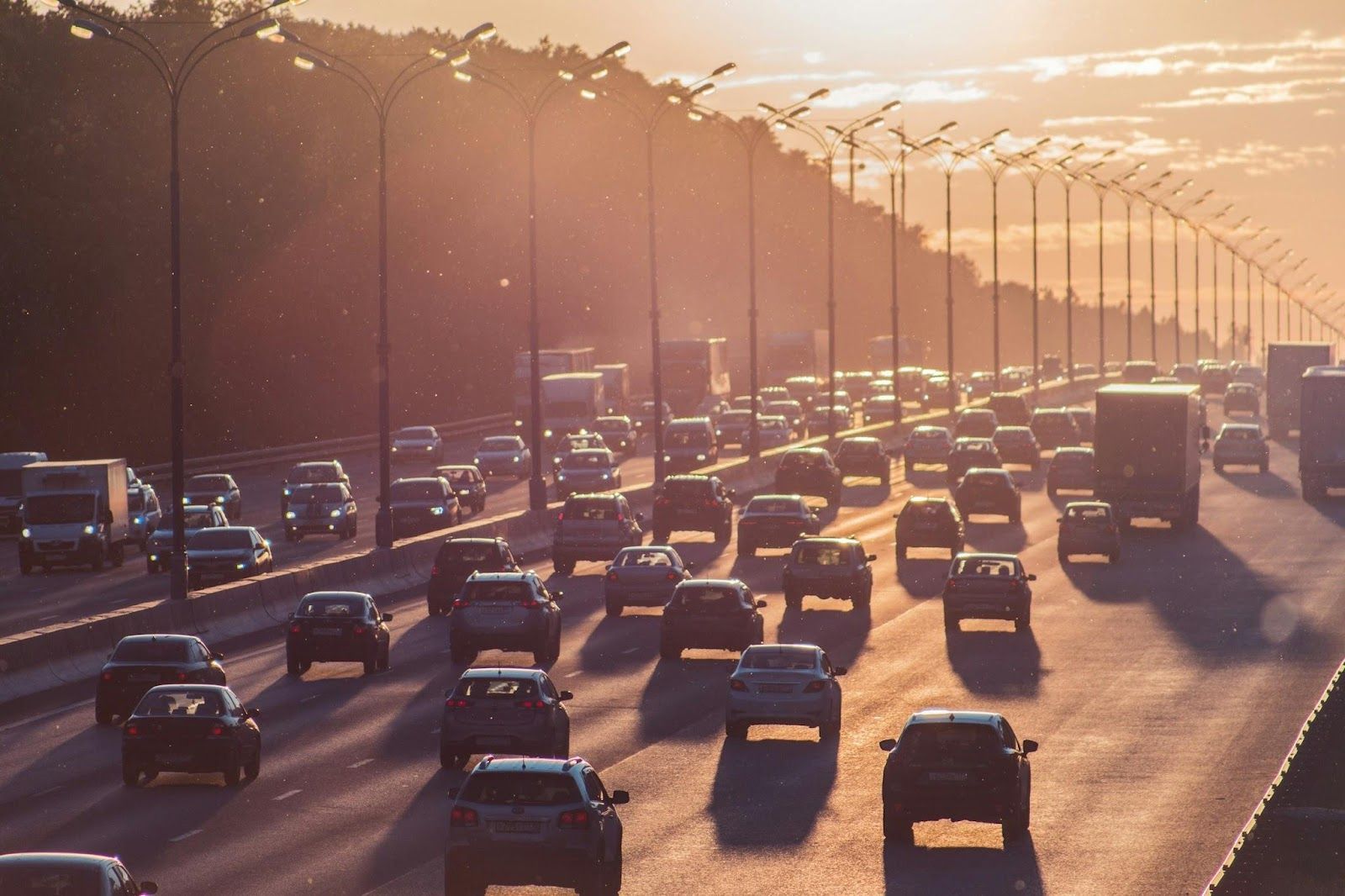
Traffic is terrible, everywhere

Image: Aleksandr Popov

The traffic horror stories from Los Angeles are quite real, but they’re not universal. California is huge, and plenty of mid-sized cities and rural areas have perfectly manageable commutes. Even in LA, traffic ebbs and flows.

7
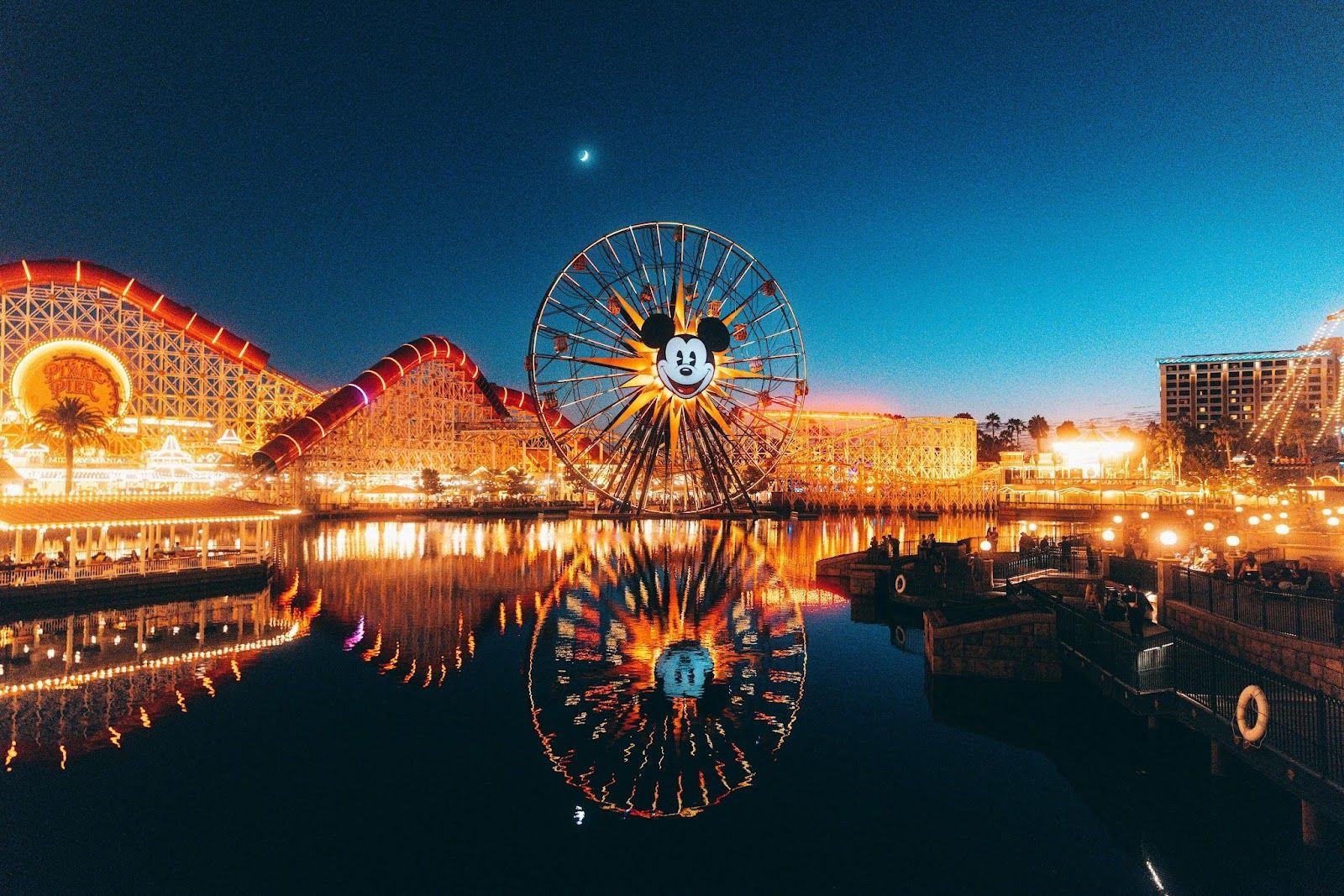
Californians go to Disneyland every other weekend

Image: Isaac Garcia

Disneyland may be magical, but it’s also expensive, crowded, and logistically complex. Most residents go once in a while, not as a biweekly ritual. Sure, annual passholders exist, but they’re the exception.

8
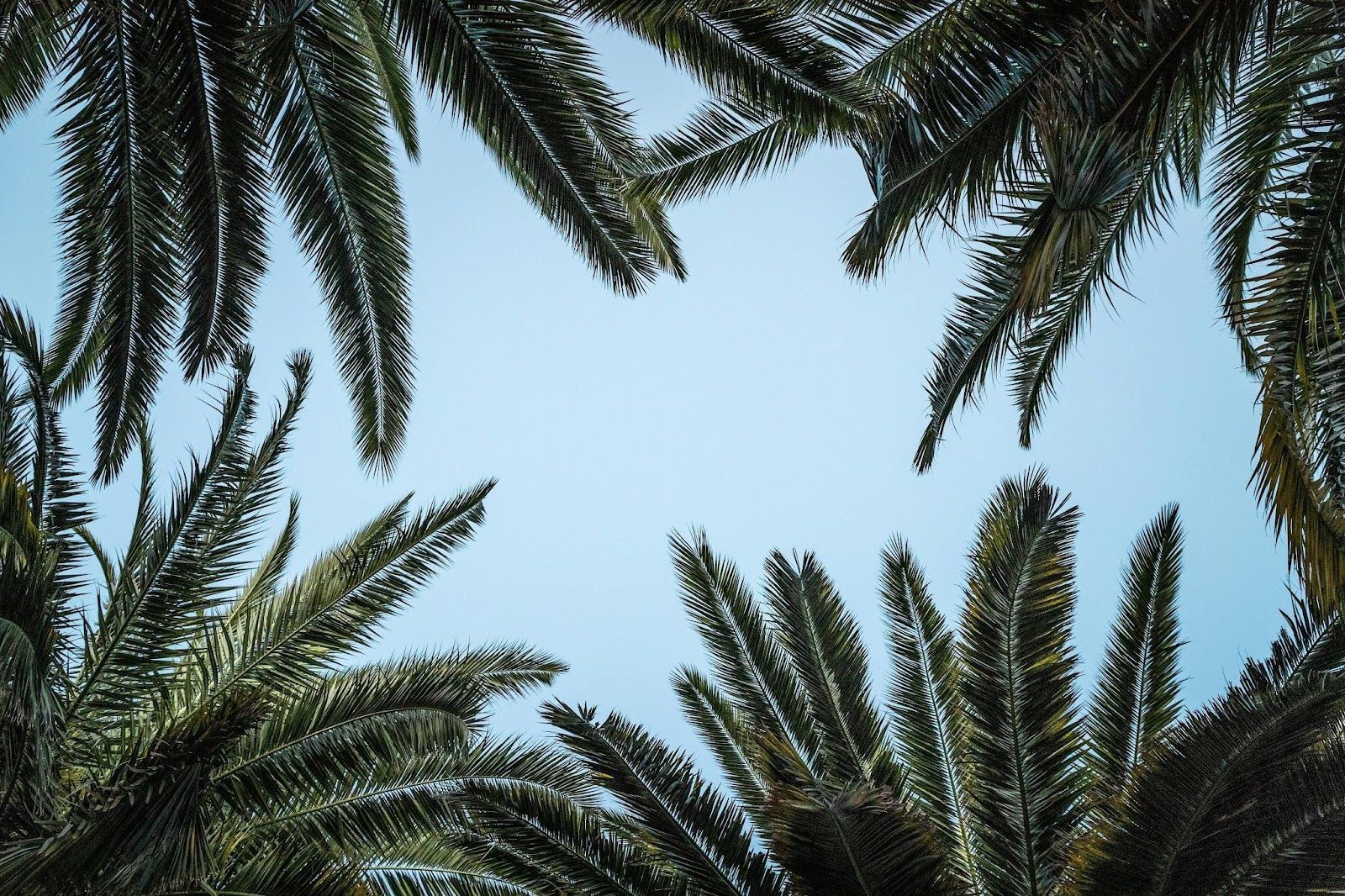
You’ll find palm trees everywhere

Image: Mitchell Luo

Palm trees are iconic, but they’re not the dominant tree across the state. Many were imported, and Los Angeles’ famous palms are aging out and not being widely replaced. Walk outside the major tourist zones, and you’ll see oaks, pines, sycamores, and far fewer "tropical vacation" vibes than the postcards suggest.

9
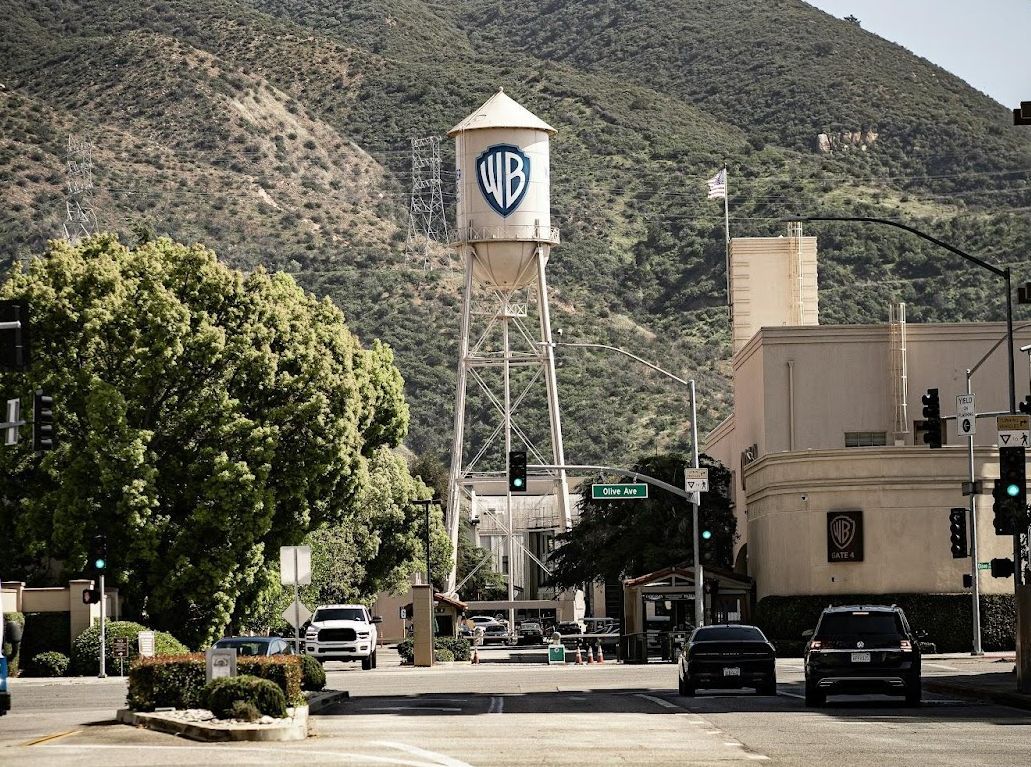
Movies are being filmed on every corner

Image: clement proust

You may stumble across a film crew once in a blue moon, but the vast majority of production happens on studio lots or in specifically chosen neighborhoods. Filming permits are expensive, traffic control is complicated, and spontaneous street-corner movie shoots aren’t as common as people think.

10
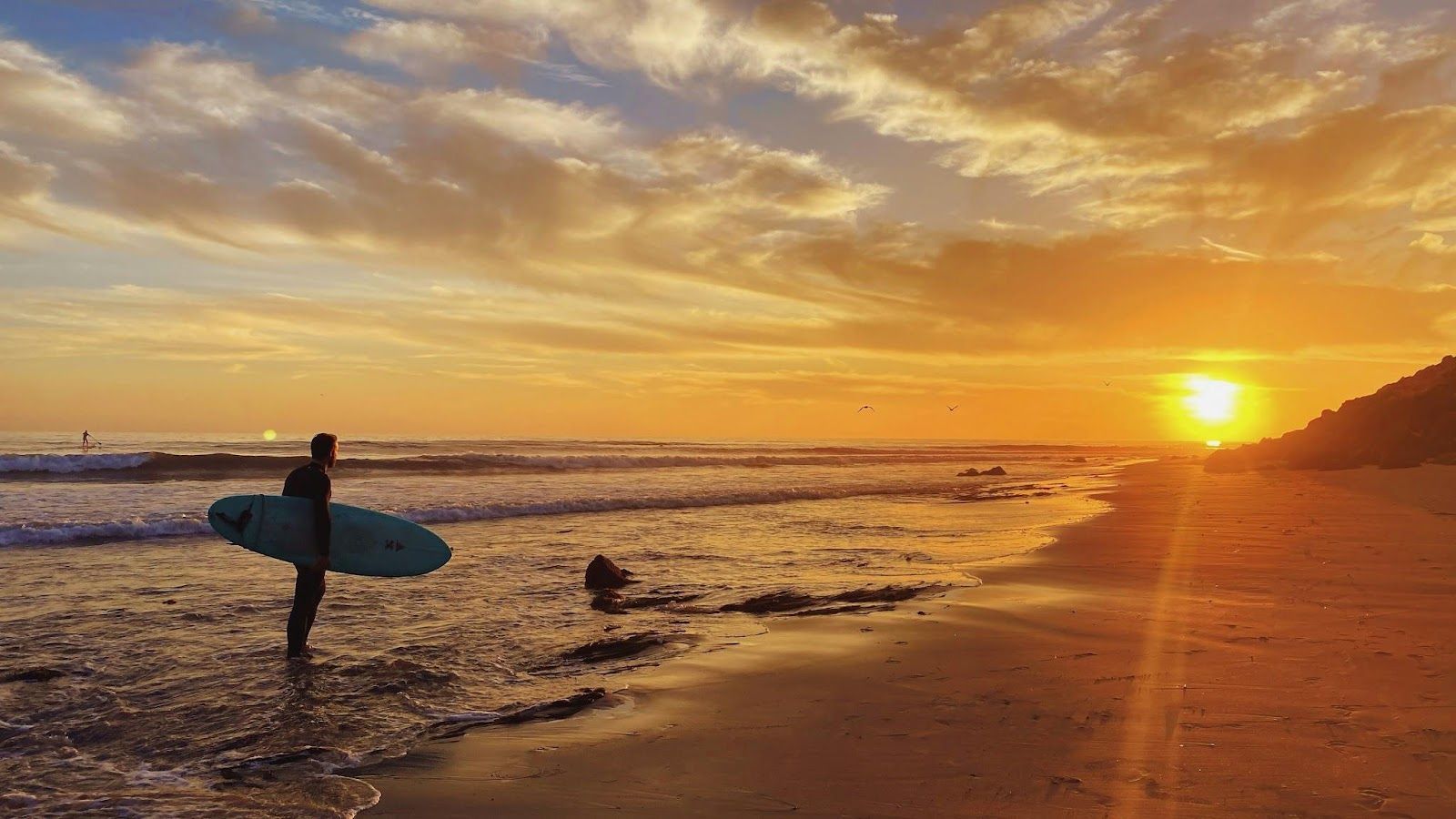
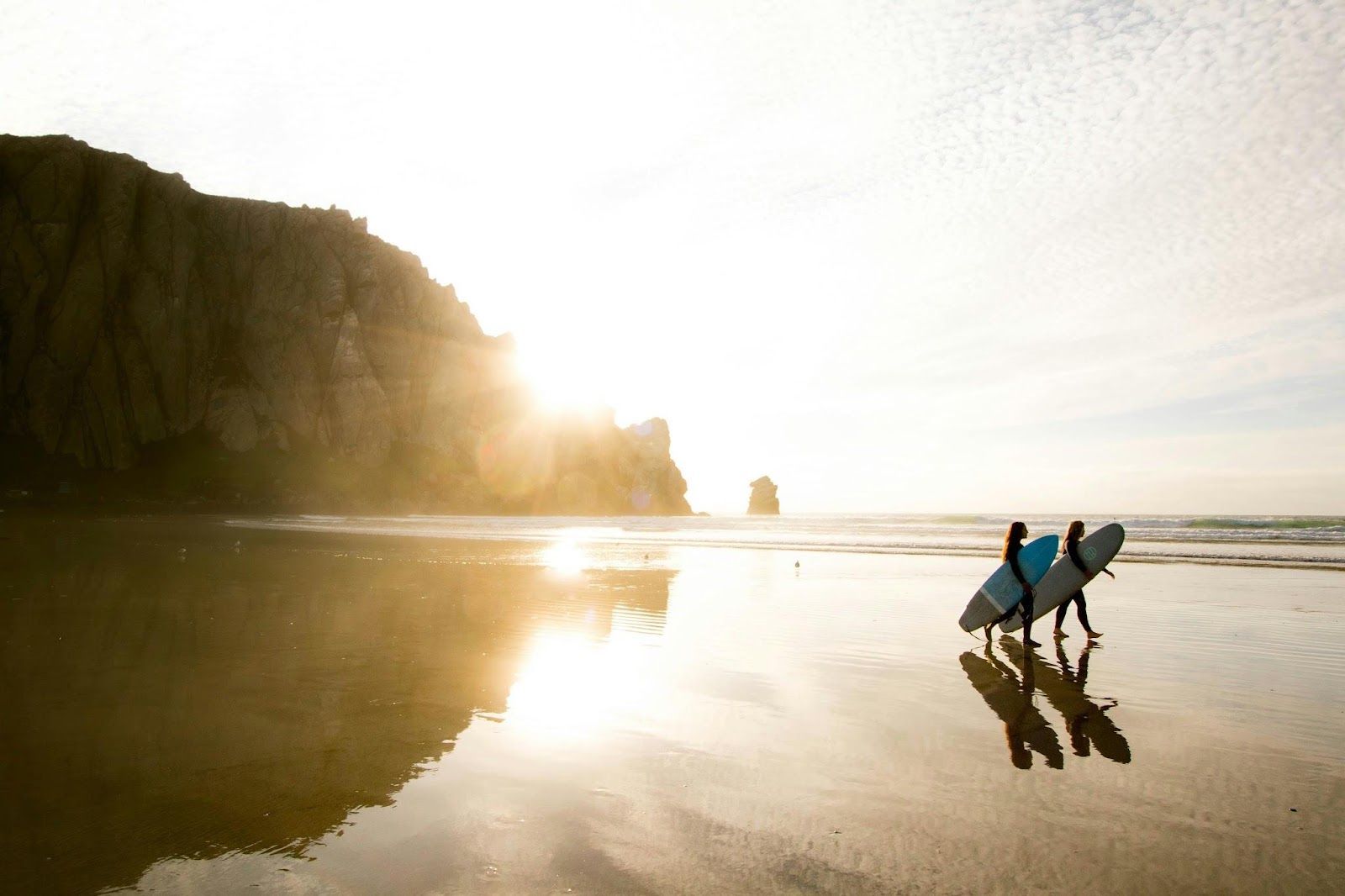
Everyone is a surfer

Image: Jacob Steckmann

Surfing is a proud part of California culture, but not a universal one. Many residents have never touched a surfboard, and the cold Pacific waters can be intimidating even for the brave. The idea that everyone wakes up, grabs a board, and runs to the beach is more Hollywood montage than real life.

11
Everyone lives close to the ocean

Image: Jonathan Schmer

California’s population is spread across vast inland regions, including the Central Valley, Sacramento, and the Inland Empire, which are all hours away from the coast. Plenty of Californians only see the ocean during vacation.

12
The food is all organic, clean, and hyper-healthy

Image: Jannis Brandt

Yes, you’ll find green juices, vegan cafés, and farm-to-table everything. But California is also home to drive-thrus, giant burritos, and some of the most indulgent comfort food around. The "everyone eats quinoa and sunshine" trope doesn’t hold up once you explore beyond the trendy spots.

13
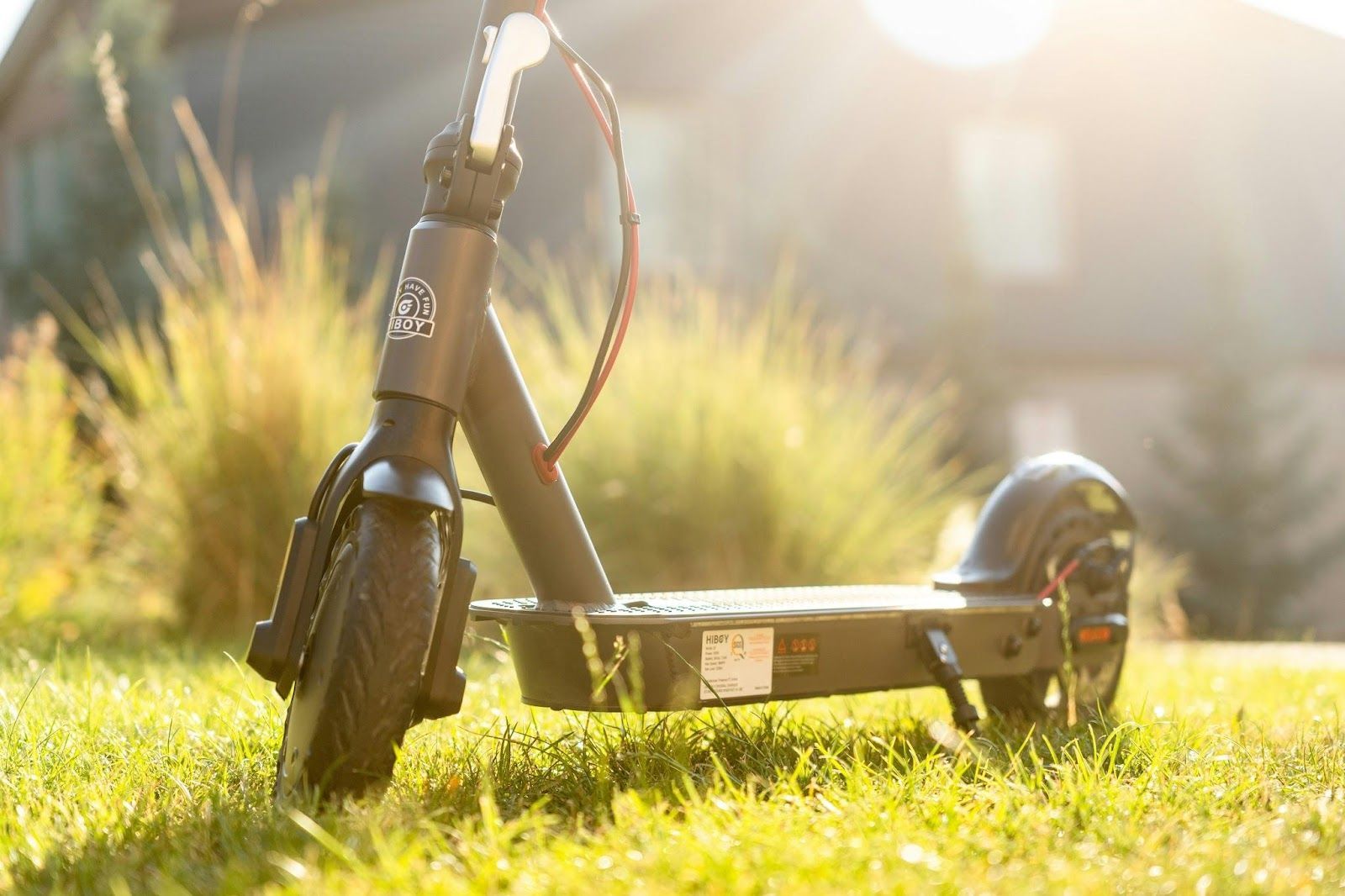
Everyone commutes by bike, skateboard, or electric scooter

Image: Hiboy

It looks cool in TV shows, but in reality, most Californians commute by car. Public transportation is limited outside a few areas, and long distances make biking impractical for many.

14
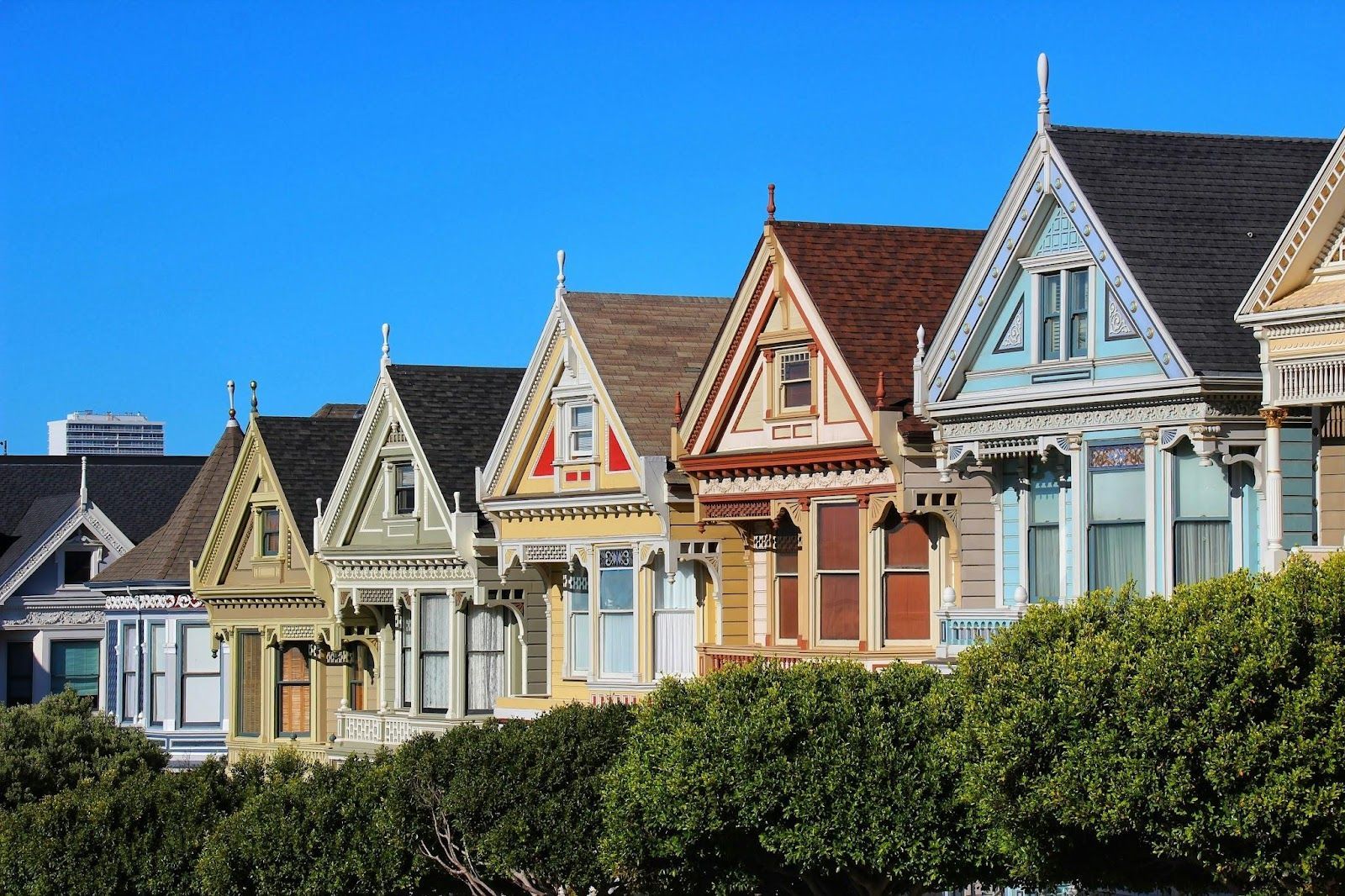
Everything in California is incredibly expensive

Image: Martin Zenker

Housing in places like San Francisco is famously pricey, but California also includes smaller cities and rural communities where the cost of living is much closer to the national average.

History History 3 min read

Remembering the fallen

A nation remembers: The evolution and meaning of Memorial Day

Image: Joel Rivera-Camacho

Memorial Day is an occasion to honor and mourn those who gave their lives in defense of the United States . This federal holiday, observed on the last Monday of May, has a long and evolving history, and it wasn’t always celebrated the way we know it today. Here are 10 facts about how Memorial Day came to be.

1
Decoration Day

Image: Caroline Attwood

Memorial Day was originally called Decoration Day and was first observed on May 30, 1868, as a way to honor Union soldiers who had died in the Civil War. However, the idea behind it actually came from the South. Mary Ann Williams , whose husband died during the conflict, wrote a letter to a newspaper urging women to set aside a day to decorate the graves of fallen soldiers.

2
The end of May

Image: Sergey Shmidt

Decoration Day was instituted by the Army’s commander-in-chief, General John A. Logan , and was quickly adopted by most states. There are several theories about why the date was chosen: some say Logan purposely picked a day that was not the anniversary of any Civil War battle, while others believe he chose it because it’s the time of year when most flowers bloom.

3
National Cemeteries

Image: J. Amill Santiago

During the American Civil War, the U.S. Congress passed an act to create military burial places for Union soldiers. By the end of that year, 12 national cemeteries had been established. Today, the National Cemetery System maintains 164 military burial sites, the most well-known being Arlington National Cemetery and Gettysburg National Cemetery .

4
Renaming

Image: David Everett Strickler

The term Memorial Day was first recorded in the 1880s and grew increasingly popular after World War II. However, the holiday wasn’t officially renamed until 1968, when the Uniform Monday Holiday Act moved its observance from May 30 to the last Monday in May.

5
A moment for remembrance

Image: Greg Bulla

The establishment of Memorial Day weekend has been seen by some as a benefit to the travel, sports, and entertainment industries. Veterans’ organizations have urged that the holiday be returned to its original date, arguing that the three-day weekend undermines its intended meaning. In response, Congress passed the National Moment of Remembrance Act , which encourages people to pause at 3:00 p.m. for a moment of silent reflection and remembrance.

6
Poppies

Image: Laurentiu Iordache

Several English-speaking countries adopted the poppy flower as a symbol of remembrance for fallen soldiers after World War I. This tradition was inspired by the poem In Flanders Fields , written by Canadian military doctor John McCrae , which describes poppies growing among soldiers’ graves. In the United States, the poppy was originally associated with Veterans Day but is now primarily worn during Memorial Day weekend.

7
The flag

Image: Gaurav Pikale

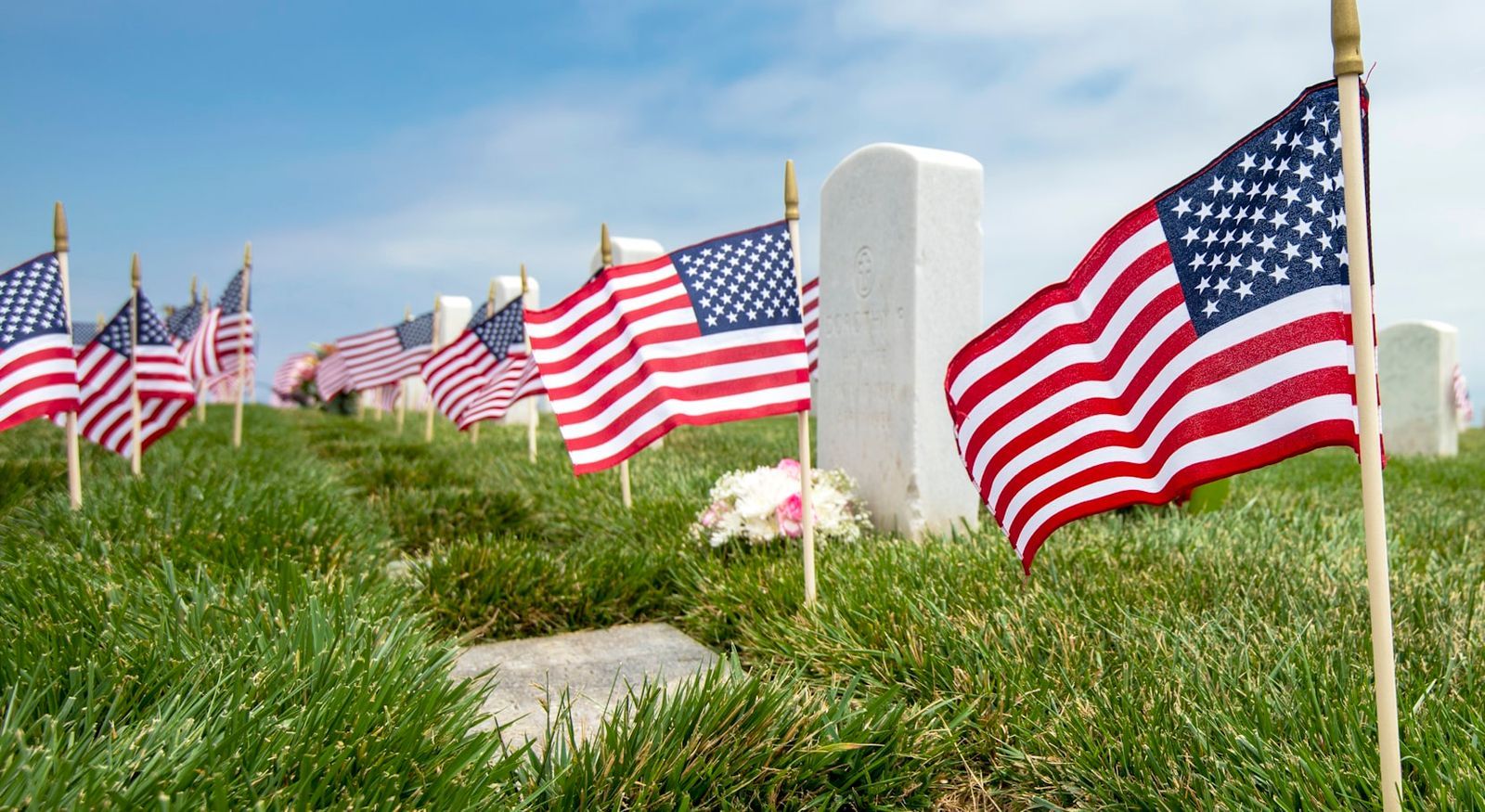
The national flag flies at half-staff during periods of mourning. While special instances of mourning can be proclaimed by government authorities, remembrance holidays follow a set protocol. On Memorial Day, the U.S. flag is briskly raised to the top of the staff, then solemnly lowered to half-staff, where it remains until noon. At that time, it is raised again to full staff to honor the nation’s living heroes and those still serving.

8
The Unknown Soldier

Image: J. Amill Santiago

One of the focal points of Memorial Day is the Tomb of the Unknown Soldier at Arlington National Cemetery . This symbolic monument was established in 1921 and originally held the remains of an unidentified soldier who died in World War I. Later, unidentified soldiers from World War II and the Korean War were also interred at the site. A permanent military guard stands watch year-round, honoring the sacrifice of all unidentified service members.

9
Memorial Wreaths

Image: Jack Bulmer

Wreaths are a common sight on Memorial Day—but where does the tradition come from? In 1992, Morrill Worcester, owner of a wreath company in Maine, found himself with a surplus of holiday wreaths. Wanting to put them to good use, he donated them to Arlington National Cemetery as a tribute to the fallen—a gesture that soon became an annual tradition. After a photo of the wreath-covered graves went viral in 2005, the nonprofit organization Wreaths Across America was established to help volunteers place wreaths on veterans’ graves across the country.

10
The start of the summer

Image: David Everett Strickler

Even though it is a day of remembrance, Memorial Day weekend also marks the unofficial start of summer . The holiday often coincides with the end of the school year, and the warmer weather encourages families to gather for barbecues and cookouts, attend parades, and visit the graves and memorials of fallen soldiers.

Explore more American facts

Choose your favorite category!

General
General

As American as apple pie—the very best America has to offer!

Culture
Culture

Delve into the astounding richness of American lore.

Geography
Geography

Hop in and explore vast and diverse American landscapes.

History
History

Discover the key moments that shaped the United States.