General General 3 min read

How many are we?

Very few people know these key facts about the census. What about you?
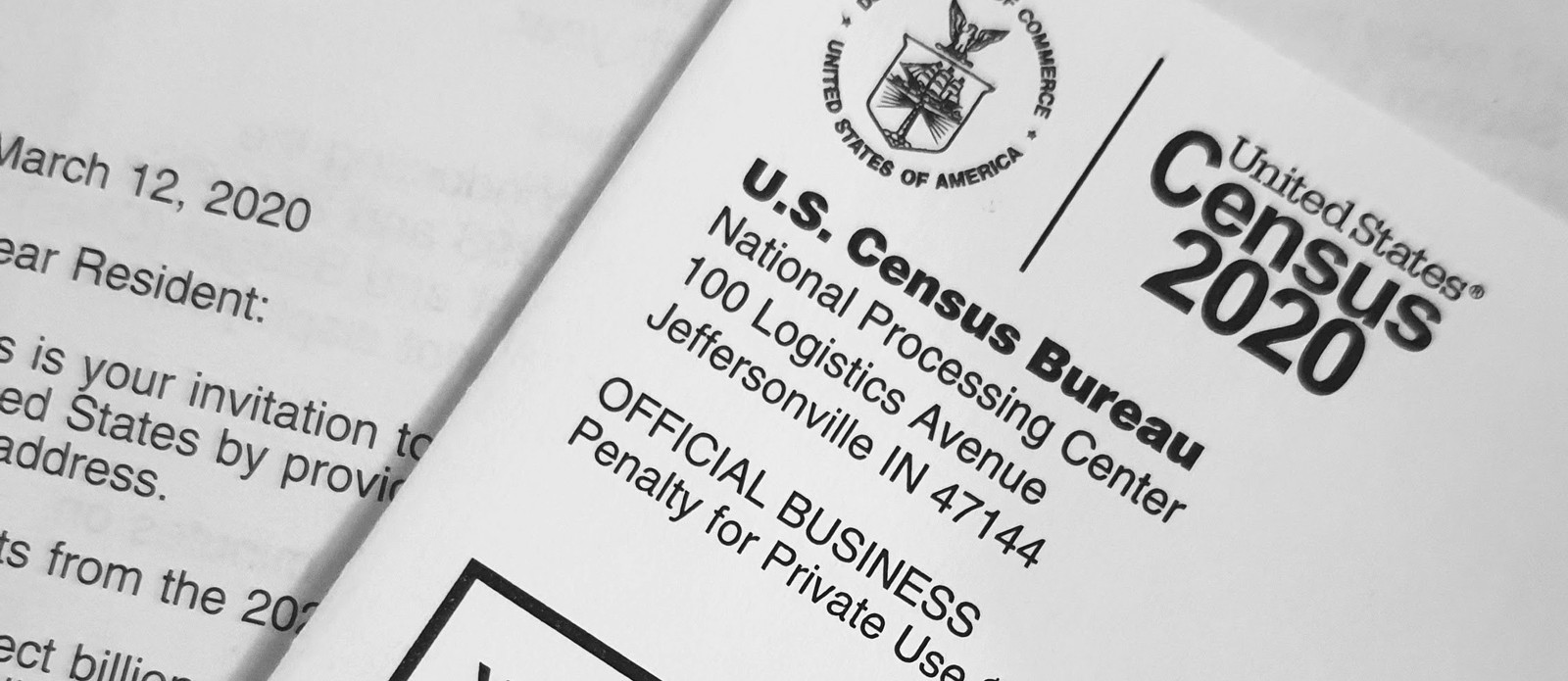
Image: Enayet Raheem

Every 10 years, the U.S. undertakes one of its largest and most important national efforts: counting its population. Required by the Constitution since 1790, the census shapes political representation, funding, and planning across the country. While it may seem simple, it involves millions of households, strict legal protections, and years of preparation. Here’s how it all comes together.

1
It happens every 10 years
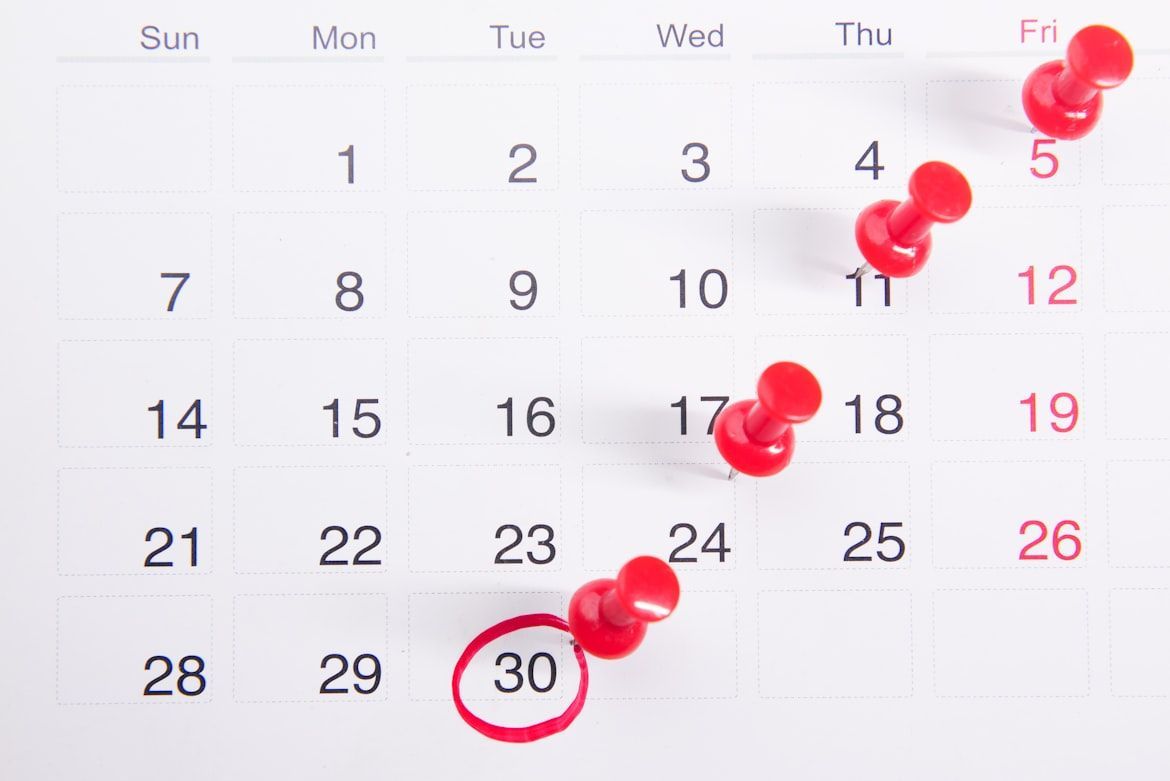
Image: Towfiqu barbhuiya

The U.S. Census is required by Article 1, Section 2 of the Constitution and takes place every decade, ending in "0," such as 2000, 2010, and 2020 . The first census was conducted in 1790 under President George Washington.

This fixed schedule ensures consistency. Population changes over time, so a regular count allows the government to fairly adjust representation and resources based on where people actually live.

2
It counts everyone living in the U.S.
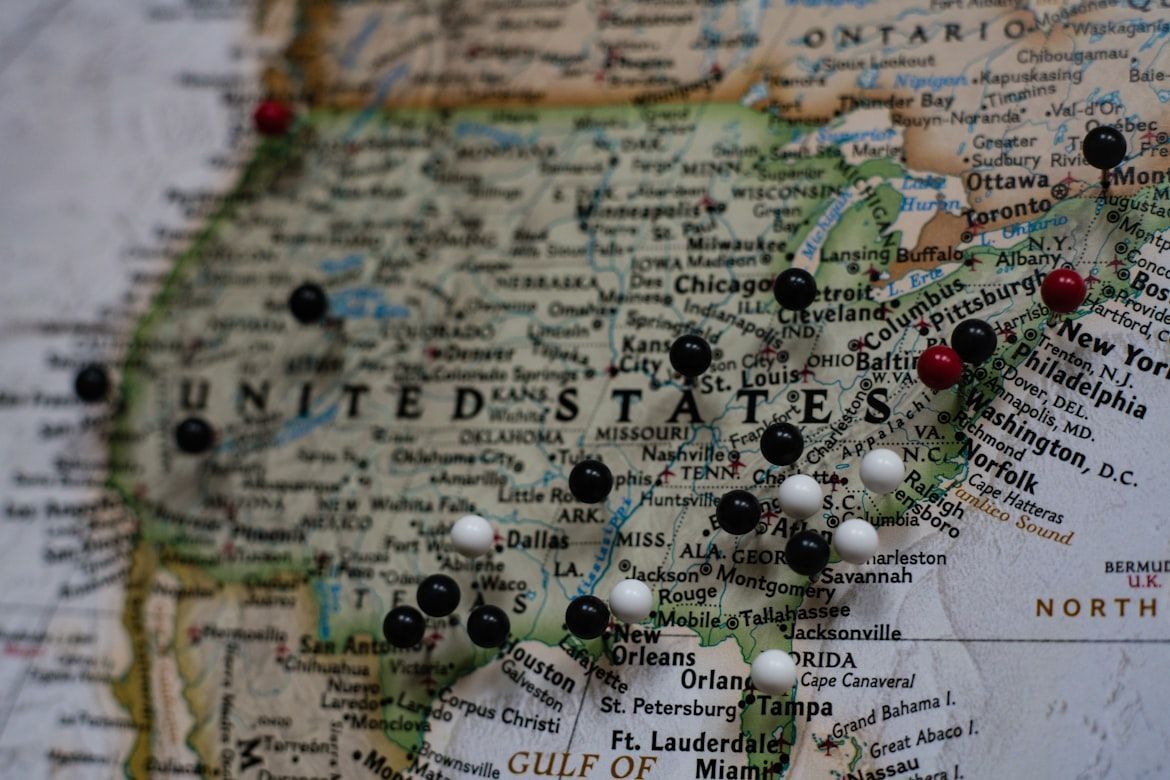
Image: Joey Csunyo

The census aims to count every person residing in the country, not just citizens. This includes legal residents, undocumented immigrants, and people without permanent housing .

The key concept is "usual residence," meaning where a person lives most of the time. This approach provides a realistic snapshot of the population and ensures communities are represented accurately.

3
It determines seats in the House of Representatives
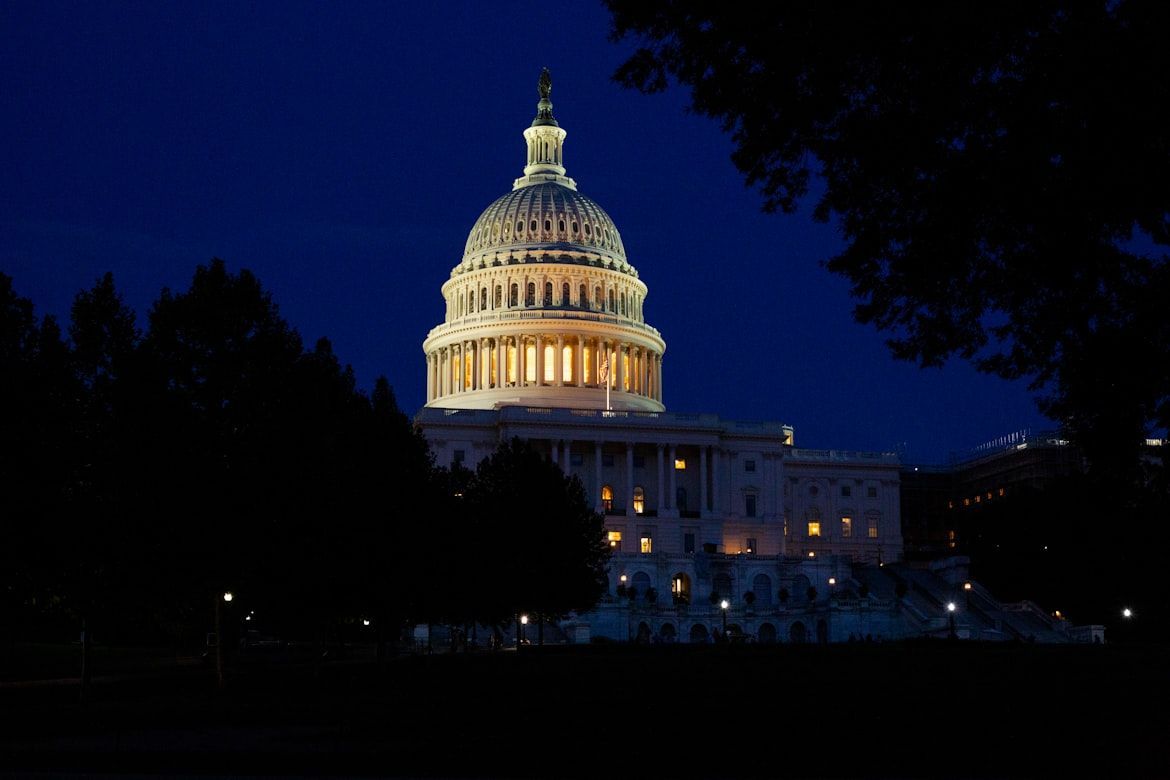
Image: Darren Halstead

Census results are used to divide the 435 seats in the U.S. House of Representatives among the 50 states , a process known as apportionment.

States can gain or lose seats depending on population shifts. For example, after the 2020 census, Texas gained two seats, while states like California and New York lost one each due to slower growth.

4
It influences federal funding
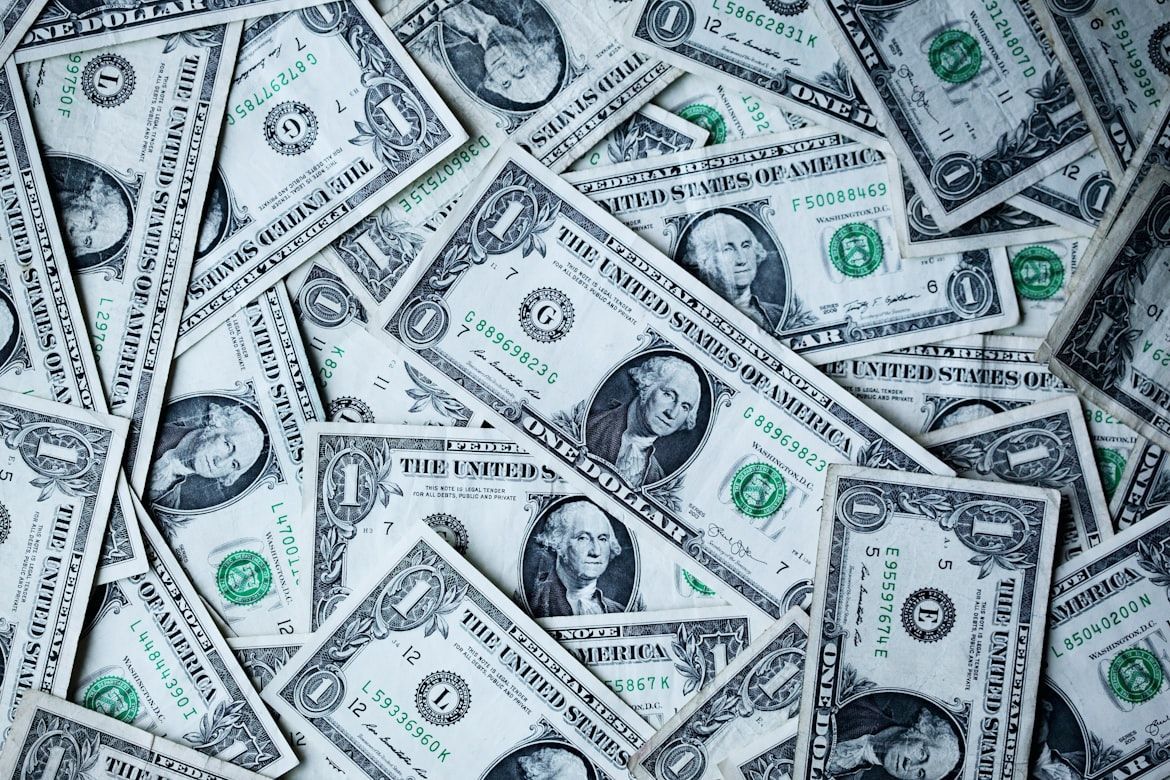
Image: Alexander Grey

Census data guide the distribution of hundreds of billions of dollars in federal funding each year, with estimates ranging from $675 billion to $1.5 trillion.

Programs for highways, hospitals, schools, and housing depend on population figures . Areas with higher populations typically receive more funding, making an accurate count financially important for communities.

5
Households receive census invitations

Image: Nguyen Dang Hoang Nhu

Every household in the United States receives an official census invitation , usually by mail. In 2020, more than 140 million housing units were included.

This system replaced earlier door-to-door counting methods. Using a national address database helps ensure broad coverage and makes it easier for people to respond on their own.

6
It can be completed online, by mail, or by phone

Image: sofatutor

The modern census offers multiple ways to respond. In 2020, people could complete it online, by mailing back a paper form, or by phone .

Adding online responses marked a major shift. It reduced costs, improved convenience, and reflected how Americans increasingly move towards digital communication.

7
Census workers follow up in person

Image: BoyuZhang1998, CC BY-SA 4.0, via Wikimedia Commons

If households do not respond, trained census workers, called enumerators, visit homes in person to collect the information.

This step is essential because the census must count everyone, not just those who respond voluntarily . It helps reach people in rural areas, dense cities, and communities with lower response rates.

8
It asks basic demographic questions

Image: Rafael AS Martins

The census form is intentionally short. In 202, it included about 10 questions covering age, sex, race, household relationships, and housing status.

The goal is to keep it simple. Shorter forms increase participation while still collecting the key data needed for representation, funding, decisions, and planning.

9
Responses are legally confidential

Image: Towfiqu barbhuiya

Federal law strictly protects census responses. Under Title 13 of the U.S. Code, personal data cannot be shared with law enforcement, immigration authorities, or other agencies .

Only anonymous, combined statistics are released. Census workers face severe penalties, including fines and prison, for revealing personal information.

10
Missing the census is technically against the law
Image: Tingey Injury Law Firm

Responding to the census is legally required. Federal law allows fines for refusing to answer or providing false information .

In practice, penalties are rarely enforced. The rule exists mainly to emphasize how important it is for everyone to be counted accurately.

11
The data helps draw voting districts
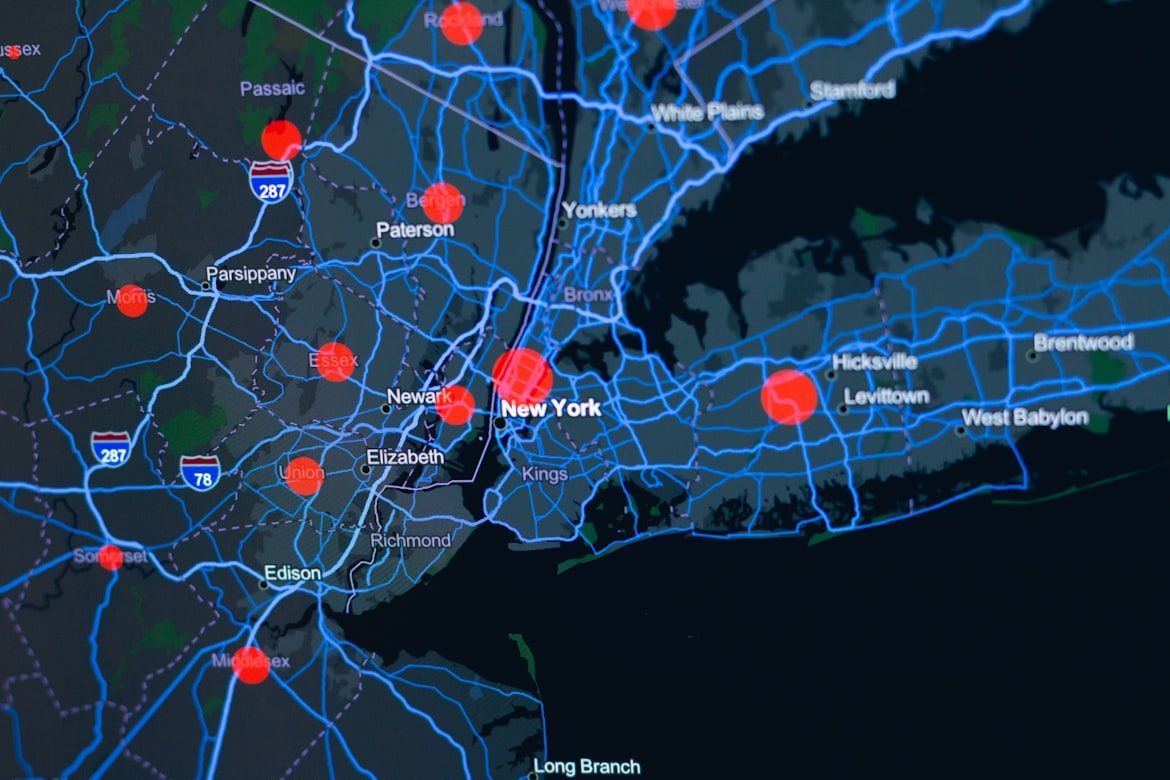
Image: KOBU Agency

After the census determines how many representatives each state receives, the data is used to redraw congressional and state legislative districts .

This process, called redistricting, ensures districts reflect current population patterns. It supports the principle of equal representation, often described as "one person, one vote."

12
Results are released over time
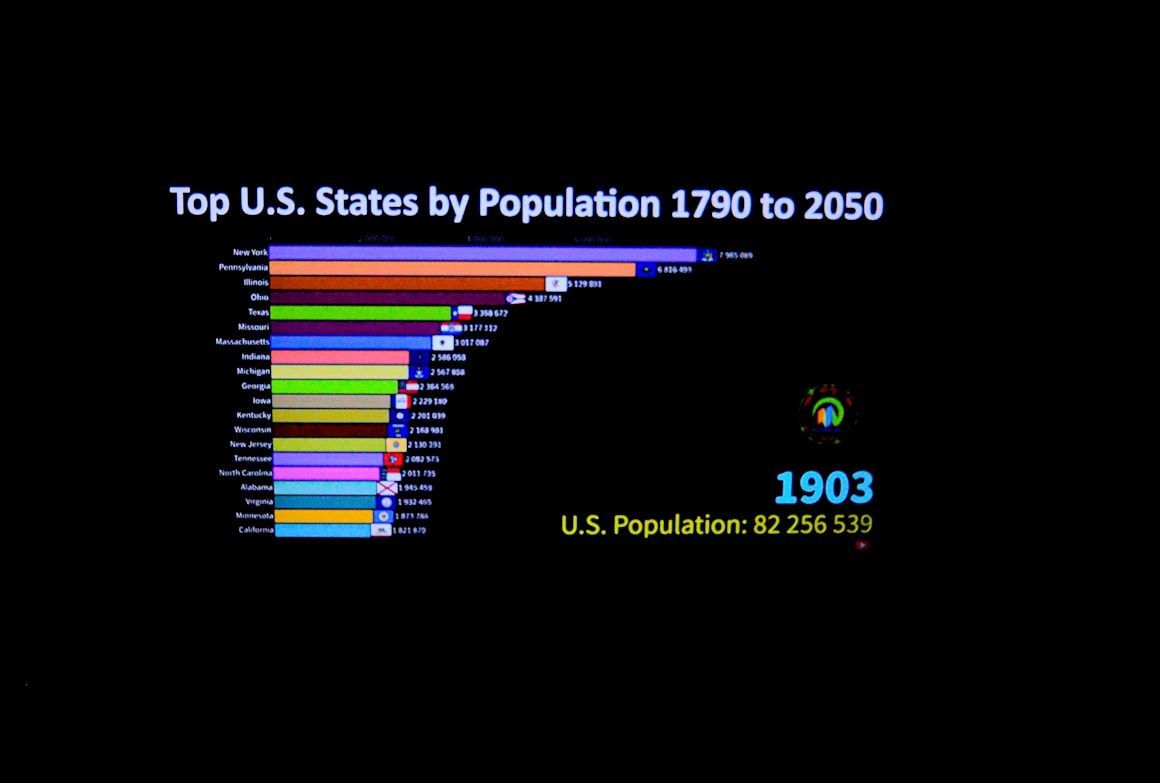
Image: Abdul Hakim

Census results are published in stages. Basic population counts come first, allowing Congress to complete apportionment.

More detailed demographic data follows months later. This gradual release ensures accuracy while protecting privacy , sometimes using advanced techniques like statistical noise to safeguard identities.

History History 5 min read

Historic events

10 iconic celebrity moments that happened at American hotels

Image: João Pires

The number of famous people who have spent time in historic hotels is directly proportional to the amount of fascinating stories concealed within the walls of these luxurious accommodations. From Elvis and Marilyn to Martin Luther King and Lucky Luciano, here are 10 of the most iconic celebrity moments that took place at the best American hotels.

1
Elvis Presley’s senior prom

Image: No-longer-here

Did you know Elvis Presley wore actual blue suede shoes to his senior prom? In 1953, at just 18 years old, the soon-to-be King of Rock and Roll attended Humes High School's formal dance at The Peabody Hotel in Memphis.

Wearing a tuxedo for the first time, Elvis picked up his date, a 14-year-old girl named Regis Wilson, in a dark blue rented Chevy. Once they were at the Continental Ballroom Elvis confessed he didn’t know how to dance, so they spent the night watching from the sidelines. Sadly, a few weeks later Regis’ family decided to move to Florida and they never saw each other again.

2
I have a dream

Image: Unseen Histories

2023 marked the 60th anniversary of the famous "I Have a Dream" speech. But did you know that Martin Luther King Jr wrote the finishing touches for it in the lobby of The Willard InterContinental hotel just hours before addressing the people gathered at the Lincoln Memorial?

It's no wonder such an important event in U.S. history occurred at this Washington D.C. hotel. Located just a few blocks from the White House, the Willard was witness to numerous key political moments: It was Lincoln's temporary residence before his inauguration, and Calvin Coolidge lived here during his vice presidency. Not only that, the lobby of this hotel is where Ulysses S. Grant coined the term "lobbyist".

3
Marilyn’s last photoshoot

Image: Marten Bjork

In late June 1962, six weeks before her passing, Marilyn Monroe was photographed in suite 261 of the Bel-Air Hotel in Los Angeles. The most desired and sought-after actress at the time arrived at the hotel with a suitcase loaded with dresses and necklaces and ordered three bottles of Don Perignon. Over the next three days, photographer Bert Stern took 2,571 snapshots of her.

These iconic images were published by Vogue magazine just one day after her death and have since become history as the last portraits of one of the most beloved American stars of all time.

4
Blonde on Blonde

Image: Janka Jonas

The Hotel Chelsea in New York City boasts perhaps the longest list of celebrity residents: Mark Twain, Patti Smith, Jimi Hendrix, Janis Joplin, Stanley Kubrick, Leonard Coen, Sid Vicious and Robert Mapplethorpe all resided here at some point since its opening in 1884.

Another famous guest who spent time at this iconic Manhattan hotel is American singer-songwriter Bob Dylan. More bohemian than glamorous, the place fitted perfectly with the musician's style and was the ideal environment for his upcoming work. And so, in 1965 while staying in room 211, Dylan wrote a couple of songs for his seventh studio album, Blonde on Blonde .

5
First Organized Crime Convention

Image: cottonbro studio

The Blackstone in Chicago is best known as "The Hotel of Presidents" since it has welcomed several heads of state since its opening in 1910. However, it is also associated with some notorious American gangsters. Al Capone himself reportedly held meetings at this hotel while getting his haircut in the barbershop during the Prohibition Era.

Another Blackstone infamous guest was Italian-born gangster Charles "Lucky" Luciano. In 1931, he hosted his first crime convention in the hotel's Crystal Ballroom. Apparently, the purpose of the meeting was to create a board of directors for his "National Crime Syndicate", a confederation of several criminal organizations.

6
The birth of the Academy Awards

Image: Felix Mooneeram

This story involves not one but two mythical American hotels. In 1927, film producer and co-founder of Metro-Goldwyn-Mayer, Louis B. Mayer, felt the need to create an organization that would bring together all the players in the film industry. He invited a small group to a formal banquet at the Ambassador Hotel in Los Angeles where he officially presented his idea of an Academy of Motion Picture Arts and Sciences.

A few months later, on May 11, the first organizational meeting was held in the Crystal Ballroom of the Biltmore Hotel. At that meeting, they appointed the first authorities and granted the first honorary membership to American inventor Thomas Edison. In addition, they agreed to establish an annual award. According to legend, art director Cedric Gibbons sketched the design of the Oscars statuette that very day on one of the hotel's napkins.

7
The British invasion

Image: Boer, Poppe de, CC0, via Wikimedia Commons

By 1964 the Beatles had become so popular that it was no surprise that 3,000 fans were waiting for them at New York's John F. Kennedy Airport the first time they traveled to the United States. The Fab Four stayed at The Plaza in Manhattan and the scenario was the same: the hotel was overrun by hordes of teenage girls who eventually found their way into the fire stairways.

Paul, John, Ringo, and George occupied the 10-room Presidential suites on the 12th floor. They sometimes waved to the fans downstairs, guarded by over 50 policemen. After four days of commotion, the hotel authorities did not want them to return, so, on subsequent visits, the Beatles stayed at the Warwick Hotel.

8
Golden Globe splash

Image: Carolyn Ne

In 1999, before the Golden Globes ceremony, Angelina Jolie promised that if she won the award for Best Actress for her role in the movie Gia she would take a dip in the Beverly Hilton pool. She not only held her promise but also was accompanied by some friends and even ended up throwing in a journalist.

In an interview, the actress said that the dare came about because one very hot summer afternoon when she was a girl, she ended up diving into the hotel pool with a girlfriend. As expected, they were kicked out and she never came back —that is, until the night of the famous splash, ball gown and all!

9
Good Will Hunting

Image: Life-Of-Pix

Since its opening in 1976, the Viceroy L'Ermitage in Beverly Hills, Los Angeles, has been a true Hollywood institution. Celebrities like Elizabeth Taylor, Brad Pitt, and Laurence Olivier, have stayed in one of the 116 suites of this luxurious and secluded hotel numerous times.

But perhaps the spot that holds the most mystique in this hotel is The Lobby Lounge and Bar, once known as the Writer's Bar. Rumor has it, that this is where the biggest names in the industry used to hold their meetings and writing appointments. Apparently, the most fantastic stories in the history of cinema were conceived here, one of these masterpieces being Good Will Hunting . In this bar, Ben Affleck and Matt Damon penned the script for one of the most beloved films of the 20th century. Did you know that?

10
Bungalow 4

Image: Andrew Campana

American business tycoon Howard Hughes was possibly the most peculiar long-time hotel resident who ever lived. Hughes stayed at several hotels during his lifetime but he had a soft spot for the renowned Beverly Hills Hotel in California. So much so that in 1942 he bought three or four of the famous pink stucco bungalows and moved in.

This hotel, built in 1912, accommodated all his eccentricities, including making room for his personal chef —apparently, the only one who knew exactly how to make his favourite pineapple upside-down cake— and delivering his roast beef sandwiches to a specific tree on the premises. Being a billionaire certainly has its perks!

Culture Culture 4 min read

Where did RadioShack go?

From Blockbuster to Pan Am: Remember these 10 giants no longer around?

Image: Sean Benesh

It can be hard to imagine a giant falling, but it happens more often than we might think. Huge companies with thousands of employees, stores across the world, and solid reputations file for bankruptcy every year—some with a loud bang, while others fade away quietly after a long decline. You will likely recognize the following ten names. These companies were once everywhere, only to one day vanish into thin air. Some are gone for good, some were absorbed by other corporate giants, and some still exist but only as a tiny fraction of what they used to be. Do you miss any of these brands?

1
Pan Am

Image: Rob Wilson

If a single name were to represent the airline industry in the 20th century, it would most likely be Pan Am. Founded as Pan American Airways in 1927, the company became an American icon , known for its many airline innovations , its distinctive blue logo, and the crisp white uniforms of its staff.

However, when the airline industry was deregulated in 1978, increased competition set the stage for Pan Am’s downfall. The company declined throughout the 1980s and ultimately declared bankruptcy in 1991.

2
Borders

Image: Araix Rand

Its huge stores were havens for book lovers, who could spend hours wandering its aisles, browsing and perusing its vast catalog of books , magazines , CDs , and more. But, alas, none of these stores had been profitable since the mid-2000s.

In 2011, after the company filed for bankruptcy, every single store was closed. Its trademarks were later purchased by its prominent rival, Barnes & Noble.

3
Circuit City

Image: Austin Distel

Starting its life as Wards Company in 1948, Circuit City became one of America’s most recognizable brands in the consumer electronics retail business . However, the turn of the century brought significant changes and financial difficulties, ultimately leading the company to file for bankruptcy in 2008.

4
Tower Records

Image: Lucía Garó

In a similar vein to Borders, Tower Records was a haven for music lovers who enjoyed the vast selection of music available in its stores. And, much like Borders, music stores have largely gone the way of the dodo.

Managerial blunders and the rise of internet piracy contributed to the company filing for bankruptcy twice—first in 2004 and again in 2006. Its assets were sold at auction to Great American Group, and the last store closed in December 2006.

5
Trans World Airlines (TWA)

Image: Ross Parmly

Pan Am was not the only major airline to disappear. The once-powerful TWA met the same fate, operating from 1930 until it was acquired by American Airlines in 2001 . It was once one of the "Big Four" domestic airlines in the United States, alongside United, Eastern, and the aforementioned American.

6
Blockbuster

Image: Bruno Guerrero

Another demise that hit hard for loyal customers was Blockbuster. While the VHS rental behemoth dominated the market throughout the ’90s and early 2000s —with over 9,000 stores and 84,000 employees—the lethal combination of the internet and piracy proved too much to withstand. As a result, the company gradually closed nearly all its stores, leaving only one remaining today in Bend, Oregon.

7
Amoco

Image: Markus Spiske

The first name on this list to disappear not due to financial difficulties but because of a merger, Amoco was a giant in the oil and gas industry. Founded in 1910, it became the largest natural gas producer in North America by the late ’90s .

In 1998, it merged with British Petroleum in a $61 billion deal. Existing service stations were rebranded under the BP name, and the Amoco brand gradually faded from view.

8
Compaq

Image: ThisisEngineering

In the ’90s, Compaq was a major player in the computer industry and, at one point, the largest supplier of PC systems in the US . However, as the century came to an end, lower-cost competitors like Dell began attracting consumers and chipping away at Compaq’s market share. In 2002, the company merged with Hewlett-Packard, and the Compaq name gradually faded away.

9
Woolworths

Image: Kay Enn

The original five-and-dime store, Woolworths, was a pioneer in the retail industry in the late 1800s . It managed to survive—and even thrive—through most of the 20th century, but by 1989, it had entered a steady decline.

Following a 1993 restructuring that led to the closure of half its 800 stores, the rest gradually shut down. While the Woolworths retail brand and name have disappeared, the company rebranded as the Venator Group in 2001 and shifted its focus to its footwear division. Today, you might know it as Foot Locker.

10
Howard Johnson’s

Image: Francesca Saraco

The last name on our list is a familiar one, especially to travelers. The iconic Howard Johnson’s began as a single ice cream stand outside Boston, Mass., before expanding to over 1,000 restaurants. In the 1950s, the chain introduced motor lodges at nearly 300 of its locations.

Howard Johnson’s was sold to Marriott in the 1980s, and most of its restaurants gradually shut down. The last remaining location, in Lake George, N.Y., closed its doors in 2017.

Explore more American facts

Choose your favorite category!

General
General

As American as apple pie—the very best America has to offer!

Culture
Culture

Delve into the astounding richness of American lore.

Geography
Geography

Hop in and explore vast and diverse American landscapes.

History
History

Discover the key moments that shaped the United States.