Culture Culture 5 min read

SPORT HEROES

Only the Best Make it to the Podium: The 10 Greatest American Athletes

With so many sports, disciplines, and exceptional talent, it is really hard to choose the top 10 American athletes. However, some sports stars have consistently stood out, both on and off the field.

Some names probably already came to your mind. The incredible Muhammad Ali and the venerable Michael Jordan are just a few of the amazing figures we have chosen to make up this list of the top 10 American athletes of all time! Let's play!

1
Babe Ruth

Image: Thomas Park

What is considered America's pastime by everyone else was the great passion of Babe Ruth's life.

Born George Herman Ruth Jr. on February 6, 1895, in Baltimore, Maryland, Babe was a child known for his difficult behavior. When he turned seven, his parents made the difficult decision to send him to St. Mary's Industrial School for Boys. The school was a strict and rule-filled environment, but it was there that Babe Ruth's passion for baseball developed.

By his early twenties, he was already known as a talented pitcher. Throughout his career, he won seven World Series Championships, three with the Boston Red Sox and four with the New York Yankees. In 1936, he became one of the first five players to be inducted into the Baseball Hall of Fame.

2
Serena Williams

Image: Ariv Gupta

While many of us can't even remember what we were doing at the age of three, the incredible Serena Williams was already practicing tennis with her sister Venus and her father.

Known globally as one of the greatest tennis players in history, Serena has filled her resume with titles, trophies, victories, and records.

Four Gold Olympic Medals and an impressive 23 Grand Slam singles titles definitely made her a tennis legend. And as if her athletic achievements were not enough, Serena Williams is also a standout businesswoman today.

3
Muhammad Ali

Image: Nelson Ndongala

Louisville, Kentucky, was the birthplace of the man who would become one of the world's greatest sports stars. Born Cassius Marcellus Clay Jr. on January 17, 1942, the man we all remember today as Muhammad Ali began his sporting life at the age of 12 when he started training as an amateur boxer.

The rest is history. With an Olympic Gold Medal, three world heavyweight championships, 56 wins (37 by knockout), and an incredible legacy, Ali is widely and rightly recognized as one of the most important sports figures of the 20th century.

4
Tiger Woods

Image: Robert Ruggiero

If we had to list all of Tiger Woods ' sporting achievements, we'd be here all day, right?

The GOAT of Golf was born Eldrick Tont Woods on December 30, 1975, in Cypress, California, and from a very young age, he showed his great talent for this sport.

After winning several titles in college and as an amateur player, Tiger became a professional player in 1996, and since then, he hasn't stopped winning and winning.

Tiger has gone on to win 15 major championships, including three U.S. Opens, four Masters titles, three Open Championships, and five PGA Championships, and held the world No. 1 ranking for a total of 683 weeks!

5
Michael Jordan

Image: Robin Gislain Gessy

Michael Jordan grew up in Wilmington, North Carolina, and developed a passion for basketball at a young age, largely thanks to his brother, Larry.

In high school, he developed his competitive spirit and sportsmanship, qualities that, combined with his talent, led him to become the star he is today.

While it is hard to list all of his feats, we believe it is necessary to mention some of Jordan's highlights: two Olympic Gold Medals, six NBA championships with the Chicago Bulls (earning NBA Finals MVP honors each time), and five NBA MVP awards. These achievements, among many others, make up the long list of victories of this NBA legend.

6
Michael Phelps

Image: Braden Egli

Michael Phelps , born on June 30, 1985, in Baltimore, Maryland, was a very energetic child. Fortunately, at the age of seven, he discovered a perfect outlet for all that enthusiasm: swimming.

His talent and dedication combined to create a world-class athlete, and by the age of 15, he was participating in his first Olympics!

In 2004, he stood out at the Athens Olympics, winning six gold medals. In 2008, he made history by winning a record-breaking eight gold medals in a single Olympics.

"The Baltimore Bullet" has won a total of 23 gold medals in his career, more than any other Olympic athlete in history!

7
Simone Biles

Image: Brian Wangenheim

One of the youngest on this list, Simone Biles was born on March 14, 1997, in Columbus, Ohio.

Considered by many as the world's greatest gymnast ever , Simone was raised by her grandparents. Her sporting career began as a child when an attentive instructor recognized her talent and suggested she take gymnastics classes.

At the age of 14, she was already competing at high levels and never went unnoticed. In 2013, she won her first of many World Championship titles, demonstrating her incredible talent and ability to perform moves that other gymnasts could not.

8
Tom Brady

Image: Thomas Park

Of course, we can't overlook this legendary figure of American football . We're talking about none other than the great Tom Brady .

Considered by many the greatest quarterback of all time , Brady was born into a sports-loving family, which allowed him to showcase his skills when he was still a young boy.

Brady was selected by the New England Patriots in the 2000 NFL Draft. The Patriots' choice was incredibly wise, as he played for the team for 20 seasons, during which he and coach Bill Belichick formed what became known as the "Patriots dynasty." He also led the Patriots to six Super Bowl victories!

During his last three seasons as a professional, he played with the Tampa Bay Buccaneers, not without winning another Super Bowl with them.

9
LeBron James

Image: Markus Spiske

The great "King James" was born LeBron Raymone James on December 30, 1984 , in Akron, Ohio. Since he was very young, he showed basketball skills, which were highlighted during his time at high school.

LeBron was the first pick in the 2003 NBA Draft by the Cleveland Cavaliers, where he began his career. He later played with the Miami Heat, and finally, he became a legend with the Lakers.

LeBron has a long list of accomplishments in his sports career, making him one of the few who can be compared to Jordan. With four NBA Championships, four NBA Finals MVP Awards, four NBA Most Valuable Player (MVP) Awards, two Olympic Gold Medals, and many other awards and distinctions, LeBron is indisputably one of the best at what he does.

10
Billie Jean King

Image: Valentin Balan

BJK was born Billie Jean Moffitt on November 22, 1943, in Long Beach, California. Her love for tennis began at a very young age when a friend lent her a racket. Her natural talent soon showed: she won her first major junior championship at the age of 14, and from then on, she didn't stop.

With 39 Grand Slam titles, including 12 singles titles, 16 women's doubles titles, 11 mixed doubles titles, and holding the title of world No. 1 for many years, BJK rightfully holds the label of "Queen."

In 1973, Billie won the legendary "Battle of the Sexes," a tennis match against Bobby Riggs , who had challenged her. With this and many other victories, King paved the way for many women in the world of tennis and sports in general, which is why she is considered a pioneer in her field.

General General 4 min read

How did a car manufacturer change American barbecue forever?

Image: EMRANU

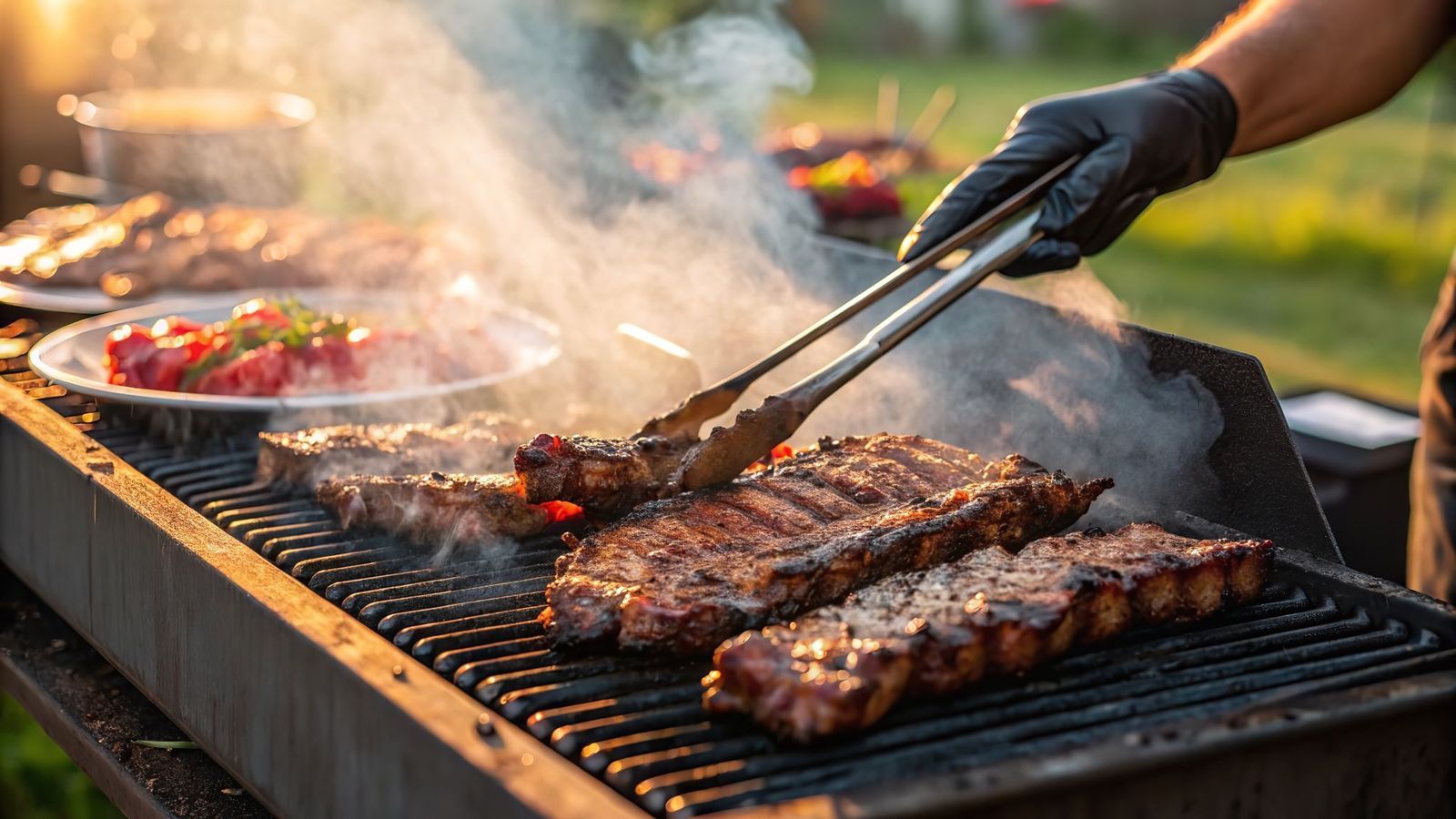
Few culinary rituals bring people together quite like gathering around a sizzling grill on a summer afternoon. The modern backyard grill is a perfect blend of ancient culinary traditions, industrial ingenuity, suburban expansion, sports, and pop culture. From ancient hearths and car manufacturing to sea buoys cut in half, here are 10 surprising facts about the fascinating history of the backyard grill.

1
Grilling dates back to ancient civilizations

Image: aco pbc, CC0, via Wikimedia Commons

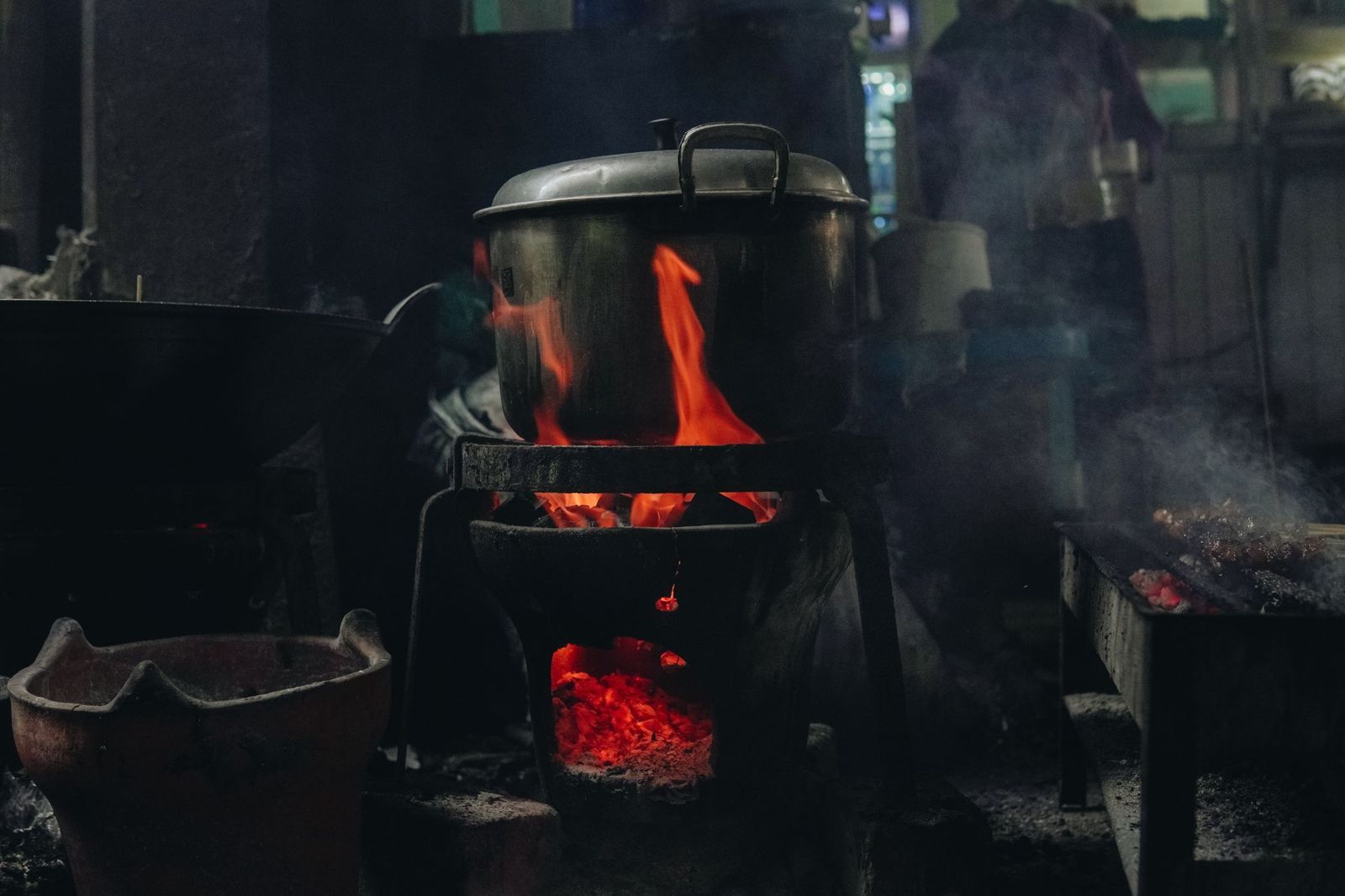
Ancient civilizations were the first to master the art of cooking meat over open flames. Archaeological digs across the Mediterranean, Asia, and Mesoamerica have unearthed primitive clay braziers, iron grates, and roasting pits dating back thousands of years.

Ancient Greeks and Romans cooked meat on iron grids elevated over hot embers, while ancient Asian cultures used portable ceramic cookers like the Japanese Kamado. The fundamental principle, direct heat transforming raw meat into a charred meal, has remained unchanged for millennia.

2
Caribbean roots of modern barbecue

Image: Reezky Pradata

The word "barbecue" traces back to the Indigenous Taíno and Arawak peoples of the Caribbean. When Spanish explorers arrived in the West Indies during the 15th and 16th centuries, they observed native inhabitants drying and slow-smoking meat over raised wooden frameworks built from green timber.

The Arawak called this elevated rack a barabicu . Spaniards adapted the term to barbacoa and eventually made its way into English as "barbecue".

3
Henry Ford patented the first charcoal briquette

Image: Jack Jepret

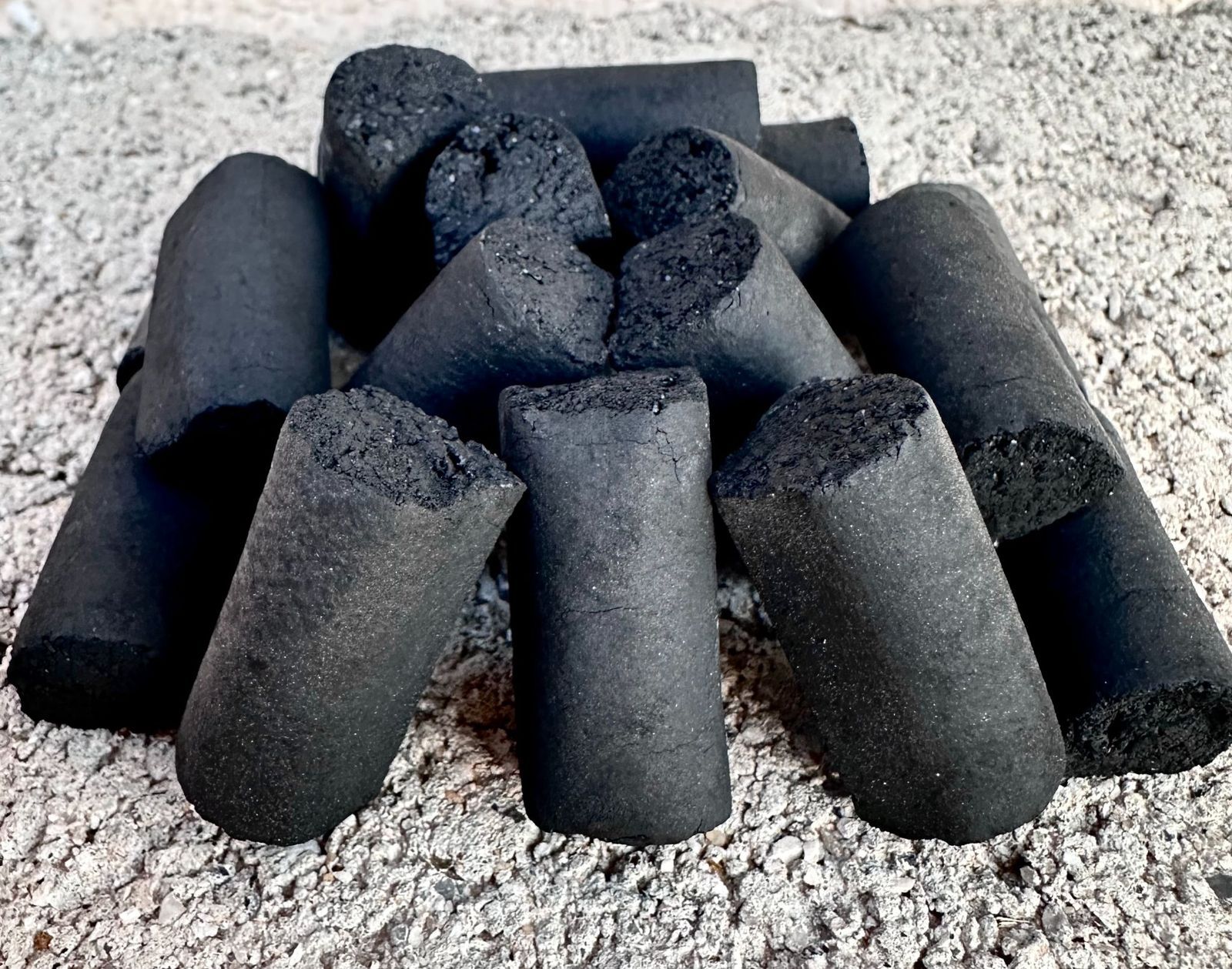
In one of history’s most surprising industrial crossovers, the charcoal briquette exists thanks to the Model T car. In the 1920s, Henry Ford realized his automotive plants were generating tons of scrap wood and sawdust. Looking for a profitable way to repurpose the waste, Ford consulted inventor Thomas Edison.

Together they developed a process to compress powdered charcoal mixed with starch binders into dense pillows. Ford established a charcoal plant and sold "Ford Charcoal" at his car dealerships, encouraging motorists to explore the countryside on weekend camping trips. After Ford sold the operation, it was renamed Kingsford Charcoal, which remains a dominant brand today.

4
Weber invented the iconic kettle grill

Image: ivi.photo93

Before the 1950s, backyard outdoor cooking was an irritating chore conducted over open brick pits or shallow metal brasero pans. Rain, wind, ash, and sudden grease flare-ups frequently ruined meals.

Frustrated by open grills, a welder at Weber Brothers Metal Works in Chicago took a hollow metal buoy used for lake navigation, cut it in half, added legs, and punched ventilation holes in the top dome. The enclosed sphere created a convection oven effect, giving cooks control over oxygen, heat, and smoke while protecting food from the elements. Released in 1952 as the "Weber Kettle," it revolutionized backyard cooking forever.

5
The rise of the gas grill

Image: Jakob Berg

Charcoal provided a delicious smoky flavor, but it required patience and cleanup. In the late 1950s and early 1960s, natural gas companies looked for new ways to promote gas consumption during warm summer months when home heating demands dropped.

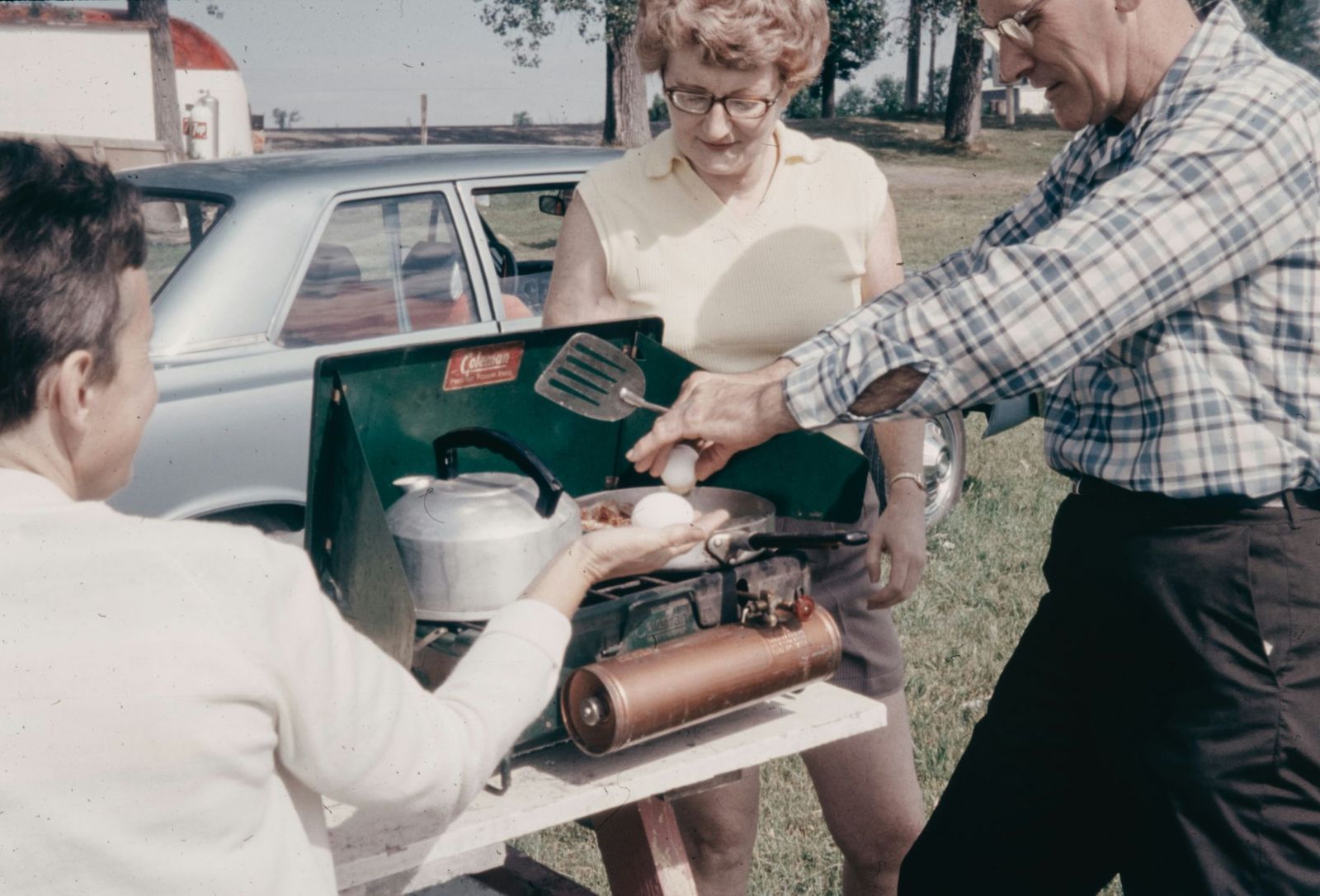
In 1960, Walter Coleman and William G. Wepfer of the Arkansas-Louisiana Gas Company modified a charcoal grill to run on liquid propane bottled in portable tanks. Shortly thereafter, companies like Chicago Combustion Corporation introduced the LazyMen gas grill. The promise of turning a knob and cooking within minutes opened up weeknight outdoor dining to busy families.

6
Backyard grilling became a post-war tradition

Image: Annie Spratt

The end of World War II sparked an unprecedented housing boom across North America, giving rise to suburban neighborhoods. Suburban homes featured private yards, paved patios, and sliding doors that blurred the line between indoor and outdoor.

Grilling became a symbol of leisure and hospitality. Pop culture reinforced this trend, positioning suburban fathers as the "pitmasters" of the backyard.

7
Grilling goes global: international influences

Image: KenSoftTH

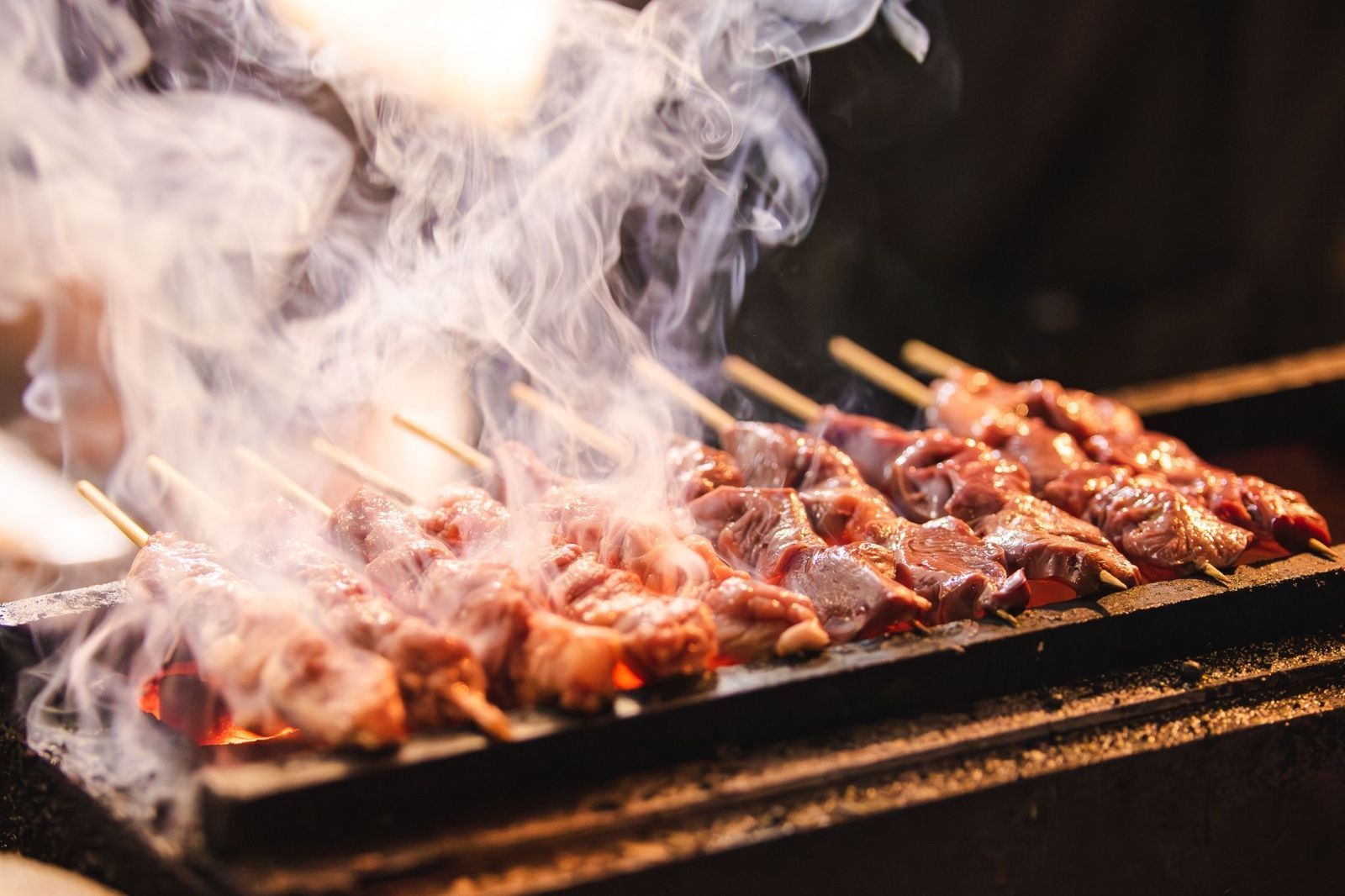
20th-century travel and immigration made suburban pitmasters incorporate global traditions into their setups. These diverse techniques, such as Japanese Hibachi & Yakitori, South African Braai, Korean Gogi-gui, and Brazilian Churrasco, enriched backyard menus, elevating simple burgers and hot dogs into a world of complex marinades and skewered meats.

8
The first barbecue cookbook

Image: HelgaQ

As outdoor cooking conquered the backyards, home cooks needed help beyond basic grilling. In 1939, Sunset Magazine published Sunset’s Barbecue Book , considered the first dedicated barbecue cookbook.

Written specifically for suburban homeowners, the book included blueprints for building stone or brick backyard pits, alongside recipes for marinades, basting mops, and dry rubs. In just a few years, pit cooking became a domestic culinary art form.

9
Grill competitions spark a culinary movement

Image: Merch Hub

In the late 1970s and 1980s, casual regional rivalries blossomed into competition circuits like the Memphis in May World Championship Barbecue Cooking Contest and the Kansas City Barbeque Society (KCBS).

These events brought together backyard enthusiasts, commercial pitmasters, and scientists to debate the precise mathematics of internal meat temperatures, smoke rings, and wood choices.

10
Tailgating perfected the portability of grills

Image: Hero Images Inc

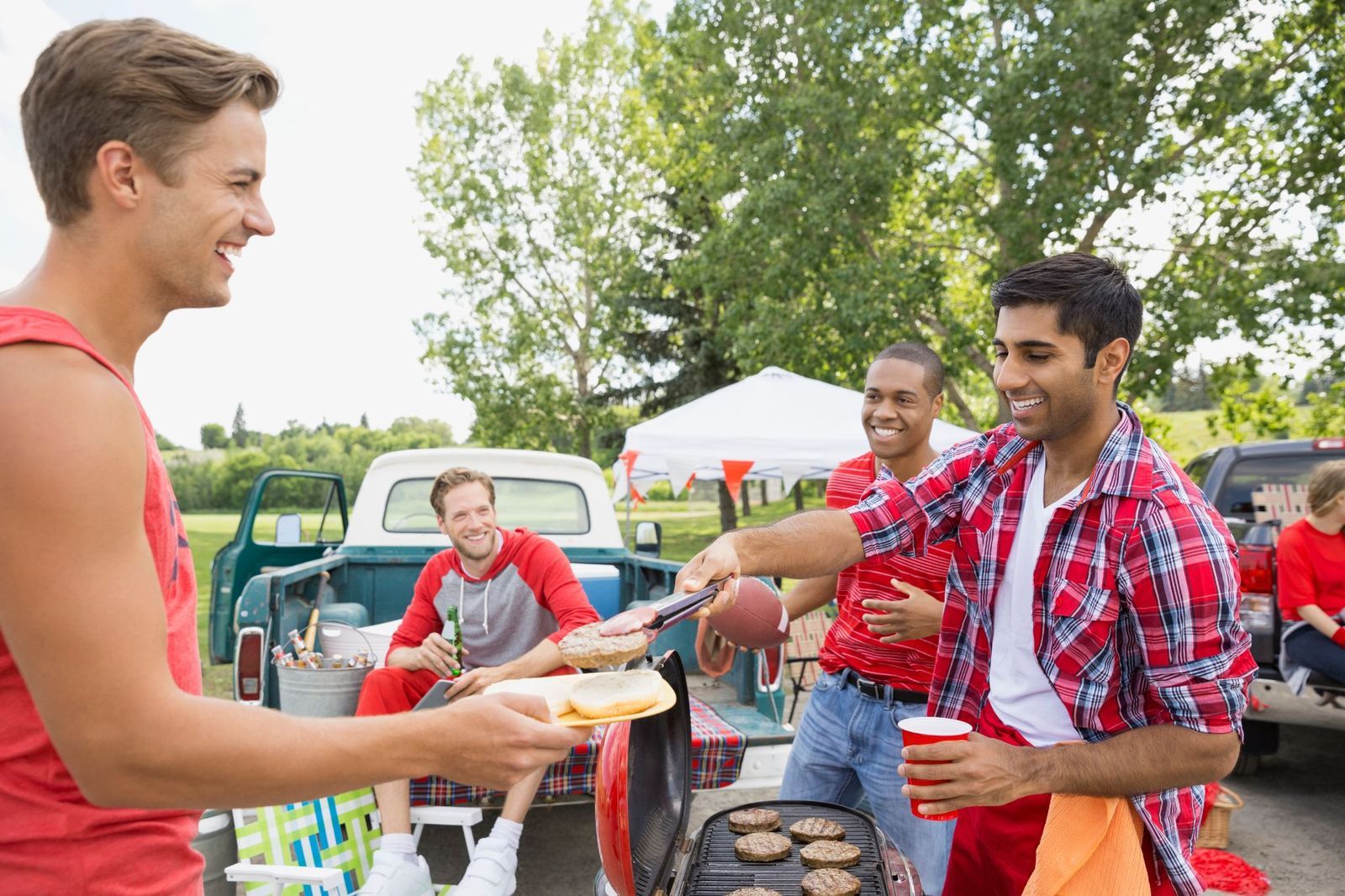
The growth of American college football and professional sports stadiums during the mid-20th century gave birth to a unique pre-game tradition: tailgating. Fans realized that portable propane units and mini kettle grills could turn stadium parking lots into outdoor kitchens. Grill manufacturers responded by designing lightweight and folding models, solidifying the grill as an essential tool for community gathering.

Geography Geography 3 min read

NYC uncovered

Which NYC building has a secret train platform beneath? Find out here!

Image: Florian Wehde

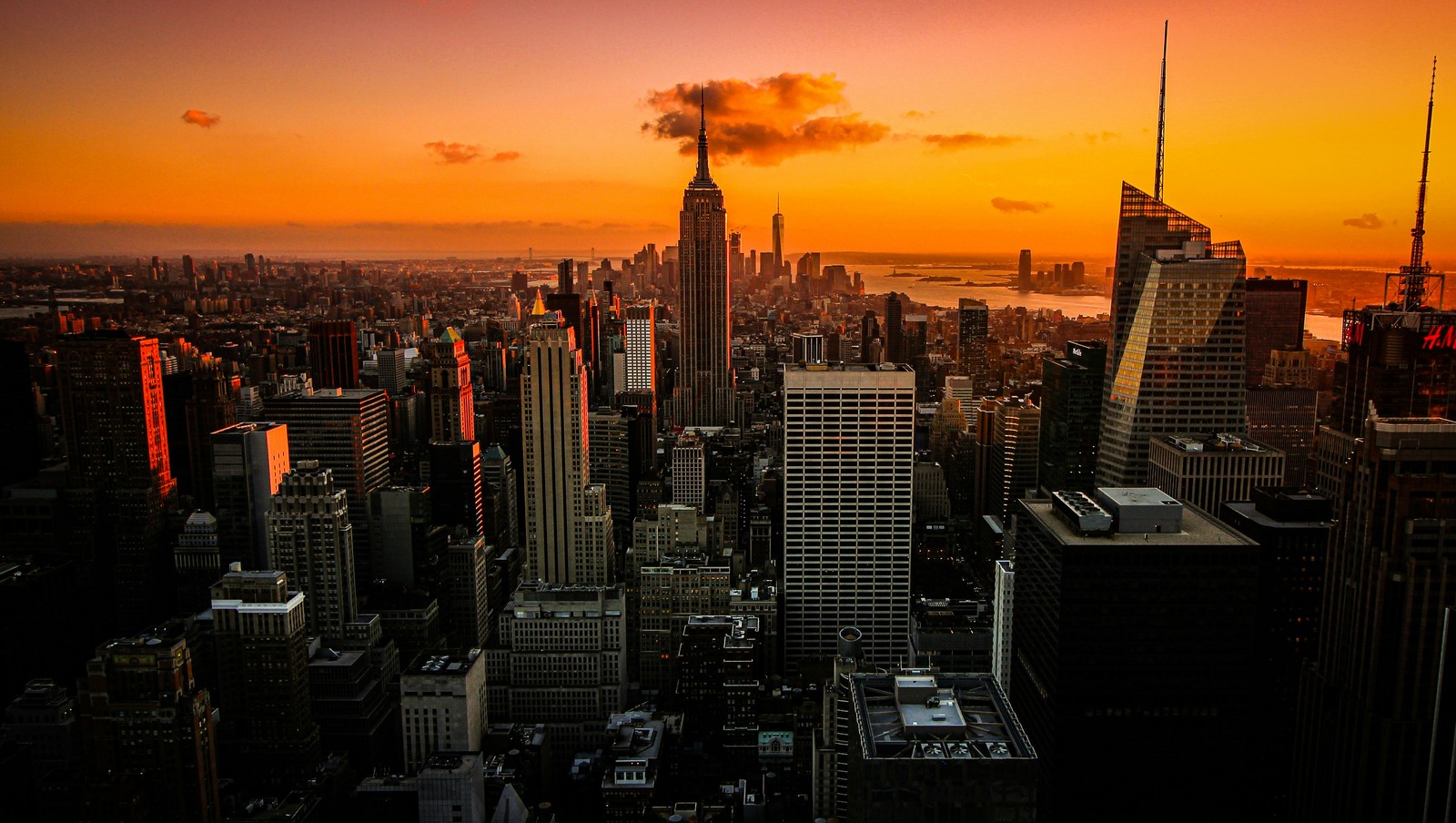
New York City has been written about, filmed, sung about, and argued over for generations. Yet even people who love it and even live there are often surprised by what they do not know. Behind the busy streets and famous landmarks, lots of stories explain how this city grew, who shaped it, and why it continues to feel larger than life. Get ready to get the NYC facts right!

1
New York City population

Image: Scott Evans

More than eight million people call New York City home. That means roughly one out of every 38 Americans lives within its five boroughs. It helps explain why the city feels endlessly busy and why every neighborhood seems to have its own rhythm, personality, and pace. The City that Never Sleeps feels like the right nickname, right?

2
Languages spoken

Image: James Ting

New York City is the most linguistically diverse city on Earth. More than 800 languages are spoken here, and about four in ten households use a language other than English at home. Wanna feel like you’ve travelled across every continent? Walk down a city block and you will!

3
Statue of Liberty

Image: Avi Werde

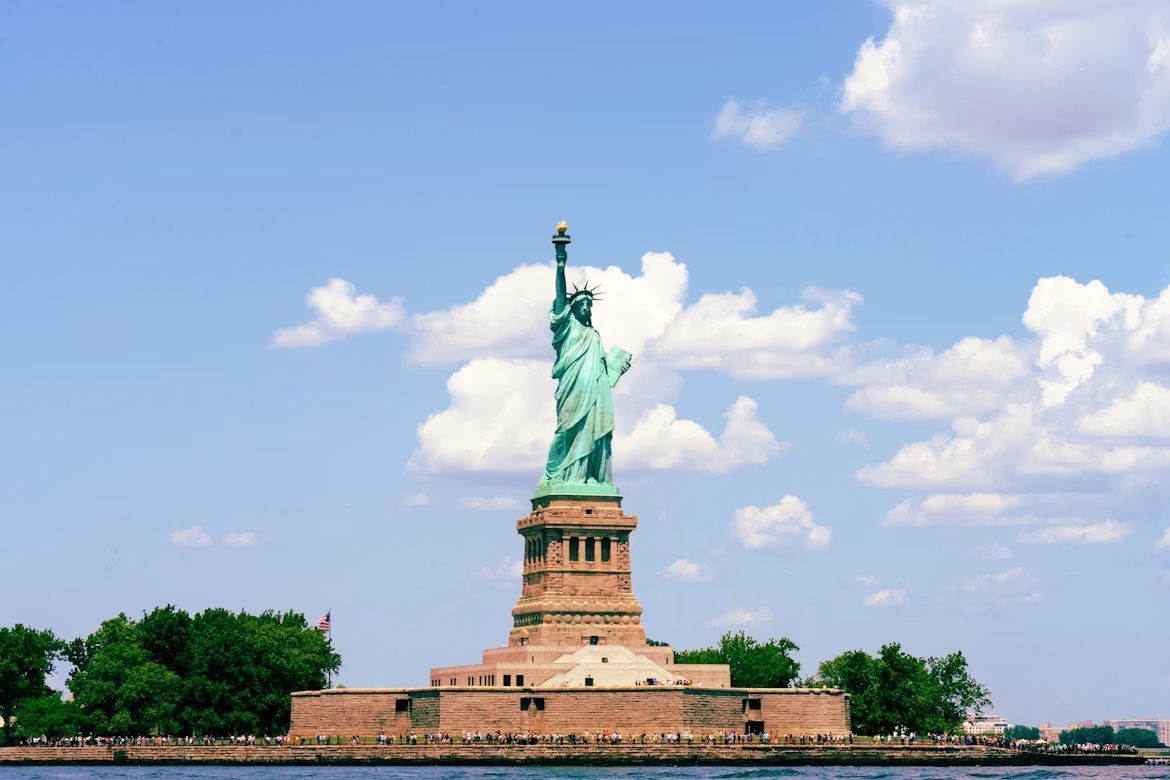
The Statue of Liberty arrived from France as a gift celebrating American independence. She did not come in one piece. Instead, the statue arrived in 214 crates, each containing 350 separate parts, and took four months to assembl e. Even symbols of freedom sometimes require instructions, you know?

4
Federal Reserve Bank gold vault

Image: Diane Picchiottino

Deep beneath the streets of Manhattan sits the largest gold storage vault in the world. Located 80 feet below street level, it holds about $90 billion worth of gold . Most visitors walk right over it without realizing they are passing above one of the most secure rooms on the planet.

5
New York Public Library

Image: Alejandro Barba

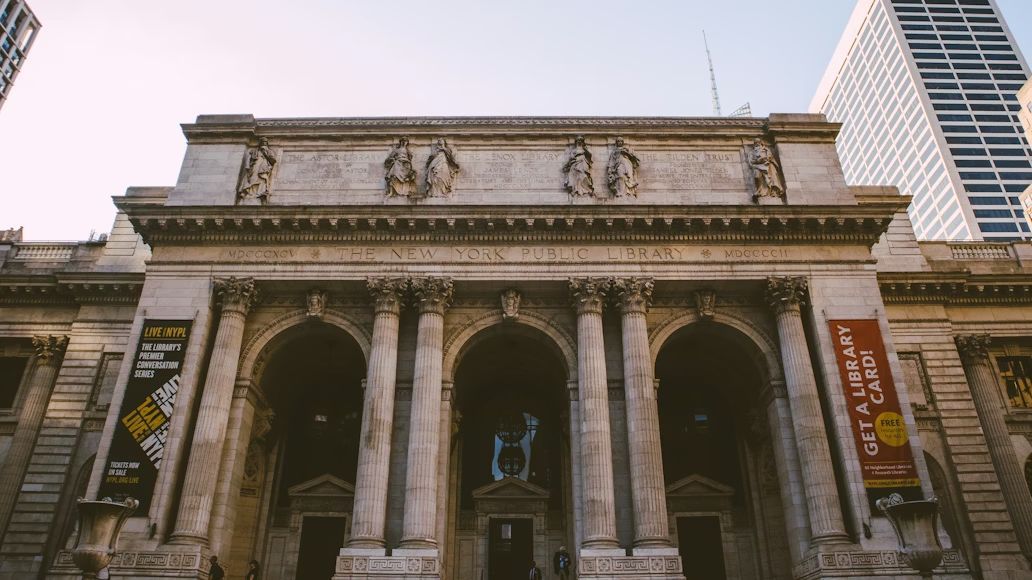
The New York Public Library system holds more than 50 million books and items. It is second in the United States, only to the Library of Congress, and ranks third worldwide . Those iconic lion statues guard far more than a quiet reading room. They watch over an astonishing archive of human knowledge. Have you ever visited it?

6
United Nations headquarters

Image: Nils Huenerfuerst

The United Nations established its headquarters in New York City in 1952 following World War II. Since then, diplomats from nearly every country have gathered here to debate, negotiate, and occasionally argue. Few city blocks anywhere else host quite so many global decisions.

7
Brooklyn borough size

Image: Miltiadis Fragkidis

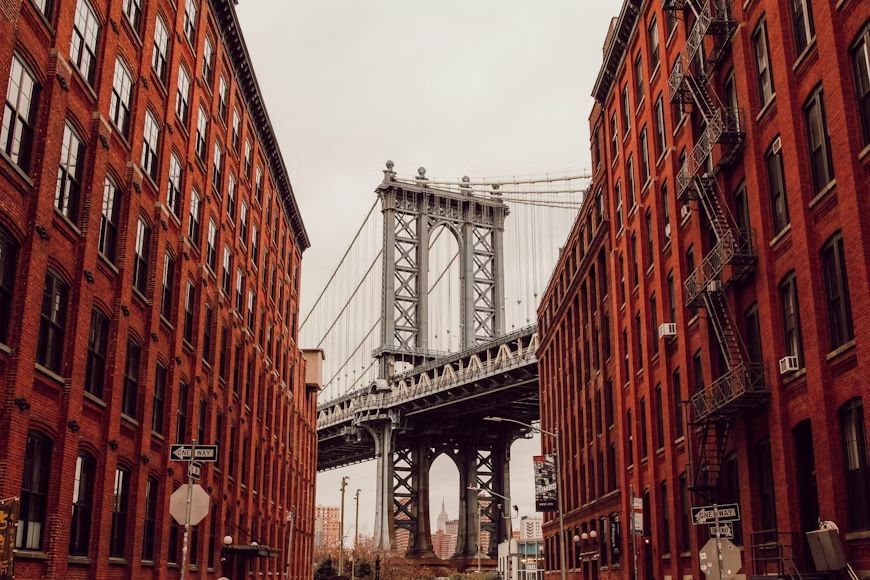
Brooklyn alone would rank as the fourth-largest city in the United States if it stood on its own. Queens would claim the same spot as well. Together, they show just how massive New York City really is, even when broken into boroughs.

8
Times Square naming

Image: James Ting

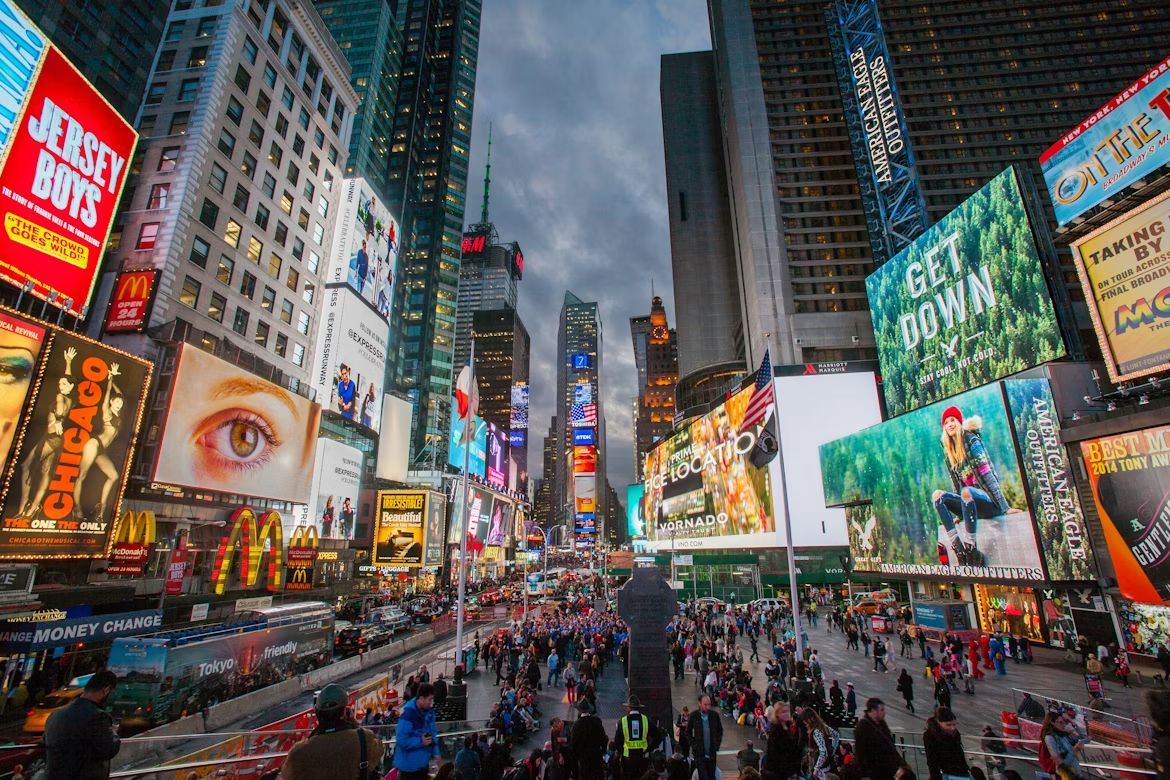
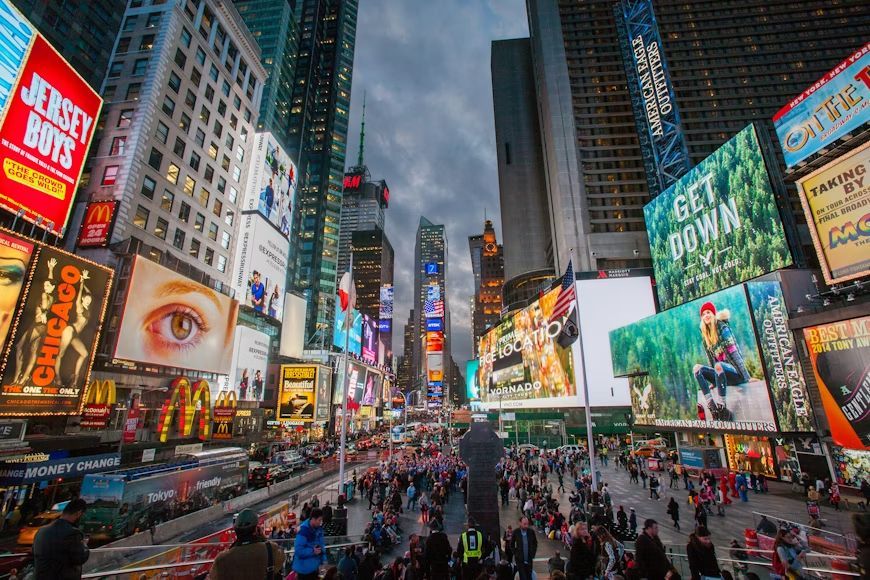
Times Square did not always have its famous name. It was once called Longacre Square until The New York Times moved its headquarters there in 1904. The name stuck, the lights followed, and the area became one of the most recognizable intersections in the world.

9
Chinatown population

Image: Juan Di Nella

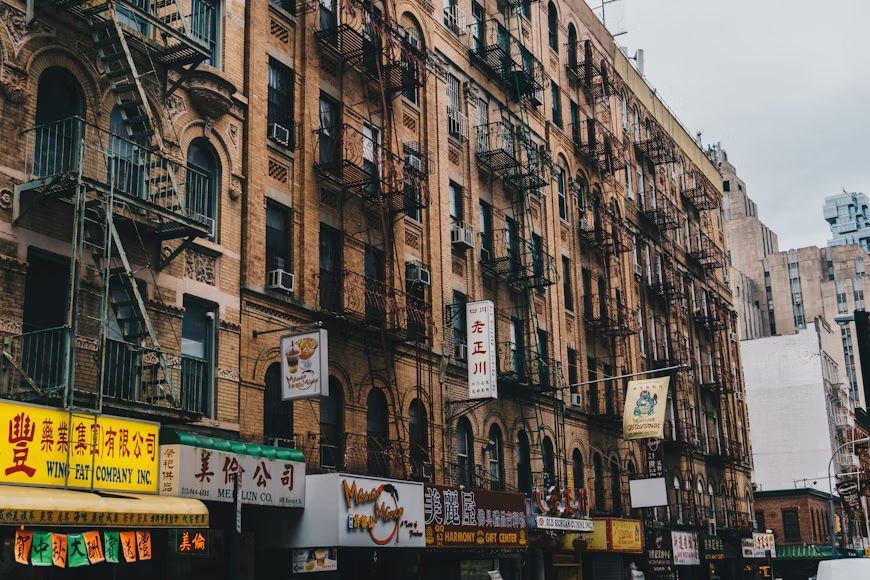
More Chinese people live in New York City than in any other city outside Asia. This influence shapes neighborhoods, food scenes, businesses, and traditions across the city. It is one more reason New York feels like many worlds packed into one place .

10
Pinball ban history

Image: Louie Castro-Garcia

Believe it or not, pinball machines were once against the law in New York City. Back in 1942, city leaders viewed the game as a form of gambling , and Mayor Fiorello LaGuardia ordered it banned. For more than 30 years, pinball disappeared from public view until the rule was finally lifted in 1976.

11
Secret train platform beneath the Waldorf Astoria

Image: Frugal Flyer

Hidden beneath the elegant Waldorf Astoria Hotel is a little-known train platform called Track 61. According to long-standing stories, President Franklin D. Roosevelt used it to arrive and leave discreetly, away from crowds and cameras. The platform is no longer active today , but knowing it exists adds a layer of mystery to an already legendary building.

Explore more American facts

Choose your favorite category!

General
General

As American as apple pie—the very best America has to offer!

Culture
Culture

Delve into the astounding richness of American lore.

Geography
Geography

Hop in and explore vast and diverse American landscapes.

History
History

Discover the key moments that shaped the United States.