History History 6 min read

The forgotten seconds in command

How long did it take for a Vice President to be charged with a felony?
Image: Brandon Mowinkel

How many vice presidents do you remember? We know that several presidents served initially in the number two role, and that a few of them had to step up to the presidential office due to death or resignation. But beyond that, what else is there to know? Well, many things, but we’ll stick to unusual facts and circumstances. Which one was accused of murder? Why are they called Veep? Were they always chosen by their party? Let’s dive into some interesting Vice Presidents of the U.S.

1
The criminal Veep
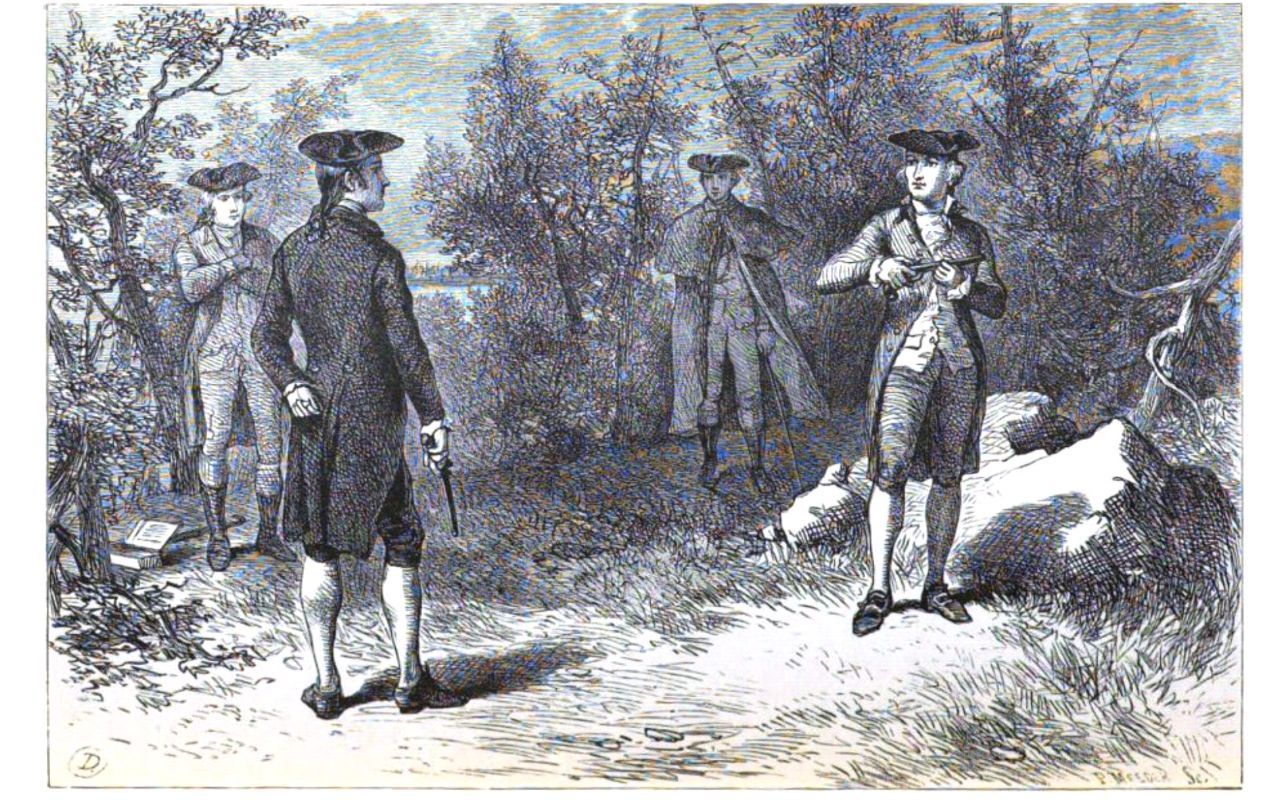
Image: See page for author, Public domain, via Wikimedia Commons

America never lacked politicians who were suspected criminals —vice presidents included— but not every day is the second most important person in the nation formally accused of murder. It is a known fact that Aaron Burr, America’s third vice president, fatally shot founding father Alexander Hamilton in a duel in 1804. What many don’t know is that he was formally indicted for that murder in New York and New Jersey , but he fled to South Carolina and never stood trial, and the charge was eventually dropped. He was also accused of treason, but we can’t say that he was unique among politicians in that sense.

2
The first Veep that was actually elected
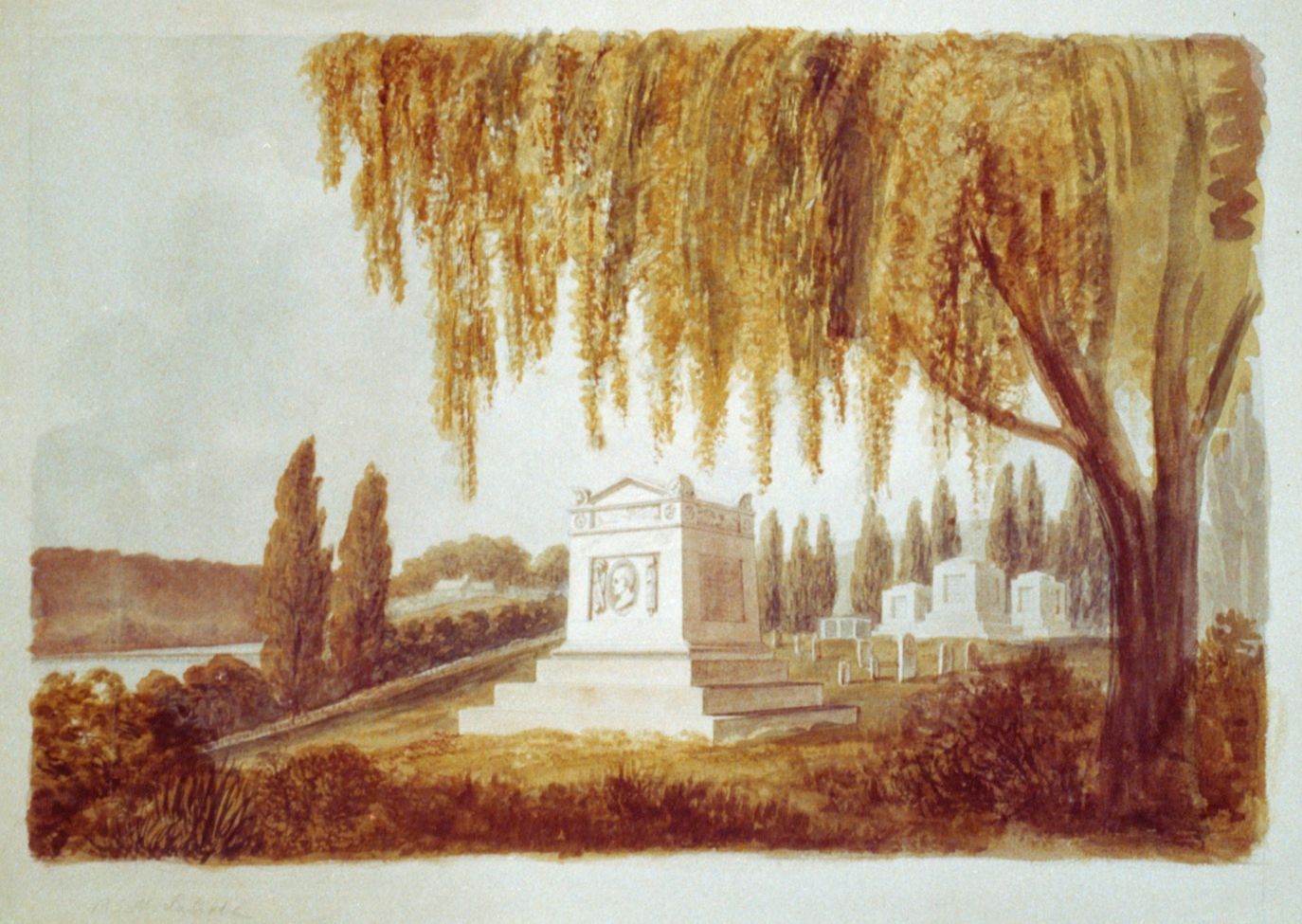
Image: Benjamin Henry Latrobe, Public domain, via Wikimedia Commons

Did you know that, in the beginning, vice presidents were not elected as running mates of a presidential candidate? For the first three presidencies, the position was filled by the runner-up, which created endless conflicts. After all, who wants to work with the guy who beat you? After Thomas Jefferson struggled to govern with Aaron Burr as his second, he pushed for the 12th Amendment, which allowed vice presidents to be elected on their own . For his next term, Jefferson chose George Clinton as running mate —not only because he was popular, but also because his age (65 years old) made it unlikely that he would challenge Jefferson’s successor, James Madison, for the presidency. In the end, Jefferson didn’t have to worry about it because Clinton was the first vice president to die while in office in 1812.

3
The unelected Veep
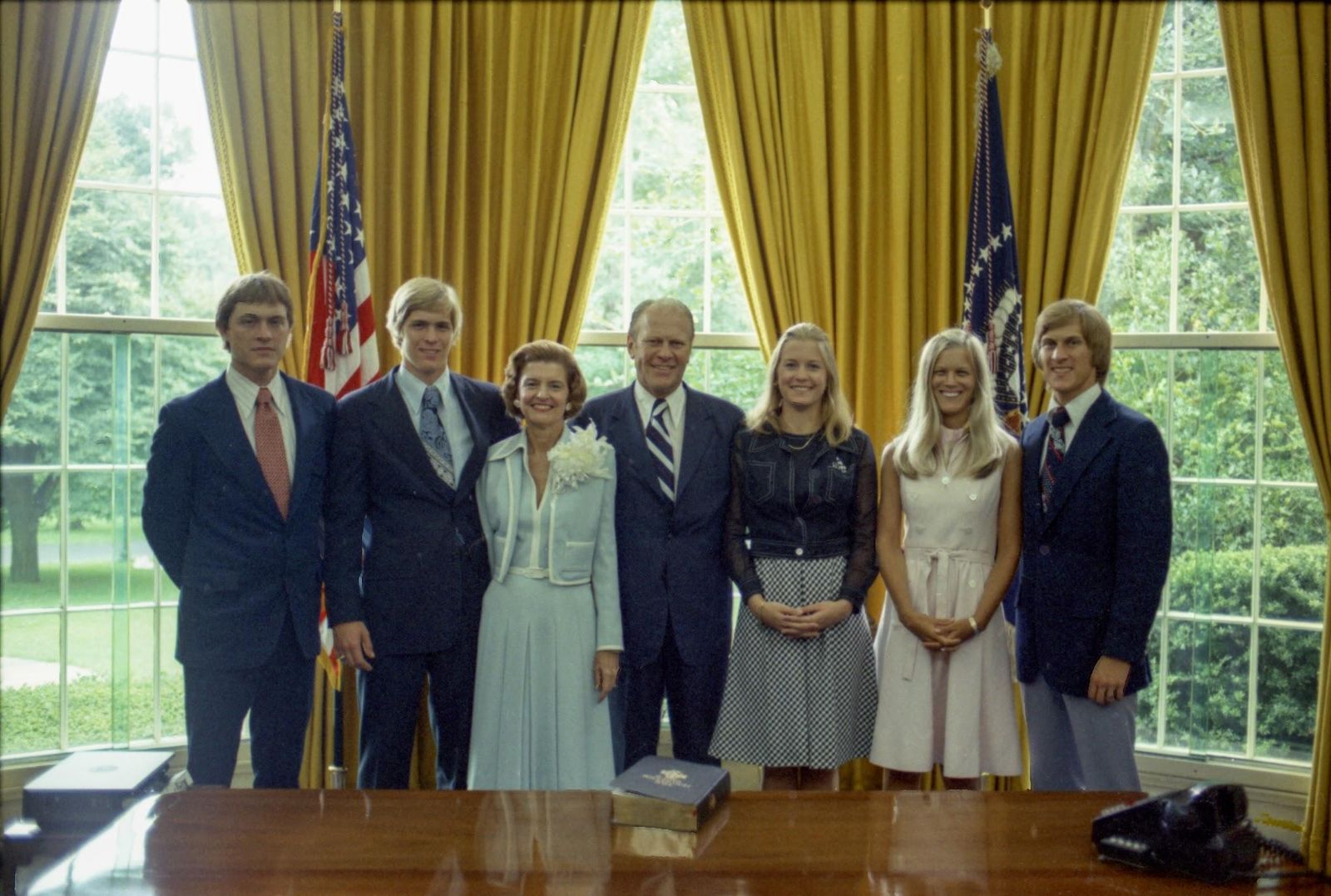
Image: White House, Public domain, via Wikimedia Commons

In 1973, Vice President Spiro Agnew resigned under accusations of corruption. The newly ratified 25th Amendment stated that the president, Richard Nixon, had to nominate someone for the position, to be later ratified by Congress. He chose Gerald Ford, at the time the House Minority Leader , and widely respected by his peers. Less than a year later, Nixon was forced to resign due to the Watergate scandal, and Ford assumed the presidency, making him the only vice president and president who was not elected.

4
The first Veep to have a ‘Second Gentleman’
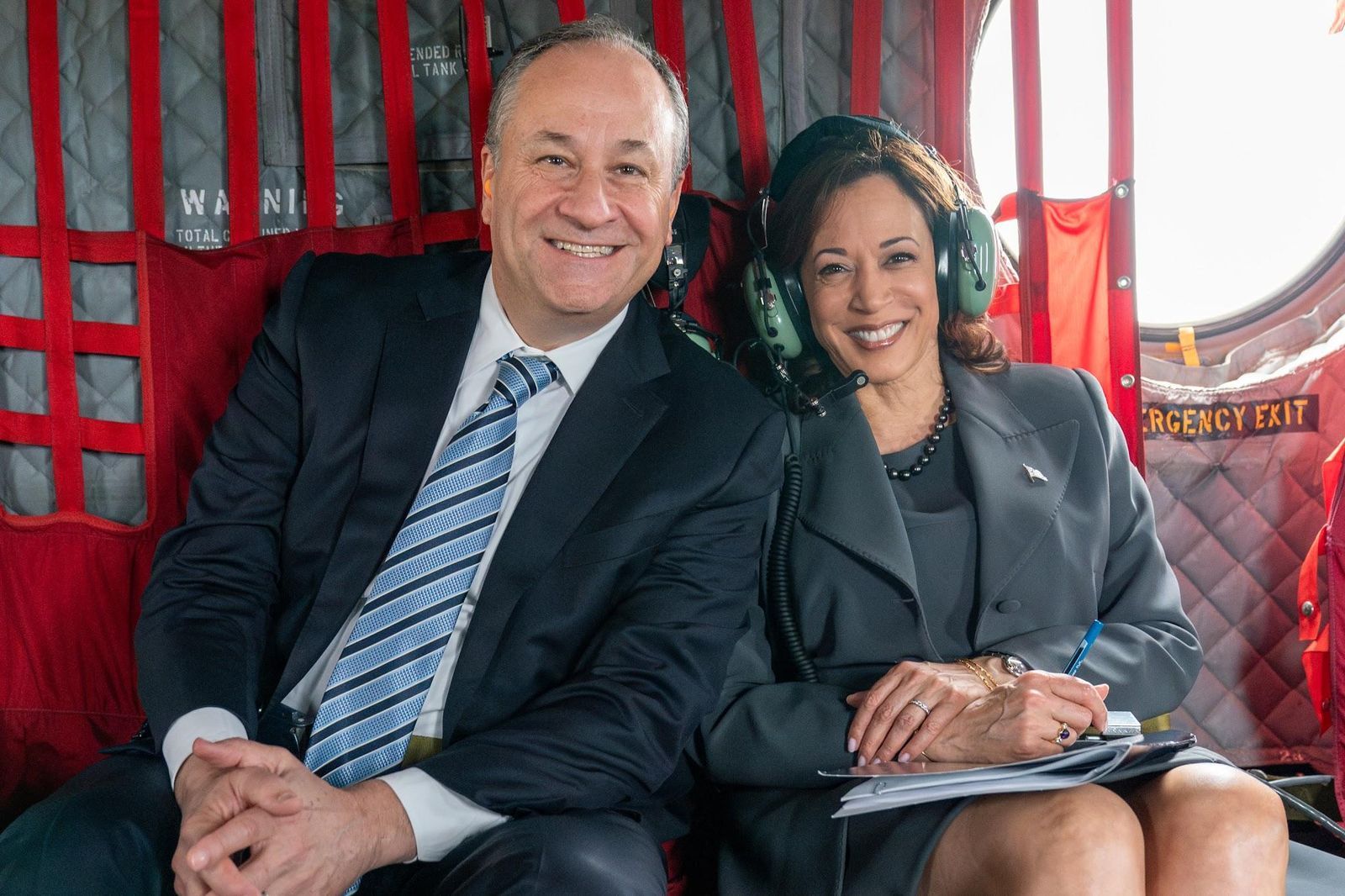
Image: The White House, Public domain, via Wikimedia Commons

We’ve had many memorable First Ladies in our history, but, seeing that we never had a female President, we don’t know what that role would look like in a reversed situation. But what about a Second Gentleman? In 2021, Kamala Harris was the first woman to serve as Vice President, and her husband, Doug Emhoff, became the first ‘Second Gentleman’ of the nation , which meant that the acronym for the position (SLOTUS) had to be updated to SGOTUS.

5
The first Veep to be a proper Veep
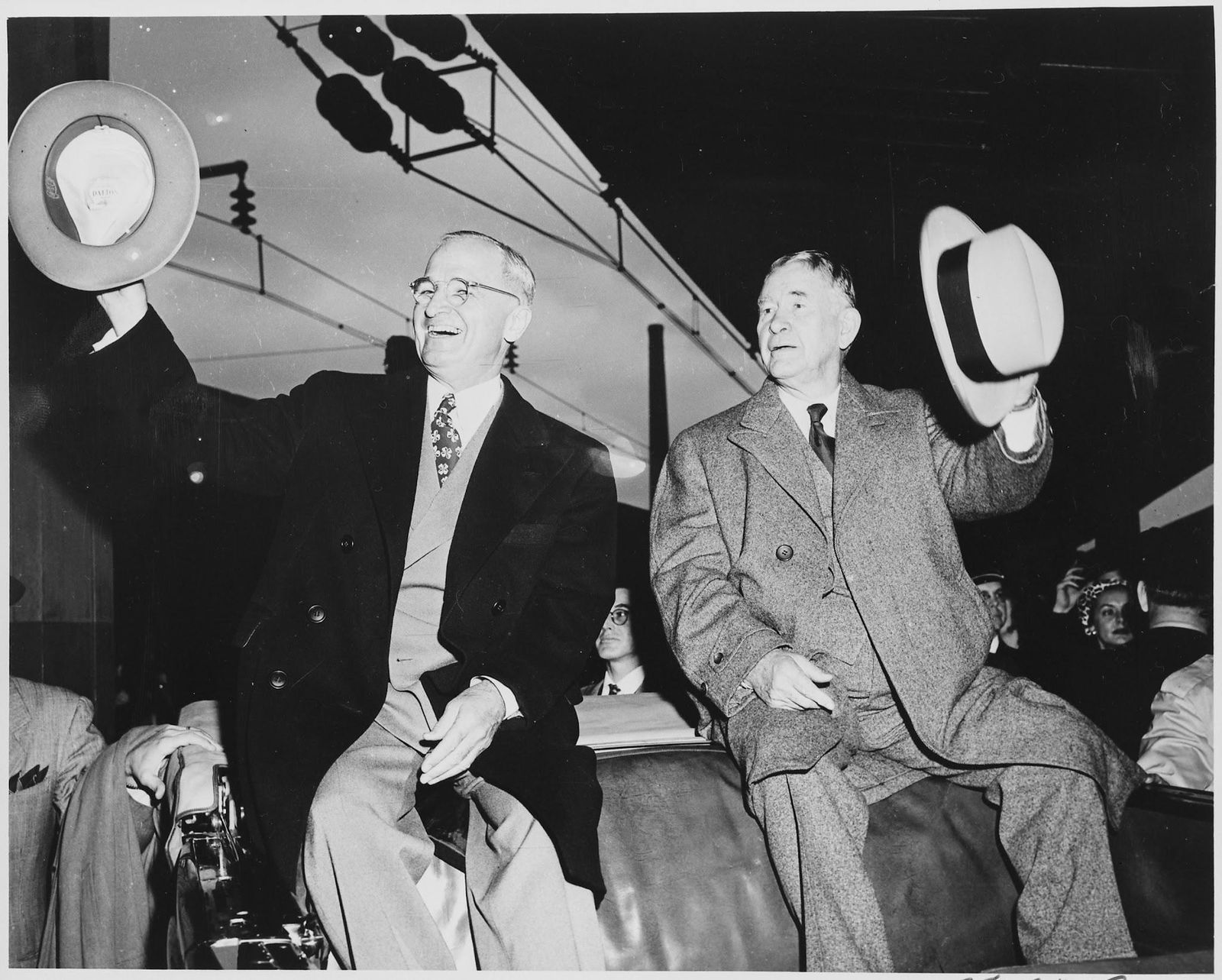
Image: Abbie Rowe, Public domain, via Wikimedia Commons

Where does the use of "Veep" for vice president come from? In 1949, Alben W. Barkley was elected as VP under President Harry S. Truman. Barkley thought that ‘Mr. Vice President’ was a mouthful, and it sounded too formal. His grandson suggested the term Veep (after the VP initialism) , which became popular when Barkley told the story to the press. Although the following vice president, Richard Nixon, refused to use the term out of respect for Barkley, it has become the common phrase used to informally refer to vice presidents.

6
The shortest Veep-to-President pipeline
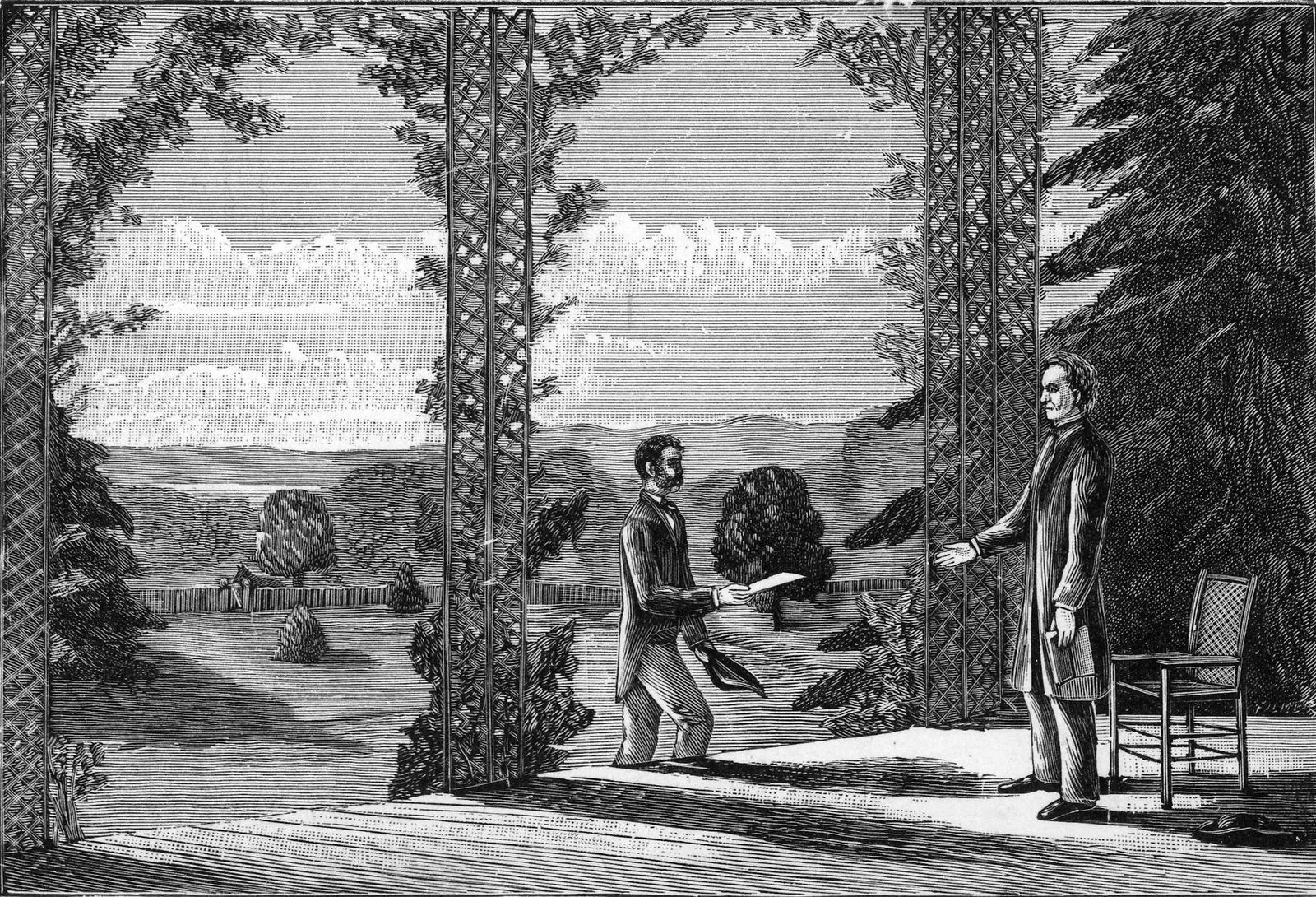
Out of the fifteen vice presidents to later become president, nine of them did so due to the president dying or resigning. The 10th Vice President, John Tyler, was not only the first Veep to assume the role after the President’s death, but also the Veep with the shortest tenure in American history. After only 31 days in office, in 1841, he became president due to the passing of William Henry Harrison , setting the precedent that vice presidents who assumed the presidency were official and not just acting presidents.

7
The first Veep to live at Number One Observatory Circle
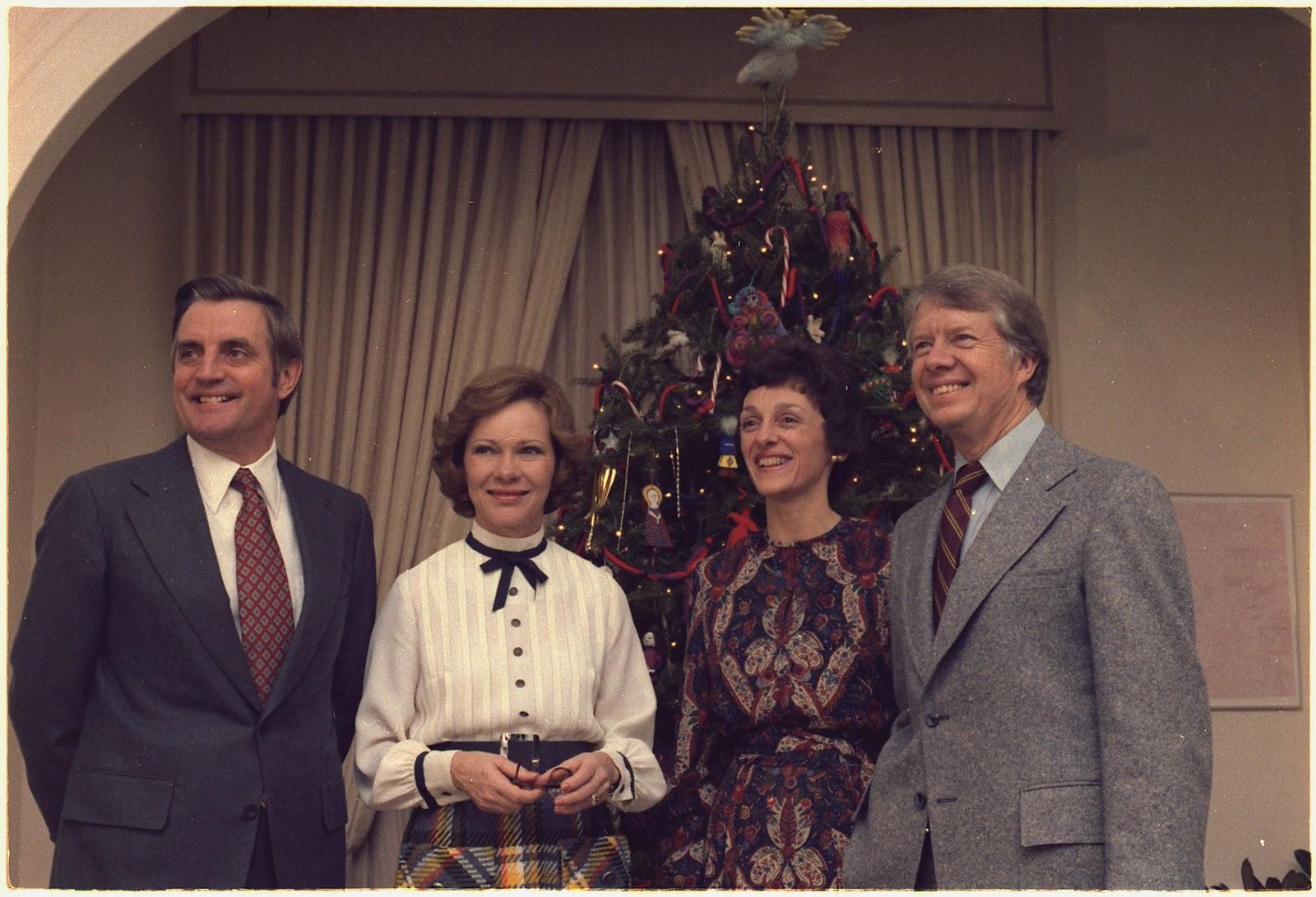
Image: National Archives and Records Administration, Public domain, via Wikimedia Commons

Unlike presidents, vice presidents didn’t always have an official residence. Up until 1974, when Congress designated Number One Observatory Circle as the official residence of the vice president , Veeps lived in their own houses. At the time, Vice President Nelson Rockefeller refused to move in and only used the house for entertaining guests. Walter Mondale was the first vice president to officially move in with his family in 1977.

8
The Veeps that had to step down
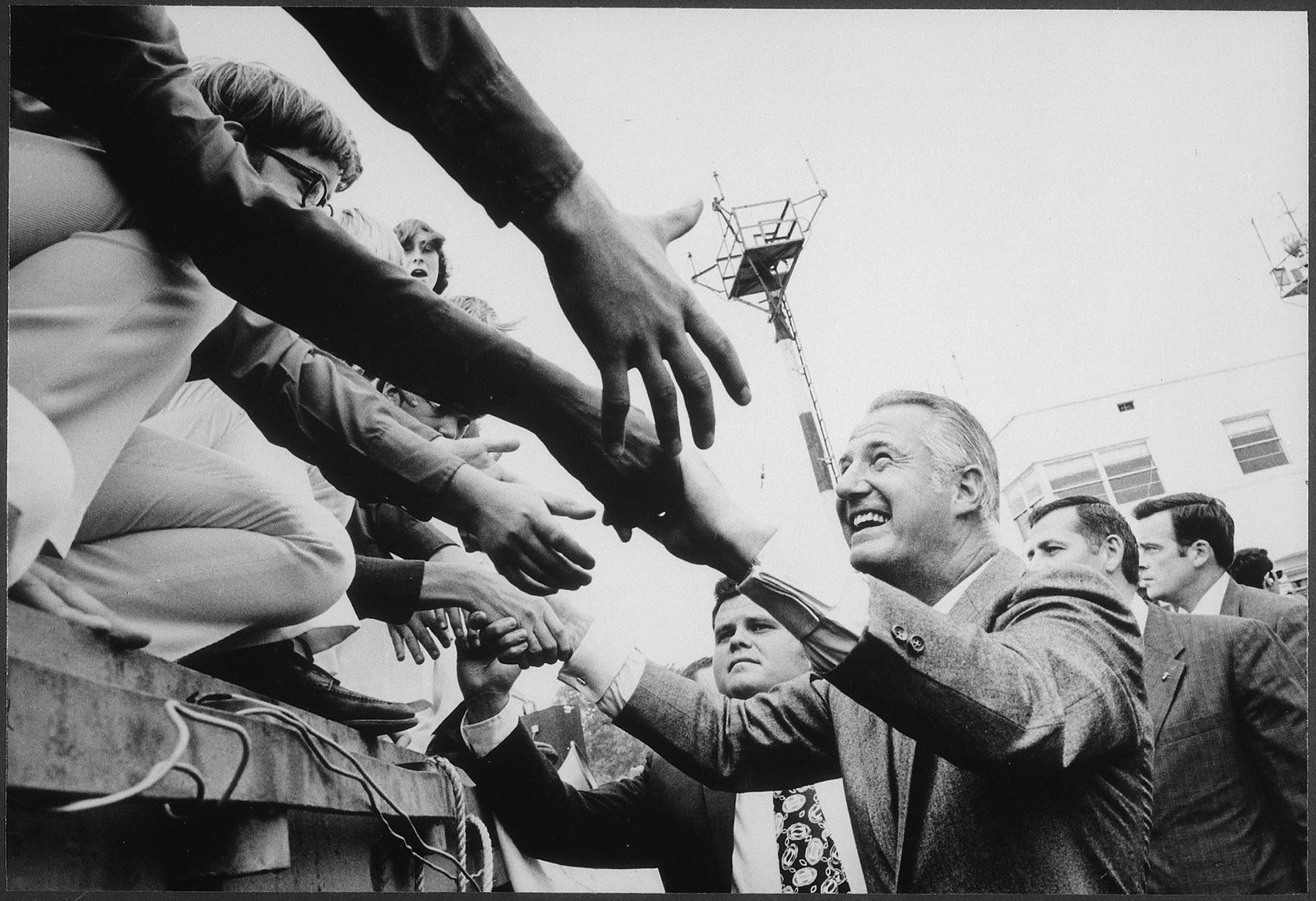
Image: Karl Schumacher, Public domain, via Wikimedia Commons

Only two out of the 50 vice presidents in American history resigned their position. In 1832, Andrew Jackson’s vice president, John C. Calhoun, resigned during his second term to accept a seat in the Senate after a series of political differences with Jackson. In 1973, Spiro Agnew was accused of corruption and bribery , and charged with tax evasion. He resigned and pleaded no contest to the charges. His President, Richard Nixon, would also resign less than a year later.

9
The Nobel Veeps
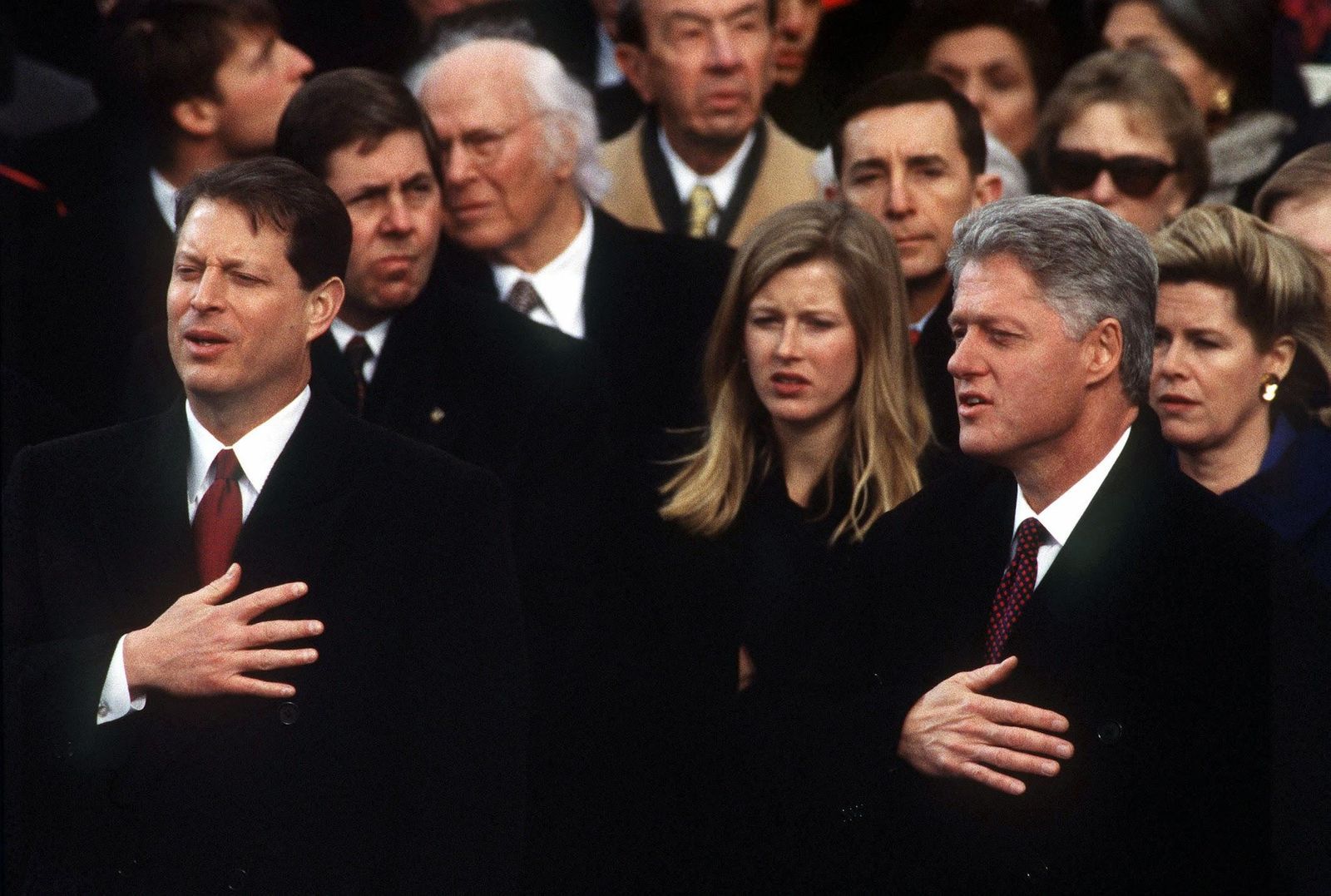
Image: MSGT Fernando Serna, USAF, Armed Forces Inaugural Committee, Public domain, via Wikimedia Commons

Only two vice presidents were awarded the Nobel Peace Prize: Charles G. Dawes received the prize in 1925 for the "Dawes Plan", an initiative to stabilize the German economy after WWI , while Al Gore received it in 2007 —jointly with the Intergovernmental Panel on Climate Change— for his efforts towards the conscientization of man-made climate change . Some also include Theodore Roosevelt in this list on account of his having served as vice president, but at the moment of receiving the prize in 1906, he was serving his second term as president.

10
The youngest and oldest Veeps
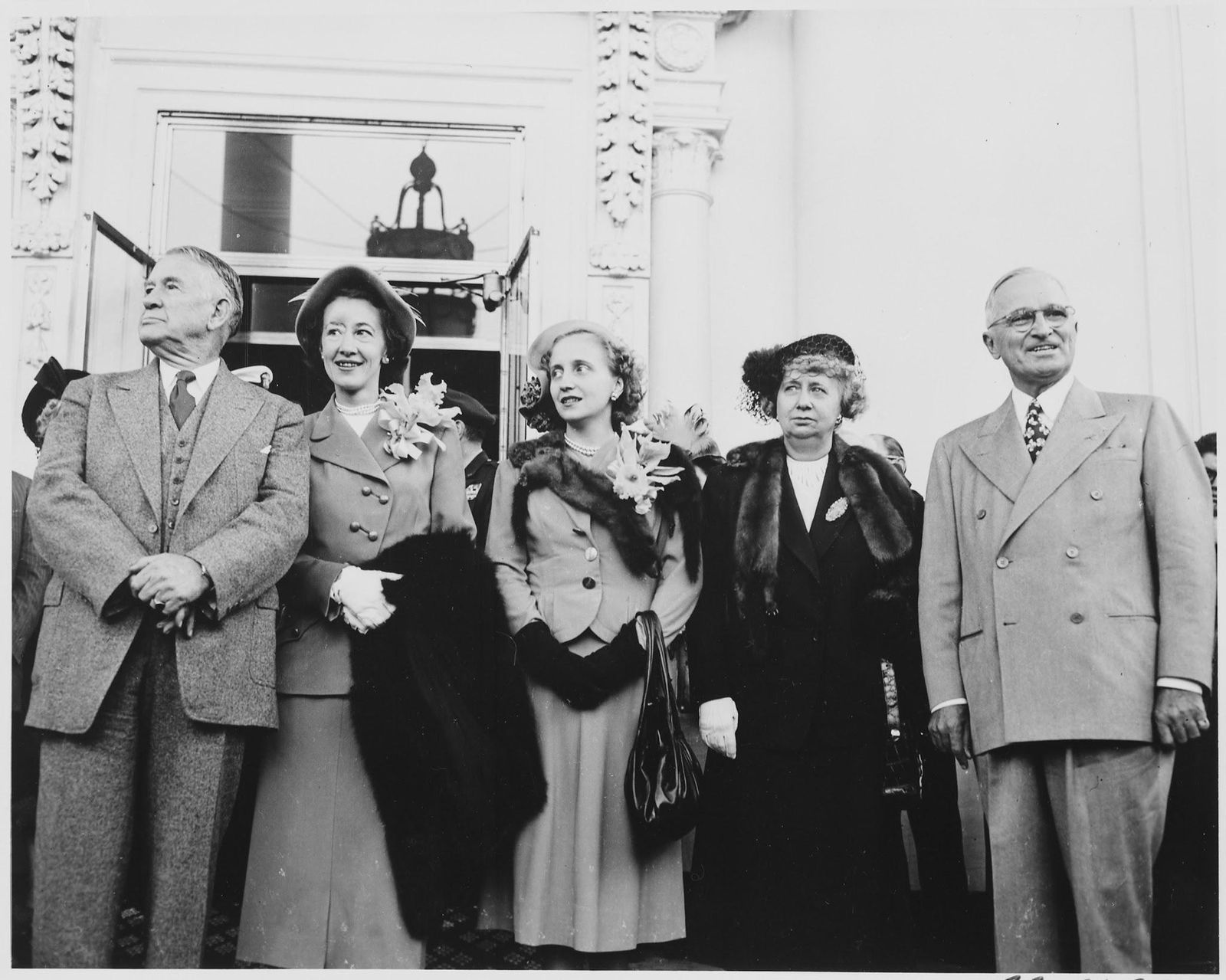
Image: Abbie Rowe, Public domain, via Wikimedia Commons

According to the Constitution, the minimum age requirement for the vice president is 35 years old. The youngest ever vice president in office was John C. Breckinridge at 36 years old , serving under James Buchanan in 1857, followed by Richard Nixon and J.D. Vance, who both assumed the role at 40 years old. The oldest vice president to take office was Alben Barkley, who in 1949 served under Harry S. Truman at 71 years old , followed by Charles Curtis at 69 years old, and Hubert Humphrey at 67 years old.
Culture Culture 2 min read

Take a stroll through America’s most unforgettable rivalries

Image: Tim Mossholder

Some rivalries are so woven into American life that just hearing the names brings back a memory or two. Sports, politics, soda bottles, even cartoon characters and major film studios have gone head-to-head for generations. Do you think you know them all? Keep reading and see (but no favorites over here!)

1
Yankees vs. Red Sox

Image: Chanan Greenblatt

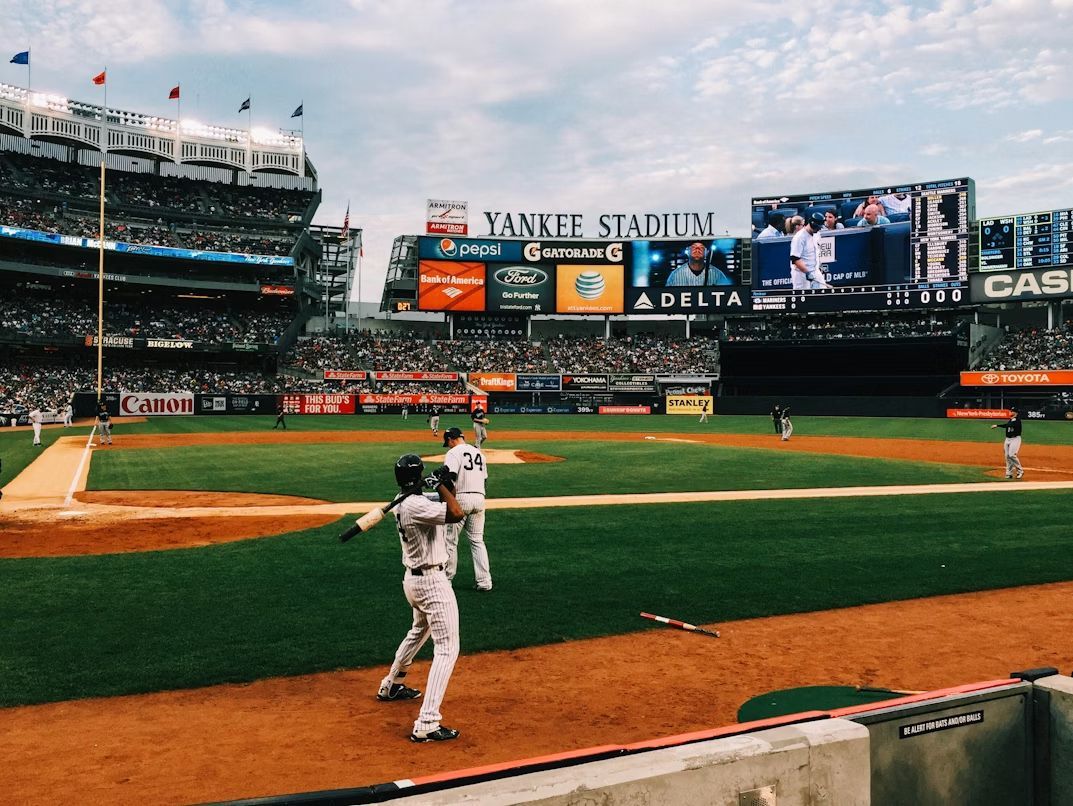
This feud has colored baseball for more than a century. The teams clashed often in the early 1900s, and the sale of Babe Ruth to New York only fanned the flames. Generations of fans have passed down the lore, and every game still feels like a chapter in a never-ending story.

2
Coca-Cola vs. Pepsi

Image: Nik A.

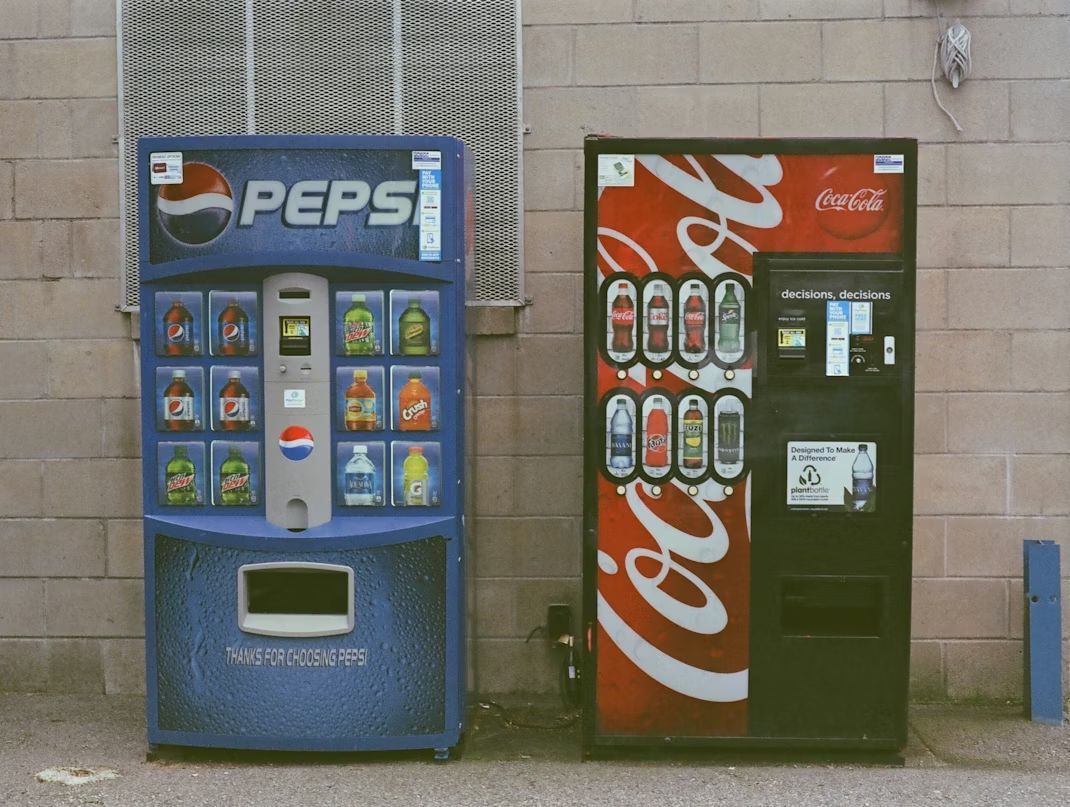
The "Cola Wars" picked up steam in the late 20th century with taste tests, jingles, and flashy commercials. Each brand tried to outdo the other in ads and sponsorships. Many households still swear one tastes better, even if most folks can barely tell the difference in a blind sip.

3
Lakers vs. Celtics

Image: Tim Hart

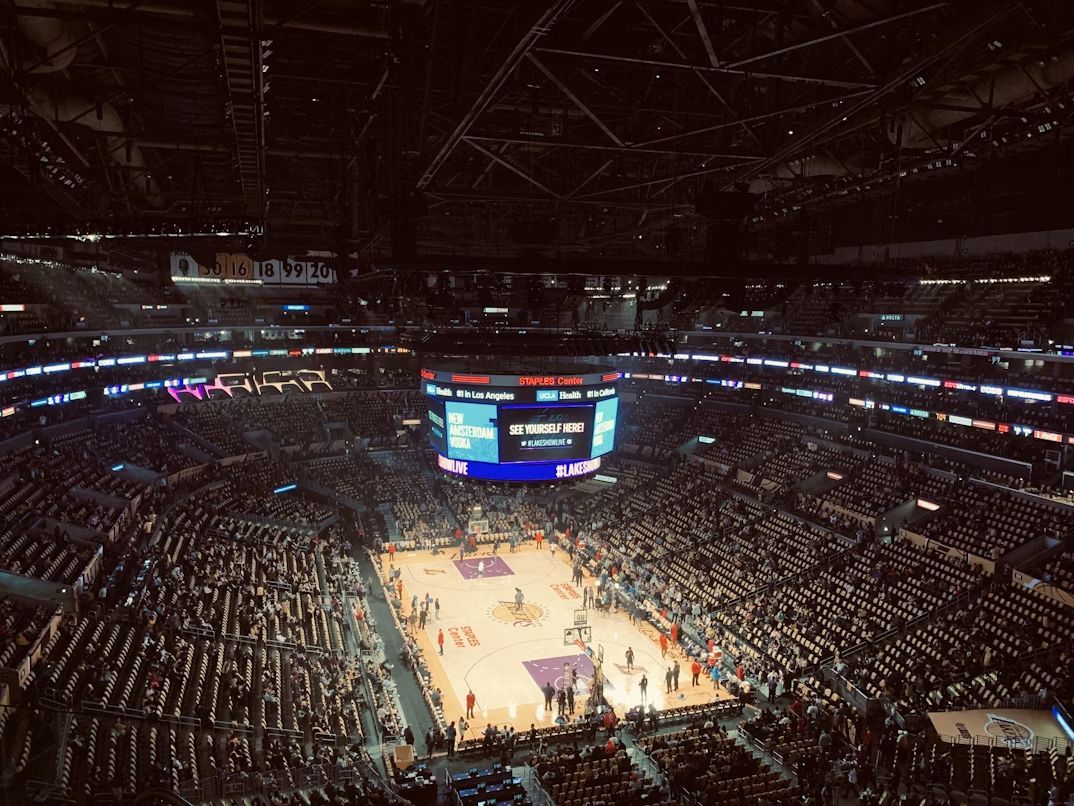
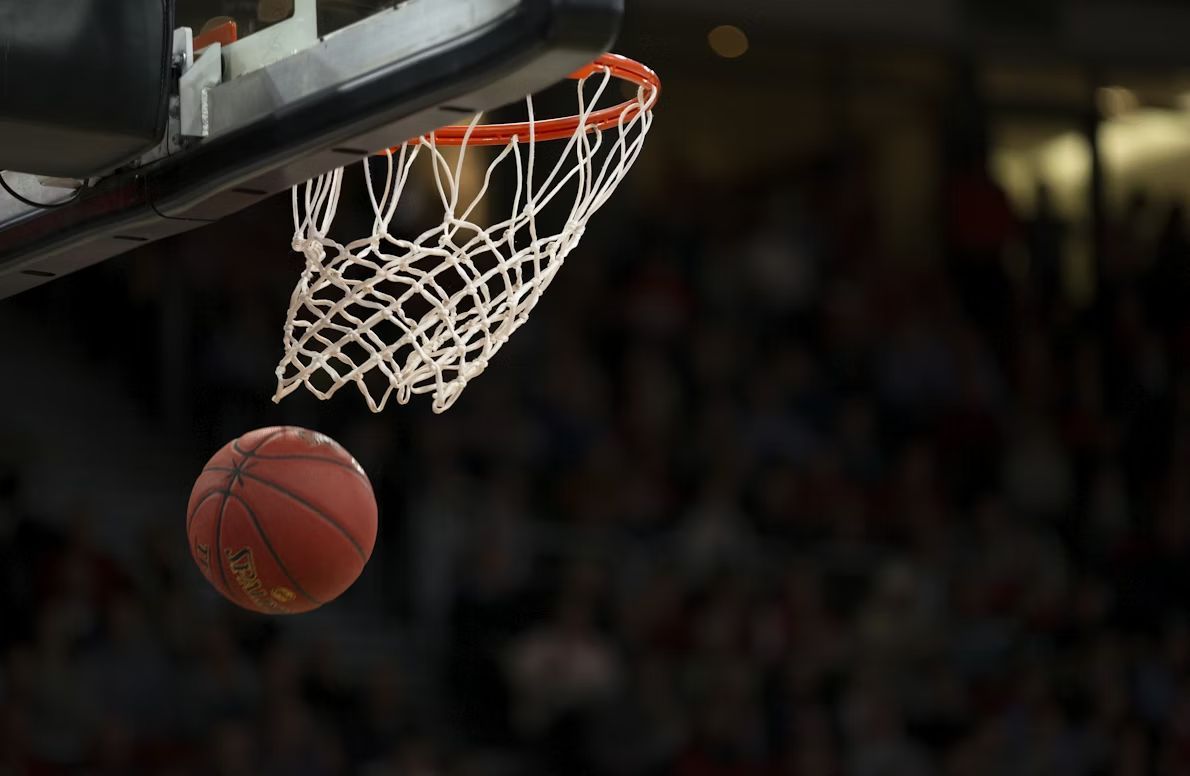
When basketball fans talk about greatness, these two names pop up right away. Their battles in the 60s, 80s, and 2000s created unforgettable moments. From Magic and Bird to Kobe and Garnett, each era brought its own flavor. Even non-fans recognize the spark between these teams.

4
Democrats vs. Republicans

Image: Bruno Ngarukiye

The nation’s two major parties have been sparring since the mid-1800s. Their disagreements shape elections, public debates, and dinner conversations across the country. While their views often pull in different directions, both sides trace their roots deep into American history.

5
Michigan vs. Ohio State

Image: Jakob Rosen

College football’s "The Game" is a yearly event that can tilt an entire season. Families in the Midwest grow up picking a side before they can spell the names. The rivalry took shape in the late 1800s and still ends with dramatic finishes, loud crowds, and plenty of bragging rights.

6
Mickey Mouse vs. Bugs Bunny

Image: steven lozano

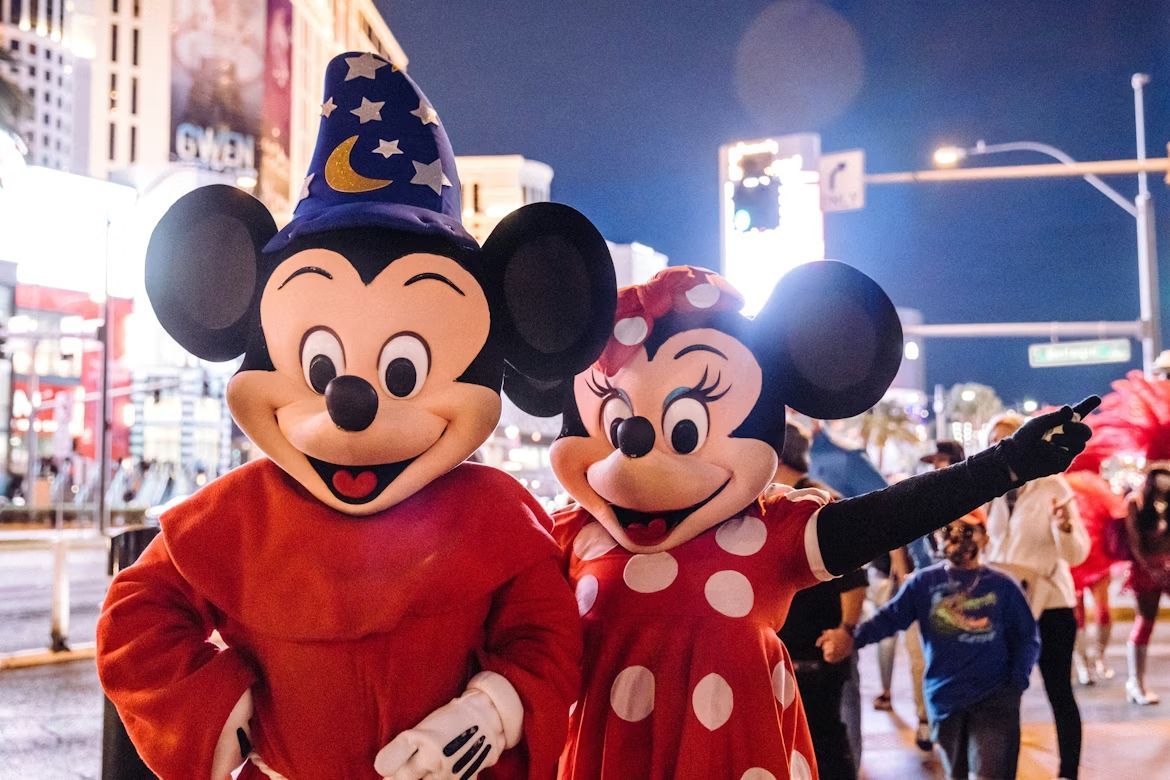
Disney and Warner Bros. shaped our childhood. Mickey brought gentle charm while Bugs introduced quick wit and a wink at the audience. Their studios battled for box office success, theme park magic, and Saturday morning loyalties, giving generations a favorite to root for.

7
Duke vs. North Carolina

Image: Markus Spiske

Just eight miles separate the schools, and that short drive holds decades of college basketball tension. Their first meeting was back in 1920, and each season brings new storylines. The noise inside their arenas can practically shake the floor when these two square off.

8
Giants vs. Dodgers

Image: Hongbin

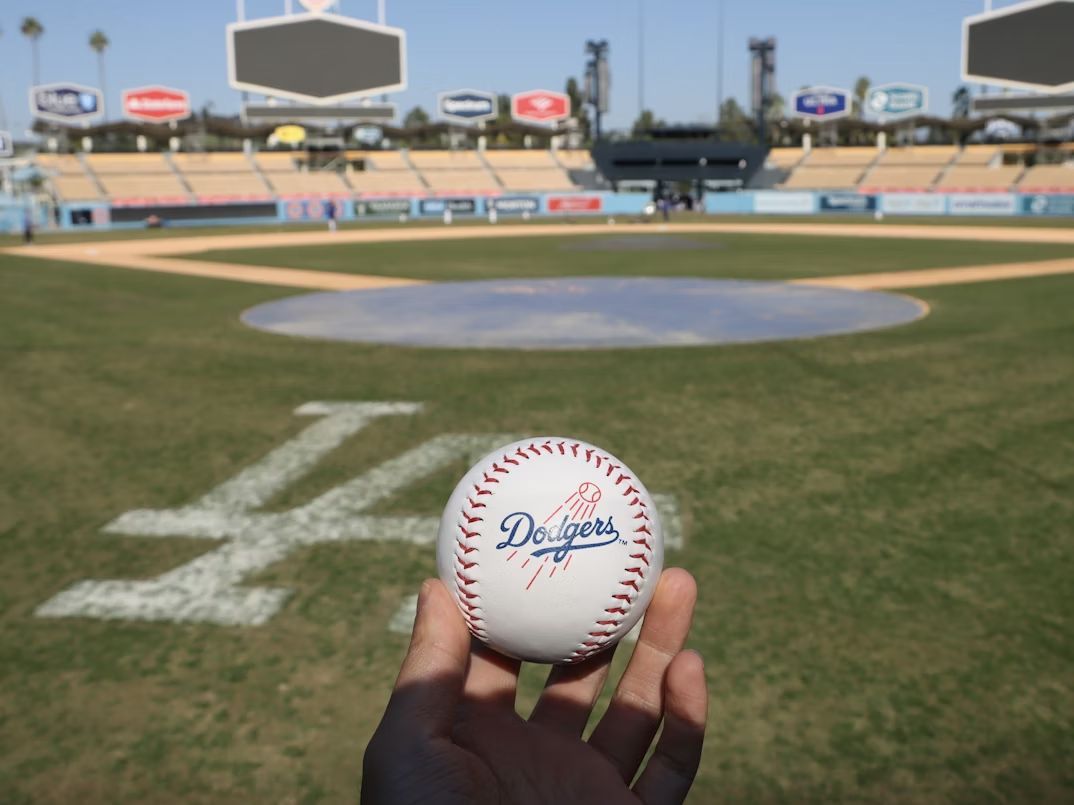
This rivalry began in New York before both teams headed west in the 1950s. The move did not cool things down one bit. Whether in Brooklyn and Manhattan or Los Angeles and San Francisco, these clubs have carried the same competitive spark for well over a hundred years.

9
Hamilton vs. Jefferson

Image: Sudan Ouyang

These two founding figures clashed over just about everything. Hamilton leaned toward strong federal power while Jefferson preferred a lighter touch from the central government. Their debates set the stage for questions that still guide the country’s political landscape.

10
Marvel vs. DC

Image: Rachit Khurana

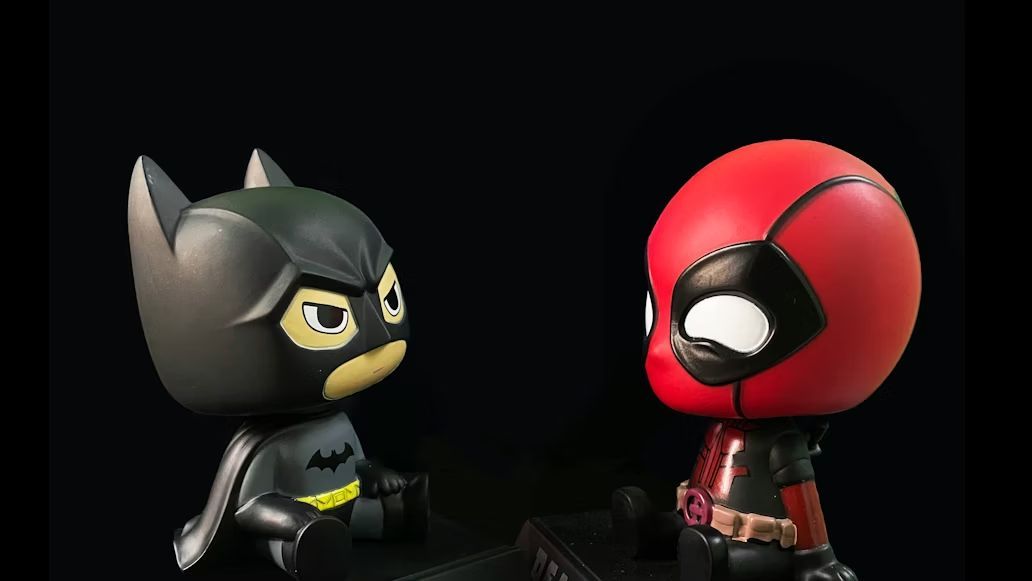
Comic book fans have compared these two universes for generations. Marvel’s heroes often feel grounded and human, while DC characters carry mythic, larger-than-life qualities. Their films, shows, and comics compete for audiences who proudly cheer for their chosen side.

General General 6 min read

Happiness in a bowl

What’s your favorite cereal? The top 10 most popular brands in America

Image: DS stories

On any given day, one out of every two Americans starts his or her morning with a bowl of cereal. Altogether, Americans consume roughly 2.7 billion boxes every year. Although the story of cereal began around 10,000 years ago with the advent of agriculture, cold breakfast cereals are a more recent and decidedly American development that quickly expanded to the rest of the world. Whether you prefer Corn Flakes or Froot Loops over Cheerios and Lucky Charms, you'll likely find your favorite cereal in this article. Join us as we look back on 10 of America's most popular breakfast brands!

1
Corn Flakes

Image: Sten Ritterfeld

Who hasn't started their day with a bowl of Corn Flakes at least once? While Corn Flakes weren't exactly the first packaged cold cereal product sold in America, they are undoubtedly the most iconic. As early as 1902, William Keith Kellogg began mass production of his first cereal after proving its efficacy and popularity with patients at the Battle Creek Sanitarium, where he worked alongside his prestigious doctor brother.

The Kellogg brothers were focused on offering a healthier alternative to the traditional pork-and-beef heavy English-style breakfasts that most Americans were eating at the end of the 19th century. Therefore, they developed a process that allowed them to transform thin slices of cereal into small toasted flakes of wheat or corn. Since then, Corn Flakes, combined with fresh milk, have been one of the most popular breakfasts among Americans, young and old.

2
Cheerios

Image: Deena Englard

Did you know that a one-ounce serving of Cheerios contains nearly 250 individual "O's."? Crazy, right? Introduced in 1941 by the American company General Mills, Cheerios is one of the first oat-based ready-to-eat cereals and remains one of the most widely consumed in the United States.

Back in the 1930s, General Mills engineers tested more than 500 formulas and experimented with 10 different shapes and sizes before perfecting the now-iconic "O." They finally came up with the delicious cereal that offers the nutrients of 4 cereals: oats, corn, wheat, and rice. Today, there are about 20 different flavors of Cheerios available in the U.S., including Honey Nut, Chocolate, and Apple Cinnamon. Which one is your favorite?

3
Rice Krispies

Image: Lisa Fotios

Kellogg’s is one of the most influential breakfast cereal companies in the United States and the world, and we have them to thank not only for Corn Flakes but also for our beloved Rice Krispies. This breakfast cereal made from crispy rice first appeared on the shelves in 1928. It was revolutionary at the time because the company used a new patented process called "oven-popping" to manufacture them.

Rice Krispies’ success may have been due to its claim that the cereal would remain floating even after 2 hours in milk. The brand's classic slogan honoring this unique quality—"Snap! Crackle! Pop!"—was introduced around 1939 and is still used on packaging today. For decades, Rice Krispies has been one of the most popular cereals among consumers, so much so that even the Rolling Stones recorded a short song for a television commercial promoting the brand in 1964. Do you remember the catchy tune?

4
Cap'n Crunch

Image: Samantha Gades

Cap'n Crunch cereal, a combination of corn and oats, was developed in the early 1960s by Pamela Low, a flavorist who was inspired by a brown sugar and buttered rice recipe from her grandmother. Since its debut, additional flavors have been introduced, including Berries, Peanut Butter, and Chocolate.

But did you know that Cap'n Crunch’s full name is Horatio Magellan Crunch ? The iconic cartoon mascot was developed for the Quaker Oats Company by Allan Burns, a screenwriter and television producer who later co-created popular shows like The Munsters and The Mary Tyler Moore Show . Since its introduction in 1963, the late 18th-century naval captain, born on Crunch Island—a magical land in the Sea of Milk—has won the hearts (and bowls) of countless consumers across America.

5
Trix

Image: Sascha Bosshard

General Mills introduced Trix in 1954 as the first fruit-flavored cereal. Initially, it wasn’t marketed exclusively for kids, but because of the bright colors, it soon became a favorite among the little ones. When Trix was first launched, it featured round cereal balls in three flavors: "Raspberry Red," "Orange Orange," and "Lemony Yellow." It wasn't until 1991 that Trix became the first fruit-shaped breakfast cereal.

But as with other brands on this list, Trix is best remembered for its mascot rather than the cereal itself. In fact, the Trix Rabbit is one of the single longest-running ad campaigns in television history. Since the 1960s, the brand has kept the same character, the same slogan—"Trix are for kids!"—and the same storyline: the rabbit’s endlessly thwarted attempts to steal a box of cereal.

6
Frosted Flakes

Image: Engin Akyurt

If we talk about the sweetest cereals on the market, we cannot fail to mention Frosted Flakes. The concept and technology of a "frosted" cereal was developed in 1939 by Jim Rex, a salesman from Philadelphia who unfortunately didn’t have much success with his product Ranger Joe Wheat Honnies. The idea, though, was soon adopted by the breakfast cereal industry, and by 1952, Kellogg introduced Sugar Frosted Flakes to its lineup.

That same year, Kellogg launched a campaign featuring Tony the Tiger, Frosted Flakes’ famous mascot, who proudly declared, "Sugar Frosted Flakes are Grrr-reat! The slogan and the character became so popular in the United States that it's probably more quintessential than the cereal itself.

7
Lucky Charms

Image: Céline Druguet

The mini marshmallows found in Lucky Charms, whose technical and copyrighted name is Marbits , were invented, along with the cereal, by General Mills product developer John Holahan in 1963. One morning, he cut up a few orange marshmallow Circus Peanuts, mixed them into a bowl of Cheerios, and was delighted with the result. The rest, as they say, is history.

Lucky Charms is inspired by Irish culture. Its mascot, Lucky the Leprechaun debuted on St. Patrick's Day in 1964. The successful combination of this endearing character, delicious shaped oat pieces, and colorful little marshmallows was quickly embraced by children around the world. Tasty, crunchy, and fun, this cereal has undeniably revolutionized American breakfasts forever.

8
Froot Loops

Image: Yusuf Timur Çelik

Toucan Sam has been a part of our lives for more than 60 years now. Kellogg’s iconic mascot—a blue, anthropomorphic toucan with the ability to smell Froot Loops from great distances—was introduced alongside the O-shaped cereal in 1963.

Froot Loops were developed after Kellogg attempted to displace General Mills' Cheerios from the market. The idea of introducing fruity flavors proved to be a success, even though, years later, the company admitted that the different colors did not correspond to unique fruit flavors. In recent years, Froot Loops have faced criticism for their use of artificial colorings and high sugar content. Yet, they still have plenty of fans and they remain one of the best-selling cereal brands in America.

9
Cinnamon Toast Crunch

Image: Francisco Jacquier

Another popular breakfast cereal created by General Mills is Cinnamon Toast Crunch. In fact, the company sells over 100 million boxes a year of this brand alone, putting it just behind Cheerios and Frosted Flakes in sales. How about you—do you have a box of Cinnamon Toast Crunch waiting in your pantry?

These delicious little squares of whole wheat and rice, topped with cinnamon and sugar, were first launched in 1984 and were an instant hit. And it makes sense, given that, in a way, they were invented by a child. Cinnamon Toast Crunch was developed by General Mills scientists and product managers after an unnamed child suggested the idea of a cinnamon toast-flavored cereal during a radio contest. Since then, it has remained one of America's favorite cereals and we don't expect its popularity to wane any time soon.

10
Life

Image: Binyamin Mellish

More than 60 years after its creation, Life remains one of the top 10 best-selling cereal brands in the United States. Introduced on the market in 1961 by the Quaker Oats Company under the slogan "The most useful protein ever in a ready-to-eat cereal," Life is a multigrain cereal enjoyed by millions of family households across the country.

Like its competitor Trix, Life has also made history in marketing and advertising. A famous Life commercial featuring Little Mikey, a hard-to-please four-year-old boy, aired nationally from 1972 to 1984, making it the longest-running commercial in television history . Have you seen it? We bet you have!

Explore more American facts

Choose your favorite category!

General
General

As American as apple pie—the very best America has to offer!

Culture
Culture

Delve into the astounding richness of American lore.

Geography
Geography

Hop in and explore vast and diverse American landscapes.

History
History

Discover the key moments that shaped the United States.