Culture Culture 6 min read

Wives of democracy

From Martha Washington to Melania Trump: 10 facts about the First Ladies

Image: Florida Memory / Cristina Staver

The contributions of America’s First Ladies are often overlooked. But every woman who has held the role has left a meaningful mark on the nation’s history. For that reason, we have decided to commemorate 10 First Ladies by bringing to the spotlight their achievements, their marriages, and their many strengths. While we would love to feature every single First Lady in this article, we would need much more space to do so. However, these 10 iconic women are often referred to as examples of the amazing characteristics that all First Ladies share. Without further ado, enjoy!

1
Martha Washington

Image: Boston Public Library, CC BY 2.0

Let’s begin with the inaugural first lady of our country. In May 1789, Martha Washington inaugurated the role of First Lady of the United States when she arrived in New York City to meet her husband, George Washington. Interestingly, the name "First Lady" wouldn’t be used until some time later. Instead, Martha was simply referred to as "Lady Washington".

As you would expect, Martha Washington installed practices that went on to become traditions held by many future First Ladies, including receptions to the general public on New Year’s Eve. Furthermore, President Washington asked Martha to hold special drawing room events at their residence. These social gatherings became instrumental in forming what was known as the "Republican Court" , an influential group of American intellectuals and politicians.

2
Rosalynn Carter
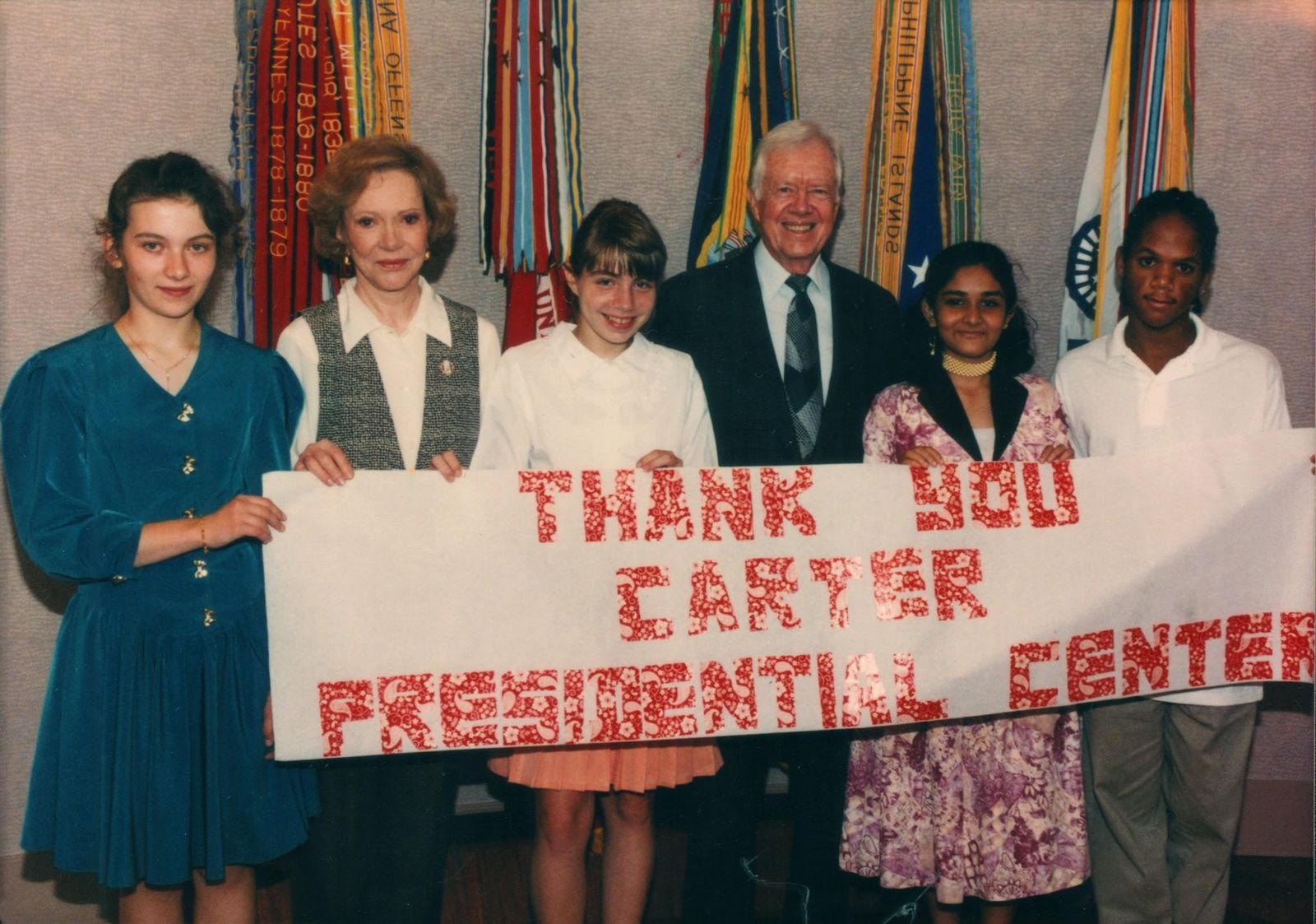
Image: Tatiana V. Konokotina, CC BY 4.0

According to Rosalynn Carter , she first became attracted to her husband, future president Jimmy Carter, when she saw him in a photograph dressed in his U.S. Navy uniform. What followed is a long and prosperous love story, which only ended in 2023 after Rosalynn passed away at the age of 96 years old.

During her tenure as First Lady, Rosalynn became an advocate for mental health and women’s rights, and she continued to support these causes through her work in the Carter Center. Both Rosalyn and President Carter were awarded the Presidential Medal of Freedom in 1999.

3
Barbara Bush
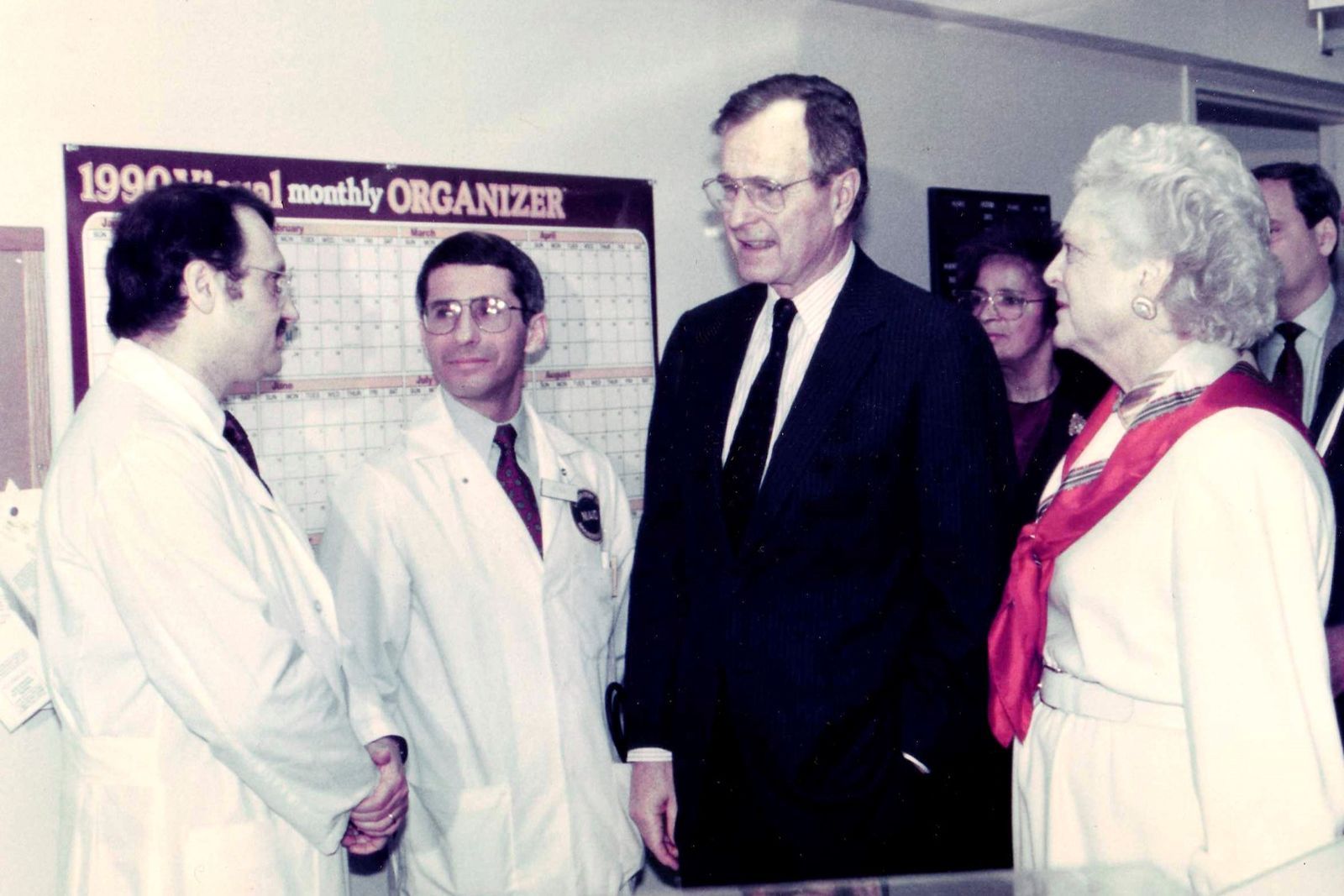
Image: NIAID, CC BY 2.0

Few First Ladies hold the honor of being both the wife and the mother of a U.S. President, and Barbara Bush is one of them. She served as the First Lady during the presidency of George H. W. Bush, who acted as the 41st U.S. President from 1989 to 1993.

Although she presented herself in an almost apolitical manner, Barbara often engaged in charity work, most notably in campaigns to fight illiteracy. After her husband’s presidency ended, she continued to work in campaigning for her sons, including our 43rd President, George W. Bush.

4
Eleanor Roosevelt
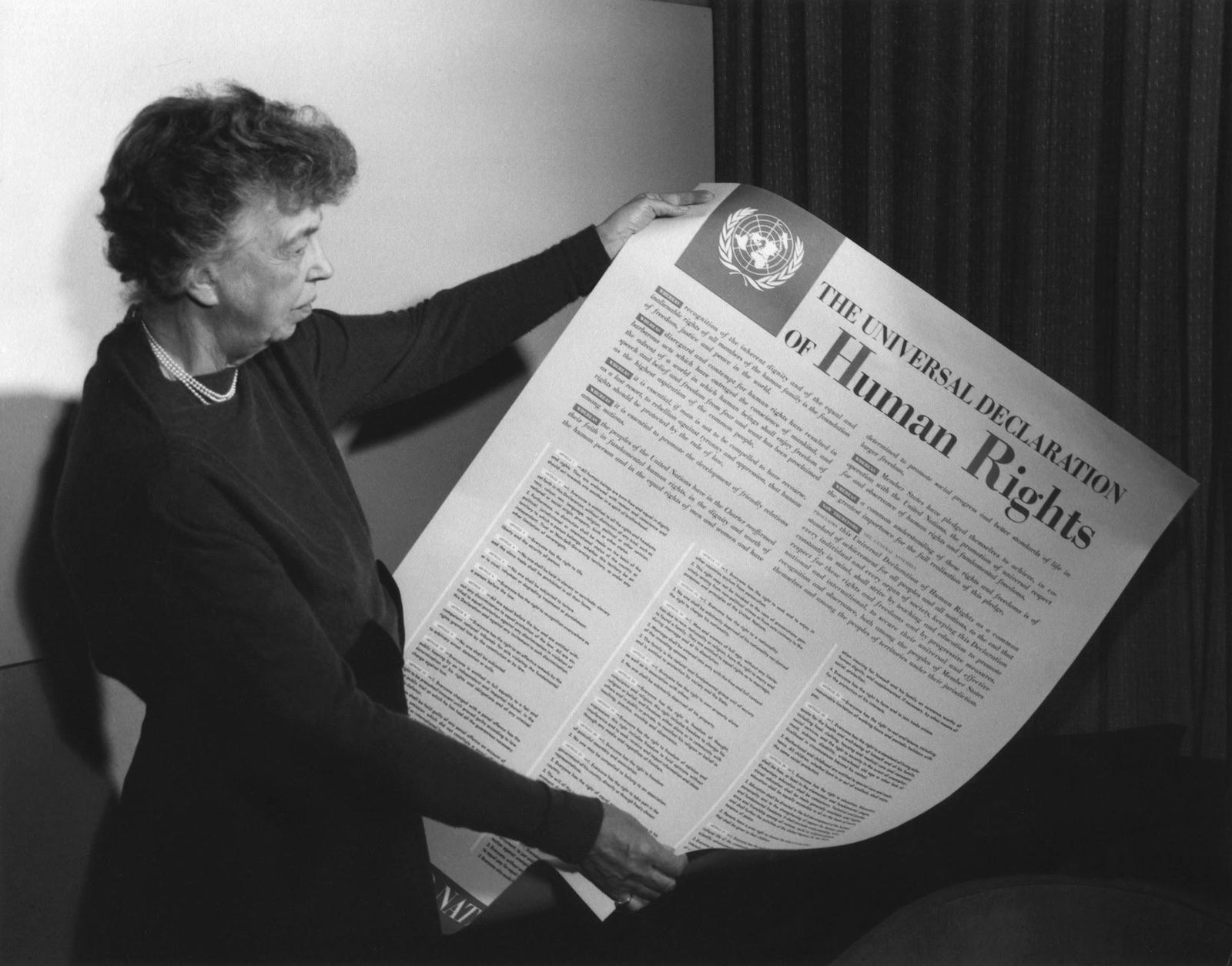
Image: FDR Presidential Library & Museum, CC BY 2.0

Eleanor Roosevelt is remembered as the longest-serving First Lady in U.S. history. However, the legacy of this amazing figure is not limited to this fact. Roosevelt is considered to be one of the most groundbreaking First Ladies in history, completely revolutionizing the function.

Roosevelt took an active role during her husband’s terms, actively engaging in public events, travels, and cultural activities. Not only that, she was instrumental in President Roosevelt’s involvement with the then-newly formed United Nations. Eleanor served as a delegate to the U.N. General Assembly, acting as the leading figure behind the drafting of the Universal Declaration of Human Rights.

5
Nancy Reagan
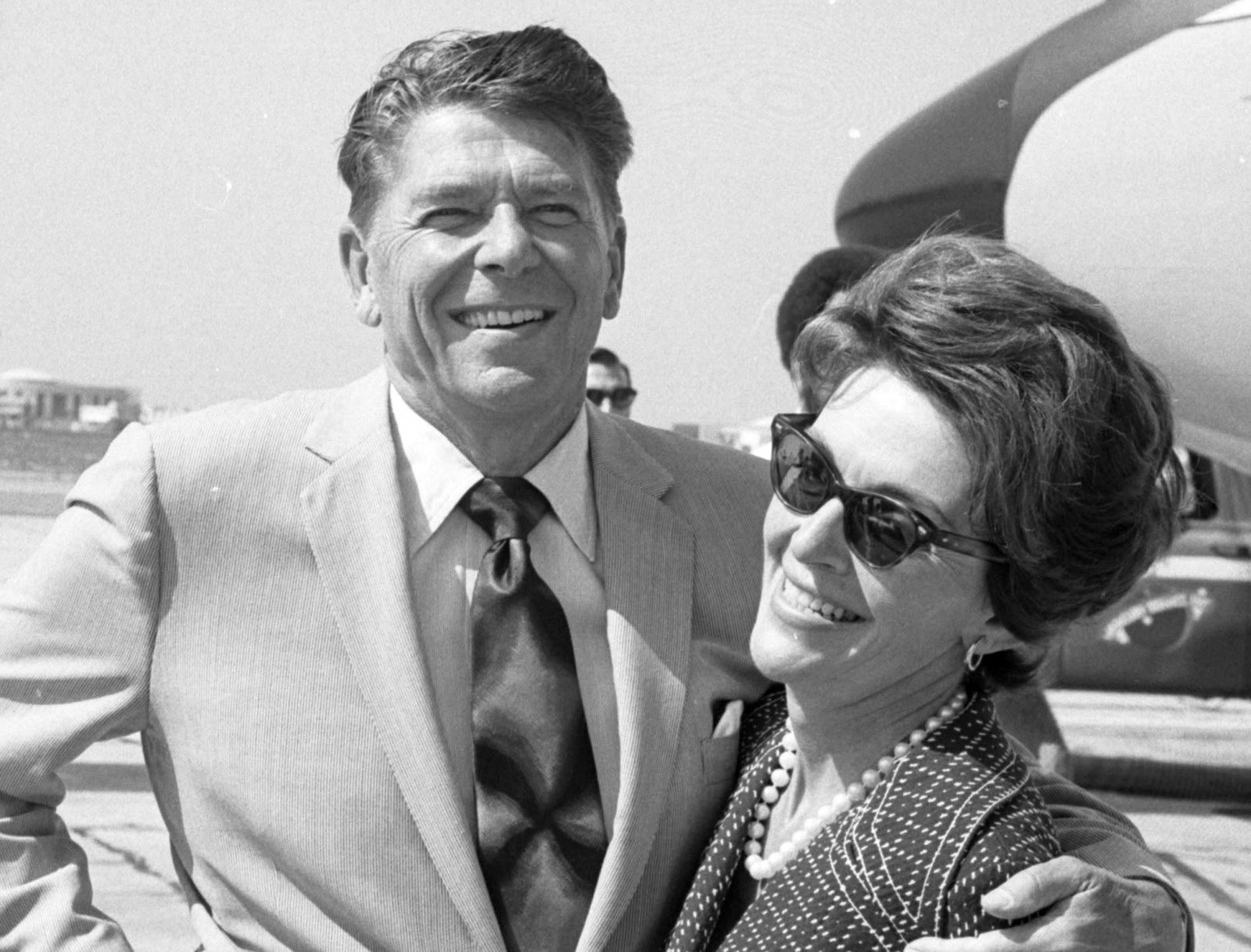
Image: Bill Varie, Los Angeles Times, CC BY 4.0

Just like her husband, Nancy Reagan’s career before the White House was filled with the glamour and excitement of Hollywood. Between the 1940s and 1950s, she starred in several blockbusters such as "The Next Voice You Hear...", "Night into Morning", and "Donovan s Brain", acting under her maiden name, Nancy Davis.

In 1952, she married then-fellow actor Ronald Reagan, the president of the Screen Actors Guild at the time. Nancy first served as First Lady of California when her husband was governor of the state, and later on as First Lady of the country in 1981.

6
Lady Bird Johnson
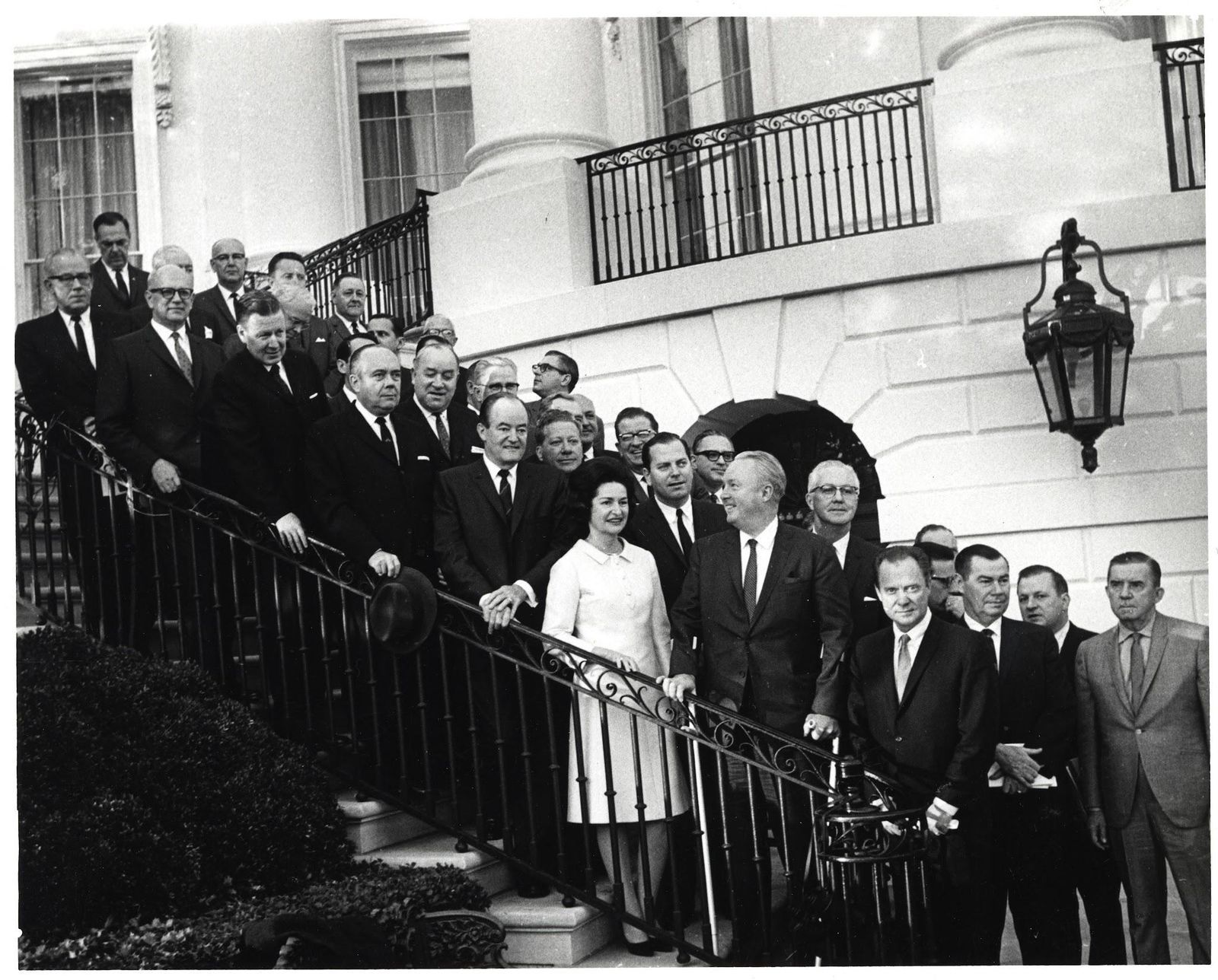
Image: City of Boston Archives from West Roxbury, United States, CC BY 2.0

Some First Ladies (although not many) are better known by their nicknames, and that’s certainly the case with " Lady Bird" Johnson . Born Claudia Alta Taylor in Karnack, Texas, this First Lady’s nickname comes from the fact that her nursemaid apparently stated that young Claudia was "as pretty as a ladybird".

When she was in her early 20s, Lady Bird met a young congressional aide named Lyndon B. Johnson after a mutual friend introduced them. The First Lady would later declare that she felt "like a moth drawn to a flame" on that first meeting. A few weeks after their first dates, the couple married and went on to have two daughters, Lynda Bird and Luci Baines.

7
Jackie Kennedy
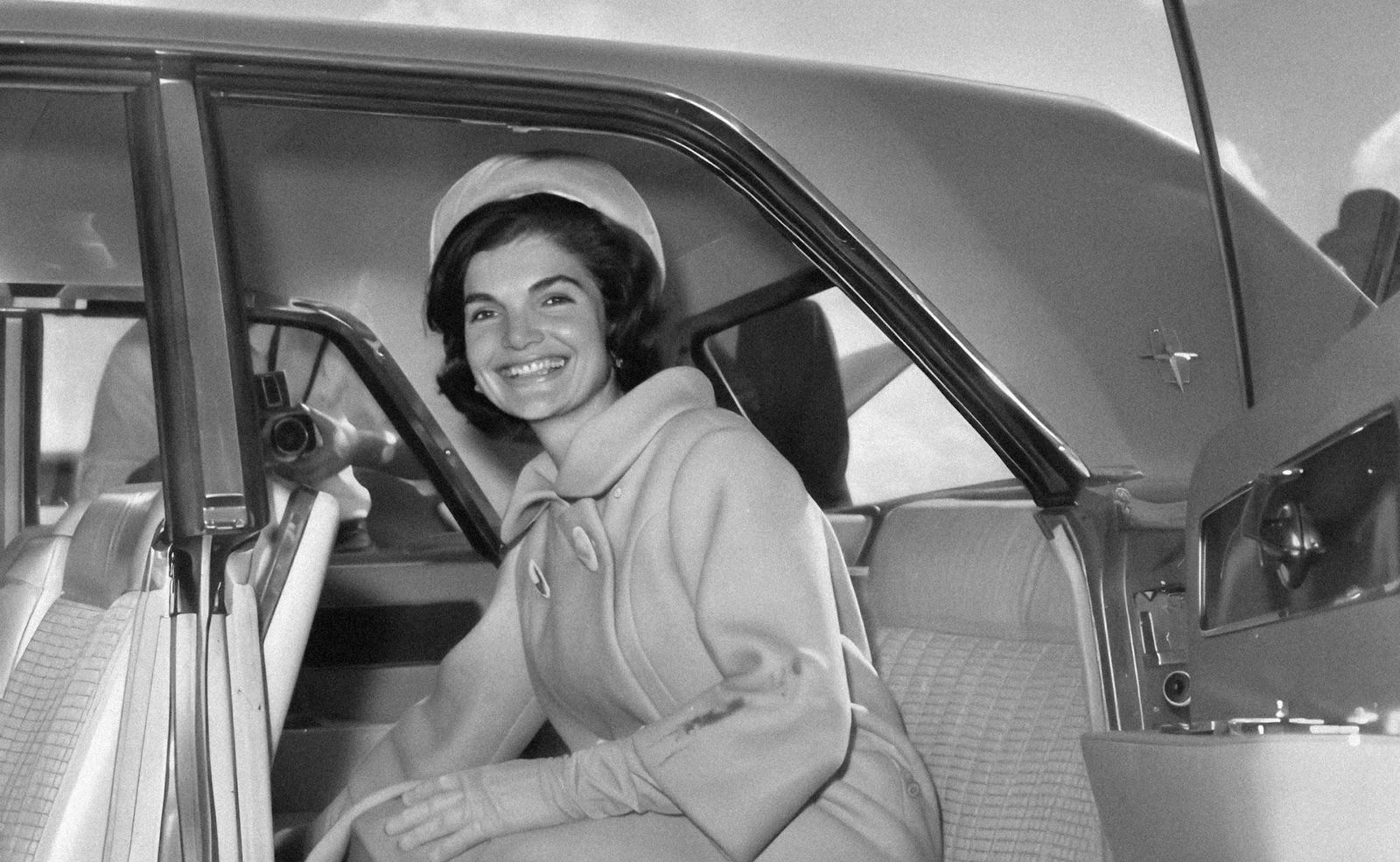
Image: Florida Memory

For many Americans, First Ladies are the pinnacle of glamour. Their impeccable manners and warm personalities perfectly match their classy outfits. In that sense, Jacqueline "Jackie" Kennedy is considered to this day an international icon, known for her daring yet elegant attire and her devotion to their family and her country.

Jackie met President Kennedy, then U.S. Representative for Massachusetts, at a dinner party held by journalist Charles L. Bartlett. A year later, in 1953, the couple married in an event that was listed as the social event of the season. Jackie took a rather active role in her duties as First Lady. She conducted a massive restoration process of the White House and often joined her husband on many trips abroad, becoming a beloved cultural ambassador for America.

8
Hillary Clinton

Image: Hillary for Iowa, CC BY 2.0

Hillary Clinton is definitively the person on this list with the most political experience. She was Secretary of State, Senator for the State of New York, and presidential candidate. However, we shouldn’t overlook the fact that she dutifully served as First Lady of the United States while her husband was in the White House.

While the world knew her as Hillary Rodham, she entered Yale Law School in the early 70s, where she met a fellow law student by the name of William "Bill" Clinton. They married in 1975 and welcomed their only daughter, Chelsea, in 1980.

9
Michelle Obama

Image: Tim Pierce from Berlin, MA, USA, CC BY 2.0

Following her graduation from Princeton University, a young lawyer by the name of Michelle LaVaughn Robinson started working in a Chicago law firm, focusing on marketing and intellectual property law. During her time in this office, she met another young lawyer named Barack Obama. Did any of them know that they were meeting their future spouse?

Let’s now jump to the year 2009: Barack Obama was the first African-American President of our country, and Michelle Obama became the First Lady of the United States. During her time in the White House, Michelle took a stand against many difficulties, like poverty, childhood obesity, and illiteracy.

10
Betty Ford
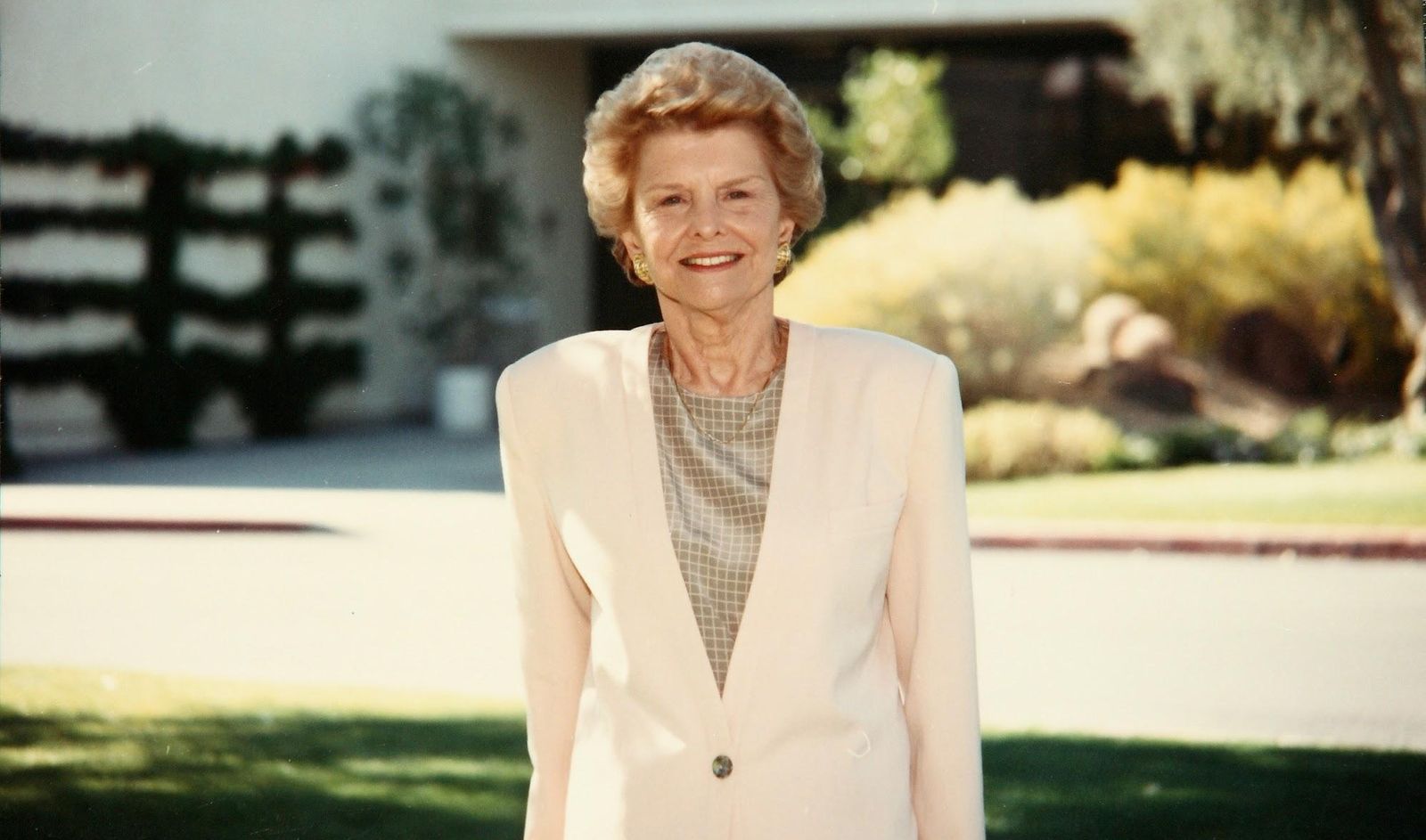
Image: Image courtesy of Betty Ford Center, Attribution, via Wikimedia Commons

Elizabeth Anne "Betty" Ford assumed the role of Second Lady when her husband, Gerald Ford, served as Vice President to Richard Nixon (1973-1974), and she became the First Lady when Nixon resigned from the presidency in August 1974.

However unexpected her rise to the role was, Betty Ford is fondly remembered as one of the most courageous First Ladies of our country; she was not afraid to speak her mind and get involved in politics. During her time in the White House, she became known as a passionate defender of the Equal Rights Amendment, as well as a public spokesperson for breast cancer awareness.

Geography Geography 4 min read

Smalltown, USA

Is your state’s capital one of the smallest in the country?

Image: John Holm

Not every state capital is a huge city packed with high-rises and traffic. Some of them are closer to small towns, where you can stroll from the government buildings to local diners in just a few minutes. These modest capitals still handle big jobs, from passing budgets to signing laws. Take a look at 12 of America’s smallest state capitals and see if your state made the list.

1
Montpellier, Vermont

Image: Craig Tidball

Montpellier is the smallest state capital in the United States, with only about 8,000 residents along the Winooski River. Instead of traffic jams and towers, you get shops, quiet streets, and a gold-domed Capitol rising above the roofs .

Founded in the late 1700s and named after a city in France, Montpellier still feels more like a New England village than the seat of power that it is.

2
Pierre, South Dakota

Image: Jon Sailer

Pierre, South Dakota’s capital, is one of the quietest capitals in America , with only around 14,000 residents. It sits high on the bluffs of the Missouri River, where prairie hills roll into wide water and sunsets.

Life here runs at a slower pace than in most capital cities. Government buildings share streets with modest homes, fishing spots, and family-run shops.

3
Augusta, Maine

Image: Keith Luke

Maine’s capital is a compact city on the banks of the Kennebec River. With a population well under 20,000 , it trades towering skylines for church steeples, brick storefronts, and a tidy state house.

The city’s roots go back to colonial trading days, and that history shows in its older neighborhoods and riverside mills. Museums, offices, and small coffee shops occupy most of the city’s center.

4
Frankfort, Kentucky

Image: Tolga Ahmetler

Frankfort, the capital of Kentucky, sits in a river valley surrounded by grass hills. With only 28,000 inhabitants, it’s smaller than many nearby college towns , and keeps a relaxed pace even while housing the ornate state capitol and many of the state’s main offices.

Old brick buildings, historic bourbon distilleries, and close neighborhoods give Frankfort a cozy, walkable feel. On workdays, lawmakers and staff share streets with locals grabbing lunch.

5
Helena, Montana

Image: Steven Cordes

Montana’s capital began as a gold rush camp in the 1860s and never became a huge metropolis . Today, it remains a mid-sized mountain town, with 33,000 inhabitants, historic brick blocks, steep hills, and the state capitol dome.

Trails and open land sit only minutes away from government buildings, so hikers and cyclists mix with office workers at day’s end.

6
Juneau, Alaska

Image: Marco Tjokro

The remote capital of Alaska is one of the few state capitals that you cannot reach by road . It can only be reached by air or sea. Wedged between steep mountains and icy waterways, it remains relatively small, with a population of 31,000 individuals.

Cruise ships, fishing boats, and floatplanes share the waterfront with government offices and houses on the hillsides. Glaciers, forests, and whales are never far away, making this capital city an incredible place to live.

7
Dover, Delaware

Image: Library of Congress

With a population of around 39,000, Delaware’s capital keeps the feel of a small colonial town even as it manages modern state business . Streets near the Capitol Square are lined with brick homes, churches, and public buildings that date back to the American Revolution.

Instead of a dense downtown, Dover offers broad streets, open lawns, and local shops that serve residents more than tourists.

8
Annapolis, Maryland

Image: Wen Zhu

With 40,000 individuals, Annapolis, Maryland’s capital, proves that a city can be small in size and big in history . Narrow streets wind past eighteenth-century houses, brick taverns, and the domed state house that once served as the nation’s capital.

Its harbor holds sailboats, crab boats, and U.S. Naval Academy midshipmen more often than commuters. Coffee houses, galleries, and waterfront benches make Annapolis feel more like a relaxed resort town than a state capital.

9
Jefferson City, Missouri

Image: Samantha Sheppard

The capital city of Missouri sits above a bend in the Missouri River. Smaller than many of the state’s other cities, it is the home of 42,000 individuals. It trades sprawl for tidy neighborhoods, a compact downtown, and a tall capitol overlooking the water .

Named for President Thomas Jefferson, the city balances government workdays with a slower Midwestern rhythm.

10
Concord, New Hampshire

Image: Nils Huenerfuerst

New Hampshire’s capital is a modest New England city where church steeples and a granite state house rise above low-rise streets. With a population of 44,000, it’s smaller than many capitals, and it keeps rush hour brief and downtown walkable.

The city’s history stretches back to colonial days, and older buildings still frame the main streets. Concord also hosts civic events, shops, and offices that keep it lively, mixing a hometown feeling with the grandeur of a state capital.

11
Charleston, West Virginia

Image: Documerica

West Virginia’s capital sits where the Elk and Kanawha Rivers meet, backed by lush green hills. With 45,000 individuals calling it home, it is smaller than many people expect , with neighborhoods climbing the slopes and a gold-domed Capitol reflecting in the water below.

Coal country history, riverfront parks, and a modest downtown give Charlestown a charming regional flavor. Commuters share roads with barge workers and weekend fishermen, and the city’s size makes government feel close to everyday life.

12
Harrisburg, Pennsylvania

Image: Andre Frueh

The capital of Pennsylvania is modest in population compared with its big neighbors, like Philadelphia and Pittsburgh . It "only" has about 50,000 inhabitants. Its green-domed Capitol can be seen from afar, in the skyline of mid-rise offices and row houses along the wide Susquehanna River.

Once a major transportation crossroads, Harrisburg still feels more manageable than many urban centers. Riverfront walkways, historic districts, and nearby small towns keep this capital’s rhythm comfortable.

Geography Geography 4 min read

New identities

Rebranded: 10 US cities that changed their names and the reasons why!

Image: Jon Tyson

Can you picture cheering for the New Amsterdam Giants or the Jernigan Magic ? We can’t either! Cities like New York, Orlando, and Los Angeles are staples of American identity—we can’t imagine the country without them. But believe it or not, some of these cities had different names in the past! Join us as we explore 10 US cities that once went by different names and discover the reasons behind their transformations.

1
Los Angeles, California

Image: Venti Views

The Spanish settlers who arrived in the area in the 18th century originally named it El Pueblo de Nuestra Señora la Reina de los Ángeles , which translates to "The Town of Our Lady the Queen of the Angels." Elegant, but kind of a mouthful for a town name! Over time, the Spanish name stuck, but it was shortened to the more practical "Los Angeles." The city officially adopted this name when it was incorporated in 1850, the same year California became a state.

2
New York City, New York

Image: Colton Duke

Before becoming the one and only New York we know today, the city went by a different name. In the 17th century, the Dutch settlers who arrived in the area called it New Amsterdam . However, when the English seized control in 1664, they renamed it New York in honor of the Duke of York.

3
Seattle, Washington

Image: Michael Discenza

Seattle is more than its iconic Space Needle; it has a long history that shaped the city we know today. When European settlers arrived in the area in 1851, they named their settlement New York and added the Chinook word Alki , meaning "by and by," "someday," or "later," suggesting it would one day become as big as New York City. However, in 1852, they changed the settlement’s name to Seattle in honor of Chief Sealth, a Duwamish and Suquamish leader.

4
Portland, Oregon

Image: Zack Spear

Early settlers referred to the area as The Clearing because it stood out from the dense forests typical of the Pacific Northwest. But in 1845, an event occurred that would change everything. Portland’s two founders, Asa Lovejoy from Boston, Massachusetts, and Francis W. Pettygrove from Portland , Maine, each wanted to name the new settlement after their hometown. So how did they decide? Simple: they flipped a coin . Of course, you know who won!

5
Kansas City, Missouri

Image: Farhodjon Chinberdiev

Kansas City was originally founded as the Town of Kansas in 1850, named for its location near the Kansas River. As it quickly grew, it was reincorporated just three years later as the City of Kansas . Finally, in 1889, it officially became Kansas City.

Fun fact: Kansas City, Missouri, was actually founded before the state of Kansas!

6
Charleston, South Carolina

Image: Tyrone Sanders

Before it became the city we know today, Charleston had another name, though not so different. When it was first settled in 1670, the English named it Charles Town in honor of King Charles II. However, over time, the name gradually evolved in pronunciation to Charleston. In 1783, after the Revolutionary War, the city was officially renamed Charleston.

7
San Diego, California

Image: Sean Mullowney

San Diego was the first site on the US West Coast settled by Europeans, which is why it's often called "the Birthplace of California." When Spanish explorers arrived in the area in 1542, they named the bay after a different saint: San Miguel . But years later, in 1602, explorer Sebastián Vizcaíno renamed it San Diego, in honor of San Diego de Alcalá (Saint Didacus of Alcalá).

8
Orlando, Florida

Image: Aditya Vyas

In 1840, the first settlers arrived in what we know today as Orlando. They were the Jernigan family, who named the place after themselves. A post office with that name was even established in 1850. However, about 6 years later, Jernigan officially changed to Orlando. Although the exact reason isn't entirely clear, there are several theories. A popular one claims it was named after Orlando Reeves, a soldier who may have died in the area during the Seminole Wars. Another well-known theory suggests the name came from Orlando , a character in Shakespeare’s As You Like It .

9
Cincinnati, Ohio

Image: Matt Koffel

In the 1780s, the first settlement in this area was called Losantiville , a name created from a mix of words meaning "The town opposite the mouth of the Licking River." But in 1790, the first governor of the Northwest Territory, who was also a member of the Society of the Cincinnati (named in honor of the Roman general Lucius Quinctius Cincinnatus), disliked Losantiville and decided to change it to its present name.

10
Atlanta, Georgia

Image: Christopher Alvarenga

Atlanta didn't just have one or two names; it had three! By the mid-19th century, the area where the city stands today had become a transportation hub where several railroad lines converged. Because of this, in 1837, the area was called Terminus , meaning "the end of the line." Then, in 1843, the name was changed to Marthasville , in honor of Martha, the daughter of Georgia Governor Wilson Lumpkin. Finally, just two years later, the city was renamed Atlanta. This name is believed to be a shortened form of "Atlantic," referring to the Western and Atlantic Railroad.

Explore more American facts

Choose your favorite category!

General
General

As American as apple pie—the very best America has to offer!

Culture
Culture

Delve into the astounding richness of American lore.

Geography
Geography

Hop in and explore vast and diverse American landscapes.

History
History

Discover the key moments that shaped the United States.