History History 3 min read

Lesser-known tales

California's Grizzly is extinct? 10 stories behind American symbols
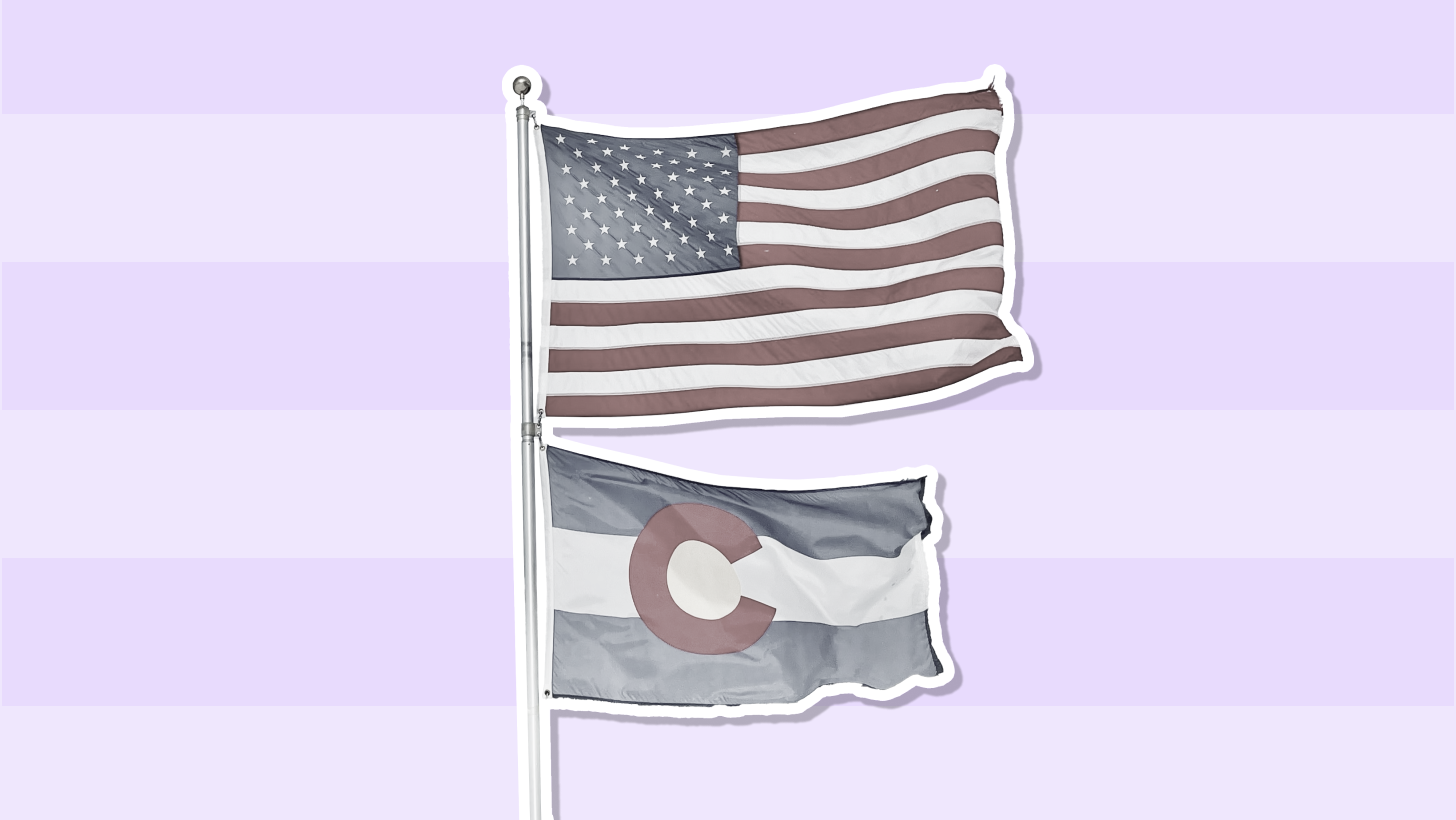
Image: Fr. Daniel Ciucci

It’s one thing to be acquainted with American symbols, but it’s another to learn—years later—the unexpected, hidden stories behind them! Did you know that California’s subspecies of grizzly bear (yes, the one on the flag) has been extinct for over a hundred years ? Or that Texas’s state dish was allegedly invented by prisoners? Maybe you know some of the facts listed here—but we’re sure you don’t know them all!

1
California’s state animal is extinct

Image: Levi Meir Clancy

The California grizzly bear adorns the state flag, but you won’t find one in the wild anymore. Once abundant throughout the region, this was a subspecies of Grizzly also known as "California golden bear."

By the 1920s, this majestic animal had disappeared from the wild, but it has remained a powerful symbol of the state, featured on the flag since the Bear Flag Republic’s short-lived attempt to break from Mexico in 1846.

2
The American flag was (probably) designed by a teenager

Image: Sharefaith

In 1958, around the time Alaska and Hawaii were being added to the Union, an Ohio high schooler named Robert Heft stitched a 50-star flag for a class project . His teacher gave it a B–, scoffing that the brand-new design "lacked imagination."

However, not long after, Heft’s design was selected from thousands of submissions sent to President Eisenhower to determine the official flag. That teacher later changed the grade to an A.

3
Texas’s state dish may have been invented by prisoners

Image: Zak Chapman

Chili con carne is the Lone Star State’s official dish. While its exact origins are uncertain, some say that Texan prisoners in the 1800s were the minds who concocted the dish. According to this version, the stew—made with beans, thin strips of beef, and chili peppers—was the local equivalent of bread and water: a kind of Texan gruel .

4
Alabama's state nut was once a life-saver

Image: Antoni Shkraba

Pecans aren’t just Alabama’s official nut—they’re also symbols of resilience from the Depression era. When cotton crops failed in the 1930s, families turned to harvesting pecans to survive. The nuts became a form of currency , traded for goods, and even used to make mortgage payments. Today, Alabama produces over 30 million pounds annually.

5
The Star-Spangled Banner was once a drinking song

Image: JosephHershMedia

You may know that America’s anthem has a boozy British past. The melody originated as "To Anacreon in Heaven," a raucous 18th-century tavern tune sung by a London gentlemen’s club. A relative of Francis Scott Key noticed that his poem fit perfectly with the melody—and thus, the anthem as we know it was born.

6
The Great Seal almost had a turkey

Image: Roman Manshin

Can you imagine if the Great Seal of the United States featured not a mighty eagle, but a turkey? It was none other than Benjamin Franklin who proposed the turkey as America’s symbol, calling it " a bird of courage ."

Instead, he dismissed the bald eagle as "a lazy scavenger." Congress ultimately overruled him, but Franklin did have a point: turkeys are known to be fiercely protective.

7
The flag’s colors weren’t meant to mean anything—at first

Image: Jon Tyson

Red, white, and blue may seem deeply symbolic today, but in 1775, the Continental Navy chose them simply to match the British flag’s palette. A rebellious decision, if you think about it. The "valor, purity, justice" meanings were tacked on later by poets and politicians.

8
Is South Carolina’s flag really what it seems?

Image: Jaden Dessureault

South Carolina’s flag features a blue background with a palmetto tree and what appears to be a crescent moon. But there are stories that sustain that the silver symbol isn’t a moon at all —it’s a gorget, the curved neck armor worn by 18th-century soldiers. Historians have searched for records to back this theory, but no nods to gorgets have officially been found.

9
Colorado’s flag was once a confusing disaster

Image: Olga Kovalski

When Colorado unveiled its bold "C" design in 1911, it forgot one crucial detail: specifying which shade of blue to use for the background. For 26 chaotic years, flags fluttered in everything from pale sky blue to deep navy—until officials finally standardized the hue in 1937.

10
One of Illinois’ state symbols was chosen by… kids

Image: Peter Schad

Illinois’ state snack was chosen by the most powerful lobbyists of all: children. When a group of fourth graders learned their state produced a large portion of America’s popcorn , they launched a 2003 campaign so persuasive that lawmakers had no choice but to make it official.
History History 5 min read

Do you know what SoHo, NoLIta, and TriBeCa actually mean? Find out now!

Image: Florian Wehde

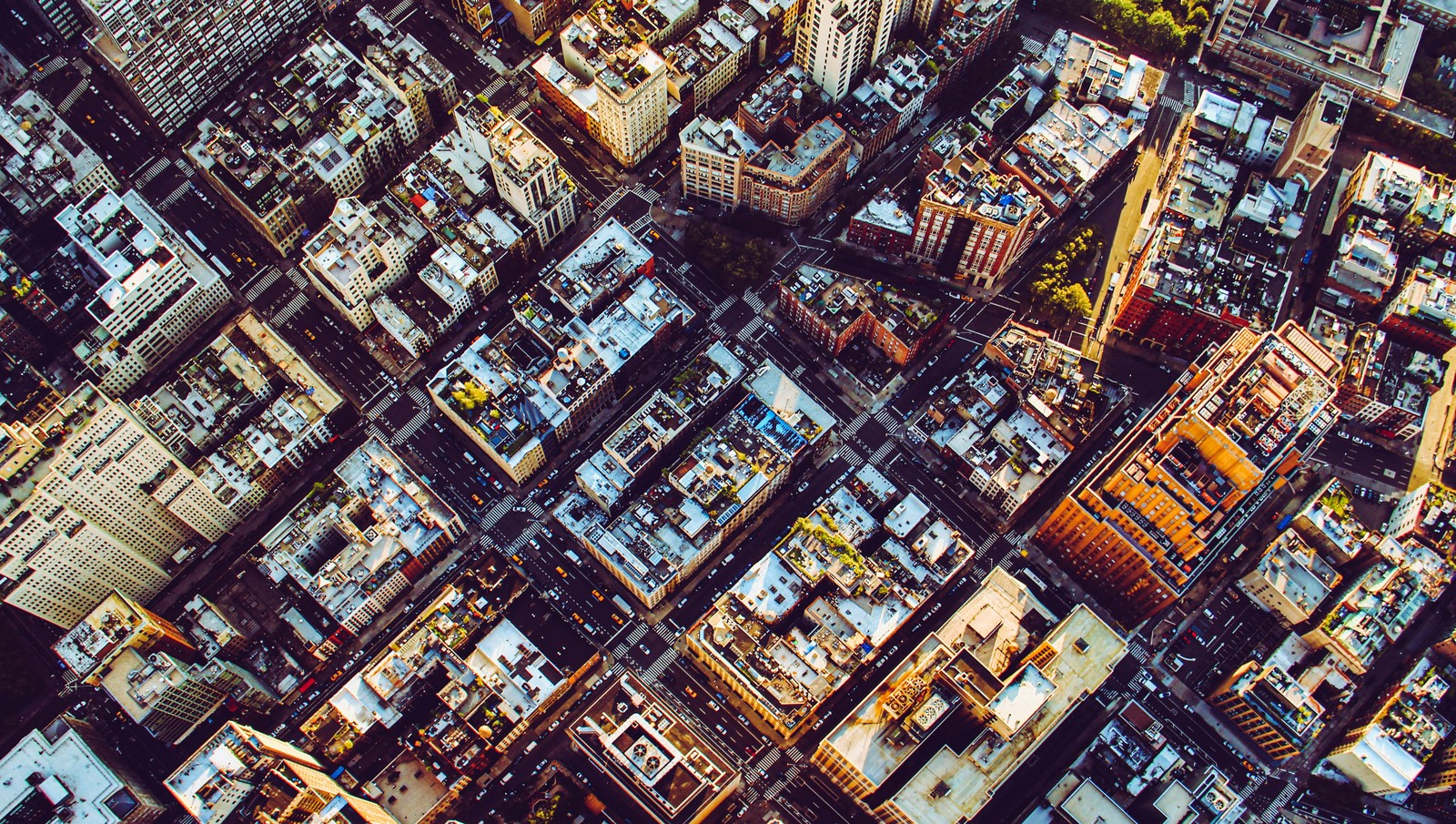
For a small island just 13 miles long, the Big Apple holds centuries of history in its neighborhood names. Some were borrowed from Dutch or British settlers, others from police officers, urban planners, or real estate promoters, and a few were coined by architects armed with a map and imagination. Each name tells a story of how the city grew, block by block. Here’s a lively stroll through 12 of Manhattan’s most famous neighborhoods and the stories of how their names first came to life.

1
Hell’s Kitchen

Image: Michael Matloka

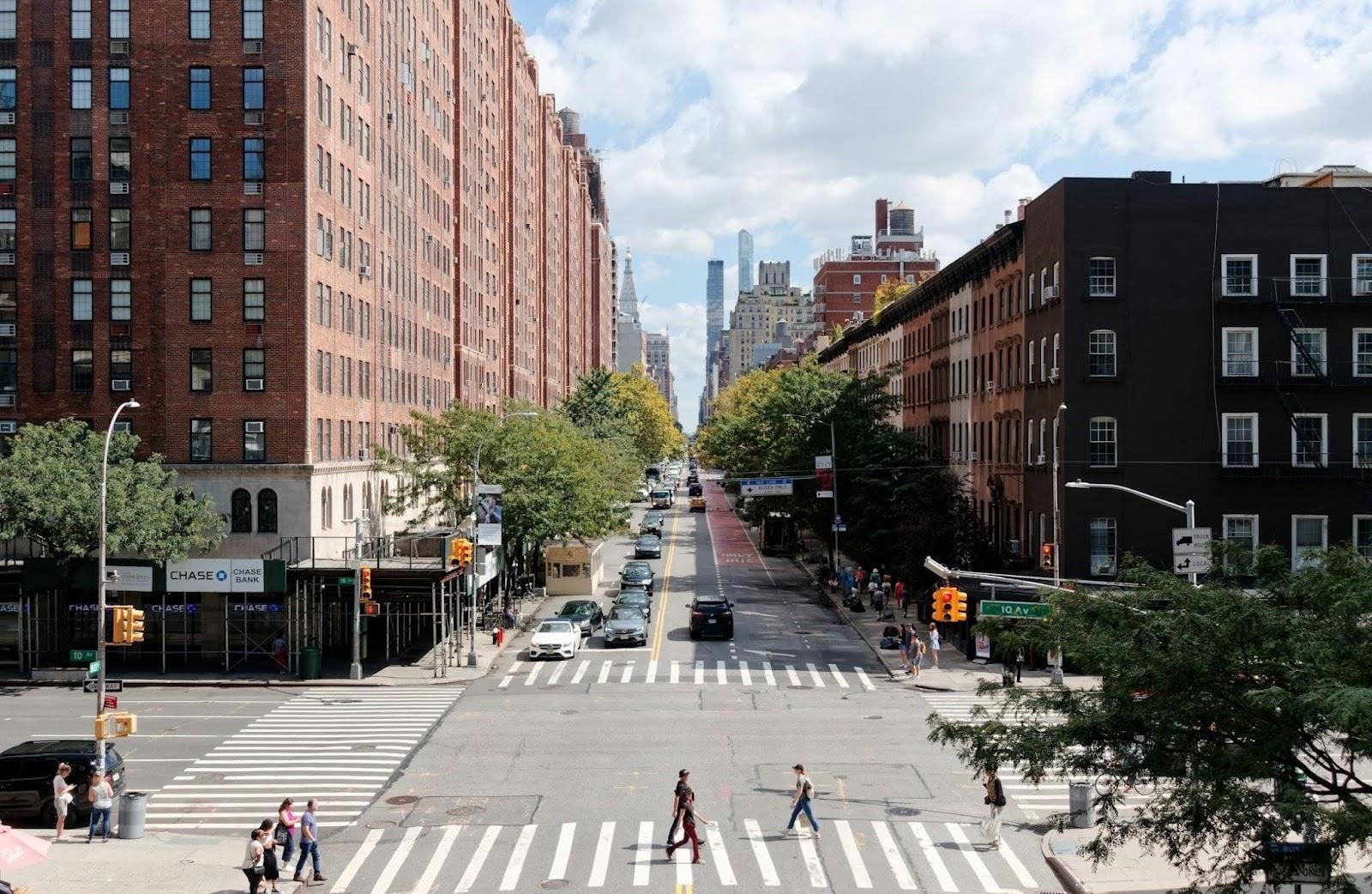
What’s in a name? In this case, fire, grit, and a wink of humor. Legend has it that during a riot, a young police officer muttered, "This place is hell itself," only for his older partner to quip, "Hell’s a mild climate—this is hell’s kitchen." The pun was too good to forget, and the nickname stuck. Years later, developers tried a new label—"Clinton"—hoping it would sound more welcoming on real estate brochures. But New Yorkers can be a bit stubborn, and locals chose to keep the old name. After all, only "Hell’s Kitchen" could do justice to a neighborhood with that much flavor, grit, and, well, heat.

2
Harlem

Image: Phil Evenden

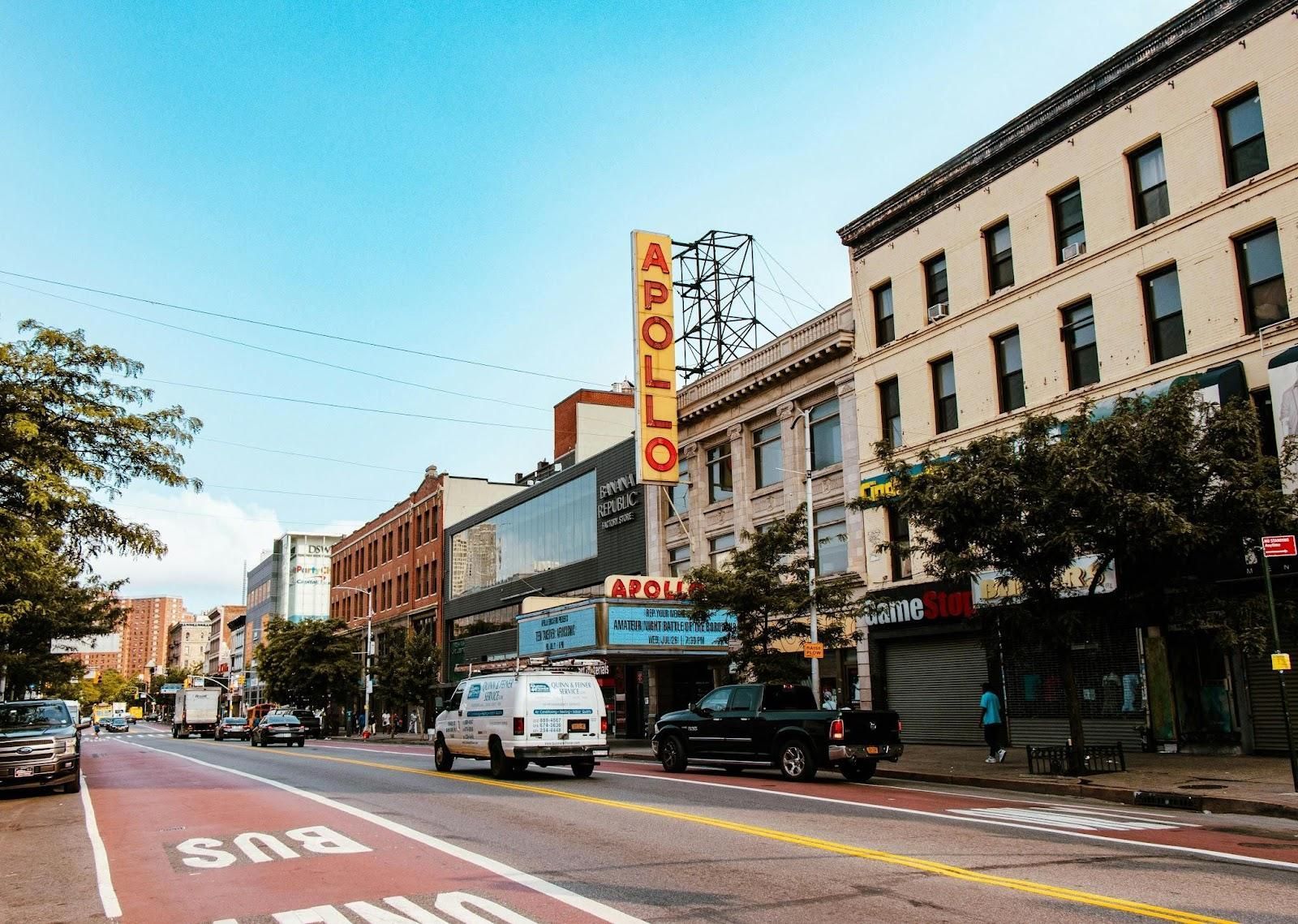
Back in the 1600s, when northern Manhattan was little more than farmland, Dutch settlers, homesick for their town across the sea, named the area Nieuw Haarlem after Haarlem in the Netherlands. Time smoothed away the "Nieuw," but the name remained. Centuries later, Harlem became something entirely of its own: a world capital of music, art, and pride. The rhythms may have changed from Dutch hymns to jazz and soul, but the name still carries the same echo of nostalgia and creativity.

3
Greenwich Village

Image: Budgeron Bach

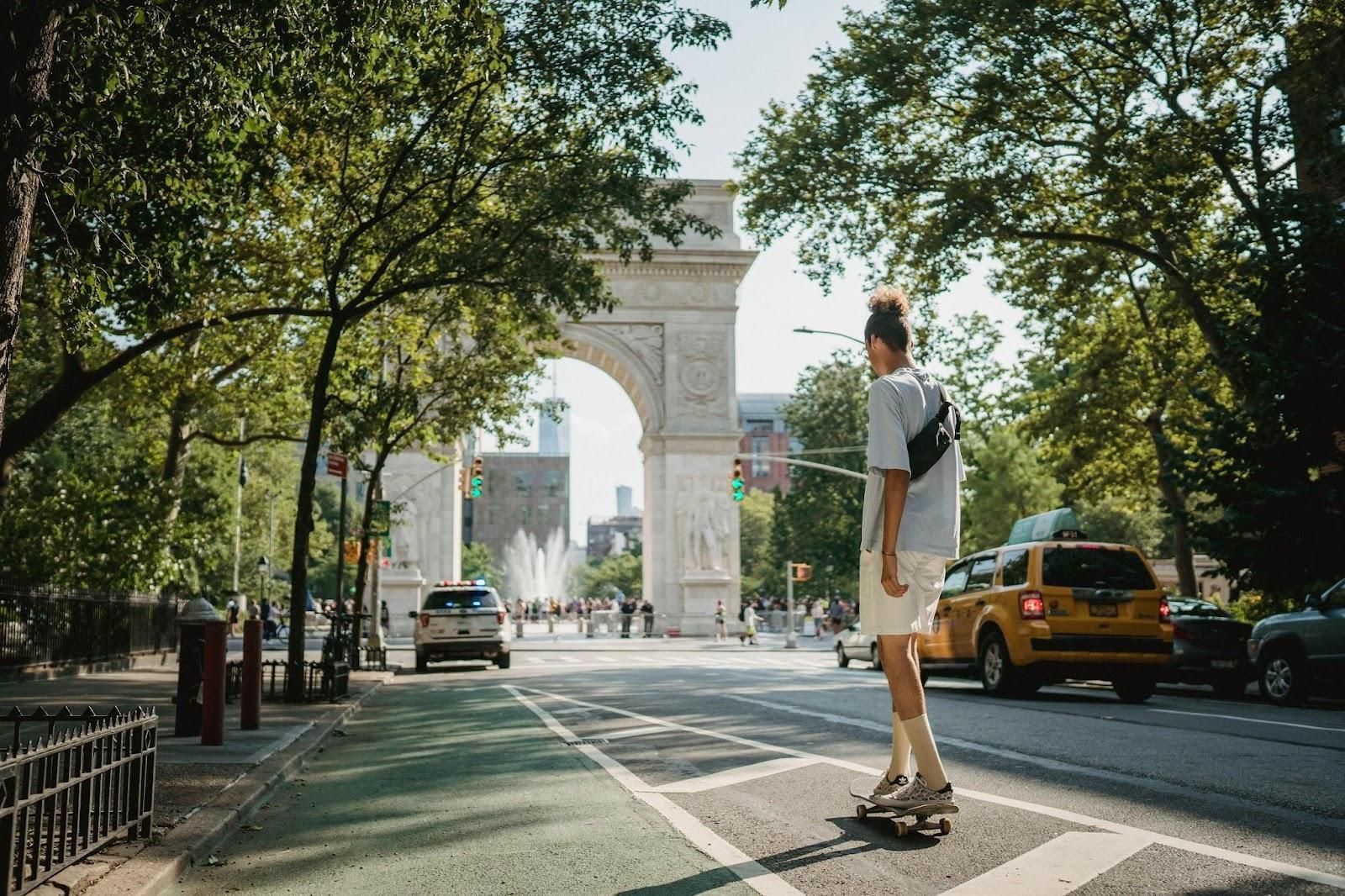
Long before jazz bars and coffeehouses filled the air with chatter, this corner of Manhattan was a quiet patch of countryside known as Groenwijck—Dutch for "pine district." The British, with their habit for renaming, turned it into Greenwich, and generations of locals affectionately shortened it to "the Village." Its winding lanes still ignore the city’s rigid grid, twisting and bending like memories of the farmland that came before. Even today, as musicians play on stoops and artists linger in cafés, the Village keeps that timeless feeling.

4
Chelsea

Image: Elric Pxl

Here’s a name steeped in nostalgia and old-world charm. In the mid-1700s, retired British Major Thomas Clarke bought a large plot of land overlooking the Hudson River and built his dream home, naming it "Chelsea" after the genteel London district he once knew. The estate is long gone, swallowed by the city’s constant growth, but its name never left the map. Over the centuries, the neighborhood evolved with a flair worthy of its heritage. First a quiet residential area, then a bustling creative hub filled with galleries, theaters, and fashion studios. Much like its London namesake, New York’s Chelsea has always worn its artistic spirit proudly, with just the right touch of elegance.

5
The Meatpacking District

Image: TanjaSchwarz

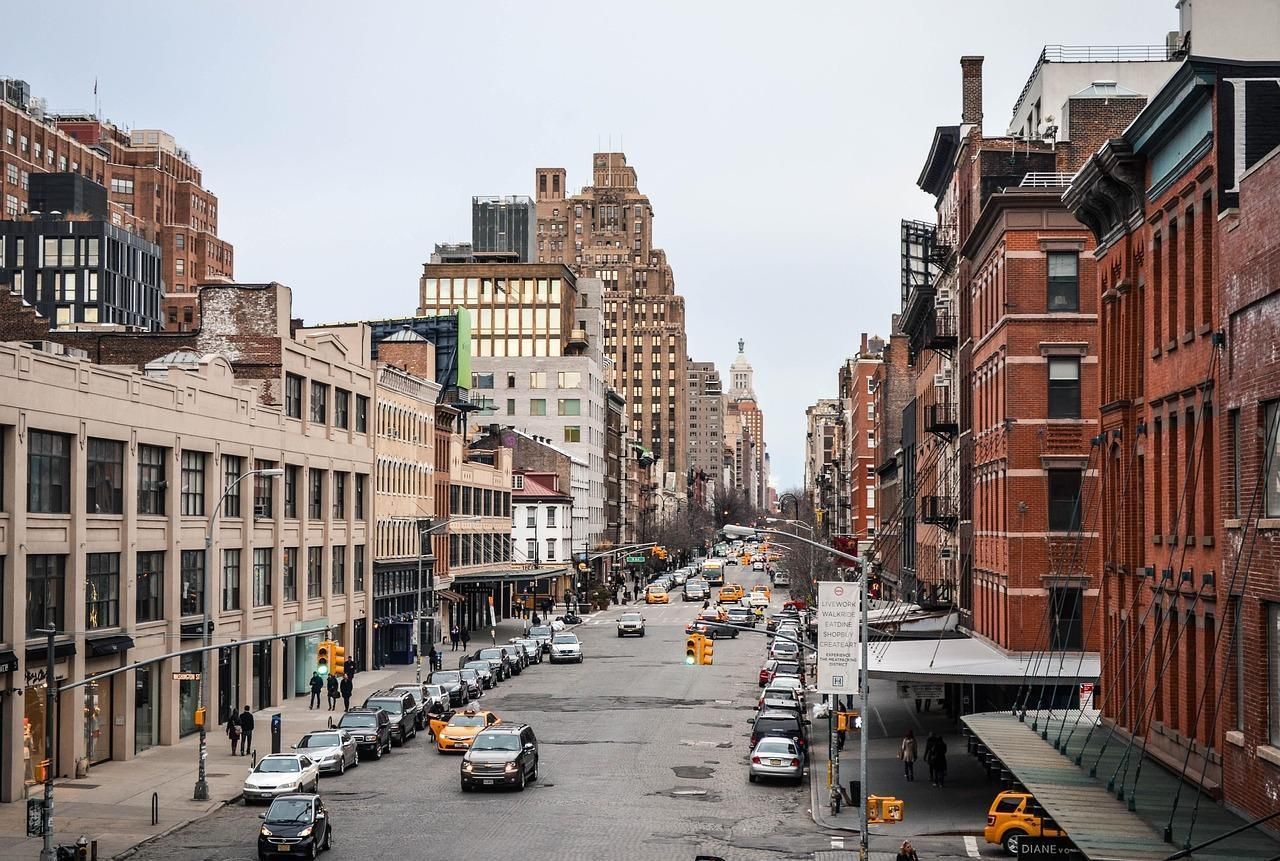
It sounds tough because it was. In the early 1900s, this corner of Manhattan had more than 250 meatpacking plants and slaughterhouses filling the air with noise—and, yes, a certain aroma that no candle could ever mask. Workers hauled sides of beef down cobblestone streets dusted with ice and sawdust, a daily ballet of grit and muscle. Today, the scent of raw steak has been replaced by perfume and espresso, and the warehouses now house boutiques and rooftop bars. Still, the name "Meatpacking District" hangs on proudly, a reminder that even glamour was built on hard work and heavy lifting.

6
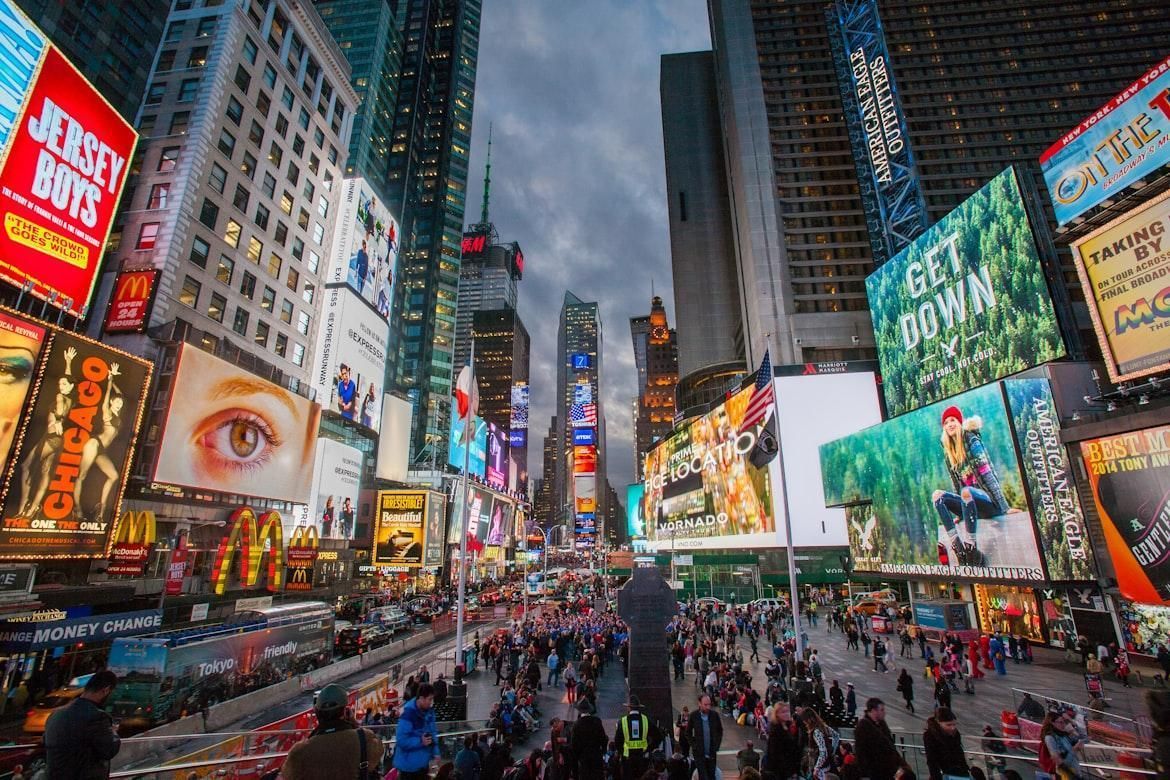
Times Square

Image: James Ting

Believe it or not, the origin of this glowing crossroads has more to do with ink and paper than neon lights. In 1904, when The New York Times moved its headquarters to what was then called Longacre Square, the city decided to rename the area in the paper’s honor. To mark the occasion, the Times threw a grand celebration complete with fireworks and electric lights. Decades later, the newspaper has long since moved out, but the glow never dimmed. What began as a nod to journalism became the city’s biggest stage, where the lights still flash like headlines that never stop breaking.

7
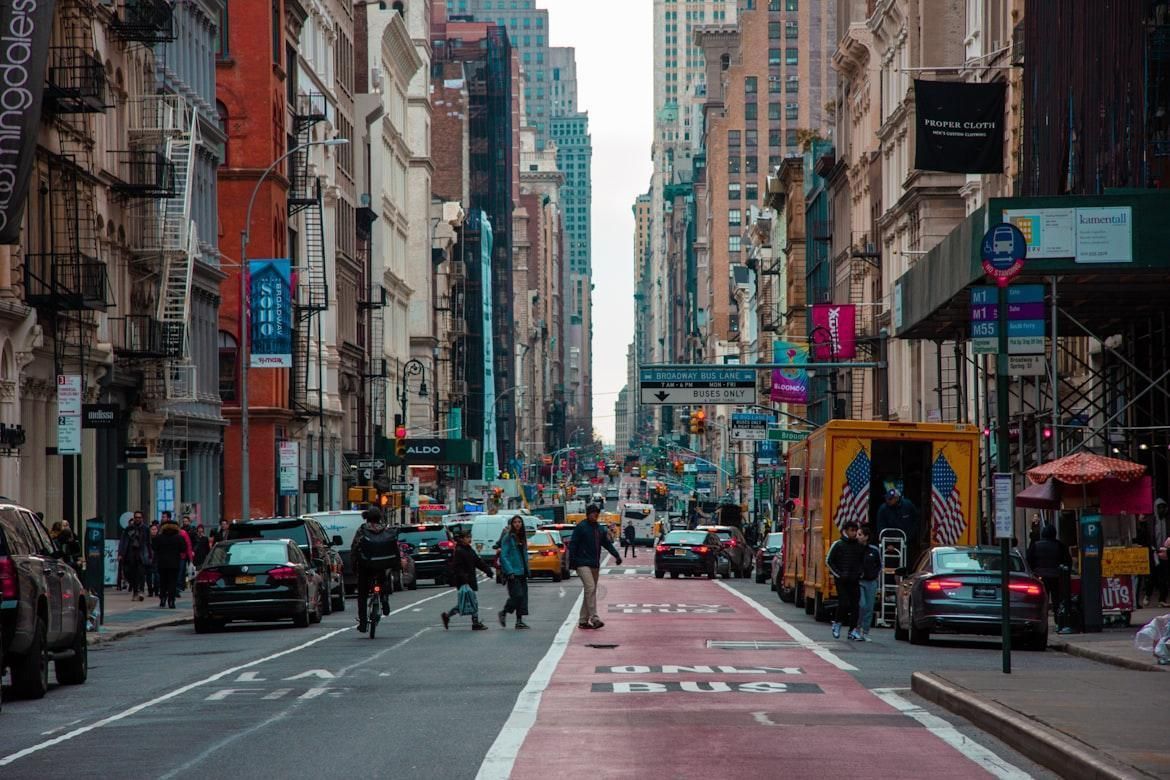
SoHo

Image: Zeke Goodyear

It may sound like a borrowed bit of London, but this SoHo is a New York creation. Back in the 1960s, urban planner Chester Rapkin was writing a report about a fading industrial zone just SOuth of HOuston Street, and casually shortened that phrase into "SoHo." He couldn’t have known he was naming one of the city’s trendiest neighborhoods. As artists began filling the old cast-iron factories with studios and galleries, the nickname spread faster than wet paint. Soon, SoHo meant loft living, street art, and downtown cool. And here’s a fun fact for visitors: in Manhattan, Houston is pronounced HOW -ston, not like the Texas city. Mispronounce it, and you’ll hear all about it before you hit the next crosswalk!

8
NoHo

Image: Dylan Dehnert

By now, you probably know the drill. After the renaming of SoHo proved such a success, the north couldn’t be left behind. When the area NOrth of HOuston Street, another cluster of lofts and studios began to bloom, it soon earned the mirrored name "NoHo." Smaller and quieter, it kept its creative streak without the chaos. Cast-iron buildings, cobbled streets, and a calm charm that feels like SoHo’s thoughtful twin, equally artistic but happy to hum instead of shout.

9
TriBeCa

Image: Essow K

What if geometry had a ZIP code? That’s pretty much how TRIangle BElow CAnal Street —better known as TriBeCa—came to be. The name began as a bit of city-planning jargon for a small, oddly shaped area, but once The New York Times printed it, the label spread faster than a rumor on the subway. Before long, the whole neighborhood embraced its new identity. Today, those wide streets and grand old warehouses host film festivals, art galleries, and lofts so sleek they make geometry look downright glamorous.

10
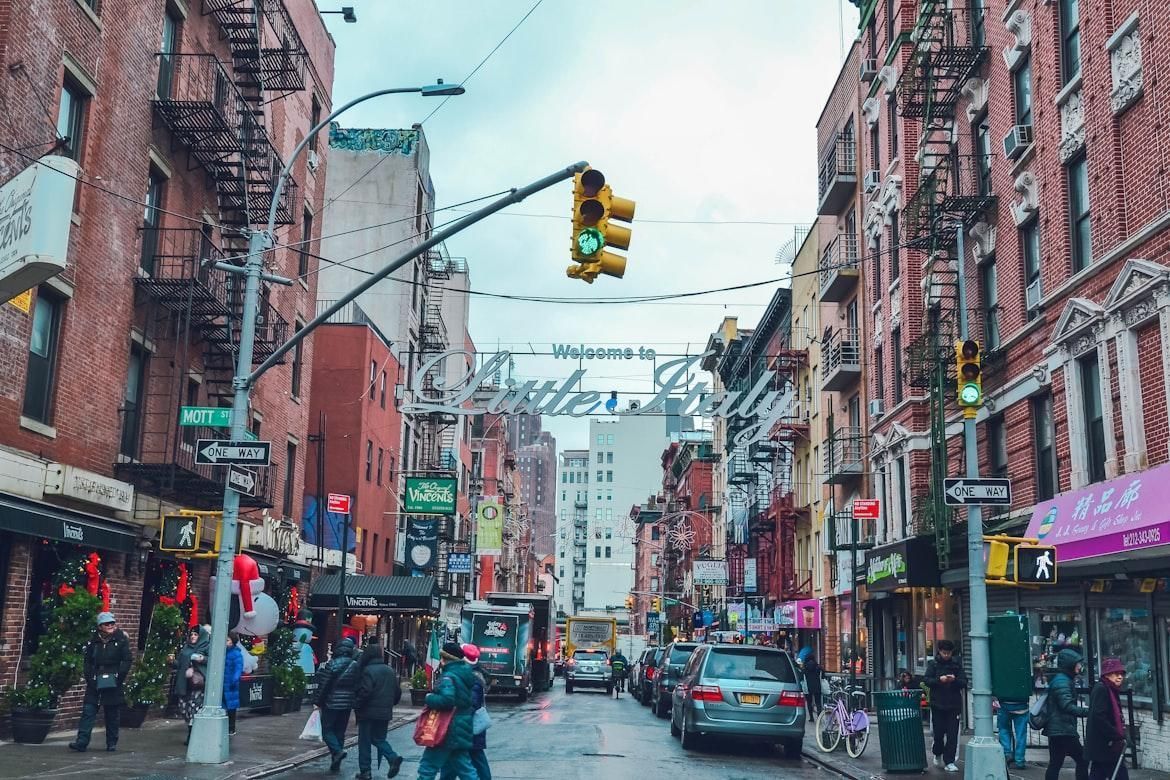
NoLIta

Image: Alex Haney

Tucked just NOrth of LITtle ITAly, this petite pocket of Manhattan once blended seamlessly with its pasta-and-pastry-filled neighbor. Then came the wave of stylish boutiques, corner cafés, and street-front charm that begged for its own identity. The solution? NoLIta, a name so snappy it sounds like it’s been around forever. Sleek, sunny, and effortlessly cool, it’s proof that in New York, a clever name can turn a few city blocks into a full-blown destination.

11
Turtle Bay

Image: Masahiro Naruse

At first glance, the name sounds cute enough for a storybook, and in a way, it is. Back in the 1600s, Dutch settlers named a small farm near a creek that flowed into the East River. Some say it referred to the turtles that lived there; others claim it came from the Dutch word deutal , "bent blade," describing the curve of the bay. Either way, it’s one of Manhattan’s softest names, a calm corner in the city that never sleeps.

12
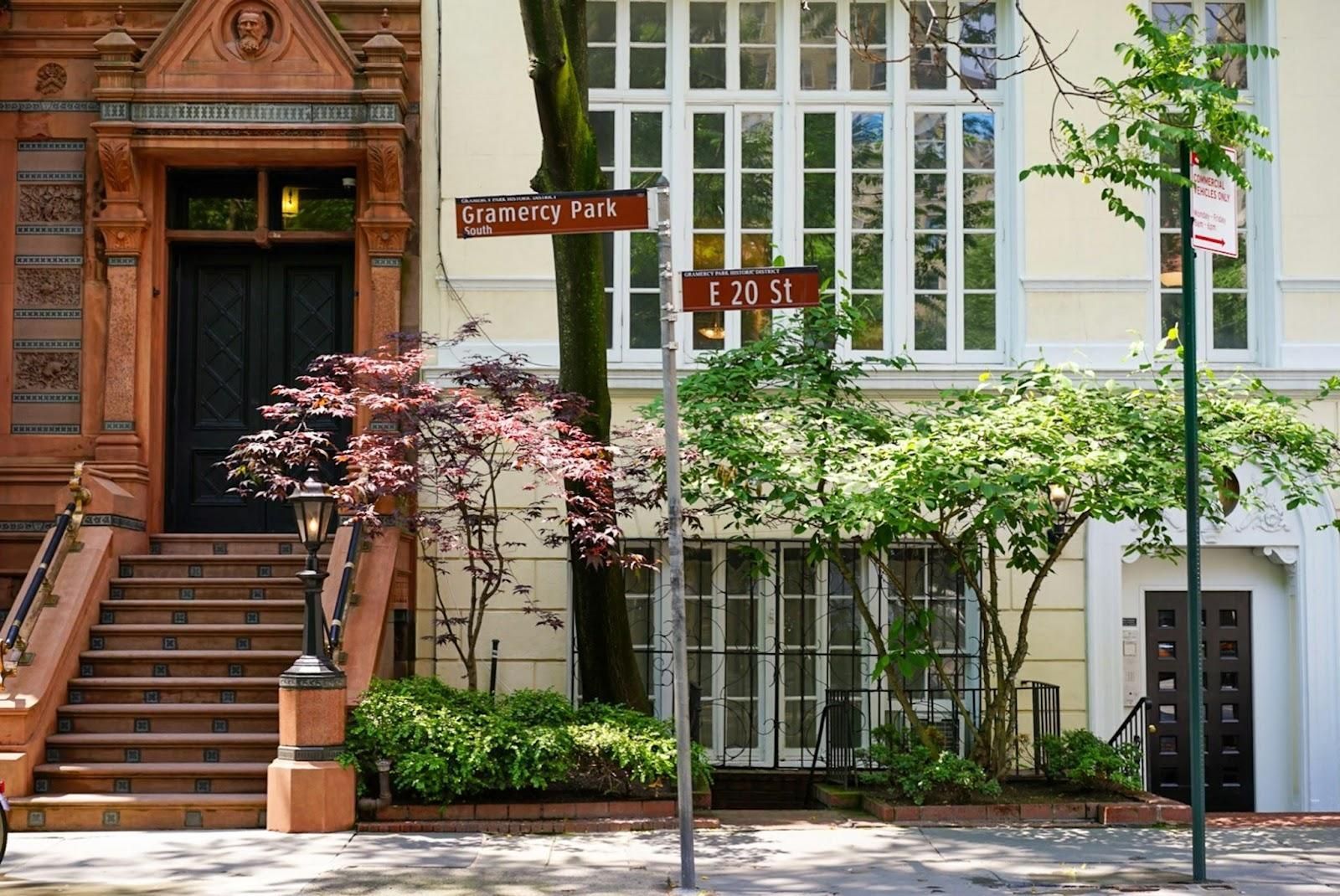
Gramercy

Image: Megan Bucknall

Long ago, this Manhattan neighborhood was a swampy patch of land the Dutch called Krom Moerasje , meaning "little crooked marsh," hardly the kind of description you’d want on a real estate brochure. In the early 19th century, developer Samuel B. Ruggles acquired the land and renamed it Gramercy , adapting an archaic expression derived from the French grand merci , meaning "many thanks." Suddenly, it sounded far more elegant. The neighborhood grew around its most famous feature: Gramercy Park, a private, gated square that remains key-only to this day. In New York, that’s about as close as it gets to a secret garden.

General General 4 min read

Coke or Pepsi?

America loves soda: 10 classic soft drinks worth trying

Image: DS Stories

Taste is a subjective thing. Some people love beverages that others wouldn’t dare to drink, and that’s perfectly fine—everyone is entitled to their opinion. However, even subjective preferences can come with recommendations. You won’t find Coca-Cola, Dr Pepper, or Pepsi on this list. Instead, the following 10 entries highlight big regional names and unique local flavors. Have you tried any of them?

1
Jones Cream Soda

Image: Kevin Butz

Cream soda is a sweet soft drink, typically flavored with vanilla and inspired by the taste of an ice cream float . Many brands and variations can be found across America, and its roots can be traced to at least 150 years ago. Interestingly, Jones Cream Soda, which started in 1886, is not even the oldest one around.

This drink is available in both regular and diet options, and it's also one of the most popular mixers for alcoholic beverages. Cream soda is one of those drinks people associate with their childhood, and it's the perfect perfect pairing for ice cream.

2
Dr. Brown’s Root Beer

Image: David Trinks

Root beer is a sweet and classic American soft drink traditionally made using the root bark of the sassafras tree as the primary flavor . Root beer is usually alcohol and caffeine-free, sweet, and carbonated, with a thick, foamy head.

Dr. Brown's version of this classic soda is unbeatable, offering a harmonious blend of sugar and spice. It’s not just sweet—it boasts a distinct celery seed earthiness that keeps every sip interesting.

3
Olipop Lemon Lime

Image: Mariah Hewines

Lemon lime drinks have been around for a long time now (just ask Sprite or 7-Up), but Olipop manages to add a new twist to this old classic. This fizzy tonic boasts prebiotics, plant fiber, and botanicals, which not only taste great but also help your digestive health.

Olipop is also low in sugar, but that doesn’t mean it’s lacking in sweetness. It uses cassava root and other alternative sweeteners to maintain its delicious flavor.

4
Fever-Tree Mediterranean Tonic Water

Image: Nick Fewings

Tonic water is often considered a soda for adults due to its bitter taste. However, the brave ones who love this delicious beverage will find Fever-Tree’s Mediterranean Tonic Water has the perfect mix of bitterness for tonic water fans, but a balanced flavor that makes it appropriate for people who are just dipping their toe into the tonic water.

In addition to that traditional quinine flavor, this tonic is infused with rosemary and lemon thyme , adding a layer of complexity to its taste.

5
Cheerwine

Image: sq lim

Named for its color and taste, Cheerwine is a cherry-flavored soft drink with a mildly sweet flavor with strong cherry notes, most notably black cherry . It is burgundy-colored and has an unusually high degree of carbonation compared to other soft drinks.

Cheerwine is widely available throughout the southeastern United States, from Maryland to Florida, but it is best known and beloved in the Carolinas.

6
Sangrita Blast Mountain Dew

Image: Ashley Kirk

As the "Limited Edition" tag implies, this product was only available for a limited time, but it was enough to leave a lasting impression. Sangrita Blast, a Citrus Punch-flavored Mountain Dew with a maroon hue, was available at Taco Bell restaurants from 2013 to 2017. It was also released in cans and bottles in 2015 for a short period.

7
Cactus Cooler

Image: Thomas Verbruggen

Cactus Cooler is an orange-pineapple-flavored soft drink sold primarily in Southern California and the surrounding Southwestern region. The orange flavor is very present, with the pineapple appearing a bit behind but adding a layer of complexity to the overall flavor.

This soda has no caffeine, making it a safe product for anyone who gets the jitters from caffeine-infused beverages.

8
United Sodas Toasted Coconut

Image: Jonas Dücker

The words "healthy" and "soda" are not usually heard together but this is one of those occasions. United Sodas is a healthy soda brand that offers products with a lightly carbonated fizz and low sugar content.

Their Toasted Coconut flavor stands out with its distinctive coconut taste. Each can contains fewer than 30 calories, has no artificial ingredients, and is organically sweetened —making it the perfect alternative for health-conscious soda lovers.

9
Boylan Creme Soda

Image: Gourmet Lenz

Even if we started this list with a cream soda, we couldn’t leave out Boylan’s version. This glass-bottled beverage has a rich vanilla flavor and a robust amount of carbonation that make it very easy to drink.

While many cream sodas can be overly sweet, Boylan’s is refreshing, complex, and downright delicious. The use of cane sugar gives it a crisp, clean flavor all the way to the last drop.

10
Moxie

Image: Tom Paolini

The last entry on our list is a bitter and herbal soda named Moxie. It originated in Maine in the late 1800s as a patent medicine called "Moxie Nerve Food." It is flavored with gentian root, sassafras, wintergreen, and other herbs.

Though still somewhat unique to the Northeast, Moxie has become more widely available in specialty and larger grocery stores since Coca-Cola acquired the brand in 2018. Have you ever seen it?

Explore more American facts

Choose your favorite category!

General
General

As American as apple pie—the very best America has to offer!

Culture
Culture

Delve into the astounding richness of American lore.

Geography
Geography

Hop in and explore vast and diverse American landscapes.

History
History

Discover the key moments that shaped the United States.