General General 4 min read

PROTEST SONGS CAN BE CATCHY TOO

Born In The USA: 10 Political Songs And Their Meanings

Image: Jseph Chan

Every song expresses an opinion, and a great number of artists have used the tools of their trade to communicate their political ideas since the dawn of mankind. Popular music, with all of its sub-genres, is a particularly powerful instrument for expressing political opinions. From Nina Simone to Rage Against the Machine , we have selected ten examples of how a song can carry a strong message and add a beat to make it more palatable for the masses.

1
Mississippi Goddam, Nina Simone

Image: Alano Oliveira

Nina Simone was an outspoken soul, and her 1963 song, "Mississippi Goddam," is considered by many to be her first song about civil rights. The tune was written as a response to the murder of civil rights activist Medgar Evers , as well as other tragedies that involved the movement during the volatile and ever-changing social dynamics of the decade.

As time went on, Nina Simone continued to send a message through her music, specifically regarding activism and social injustice issues.

2
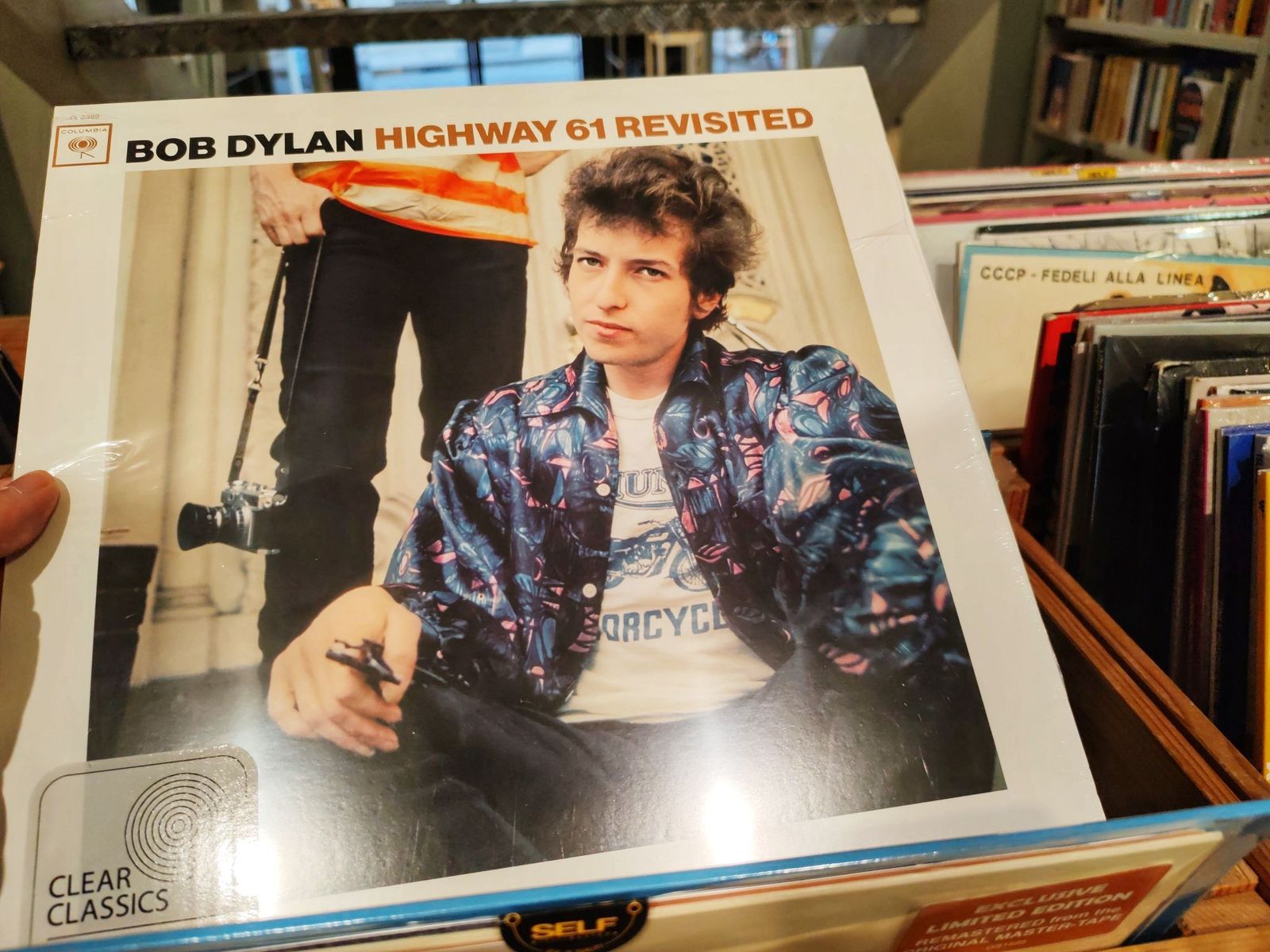
The Times They Are a-Changin', Bob Dylan

Image: Chris Boland

Never one to keep his mouth shut when it came to topics that he found worth communicating, Bob Dylan wrote this song about the changing tide in America , where young people were voicing their displeasure on issues such as war and racism.

The song is considered one of the greatest of all time. It's also one of the most covered—thanks to the likes of Bruce Springsteen, Joan Baez, and Tracy Chapman.

3
Fortunate Son, Creedence Clearwater Revival

Image: Austin Prock

Anti-Vietnam songs were a staple of 1960s and '70s culture. However, this Creedence Clearwater Revival hit stands out as one of the more mainstream songs that continues to be heard today.

The tune enjoyed prominence in movies like Forrest Gump and has been covered countless times by such bands as Dropkick Murphys.

4
Give Peace a Chance, Plastic Ono Band

Image: Erin Song

One of the most popular anti-war songs of all time, which always makes an appearance in the event of conflict, is "Give Peace A Chance."

While this timeless classic was recorded by the Plastic Ono Band, the writing credit is actually shared between John Lennon and Paul McCartney, marking the beginning of a post-Beatles world.

5
Get Up, Stand Up, The Wailers

Image: Bill Fairs

Bob Marley wrote this classic track in collaboration with his bandmate Peter Tosh. The song was reportedly inspired by Marley’s tour in Haiti . He was taken aback by the country's high level of poverty, as well as the class system.

It has since become a long-time favorite of the band and a staple of Marley's live shows during his lifetime.

6
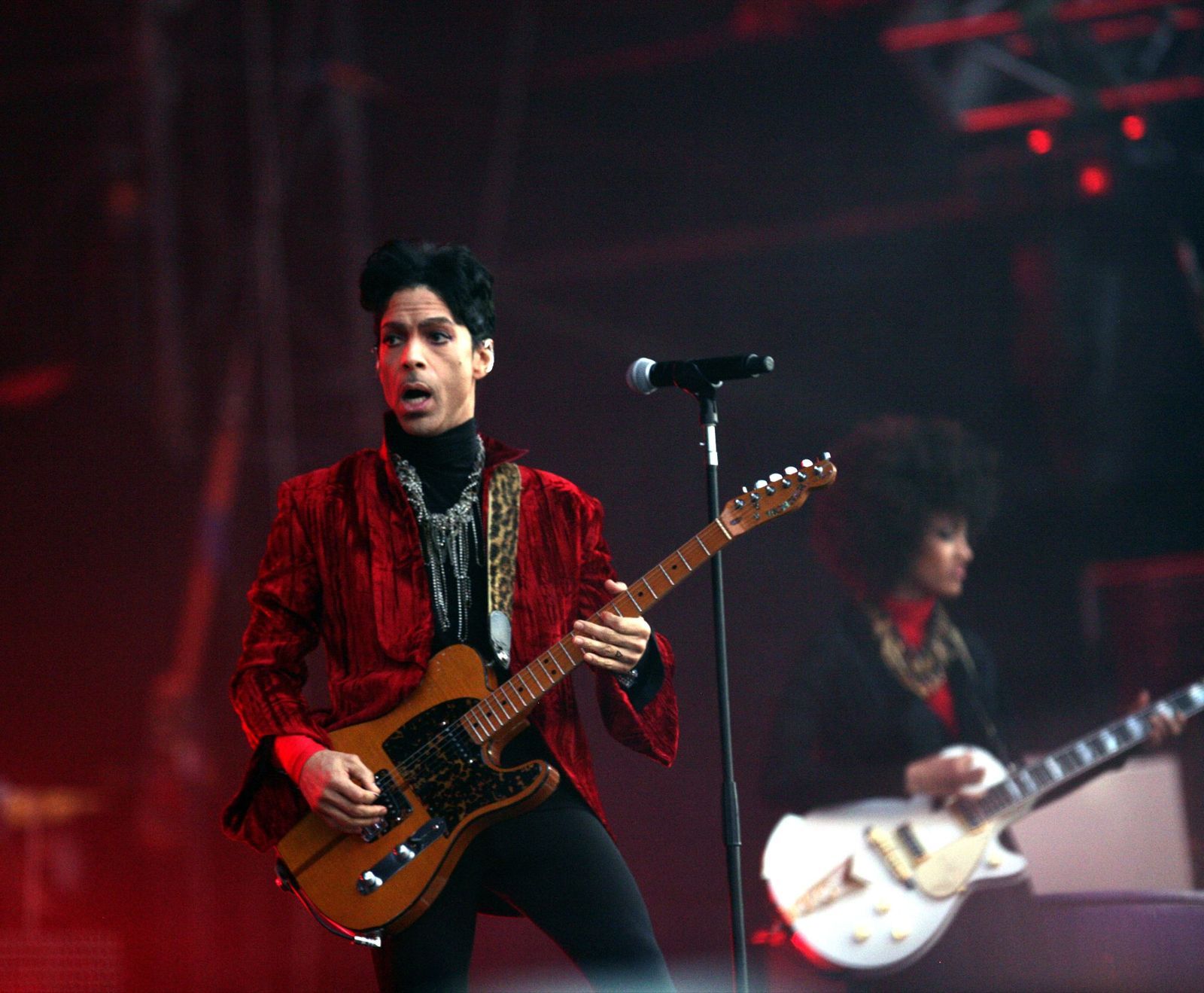
Ronnie, Talk To Russia, Prince

Image: DJ Johnson

Prince had many hits but this one was not among them. In fact, we can safely assume that The Purple One wrote this song for the express purpose of communicating his political feelings in the most direct possible way. And, being Prince, that had to be done through a song.

"Ronnie, Talk To Russia" is, as the name implies quite obviously**, a straight shout-out to former president Ronald Reagan**. It addresses America's relationship with Russia and the heightened tensions of the time due to the nuclear threat.

7
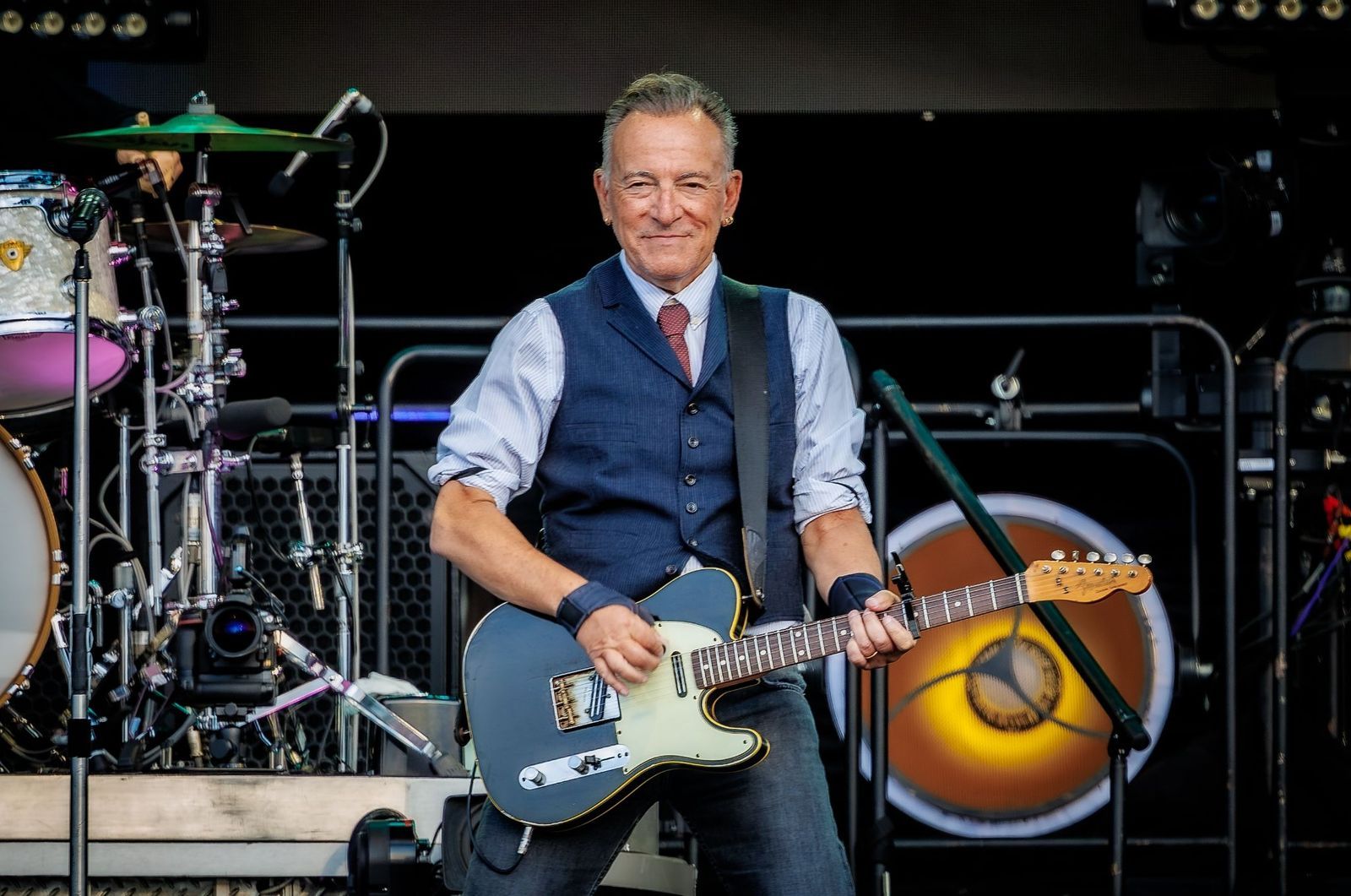
Born in the U.S.A., Bruce Springsteen

Image: Jose Antonio Gallego Vázquez

Having just mentioned the case of an artist who used music to speak to Ronald Reagan, we now turn to one who was very upset when Reagan spoke about him. The reason for this conflict originated from what may be the most misunderstood and seemingly patriotic song in music history.

"Born In The U.S.A." is a Bruce Springsteen classic that sounds very anthemic but is, in fact -yet another- anti-Vietnam tune.

8
Peace Sells, Megadeth

Image: Juan Di Nella

Megadeth’s frontman Dave Mustaine has never been one to shy away from political commentary, and this song is, perhaps, the most famous example. "Peace Sells… But Who’s Buying" packs his thoughts on government corruption, failing foreign policy, and more , with catchy riffs and an infectious bass line.

The song’s direct and provocative lyrics resonated with many listeners and became a defining anthem of the thrash metal genre.

9
Fight The Power, Public Enemy

Image: Nicholas Green

It is hard to think of a more straightforward political message in a song title than "Fight The Power" released as a single in 1989. Public Enemy was all about the message, and taking down the establishment, big government, and abuse of authority were usually central themes.

The song is one of the group's most famous and influential tracks, and gained additional prominence when it was featured in Spike Lee's film Do the Right Thing.

10
Killing in the Name, Rage Against the Machine

Image: Jordy

Another highly political band, Rage Against The Machine, created this song, which is fitting for the current political and social climate. Police brutality and systemic racism are at the forefront of the message , delivered with massive guitar hooks and aggressive vocals.

Most of RATM’s catalog delves into these kinds of themes with varying success but this song was a hit when it first came out and still remains a fan favorite.
Culture Culture 6 min read

Bad blood

Did you know these celebrities were declared rivals?

Image: Thea Hdc

Hollywood is not just about glitz and glamour. Sometimes, behind the cameras, famous stars clash in ways that are mysterious, amusing, or simply unforgettable. From bitter arguments on set to long-lasting rivalries, these legendary feuds tend to leave a mark on pop culture history. Here are 12 famous celebrity disputes fans can’t stop talking about.

1
Robert De Niro vs Mickey Rourke

Image: Vitruvian Badr

At first glance, it was the typical 1980s film set. But when Robert De Niro and Mickey Rourke worked together in Angel Heart , their differences in style weren’t just noticeable; they were combustible. De Niro, famous for disappearing into his roles with a strict Method approach, didn’t always mesh well with Rourke’s more unpredictable, improvisational take.

According to lore, all hell broke loose when Rourke decided to ignore De Niro’s suggestions for a scene. What was supposed to be a straightforward shoot turned into multiple takes, frustrating not just the two stars but the entire crew. The altercation quickly became Hollywood gossip, with insiders saying it was a classic case of two strong personalities refusing to give in.

2
David Letterman vs Jay Leno

Image: John-Mark Smith

Who deserved the late-night crown , Letterman or Leno? For years, Americans were unable to settle the debate. On screen, both comedians exchanged polite words and even jokes, but behind the curtain, the situation was a little more complicated.

Reporters loved to stir the pot, writing headline after headline about which funnyman truly deserved the throne. Viewers, meanwhile, treated it almost like a sporting match, tuning in to see who would come out on top. In truth, much of the "feud" was blown out of proportion, yet the friendly jabs and constant comparisons managed to keep audiences entertained.

3
Dean Martin vs Jerry Lewis

Image: anncapictures

On stage, there were only gags, music, and applause. But behind the scenes, Dean Martin and Jerry Lewis were falling apart. Martin often felt stuck playing the calm, serious foil while Lewis stole all the laughs with his wild, over-the-top routines.

Over time, that imbalance created real tension. After starring in 16 hit films together, the famous duo finally called it quits. Their split was so final that they didn’t exchange a word for two full decades. Fans were stunned when they eventually patched things up later in life, a reminder that even the biggest comedy legends aren’t immune to bruised egos and long silences.

4
Olivia de Havilland vs Joan Fontaine

Image: cottonbro studio

Few family feuds reached the heights of Olivia de Havilland and Joan Fontaine’s legendary rivalry. The sisters were competitive long before the bright lights of Hollywood, each vying for their mother’s attention. Once both became movie stars, the bad blood only grew stronger.

In 1942, the two actresses were even nominated for Academy Awards in the same category. Fontaine ended up winning and later claimed her older sister pulled her hair during the ceremony. That incident became one of Hollywood’s most talked-about snubs. Their quarrel stretched on for decades, marked by jealousy, pride, and the kind of family drama that the public can’t get enough of.

5
Elton John vs Madonna

Image: HubertPhotographer

It may sound like sensational news, but Elton John once declared Madonna’s Bond theme "the worst ever." From that point on, the two megastars exchanged sharp words through the press, with Elton poking fun at her performances and Madonna brushing off the criticism with icy charm.

Reporters loved every jab, turning their spat into tabloid gold. Though they occasionally patched things up, the rivalry lingered. Even music royalty can squabble just like the rest of us!

6
Marilyn Monroe vs Jayne Mansfield

Image: WikiImages

In the 1950s, Hollywood had room for only so many platinum blondes, and Marilyn Monroe was already the reigning queen. When Jayne Mansfield came to light with her hourglass figure and playful charm, the press quickly dubbed her "the next Monroe."

Marilyn, who guarded her image carefully, bristled at the idea of a copycat stealing her thunder. Meanwhile, Mansfield leaned into the comparisons, showing up at events in daring outfits and orchestrating photo ops that guaranteed headlines. The result was a highly public rivalry that fascinated fans, turning every red carpet into a showdown.

7
Johnny Carson vs Joan Rivers

Image: Debby Hudson

One phone call never answered, one friendship lost forever. Joan Rivers owed much of her early success to Johnny Carson, who gave her a career-changing boost as a regular guest on The Tonight Show . For years, she was seen as his comic protégé, someone he personally championed. But when Rivers accepted an offer to host her own late-night program, Carson viewed it as a betrayal.

He cut off contact immediately, refusing to take her calls, and the friendship that once seemed unbreakable collapsed overnight. Fans were stunned to see the bitter end of what had appeared to be a classic mentor-and-student bond. The silence lasted all their lives.

8
Debbie Reynolds vs Gene Kelly

Image: Kazuo ota

When Debbie Reynolds starred in Singin’ in the Rain , she was a 19-year-old performer stepping into a major role for the first time. Gene Kelly, already an established star, demanded flawless performances and wasn’t known for his patience. Reynolds later recalled long hours of grueling rehearsals, where Kelly frequently criticized her every move, reducing her to tears.

Though their discord was rooted more in his high standards than personal dislike, the experience marked a harsh introduction to Hollywood for the young actress. Today, their behind-the-scenes tension is remembered as both a glimpse into Kelly’s tough reputation and a reminder of the enormous pressures that came with working alongside legends.

9
Orson Welles vs William Randolph Hearst

Image: William Warby

When Citizen Kane hit the screens, it wasn’t just a film debut; it was the spark of one of Hollywood’s fiercest battles. William Randolph Hearst, the media tycoon who saw too much of himself in the story, launched an all-out war against Orson Welles.

He tried to bury the film before it could reach audiences, banning ads in his papers and fueling smear campaigns. What began as a clash of egos grew into a cultural showdown, forever linking their names to both scandal and cinematic history.

10
Frank Sinatra vs Marlon Brando

Image: Brett Sayles

If you watch Guys and Dolls today, all you’ll see is glamour. In reality, the shooting was pretty stressful: Sinatra craved efficiency, Brando thrived on slow-burning performance. Brando’s Method acting tested Sinatra’s patience, as Ol’ Blue Eyes favored efficiency and clean, polished takes.

Rumors of heated exchanges and icy silences hit the media, and by the final days of filming, the pair were barely speaking. What should have been a classy production became notorious for its behind-the-scenes tension, adding an extra layer of drama to the musical classic.

11
Bette Davis vs Joan Crawford

Image: Nathan DeFiesta

So iconic was their hatred that it later inspired documentaries and TV series. Davis and Crawford didn’t just feud; they redefined what a Hollywood rivalry is. For decades, the two icons sparred over leading roles, critical acclaim, and public adoration.

Gossip included backhanded insults, stolen lovers, and outright sabotage during productions. When they finally shared the screen in 1962’s What Ever Happened to Baby Jane? , the film’s unsettling tension was magnified by their very real animosity.

12
Chevy Chase vs Bill Murray

Image: Aleks Dorohovich

In the early days of Saturday Night Live , Chevy Chase and Bill Murray were usually at each other’s throats. Chase’s sharp, polished delivery often clashed with Murray’s more offbeat, improvisational style, and the tension spilled offstage.

Reports of heated arguments (and even a near brawl backstage) turned their working relationship into one of the show’s most notorious conflicts. Though both later moved on, their rocky career start stands as a reminder of how fragile chemistry can be in comedy’s spotlight.

History History 3 min read

Leading young

Age is just a number: the 10 youngest US Presidents!

Image: Dep377

Age is often seen as a symbol of experience, but being the oldest doesn't always mean being the wisest. While the average age of US presidents when they assume office is 55, there have been some who took office much younger! Although no president has held the position in his thirties, some have started in their early forties. If you want to know about the youngest presidents in US history, read on. You may be in for a surprise!

1
John Tyler

Image: Benjamin Ashton

The oldest president on this list is John Tyler, the 10th US President, who took office in 1841 at the age of 51, after the passing of President William Henry Harrison. He became the first vice president to assume office due to the death of a sitting president. After serving one term, he left office at the age of 55.

2
Millard Fillmore

Image: Kendall Scott

As mentioned earlier, the average age of US presidents at the time of inauguration is 55. Surprisingly, this president took office at just 50, five years younger than the average! We're talking about Millard Fillmore, the 13th president of the United States. Although he was not elected, he assumed the presidency on July 9, 1850, following the death of President Zachary Taylor, and left office 3 years later at the age of 53.

3
James K. Polk

Image: René DeAnda

In 1825, James K. Polk became the 11th US president, taking office at the age of 49. During his campaign and time in office, he stated that he would serve only one term, and he kept his promise by not seeking re-election. Fun fact: At the time of his election, Polk was the youngest person ever chosen as president of the United States.

4
James A. Garfield

Image: Luke Michael

Just like Polk, James A. Garfield also became president at the age of 49. At the time of his inauguration in 1881, Garfield was not the youngest ever elected, but he was the youngest Republican to become president! And that's not all: He was also the first left-handed person to serve, though it is said that he could write with both hands!

5
Franklin Pierce

Image: Element5 Digital

Franklin Pierce may not be the most popular president in US history, but he was one of the youngest ever to hold office.

When Pierce took office in 1853, he was 48 years old. His presidency was marked by political tensions and personal tragedy. Serving only one term, he left office at the age of 52.

6
Barack Obama

Image: History in HD

In 2009, Barack Obama became the 44th President of the United States at just 47 years old. After serving two consecutive terms, he left office at 55. As you can see, he left office at an age when many typically start their presidency! Additionally, Obama was born in 1961, which makes him the first president born in the 1960s.

7
Ulysses S. Grant

Image: Kirsten LaChance

Ulysses S. Grant became the 18th President of the United States in 1869 at just 46 years old. He served two terms and left the presidency at 54, still quite young for a former president.

Perhaps it was precisely his youth that led to a rather amusing incident. President Grant, a well-known horse enthusiast, received a speeding ticket in 1872... On horse! He was racing a horse-drawn carriage in Washington, DC, and ended up paying a $20 fine.

8
Bill Clinton

Image: Jesse Karjalainen

The '90s may feel like just yesterday, but believe it or not, more than 30 years have passed since that decade began! However, we're sure you remember this event well: On January 20, 1993, Bill Clinton was inaugurated as the US President at just 46 years old. Like Grant, he served two terms and left office at 54.

9
John F. Kennedy

Image: Florida Memory

John F. Kennedy took office as the 35th US President on January 20, 1961, at just 43 years old, making him the youngest elected president in US history!

Although his presidency was tragically short, it was marked by major milestones. Kennedy set a goal for America: to be the first nation to land a man on the moon before the end of the 1960s. Although he sadly didn't live to see it, his words became a reality when Apollo 11 landed on the moon in 1969!

10
Theodore Roosevelt

Image: Stephen Walker

We've reached the youngest president, not just on this list but in all of US history! That title goes to Theodore Roosevelt, who became the 26th president in 1901 at just 42 years old.

While he first took office in 1901 following the death of President William McKinley, Teddy Roosevelt was officially elected in 1904 and began his second term in 1905.

Explore more American facts

Choose your favorite category!

General
General

As American as apple pie—the very best America has to offer!

Culture
Culture

Delve into the astounding richness of American lore.

Geography
Geography

Hop in and explore vast and diverse American landscapes.

History
History

Discover the key moments that shaped the United States.