History History 3 min read

Have you experienced any coincidences?

12 incredible coincidences in American history
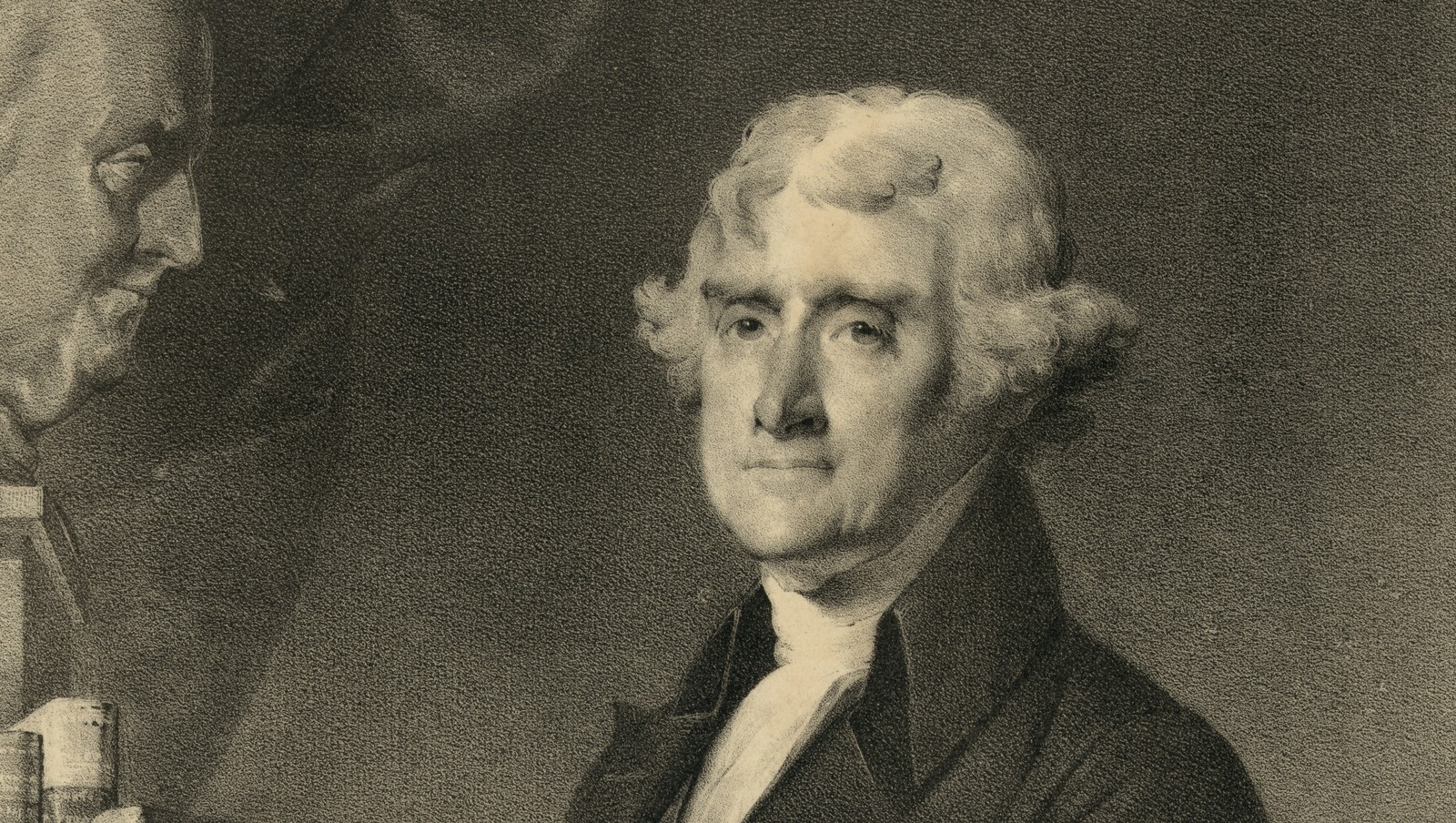
Image: Library of Congress

A coincidence is a remarkable concurrence of events or circumstances without an apparent causal connection. Most of us experience coincidences regularly, but they tend to be more ordinary—like discovering you’re wearing the same sweater as someone else in the room. The following 12 examples are much more extreme, and some even seem unbelievable, even though they are true. Read on and prepare to be amazed!

1
A Presidential curse

Image: David Everett Strickler

For almost 140 years, U.S. presidents elected in years ending in zero died while in office. It happened to William Henry Harrison (1840), Abraham Lincoln (1860), James A. Garfield (1880), William McKinley (1900), Warren G. Harding (1920), Franklin D. Roosevelt (1940), and John F. Kennedy in 1960 . Ronald Reagan, elected in 1980 , broke the curse by surviving an assassination attempt.

2
Mark Twain and Halley’s Comet
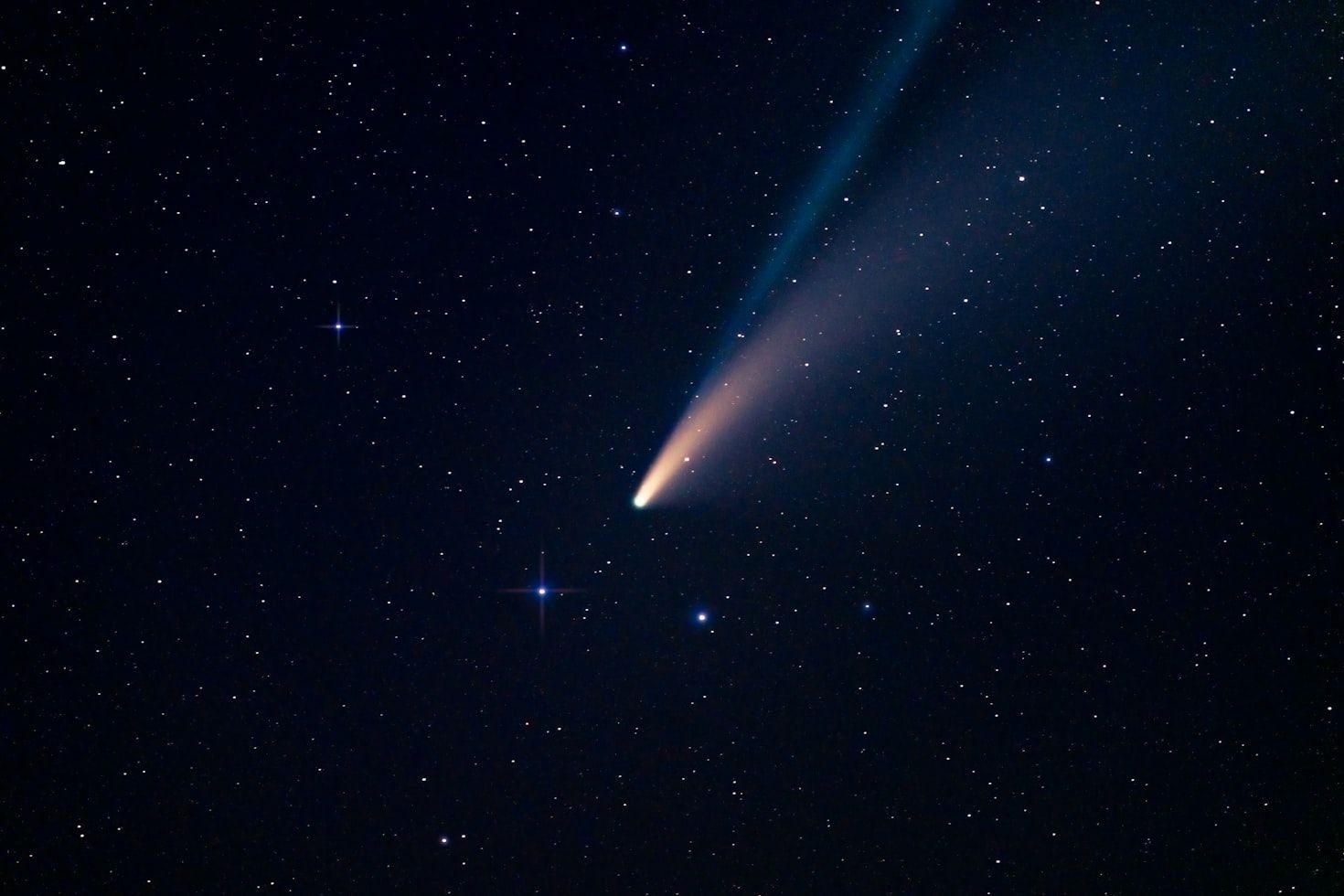
Image: Justin Wolff

In the year Mark Twain was born, 1835, Halley’s Comet passed by Earth. The great writer famously predicted he’d "go out with it" as well . Indeed, he passed away in 1910, the next time the comet appeared.

3
Jefferson and Adams
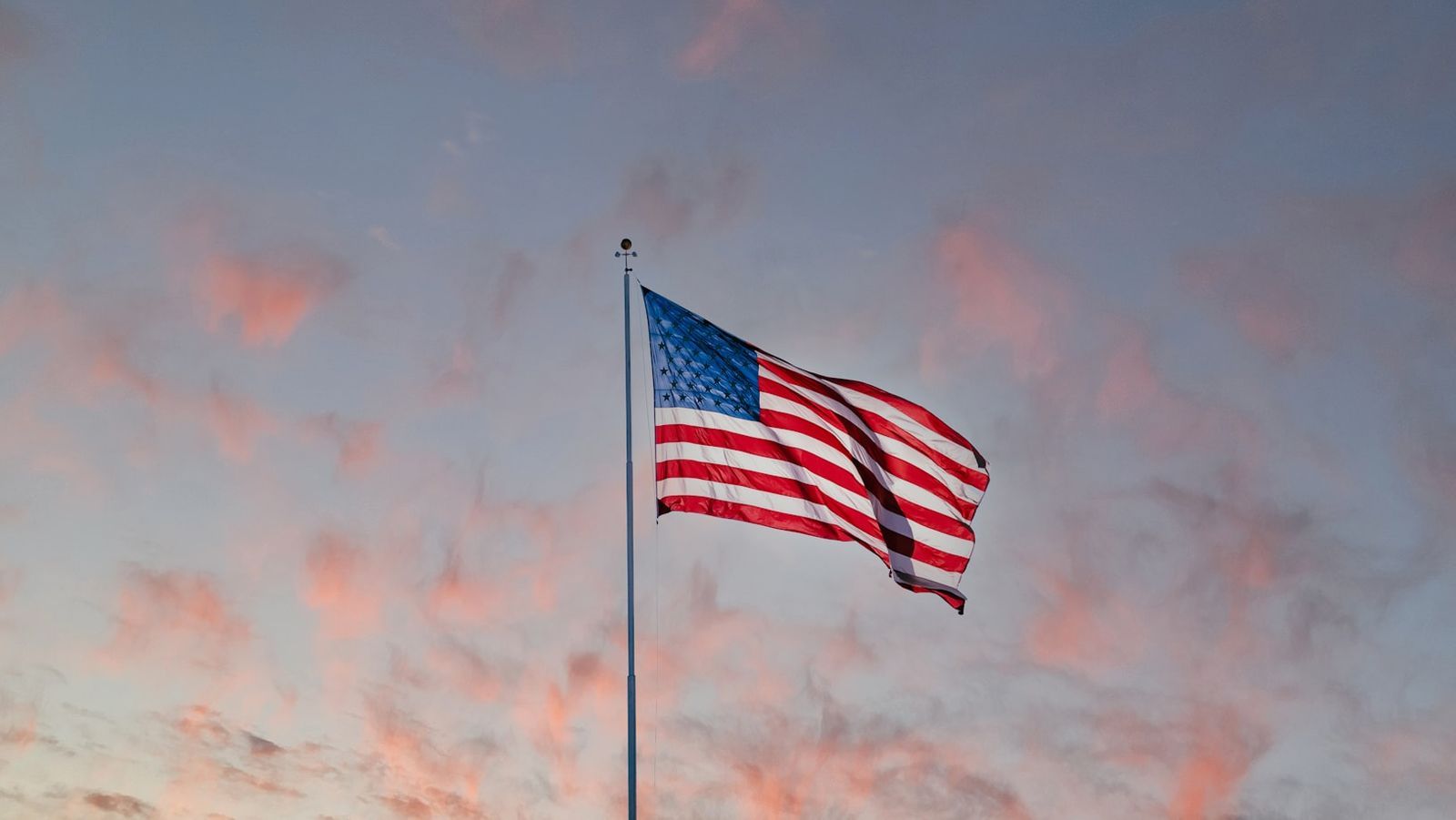
Image: iStrfry , Marcus

A patriotic yet somber coincidence, indeed. John Adams and Thomas Jefferson, the second and third U.S. presidents, both died on July 4, 1826 —exactly 50 years after the signing of the Declaration of Independence.

4
Hoover Dam’s first and last casualties
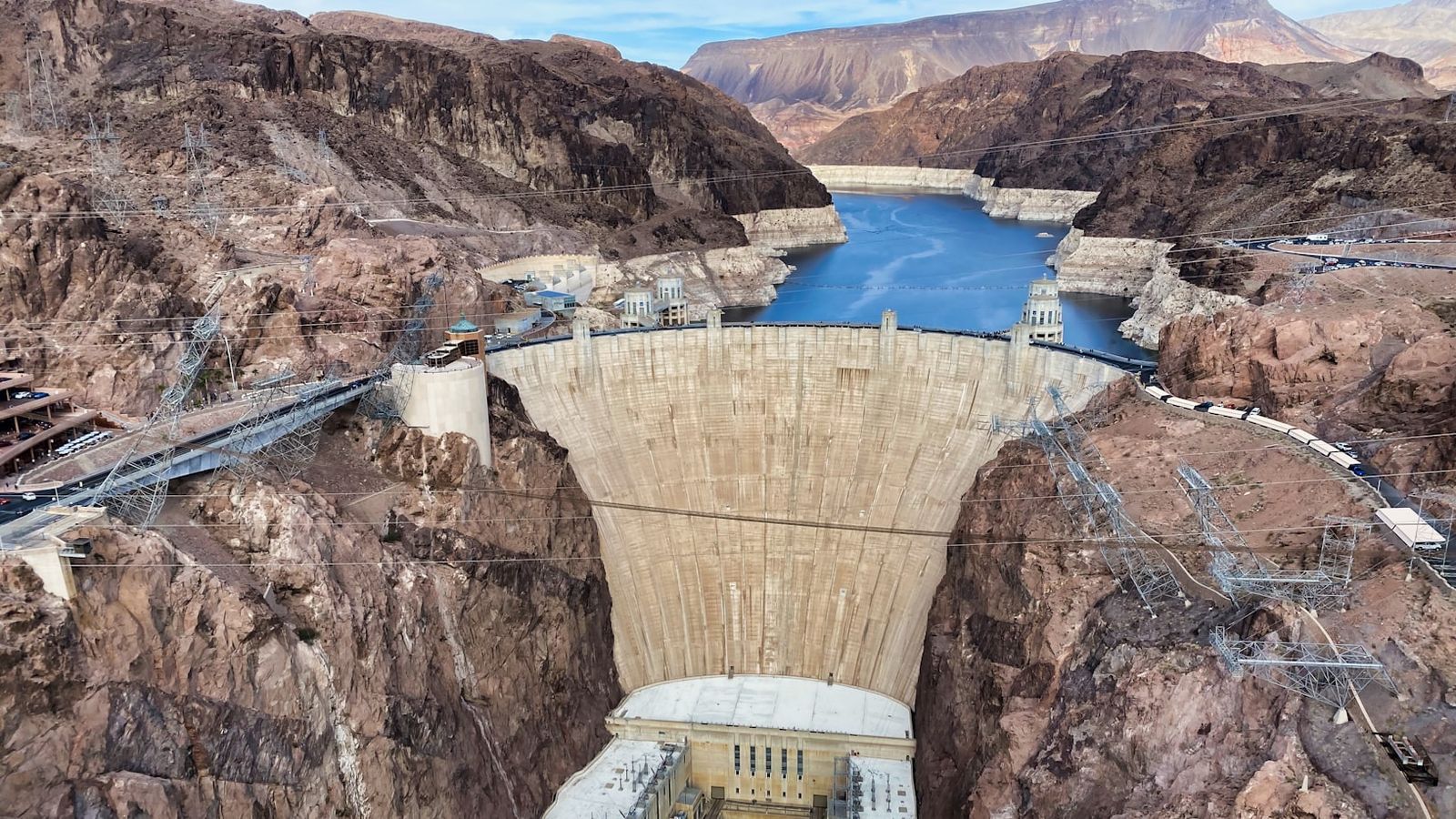
Image: Ryan Thorpe

The construction of the Hoover Dam was a long and difficult process, claiming over 100 lives. The first person to die was J.G. Tierney , and the last recorded death was his son , Patrick Tierney.

5
Lincoln and Kennedy
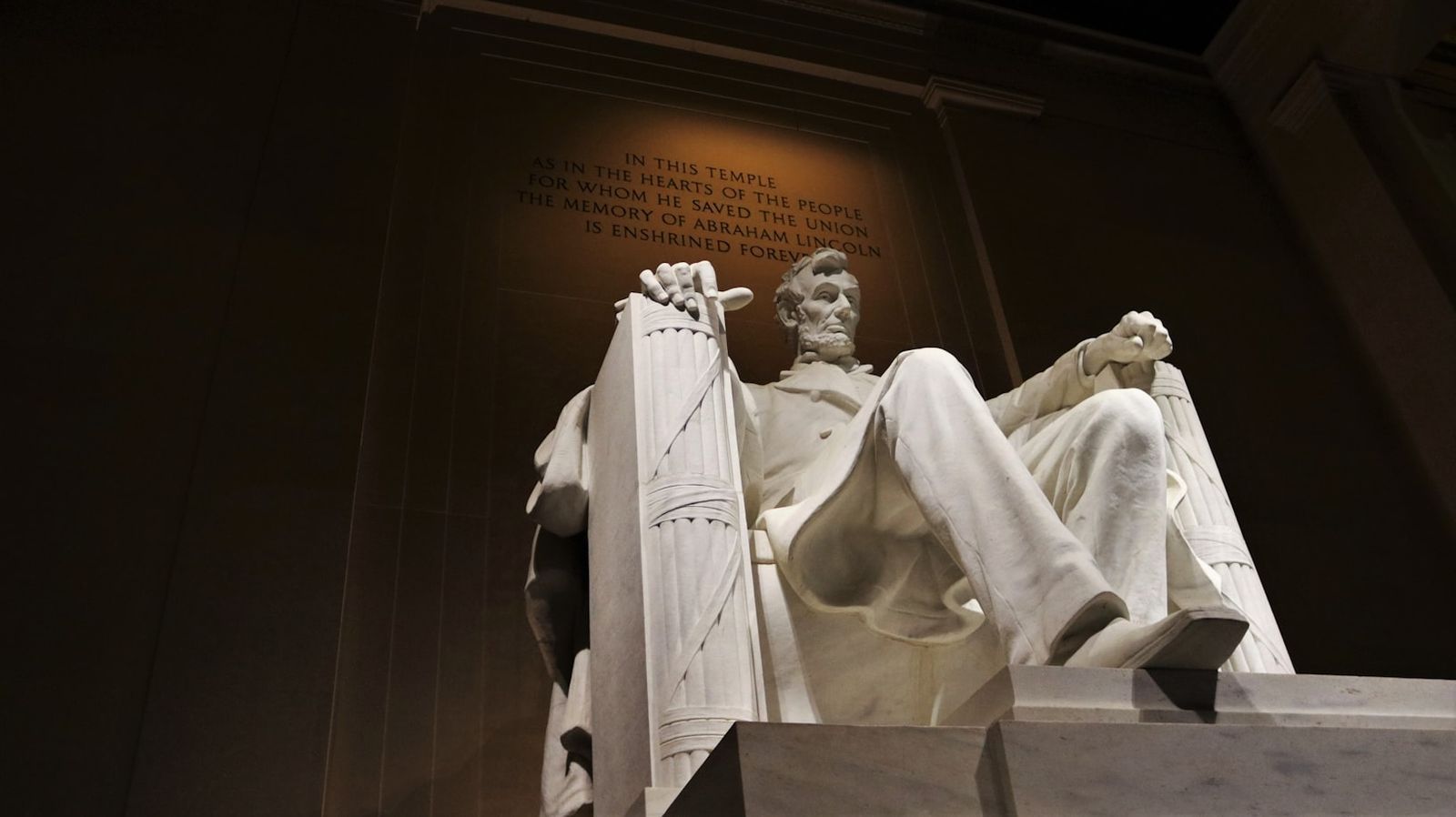
Image: Kelli Dougal

Abraham Lincoln and John F. Kennedy were elected 100 years apart (1860 and 1960). Both suffered fatal head wounds and were succeeded by presidents named Johnson. Their assassins each had three names: John Wilkes Booth and Lee Harvey Oswald. Both were assassinated on a Friday while sitting next to their wives at the time that it happened.

6
Charles Francis Coghlan’s last journey
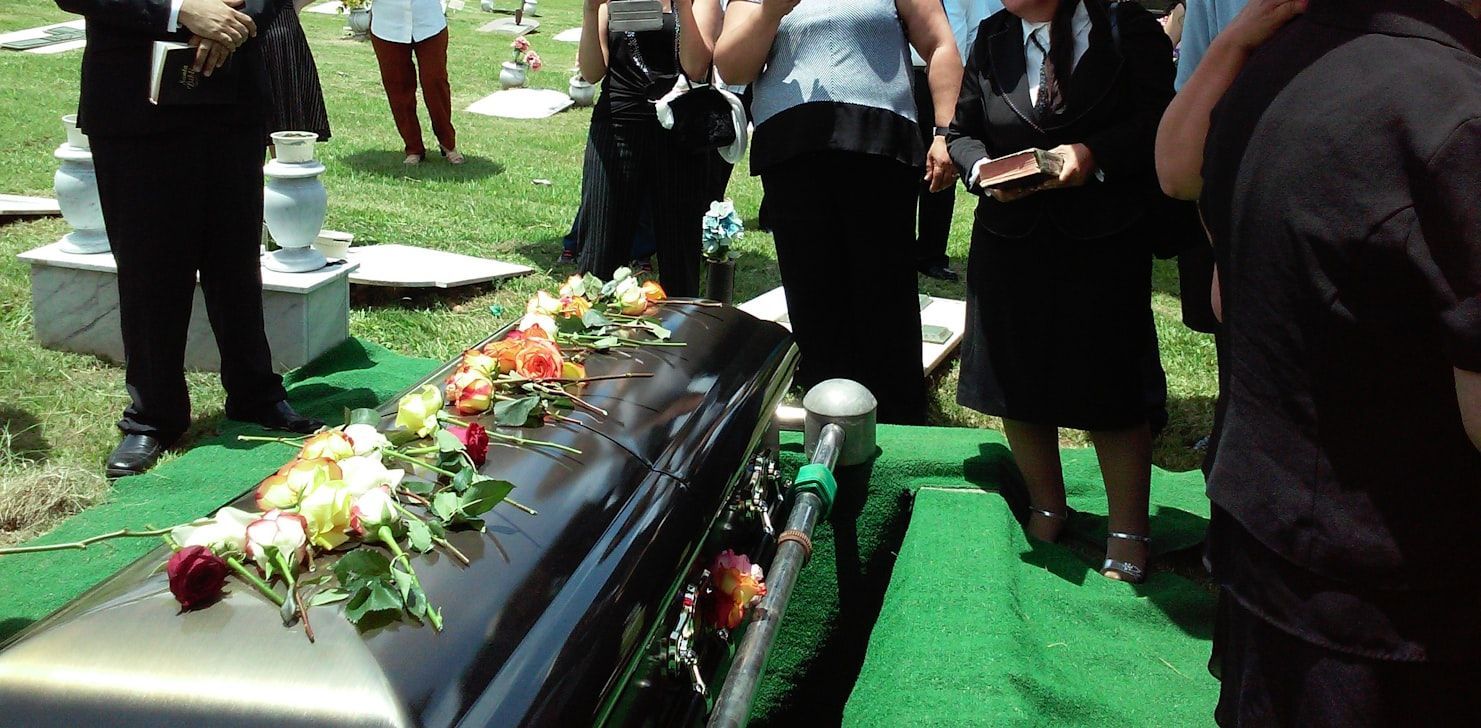
Image: Rhodi Lopez

Actor Charles Francis Coghlan died in Texas in 1899. But his casket was lost at sea during a hurricane. Eight years later, his coffin washed ashore near his birthplace in Prince Edward Island, Canada, more than 3,000 miles away.

7
The Titanic coincidence
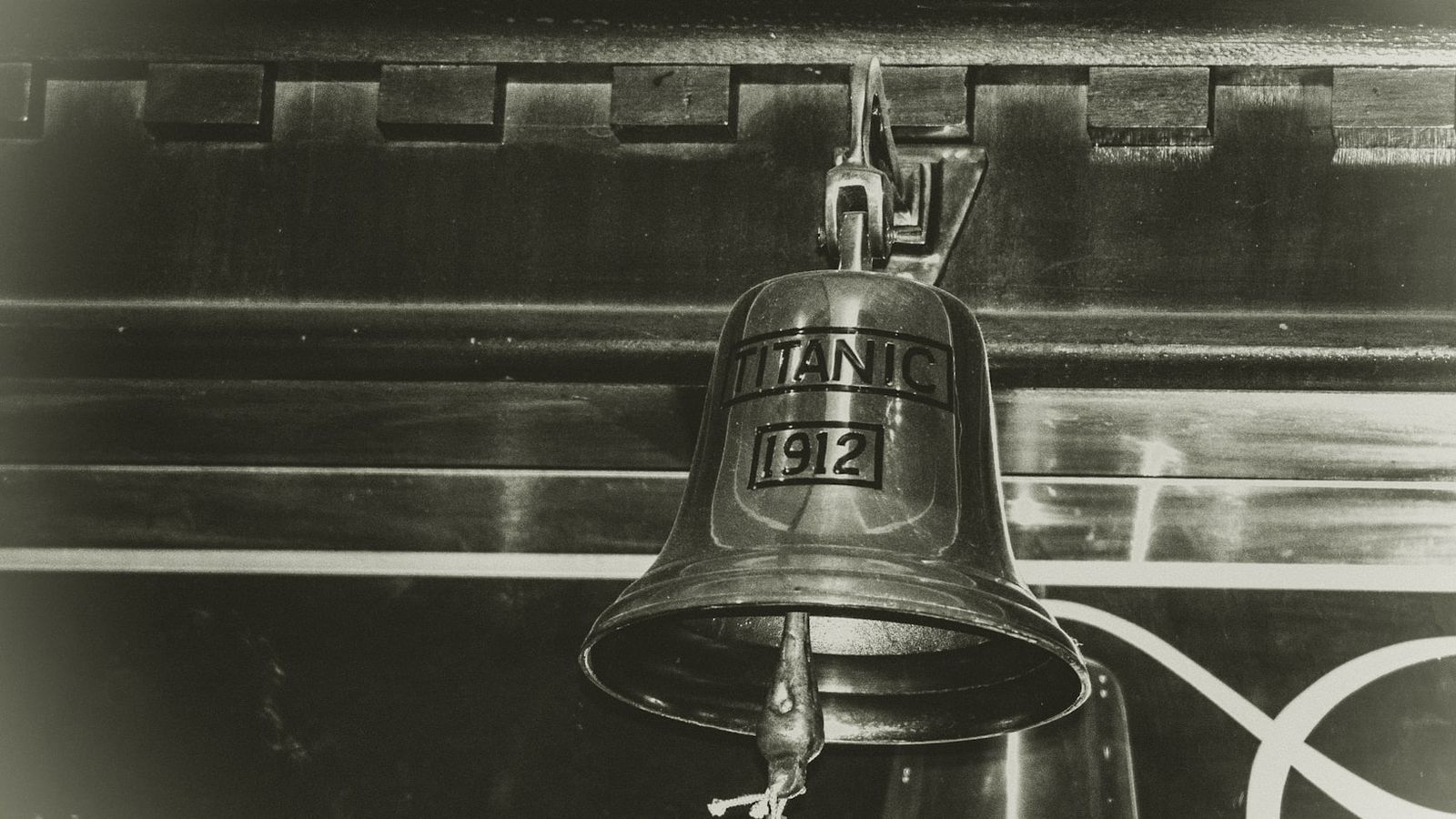
Image: K. Mitch Hodge

A few years before the Titanic sank, Morgan Robertson wrote a short book called Futility , about a massive "unsinkable" ship called the Titan that hit an iceberg and sank. The tale describes a ship with a similar size and a similar lack of lifeboats to the famous vessel.

8
Dennis the Menace
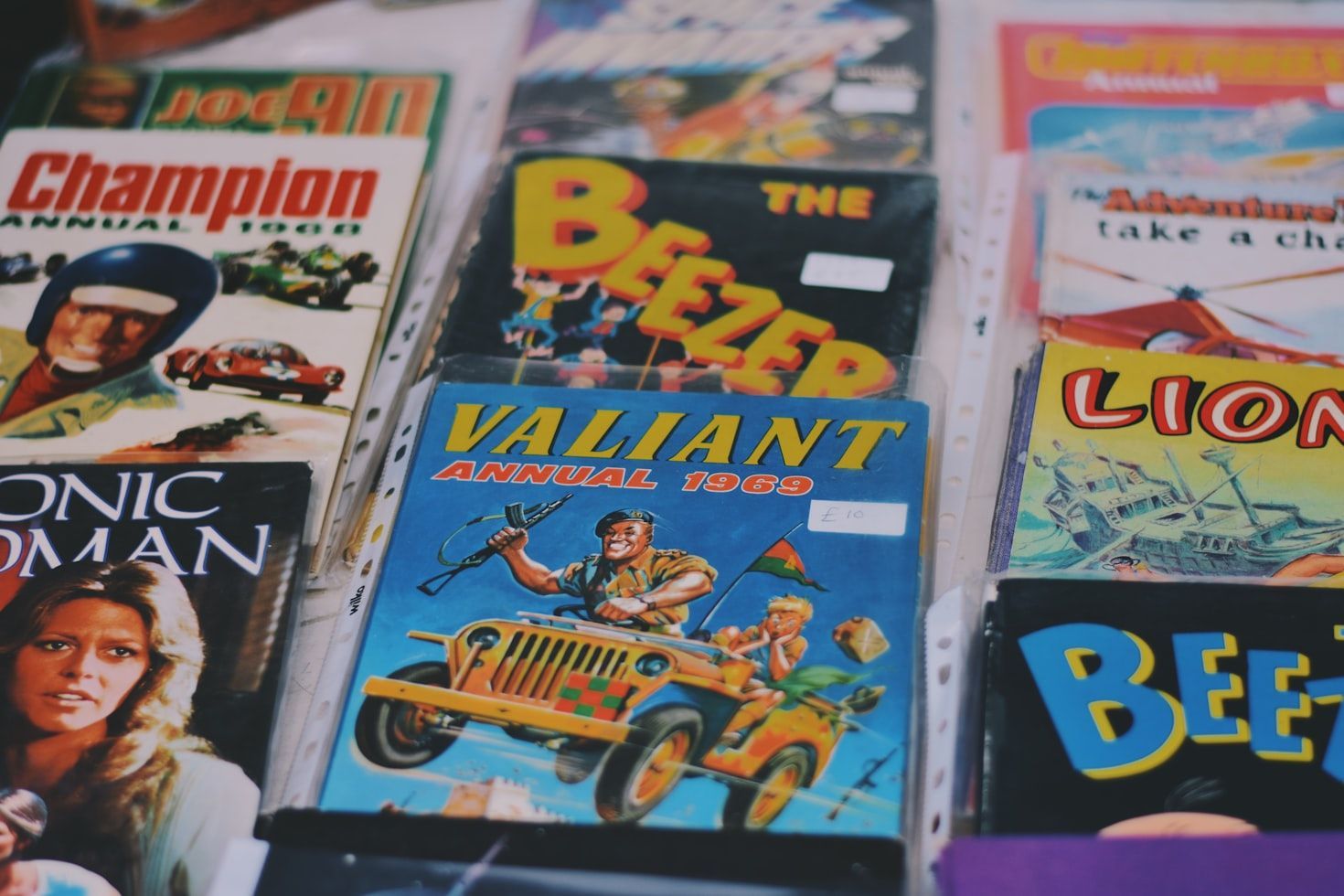
Image: Mitch Rosen

Two comic strips featuring a character named Dennis the Menace debuted in British and American outlets, respectively, on March 12, 1961—only a few hours apart. However, the two creators did not know each other and had no idea of the other’s work.

9
Jim Lewis and Jim Springer

Image: Vidar Nordli-Mathisen

Identical twin brothers separated at birth , Jim Lewis and Jim Springer, were reunited at age 39 and discovered many coincidences: both married women named Linda , divorced, and then remarried women named Betty. Both had dogs named Toy and drove the same model of car. Both grew up with an adopted brother named Larry and had sons whom they named James Allan.

10
Disney magic
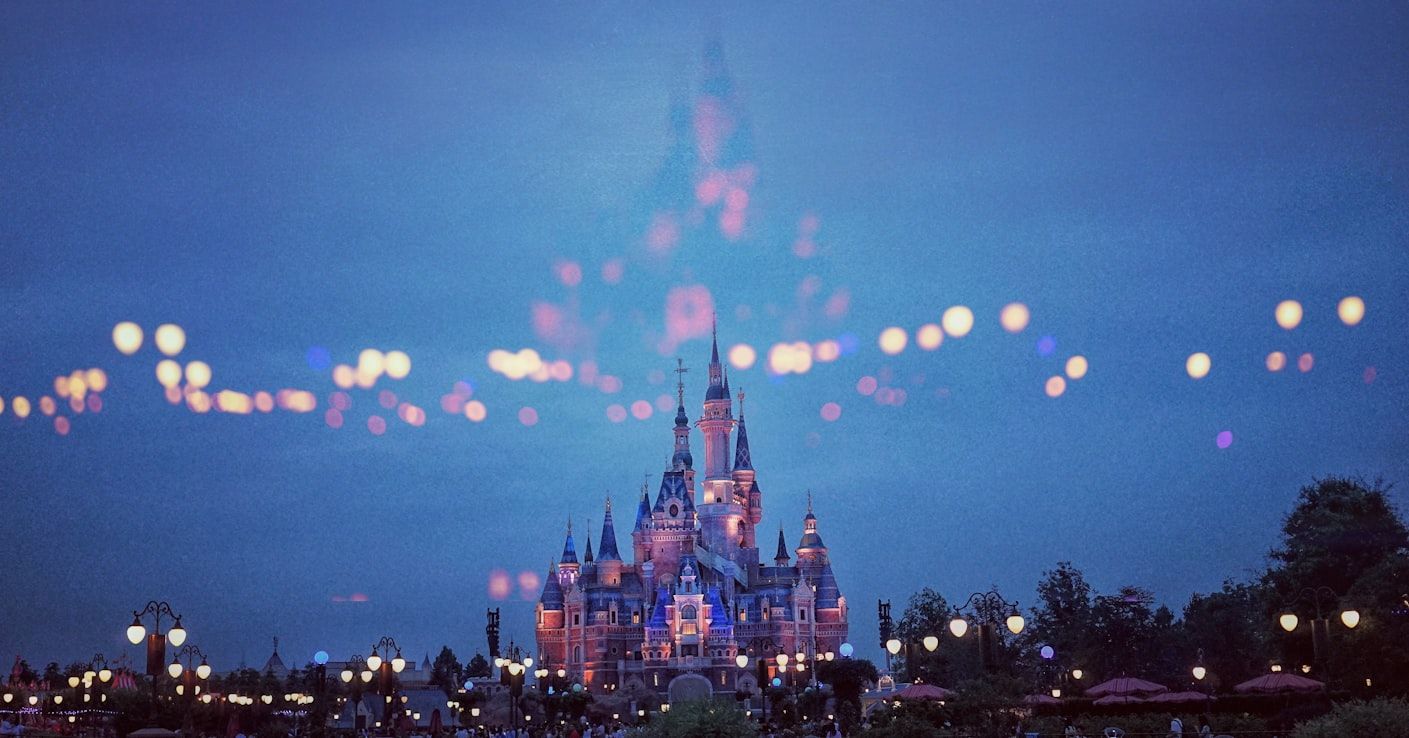
Image: PAN XIAOZHEN

A soon-to-be-married couple, Alex and Donna , were looking through old photos to include in their wedding video. They found one photo of Donna posing on a childhood trip to Disney World in 1980. And in the background, they spotted Alex being pushed in a stroller by his father.

11
Moped meets taxi, twice
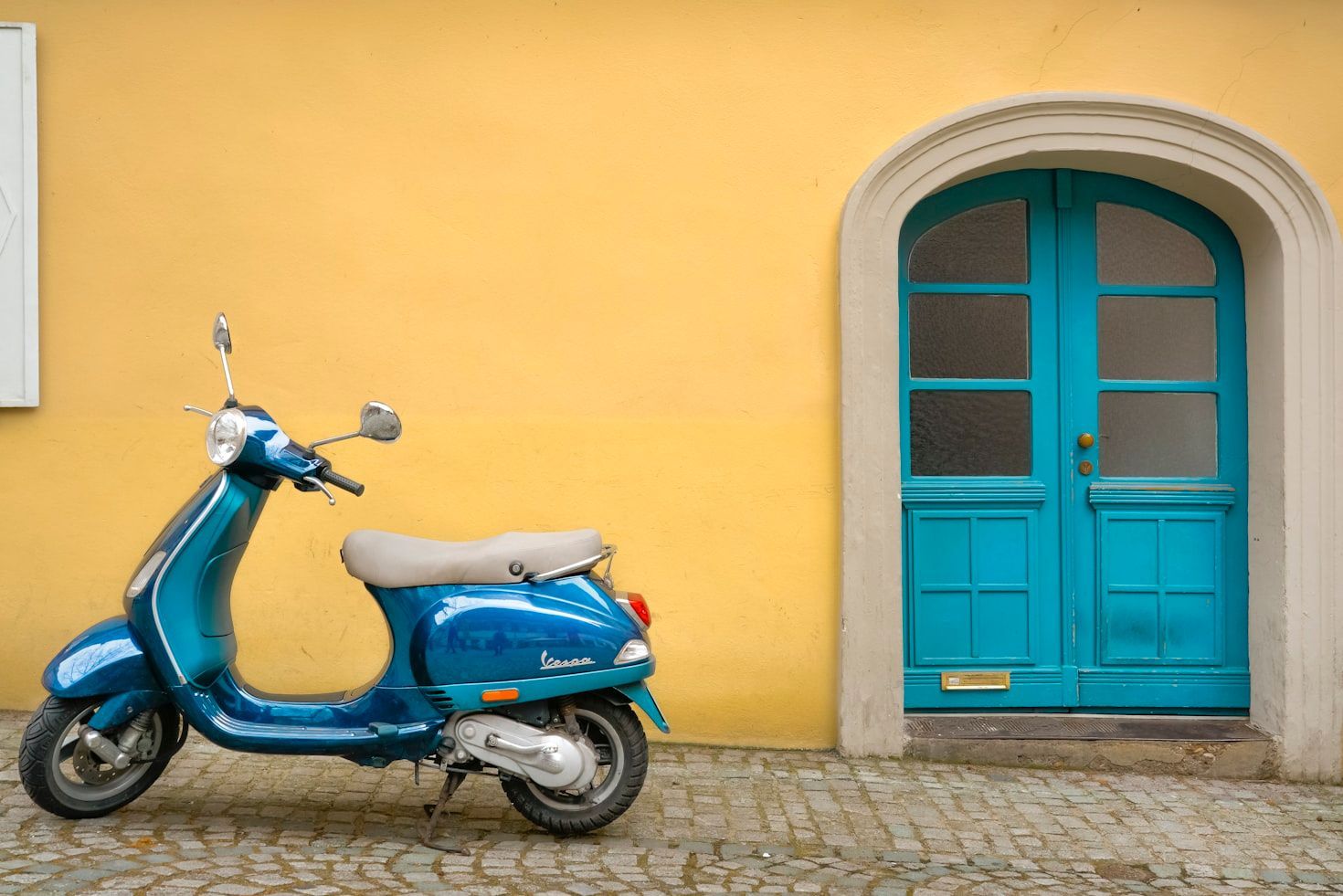
Image: Ruslan Bardash

In 1975, 17-year-old Erskine Lawrence Ebbin was struck by a taxi in Bermuda while riding his moped. A year later, his brother Neville , also 17 at the time, was riding the same moped when he was struck by the same taxi —with the same passenger—on the same street.

12
Lightning strike survivor
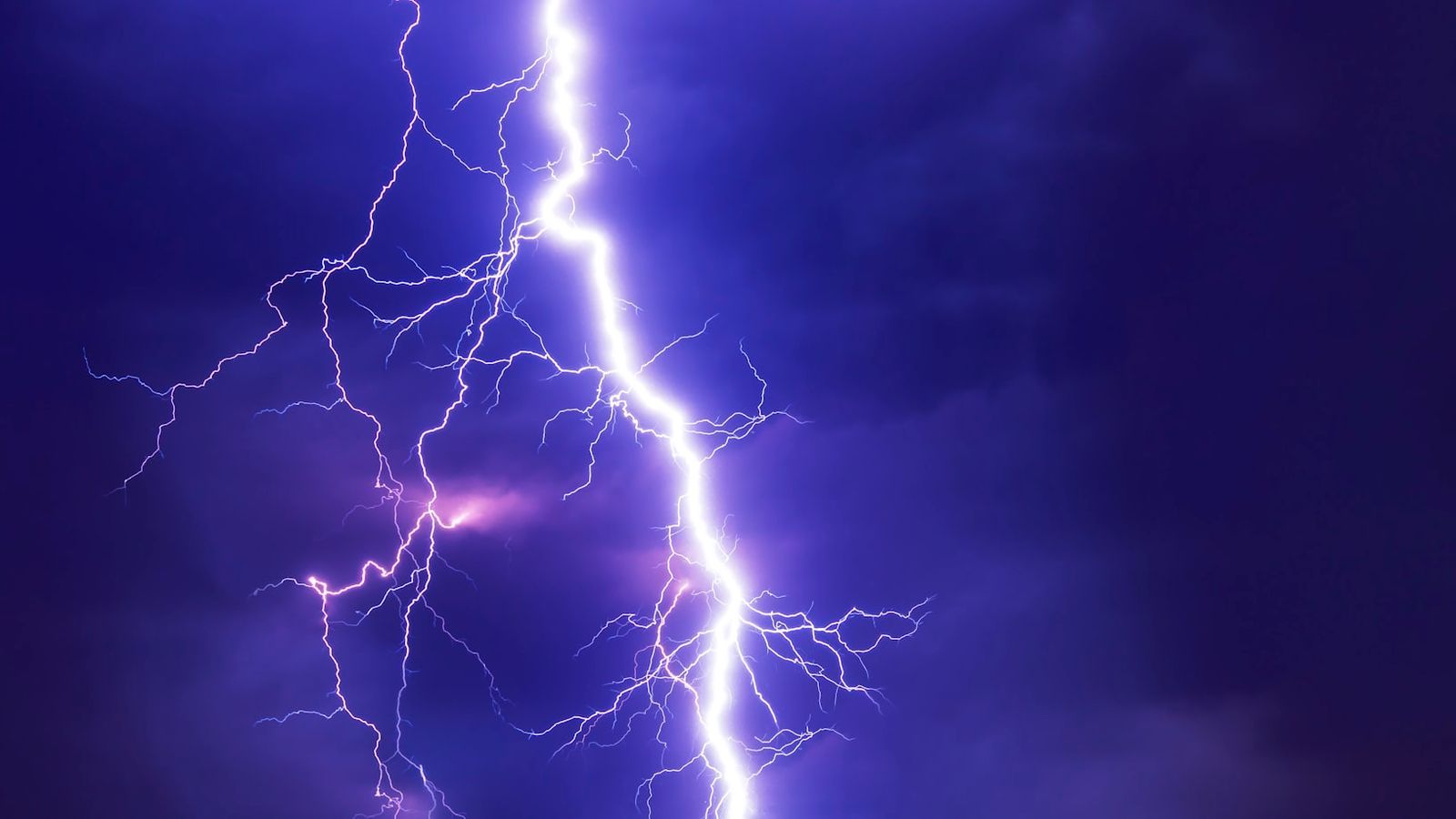
Image: Felix Mittermeier

Being hit by lightning is an extremely rare occurrence. Park ranger Roy Sullivan was struck not once, but seven times between 1942 and 1977 —and survived them all. The strikes hit him in a fire tower, in his truck, in his yard, while patrolling, and more. His unusual record earned him the nickname "Human Lightning Rod."
General General 3 min read

Thank God for sliced bread!

The entire world has adopted these 12 conveniences born in the U.S.

Image: Rifandi G

So many everyday comforts we now take for granted were first developed in the U.S. These innovations didn’t just change American life —they ultimately spread across the world and reshaped how people shop, eat, and move around.

1
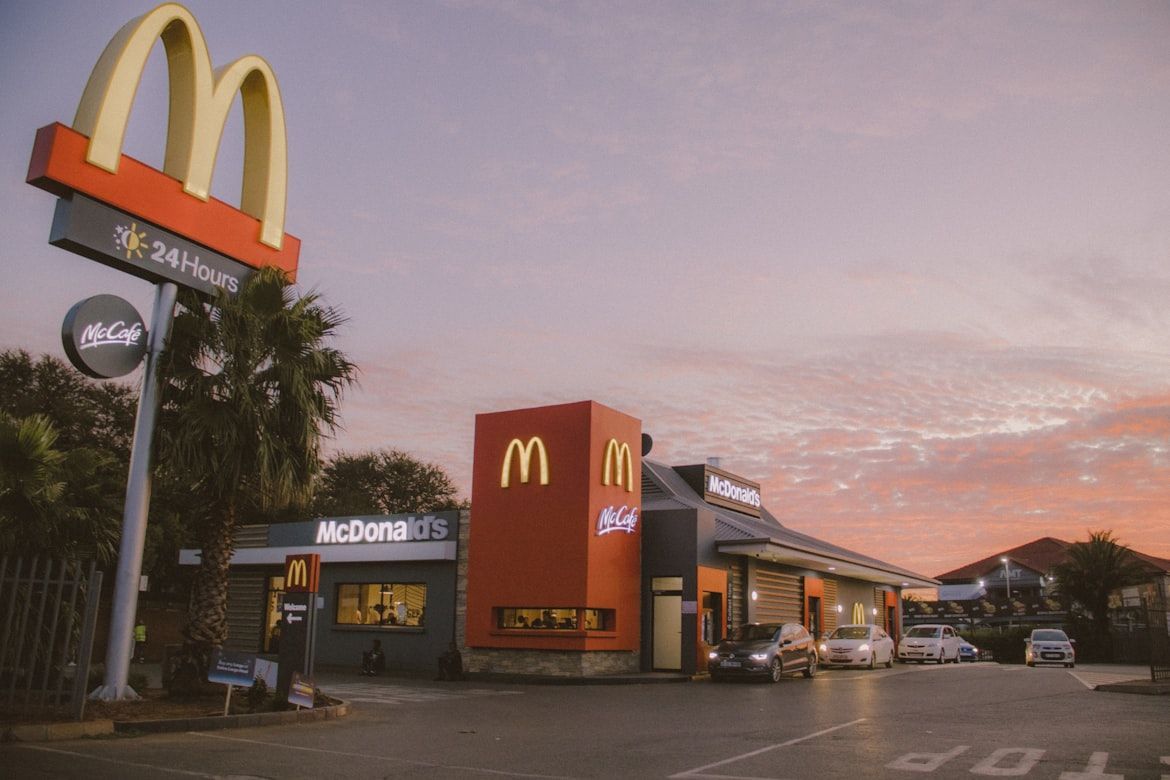
Fast food chains

Image: Boshoku

The U.S. pioneered large-scale fast food chains like McDonald’s, Burger King, and Wendy’s, especially after World War II. These restaurants focused on speed, consistency, and low prices .

Their standardized menus and assembly-line kitchens made quick meals widely accessible. The model spread globally, shaping modern eating habits.

2
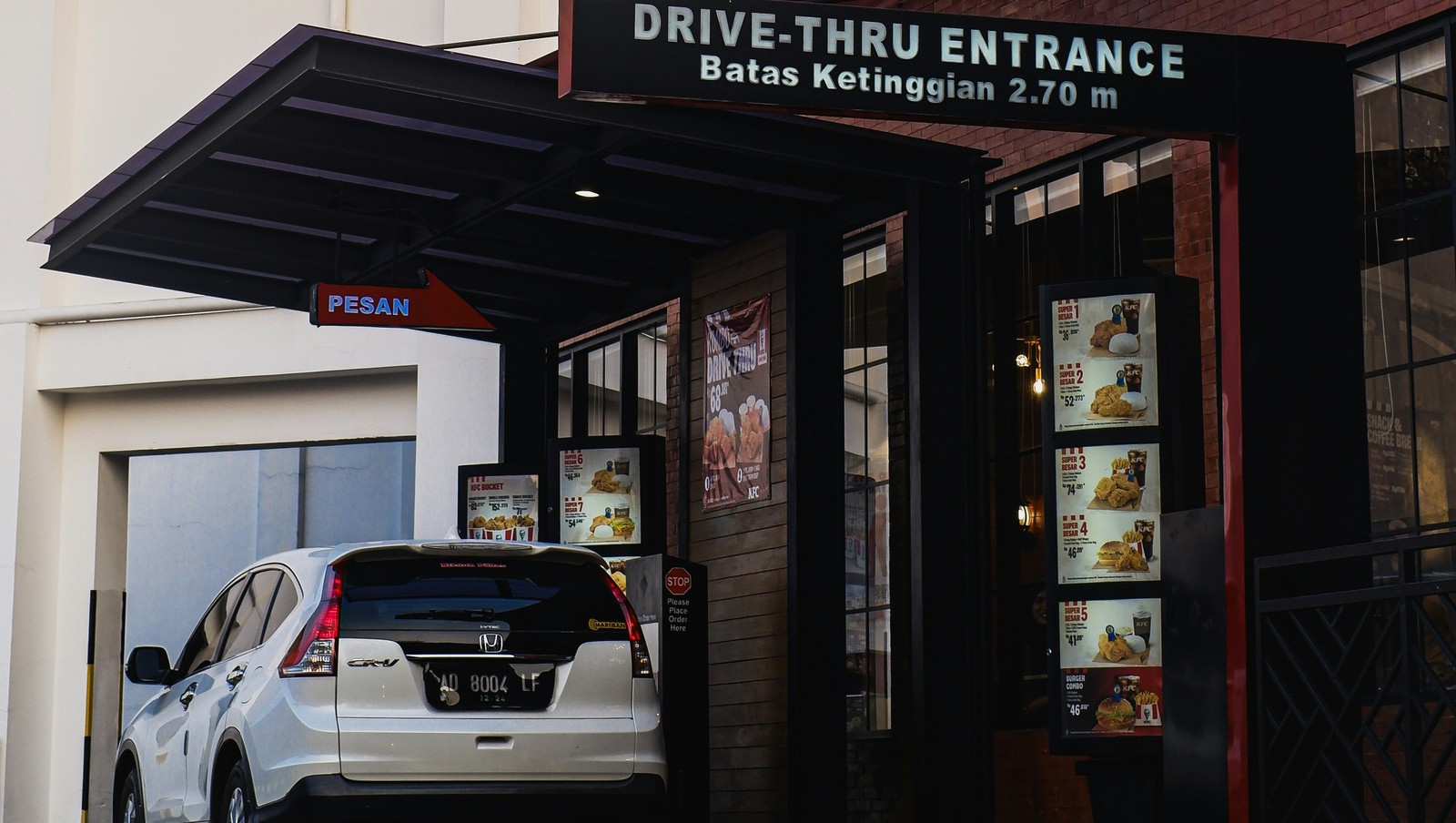
Drive-Thru restaurants

Image: Jonathan Cooper

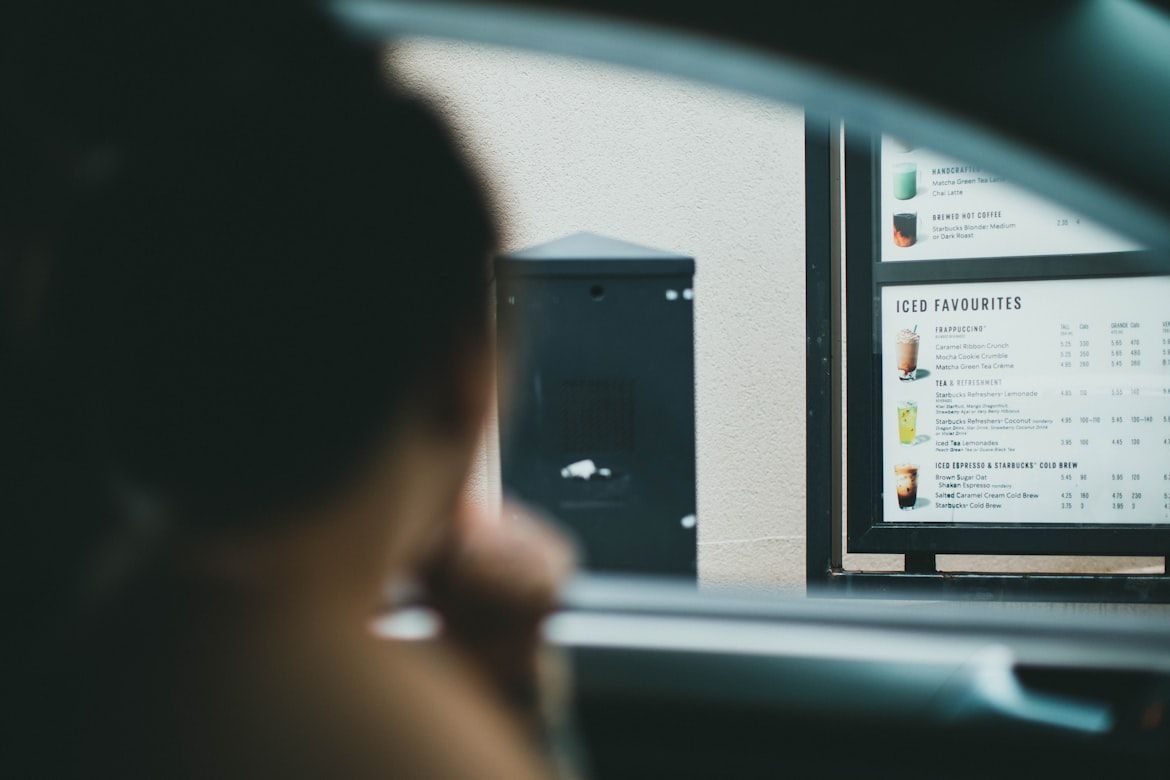
The drive-thru concept took off in the U.S. in the 1940s, with chains like In-N-Out and later McDonald’s making it national. It allowed diners to order food without leaving their cars .

This idea dovetailed perfectly with a growing car culture and suburban life in the aftermath of WWII. Today, drive-thrus are common worldwide, but their roots lie in mid-century America.

3
Credit cards

Image: Avery Evans

While earlier charge systems existed, modern credit cards became widely used in the U.S. in the 1950s with Diners Club and BankAmericard (later Visa).

They allowed consumers to buy now and pay later , transforming spending habits. This system became a global standard, making everyday purchases faster and more flexible.

4
Online shopping

Image: Marques Thomas

Modern online shopping began in the U.S. during the 1990s, with now-ubiquitous companies like Amazon leading the way. Consumers could browse and buy products without visiting a store .

This shifted retail forever, offering convenience, home delivery, and endless variety. Today’s global e-commerce industry grew from these early American platforms.

5
Self-service gas stations

Image: Gene Gallin

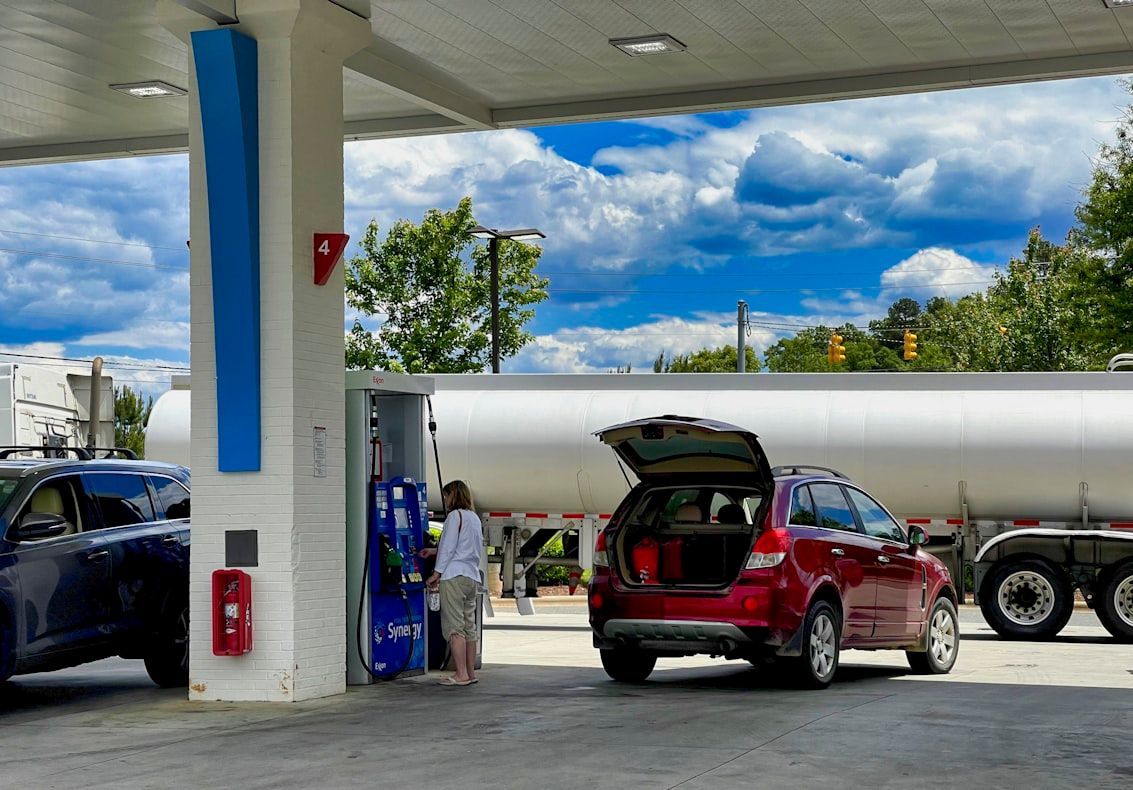
Self-service gas stations became popular in the U.S. in the 1960s and 70s, allowing drivers to pump their own fuel instead of relying on attendants .

This reduced costs and sped up service, appealing to busy motorists. Over time, it became the standard in most parts of the world.

6
Supermarkets with one-stop shopping

Image: Peter Bond

The first true supermarkets appeared in the U.S. in the 1930s, offering a wide range of goods, from fresh meat and produce to dry goods to cleaning and personal care products, under one roof . King Kullen in New York is often cited as an early example of this.

These mega-stores replaced smaller specialty shops and made grocery shopping easier. The concept became a global standard for food retail.

7
Shopping malls

Image: WeLoveBarcelona.de

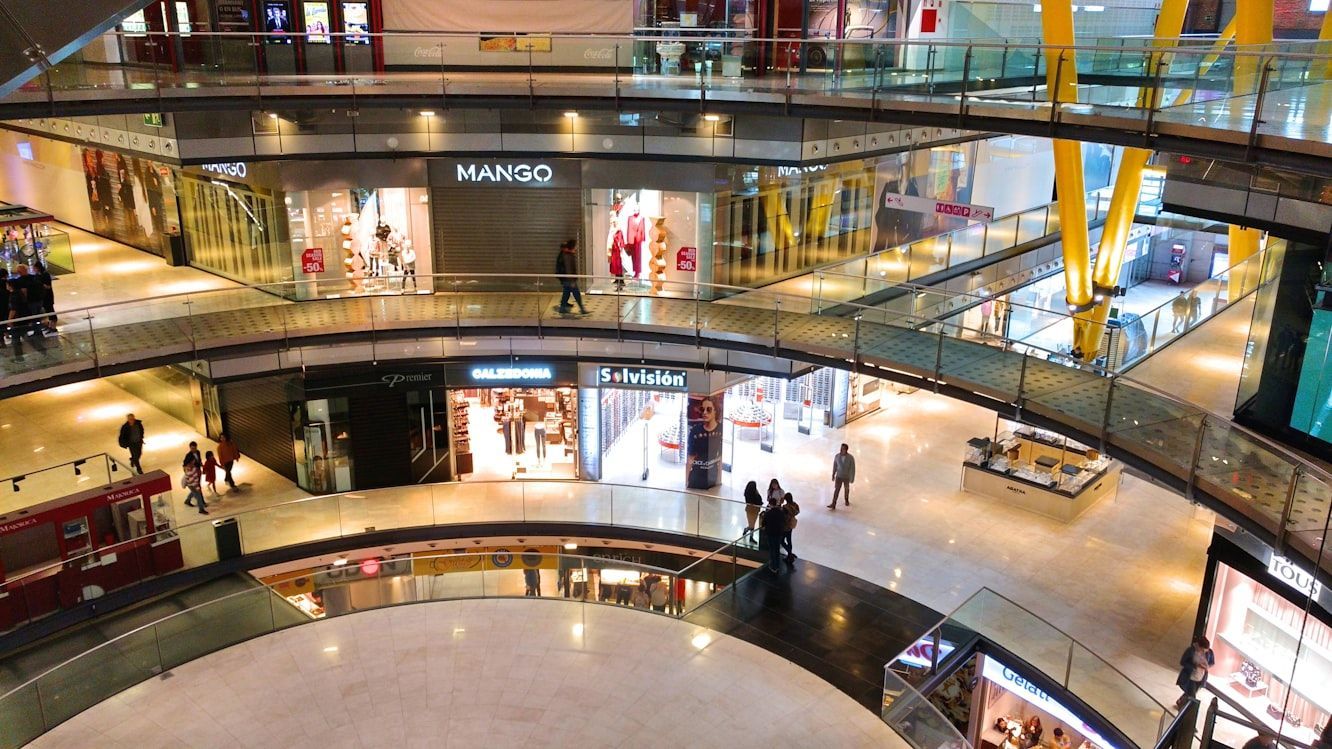
Indoor shopping malls emerged in the U.S. in the mid-20th century, designed as climate-controlled spaces with multiple stores in one location , beginning with Southdale Center, which opened in Edina, Minnesota, in 1956.

They became social hubs as well as retail centers. The mall concept spread worldwide, especially in suburban areas.

8
Frozen TV dinners

Image: Kouji Tsuru

TV dinners were introduced in the U.S. in the 1950s, notably by Swanson. These frozen meals were designed to be heated quickly and eaten while watching television, hence the term "TV dinner."

They reflected changing lifestyles in which convenience and entertainment overlapped. Frozen meals later became a global staple, especially with the advent of microwave ovens, which became increasingly popular in the 1970s and 80s.

9
Automatic dishwashers

Image: Ostbacher Stern

Dishwashers existed earlier, but automatic home models became widely adopted in the U.S. during the mid-20th century, making their way into American homes in the 1950s and 60s.

They saved time and reduced household labor, especially in busy families . Today, they are a common appliance in many parts of the world.

10
Sink garbage disposals

Image: Giorgio Trovato

The garbage disposal system was invented in the U.S. in the 1920s and became popular in American homes after World War II. It grinds food waste directly in the sink .

This innovation simplified kitchen cleanup and reduced trash volume. It remains especially common in U.S. households.

11
Vending machines

Image: Kenny Eliason

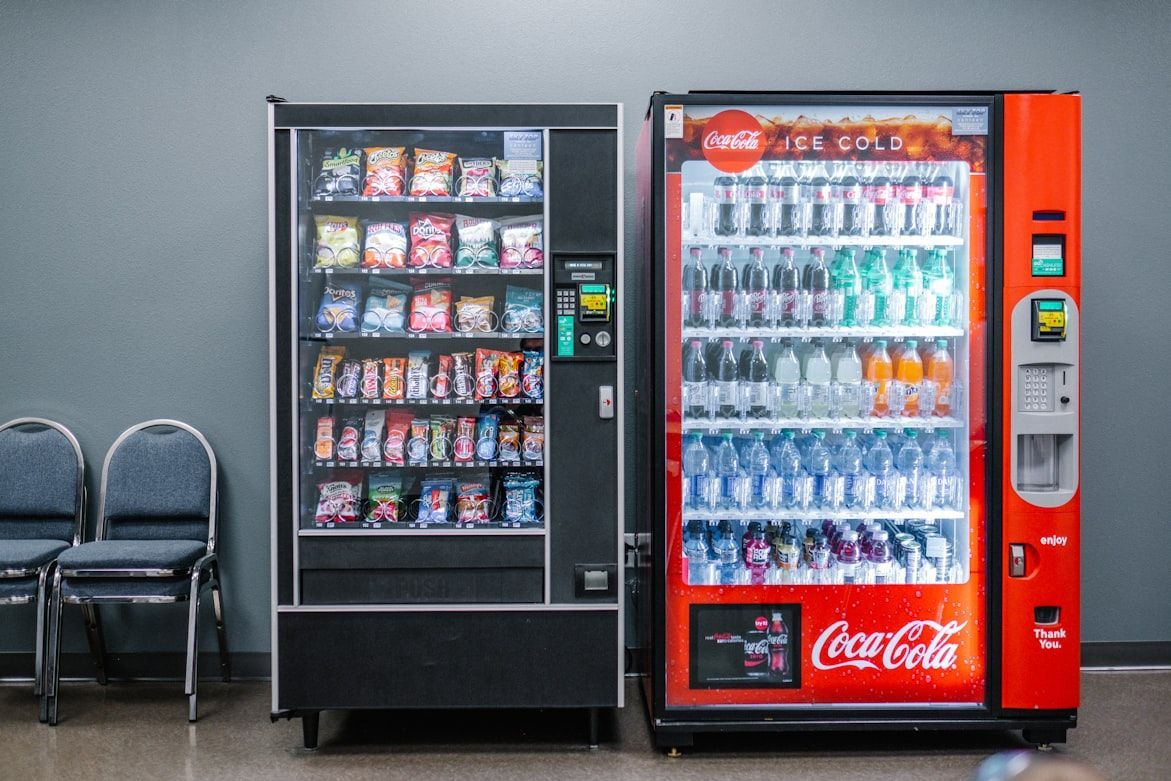
Modern vending machines became widespread in the U.S. during the 1950s and 60s, offering snacks and beverages in public places.

They provided quick, unattended service at any hour . While now global, their large-scale use and variety were strongly shaped by American consumer culture.

12
Ride-sharing apps

Image: Paul Hanaoka

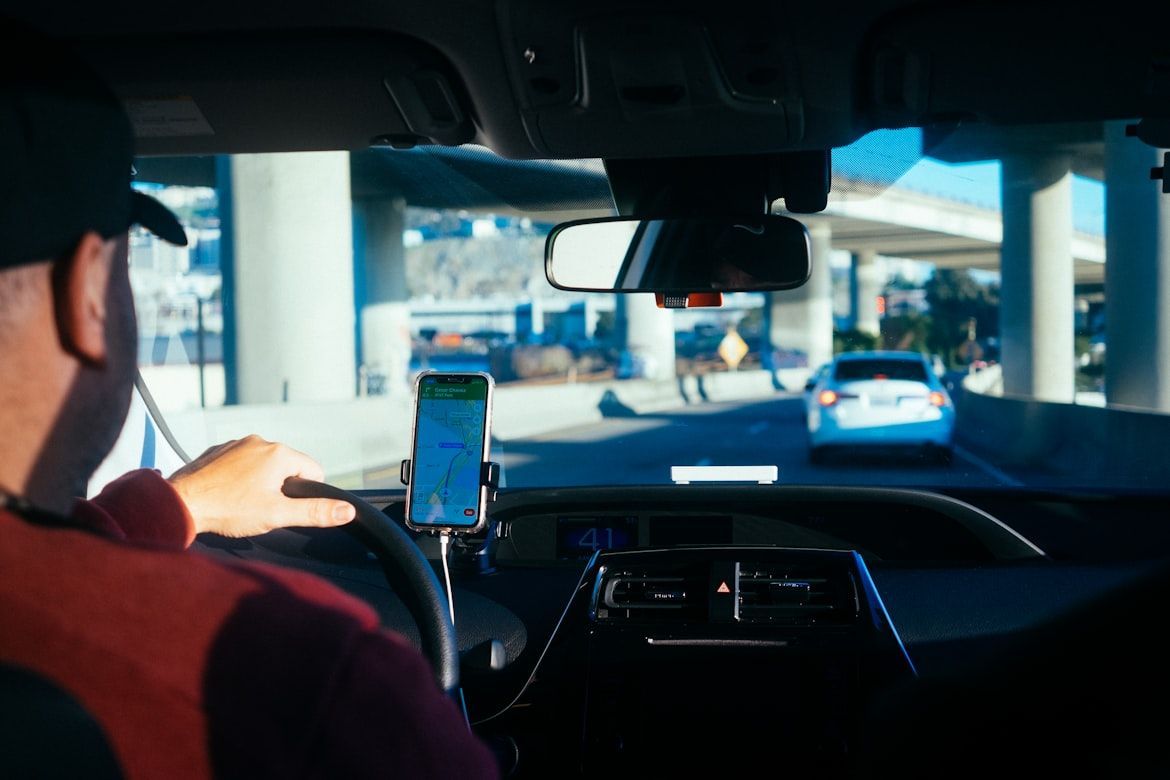
Ride-sharing apps like Uber and Lyft began in the late 2000s, using smartphones to connect passengers with drivers instantly .

They transformed urban transportation, offering flexible alternatives to taxis. This model has since expanded to cities around the world.

History History 4 min read

History class is in session!

Follow this red line in Boston and end up in history class!

Image: BookBabe

Wanna take a stroll through the heart of American history? The Boston Freedom Trail is exactly that! With red bricks guiding your way, every step brings you closer to some of the most important moments that shaped the nation. So lace up those walking shoes (comfort is key for this one!), and let’s explore some surprising truths about one of the country’s most iconic trails.

1
Start here, end there: Boston Common to Bunker Hill

Image: Roger Starnes Sr

There’s no official rule about where to begin, but most people kick things off at Boston Common. From there, the trail snakes through the heart of the city and ends at the Bunker Hill Monument in Charlestown. That final stretch leads to one of the most symbolic sites of the American Revolution. Of course, if you’d rather do it backwards, nobody’s stopping you—it’s your patriotic pilgrimage! Either way, the journey between these two iconic spots is packed with stories.

2
Where the trail begins: Boston Common’s surprising start

Image: Yassine Khalfalli

Boston Common might be a peaceful green escape today, but it began with a much more practical purpose. Established in 1634, it’s the oldest public park in the US, and it was originally used for grazing livestock, not lounging on park benches.

The land was purchased from Anglican minister William Blackstone and soon transformed into a communal area by the Puritans. Over time, it has witnessed protests, public speeches, and even British troops setting up camp.

3
Short and sweet: the 2.5-mile trail

Image: Naoki Suzuki

The Freedom Trail may only stretch 2.5 miles, but don’t let that fool you—it’s packed with history. The route winds through downtown Boston, passing 16 official landmarks. Most of the trail is flat and fully accessible, making it friendly for everyone. Just remember to bring comfy shoes!

4
Follow the red-brick road

Image: Yassine Khalfalli

No need for a map or GPS—just follow the red-brick line! That bright path under your feet is the Freedom Trail’s signature feature. It weaves its way from site to site, keeping you on track with zero guesswork.

The trail’s design was first suggested by a local journalist in the 1950s, who wanted to link all the key historical spots. It’s Boston’s version of a historical yellow brick road—minus the flying monkeys, of course!

5
Millions make the trip every year

Image: Aubrey Odom

More than 4 million people walk the Freedom Trail each year—and not just tourists. Locals, history lovers, and school groups all flock to this living museum. It’s one of the most popular attractions in Boston, and for good reason.

From Paul Revere’s House to the Boston Tea Party site, each stop tells a story. Even if you’ve walked it before, there’s always something new to notice. So go ahead—join the crowd.

6
No need to go in order

Image: Vika Chartier

Unlike history books, the Freedom Trail doesn’t follow a strict timeline. It’s organized by geography, not chronology, which means you can hop around without feeling lost. For instance, Boston’s North End has a cluster of must-see sites close together. It’s totally fine to explore them first and double back later. Just follow your curiosity—and your feet—along the red bricks.

7
Oldest this, oldest that, it’s a record-breaker

Image: Kelly Sikkema

The Freedom Trail is a goldmine of American "firsts." You’ll find the country’s oldest public park (Boston Common), its oldest public building (the Old State House), and even the site of the first major battle of the Revolutionary War (Bunker Hill Monument).

Paul Revere’s House is the oldest building still standing in Boston. And the Old North Church? That’s right—it’s the oldest church still standing in the country!

8
Rest in peace, revolutionaries

Image: Wenhao Ruan

Cemeteries might not sound exciting, but on the Freedom Trail, they can be. The Granary Burying Ground is the final resting place of Paul Revere and victims of the Boston Massacre.

Over at Copp’s Hill Burying Ground, you’ll find figures connected to the Salem Witch Trials and shipbuilders like Edmund Hartt. These aren’t just graves—they’re chapters in America’s story. And you’ll be walking right through them.

9
No replicas here

Image: Liubov Ilchuk

Every building and site along the Freedom Trail is the genuine article. Thanks to meticulous preservation, nothing is a recreation or reimagining—you’re standing where revolutionaries stood, seeing what they saw.

There’s something special about touching the same walls and walking the same halls. It’s as close to time travel as you’re going to get. How great is that?

10
Past meets present in every step

Image: Brett Wharton

Sure, you're here for the history, but Boston’s modern charm is hard to miss. Between historic stops, you'll find lively markets, cozy restaurants, and the buzz of city life all around. Grab a cannoli in the North End or sip coffee where patriots once plotted revolts. The Freedom Trail offers a perfect blend of old and new.

Explore more American facts

Choose your favorite category!

General
General

As American as apple pie—the very best America has to offer!

Culture
Culture

Delve into the astounding richness of American lore.

Geography
Geography

Hop in and explore vast and diverse American landscapes.

History
History

Discover the key moments that shaped the United States.